This morning as we were leaving the city of Tui we encountered a group of the Spanish military doing some practices around the city. Some of them carrying guns, and others only backpacks. It was kind of intimidating watching these young people exercising among us.
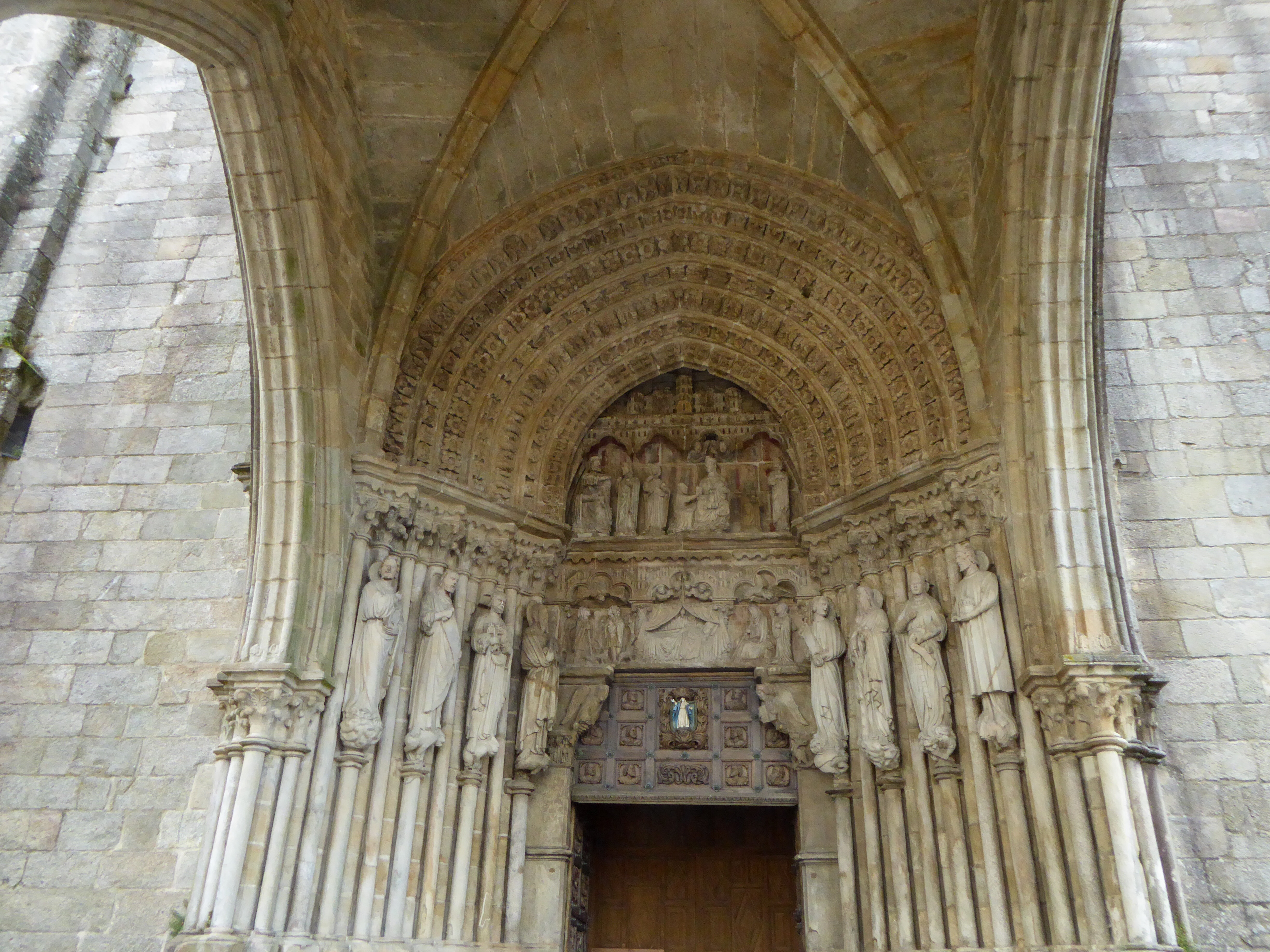
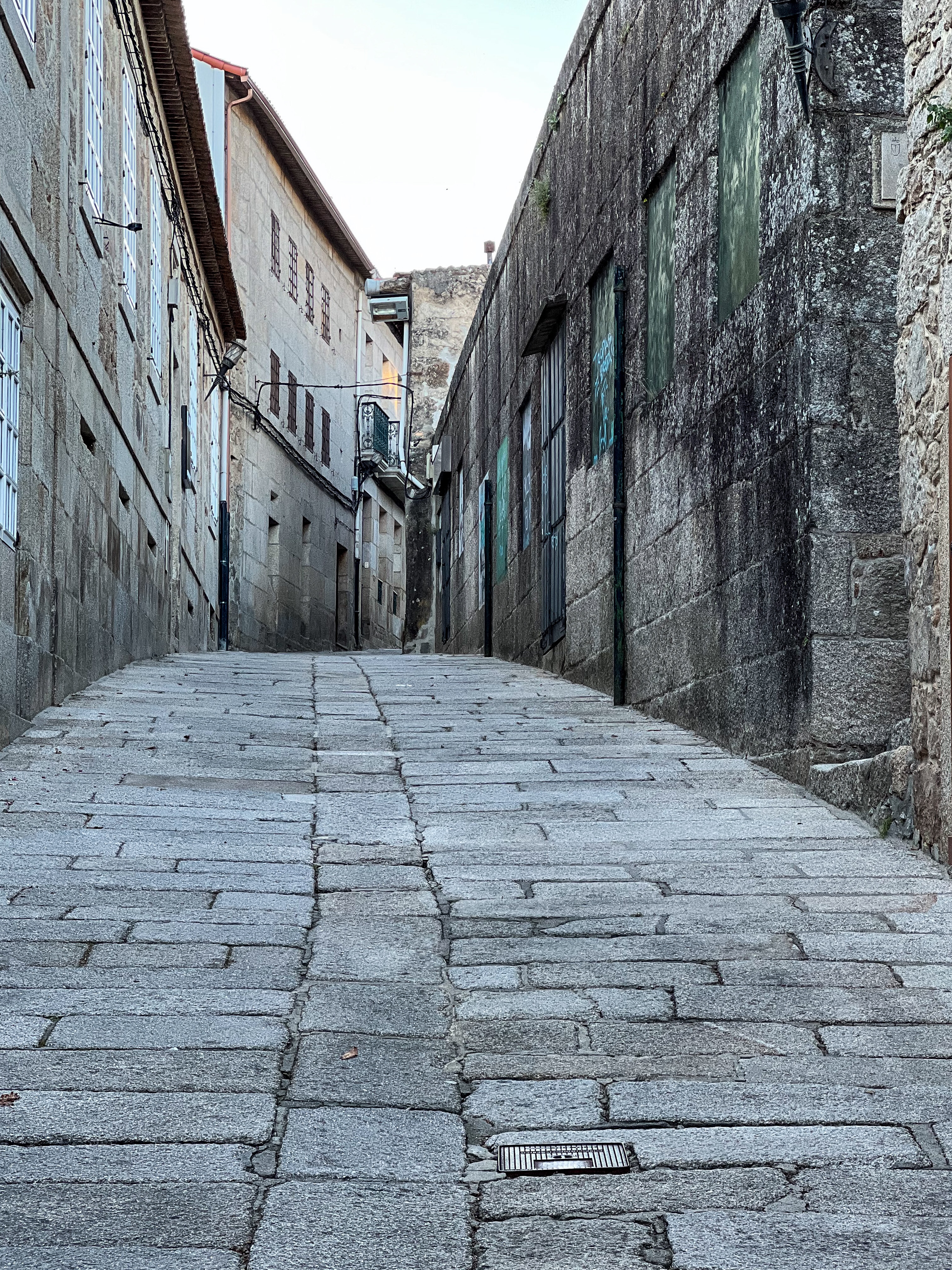
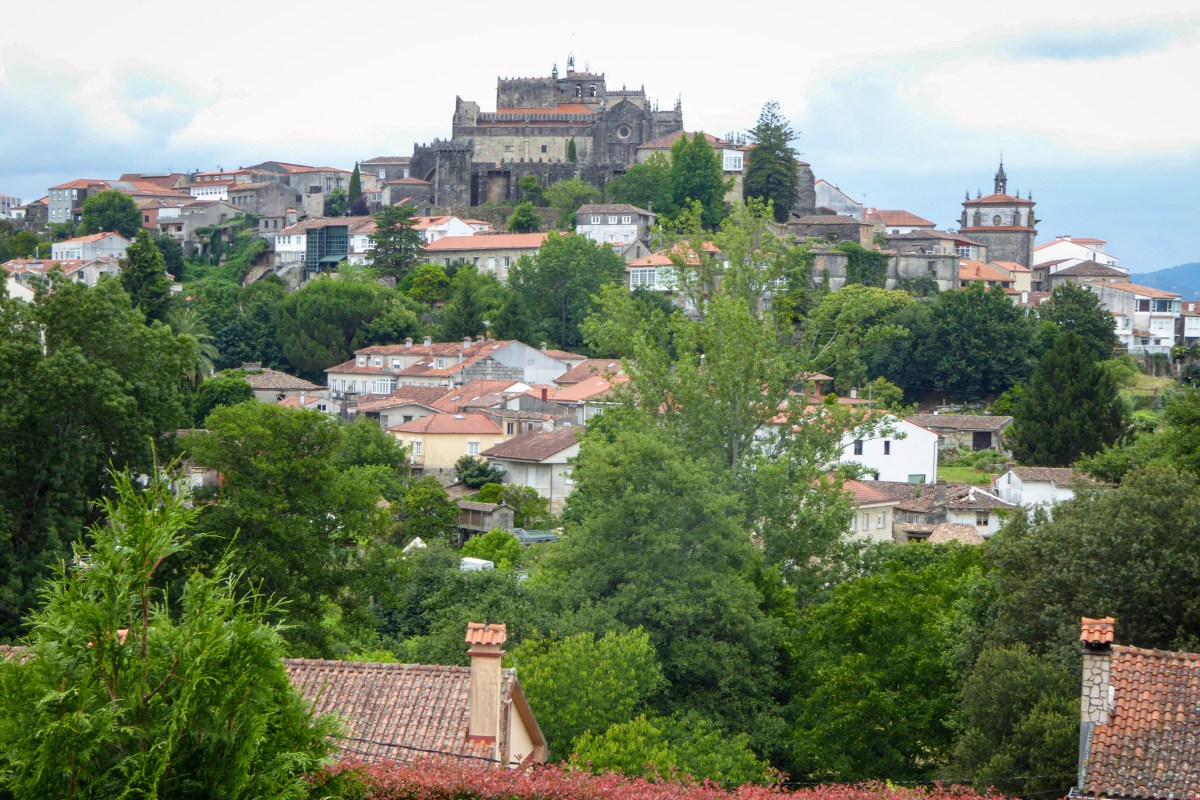
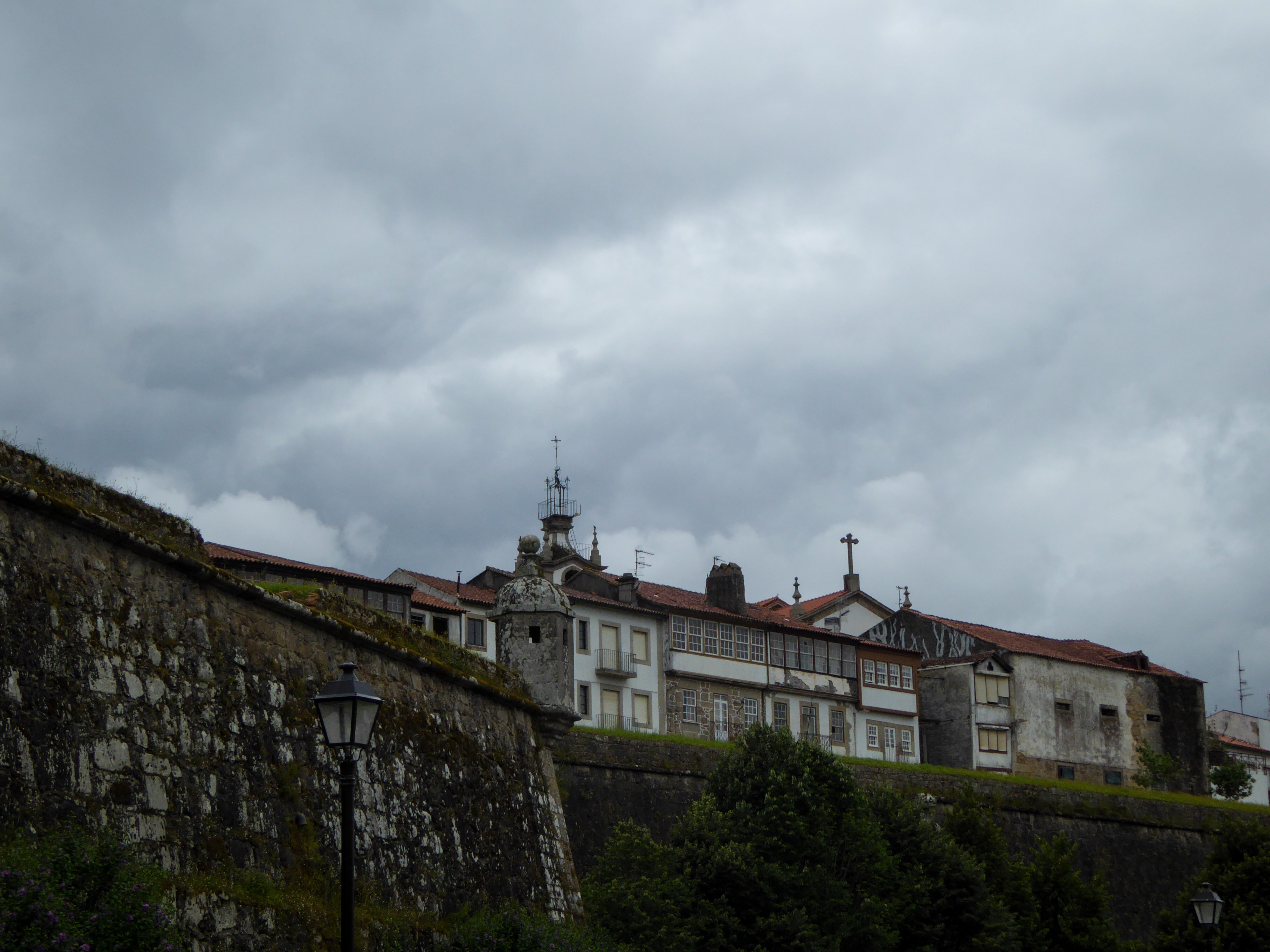
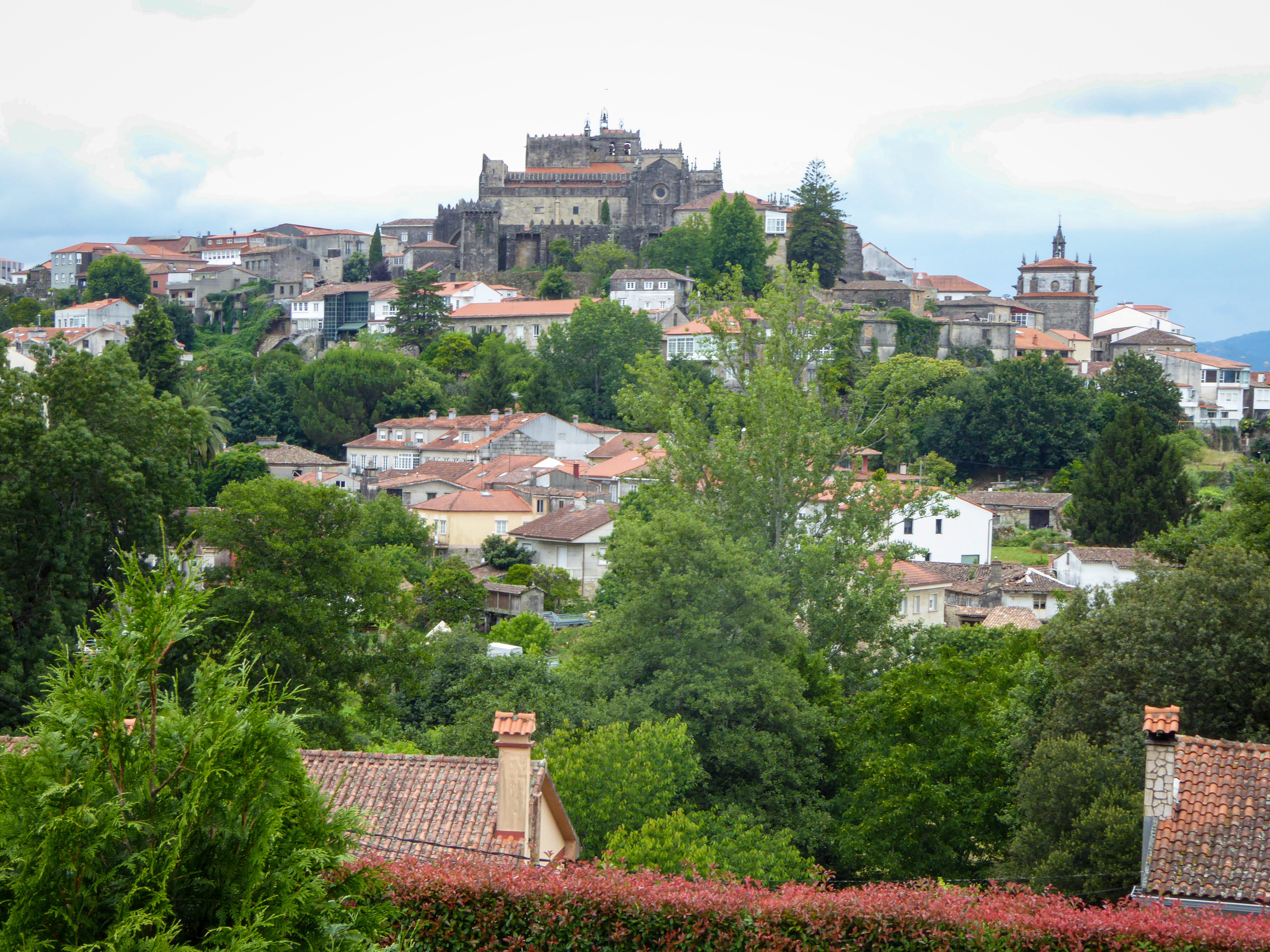
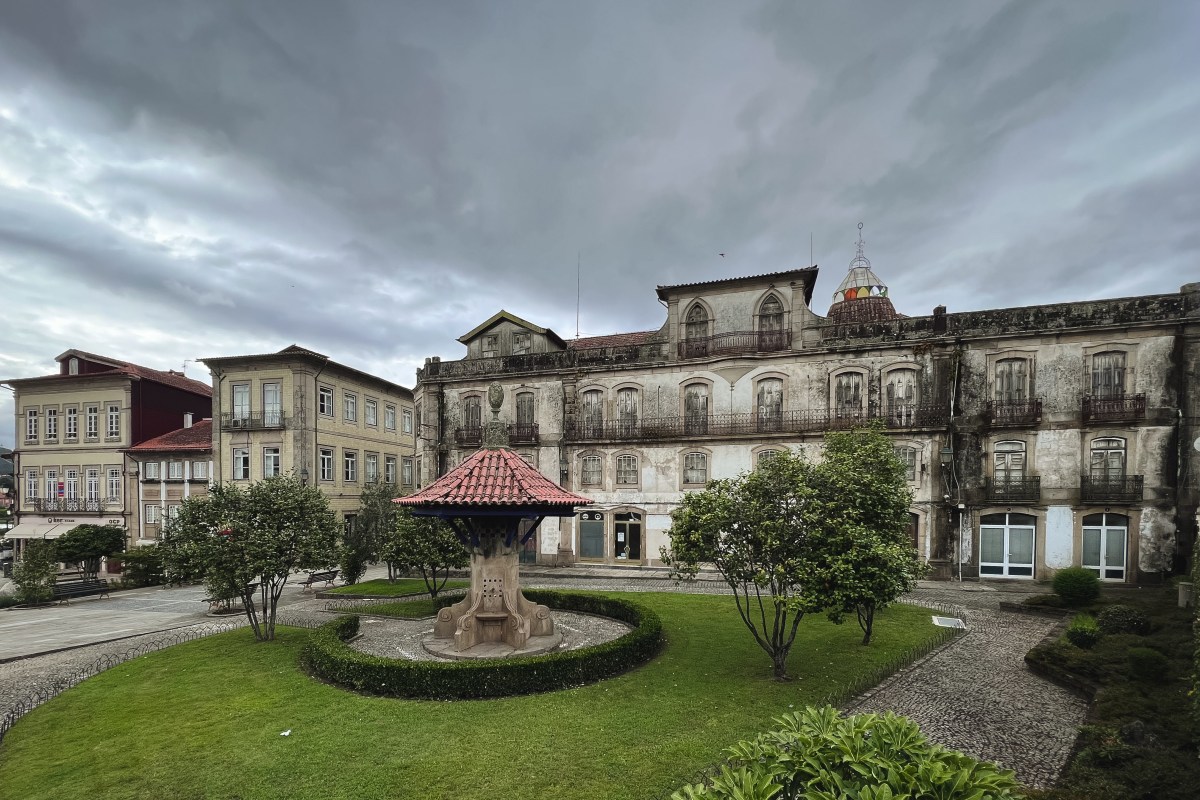
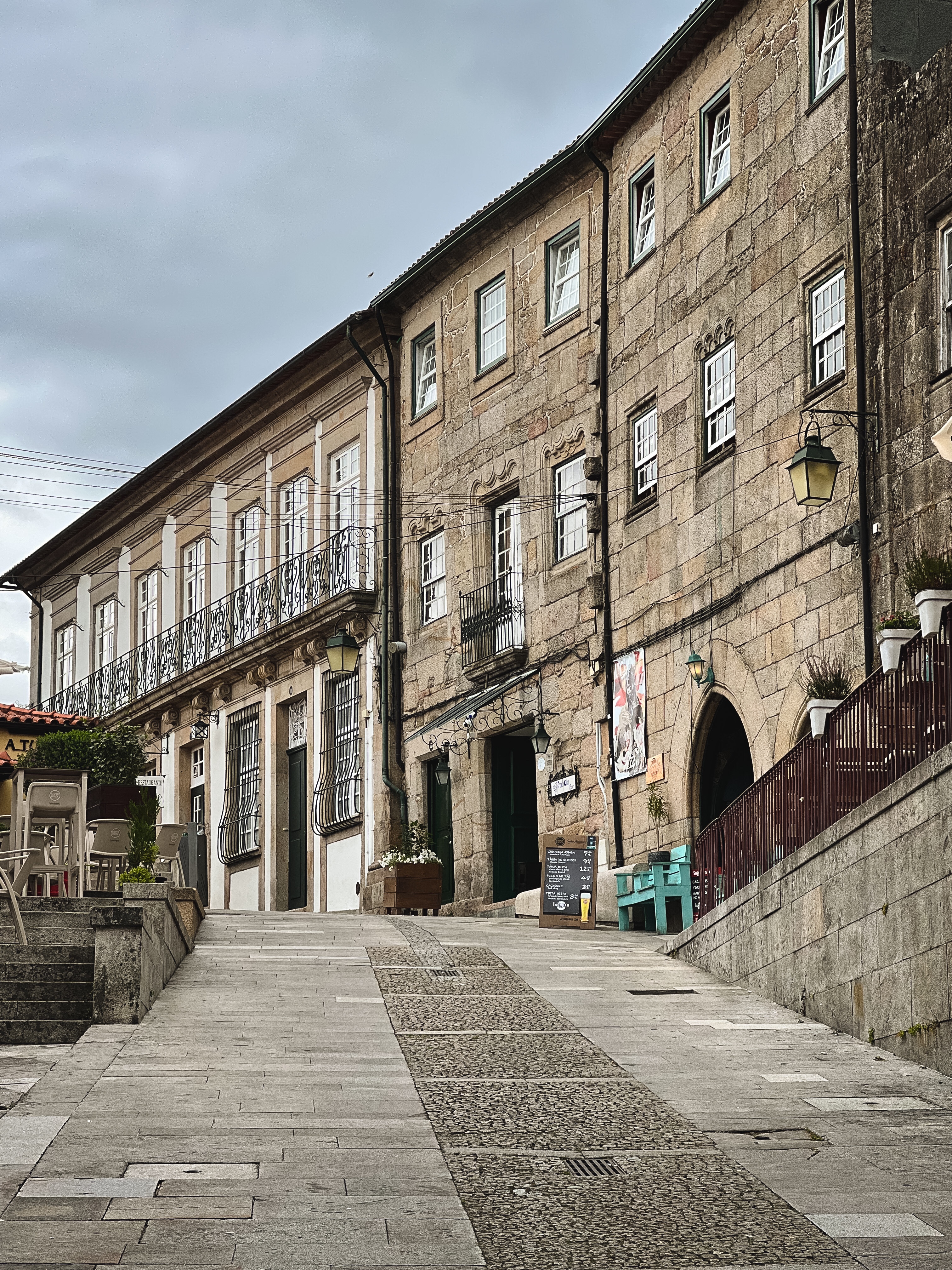
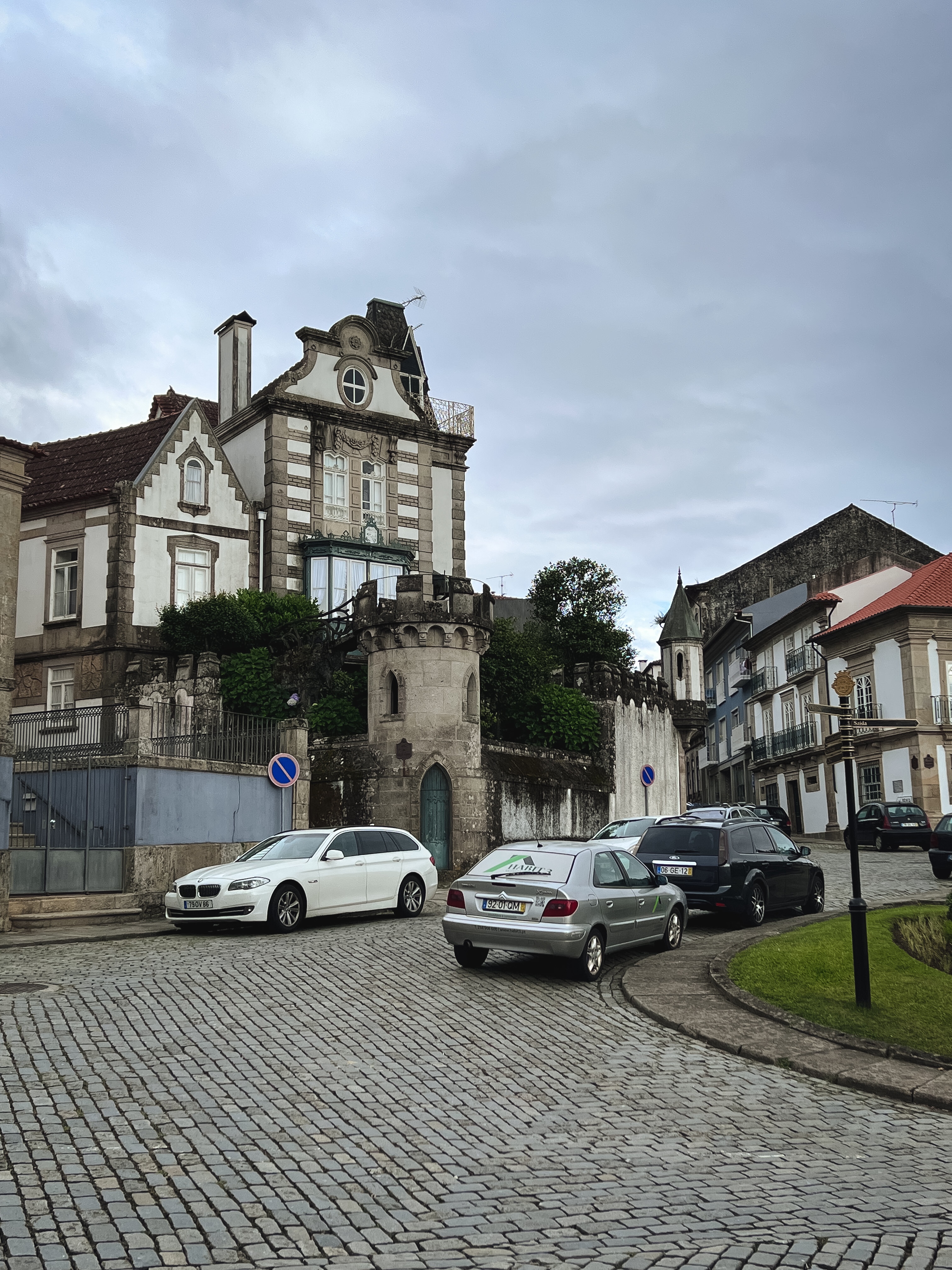
Tui is a well preserved medieval town. There is a cathedral at the center of the citadel and three churches, and convents within a few blocks from each other, that design is very common in old cities around Europe.
Today’s hike was along freeways, rural roads, and sometimes in the forest. Today we said Good Camino and farewell to one of our Camino’s friend she was walking more miles than us today, she is planning to arrive in Santiago on Saturday.
Today was an easy hike, only nine and a half miles, and we crossed the border between Portugal and Spain. We had excellent weather, and I think we spent more time eating the second breakfast and lunch than walking, which is good because at this point, we are tired and with minor injuries in our feet and knees.
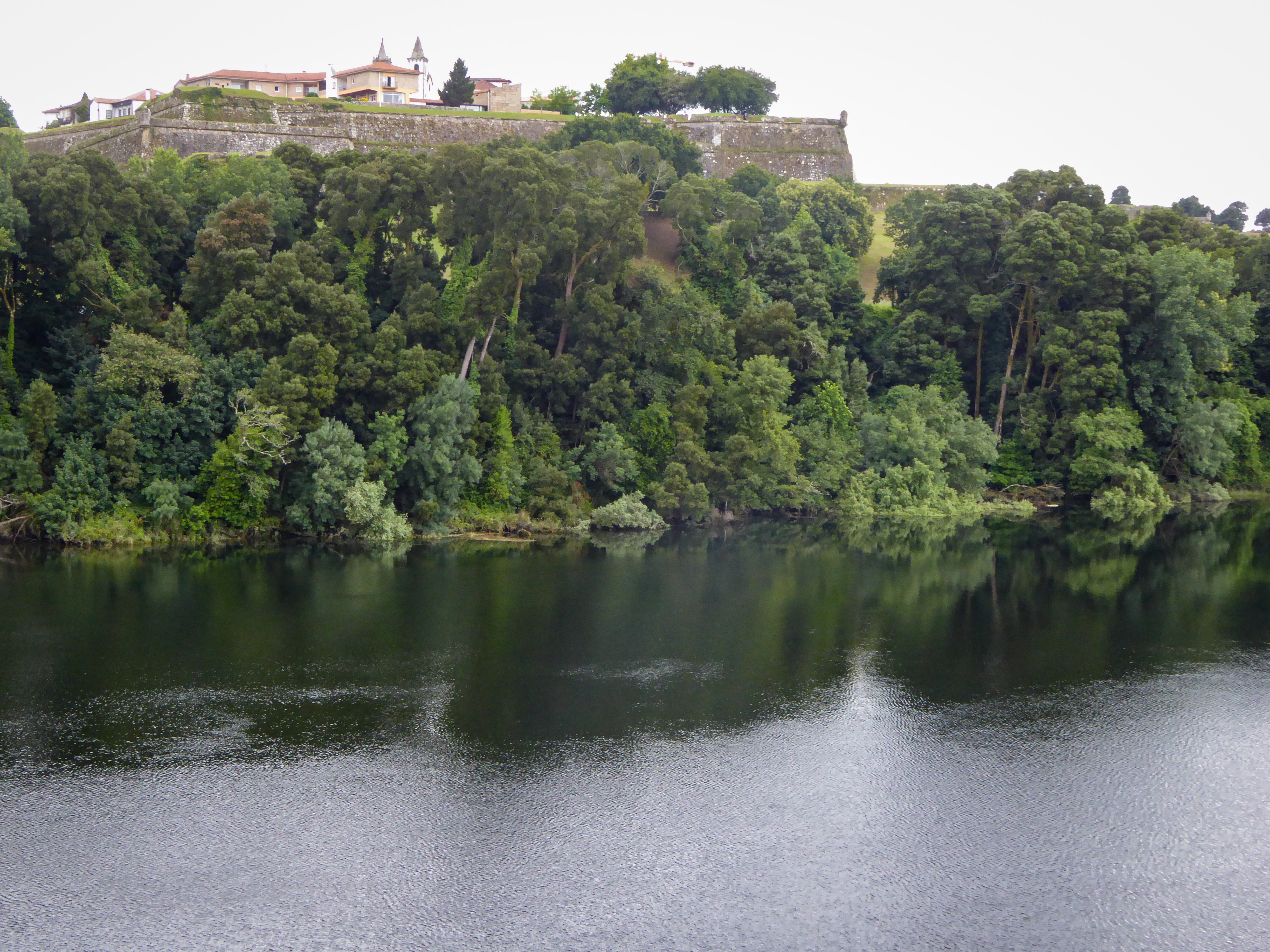
Crossing the border between Spain and Portugal is seamless, the geographical division between both countries is the Rio Minho. Beside the signs that identified each territory is the spoken language change and an hour of time difference.
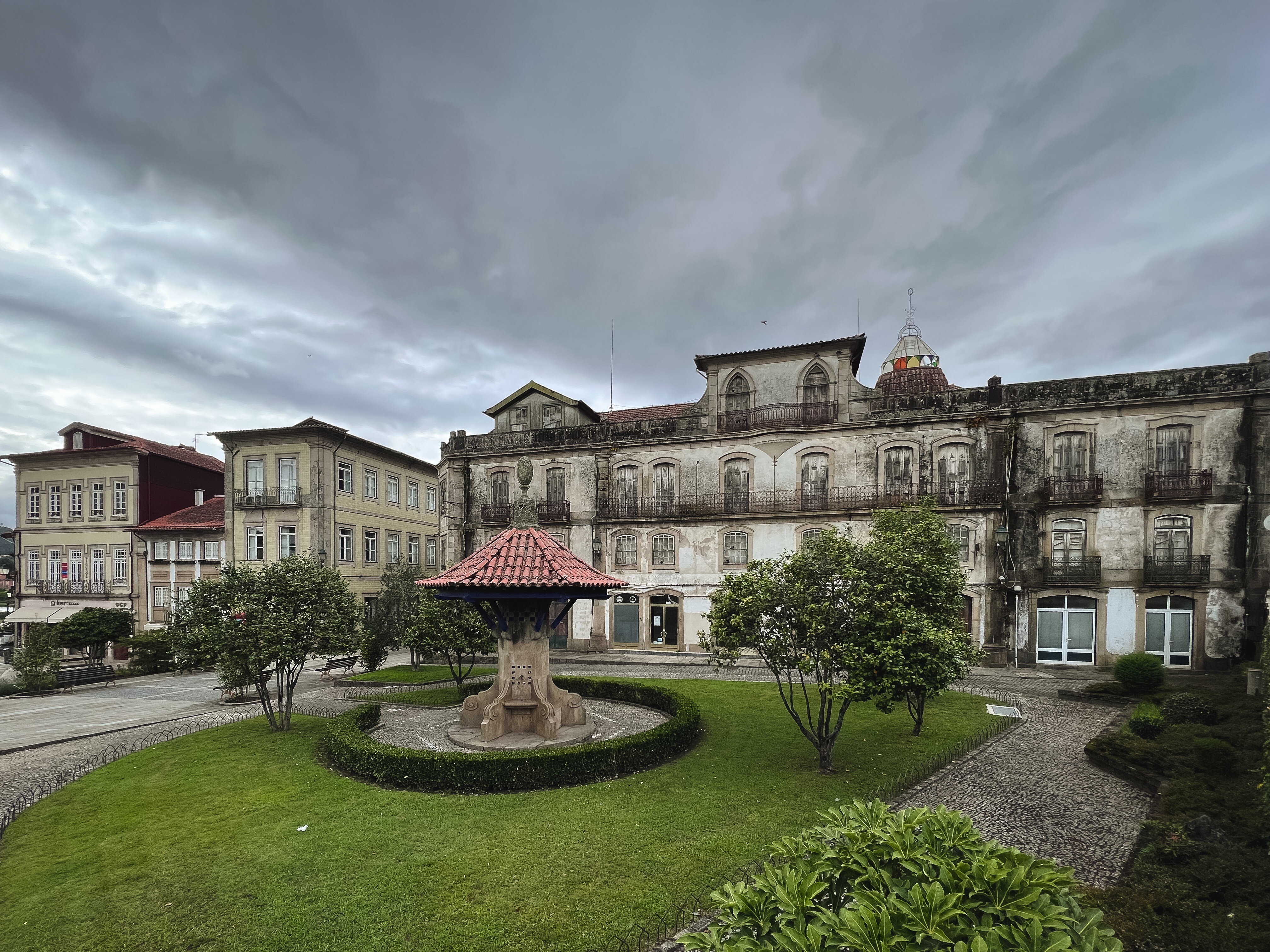
Tui is a beautiful medieval town with citadel and church on a central hill overlooking the river.
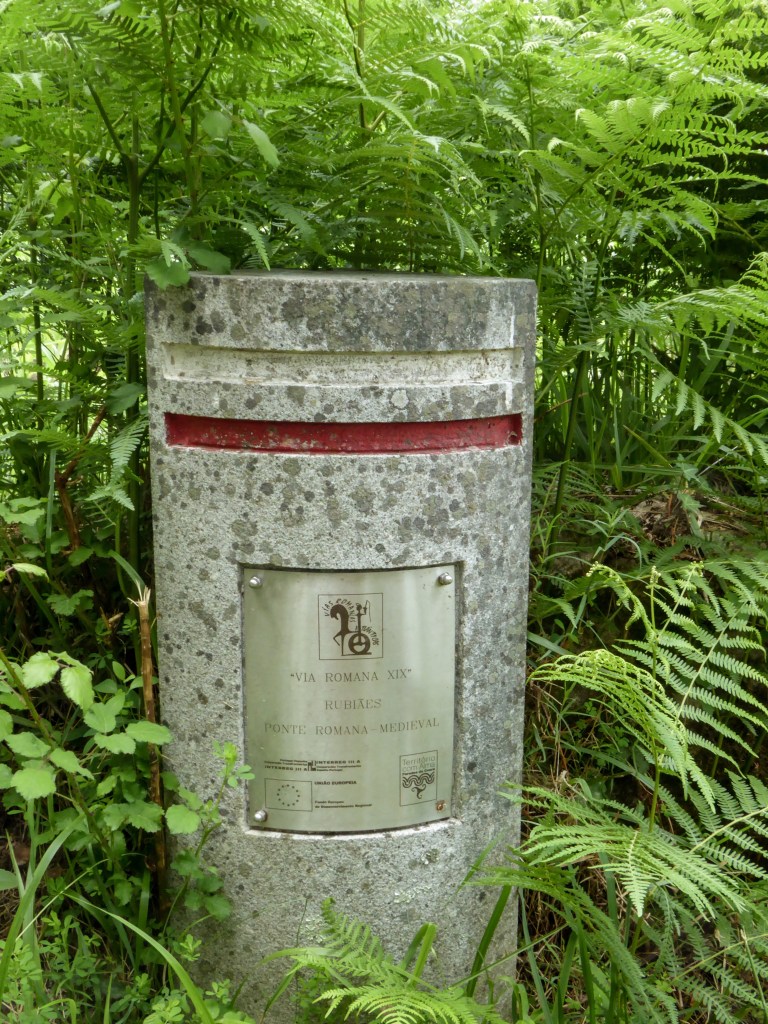
Today we walked through the Via Romana. This ancestral path was builded during the Roman military dominance in the area. Today is used mainly by people walking to Santiago or Fatima.
Today is our sixth day walking, and we already recognize who is who in El Camino. We don’t know their names, only their countries of origin, and when we refer to or ask about them to other pilgrims, we refer about them by the nationalities, color, or size of the backpack they are carrying. It is the way we talk around here.
Today we walked in the rain. It was a warm rain and them humid, like in the tropics.
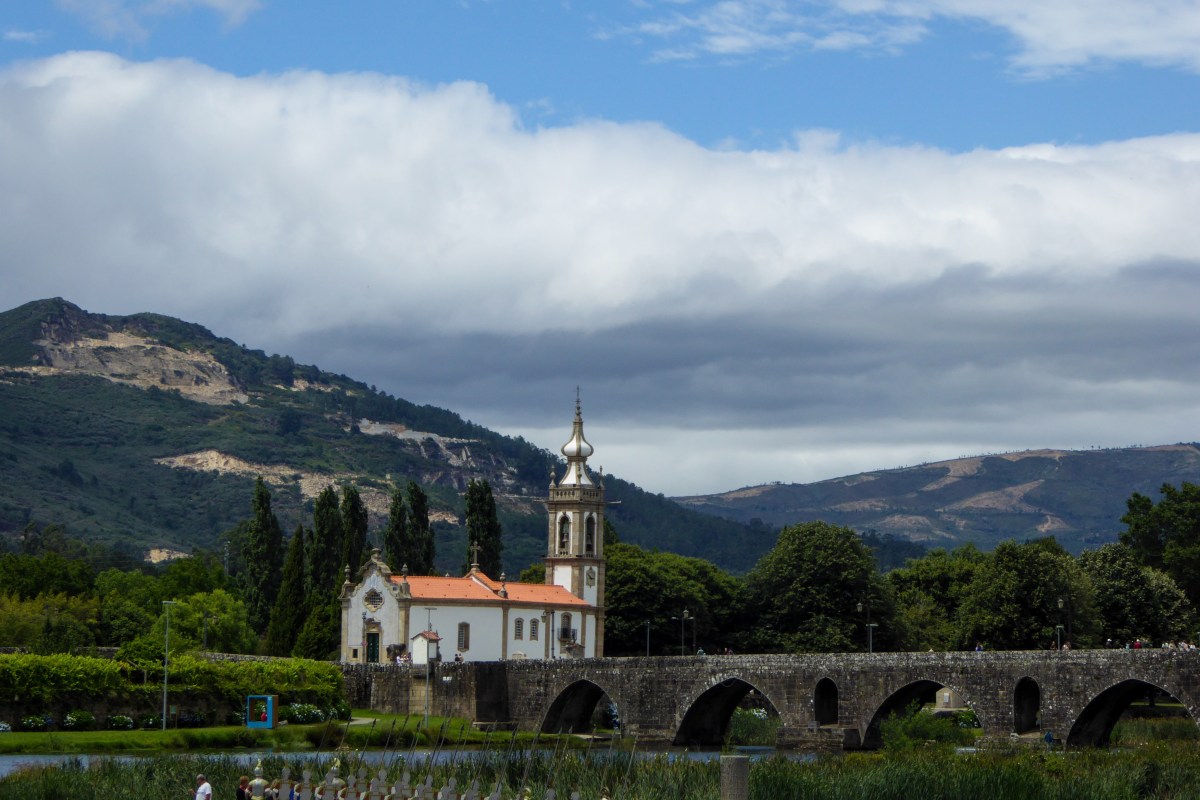
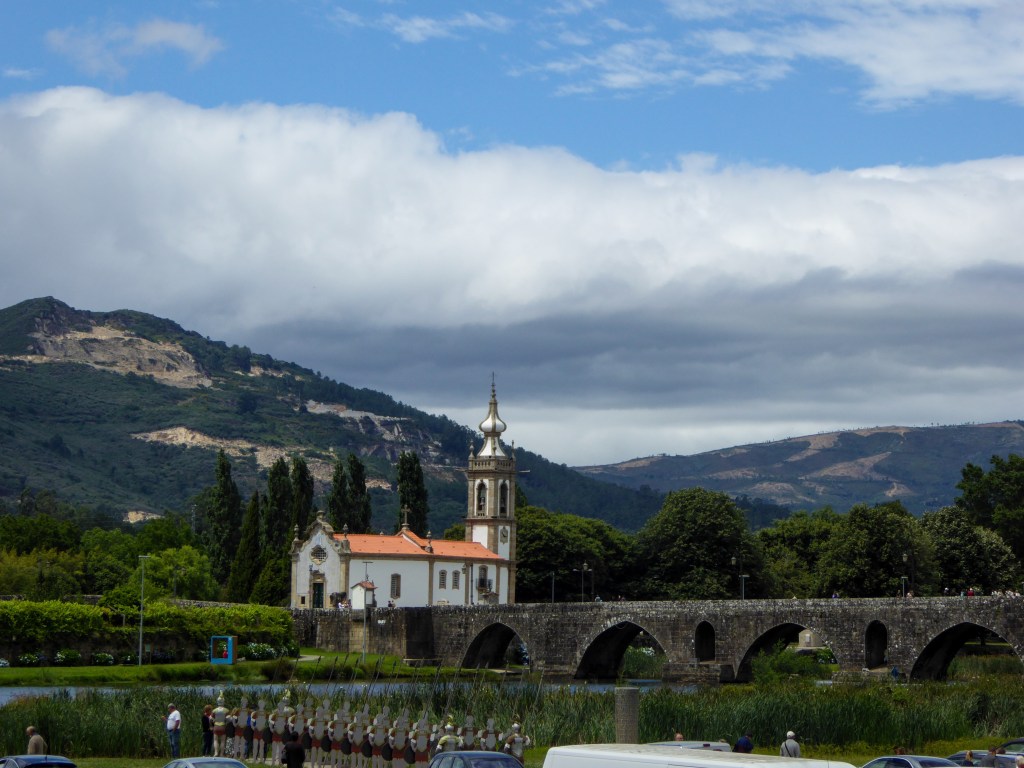
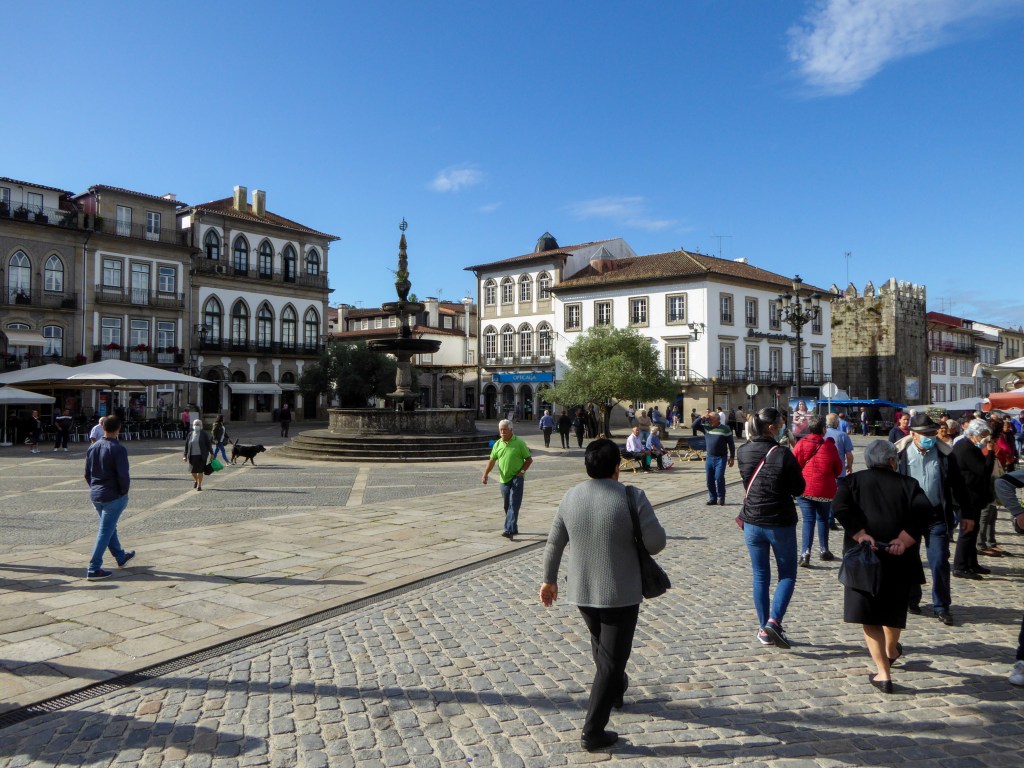
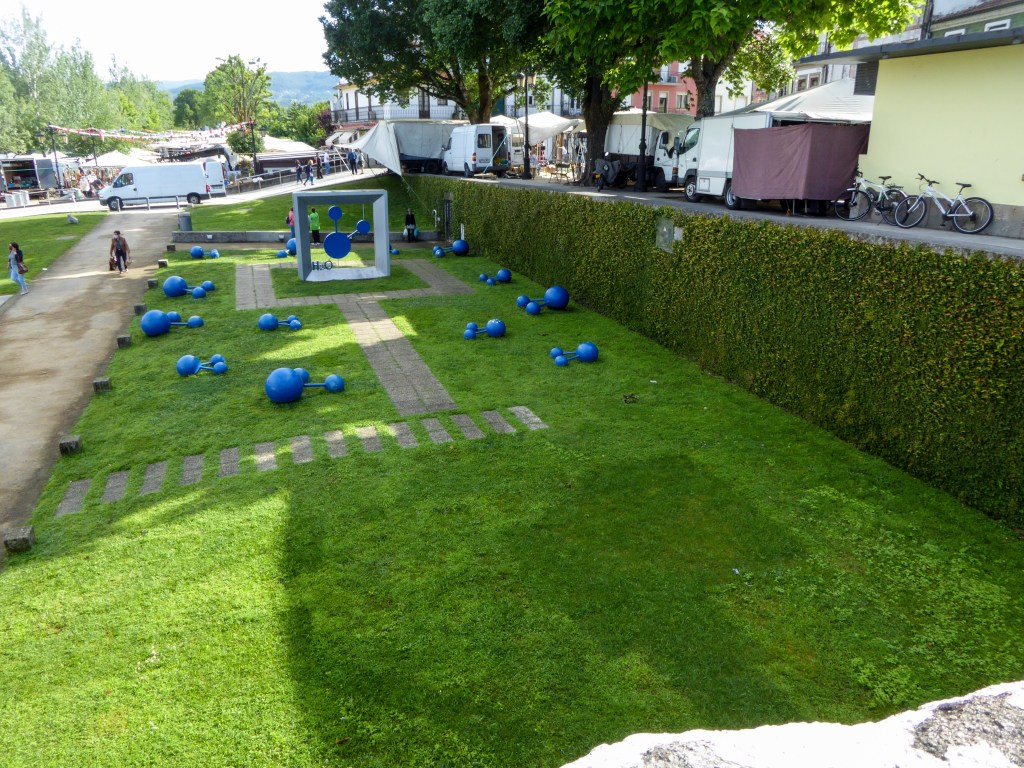
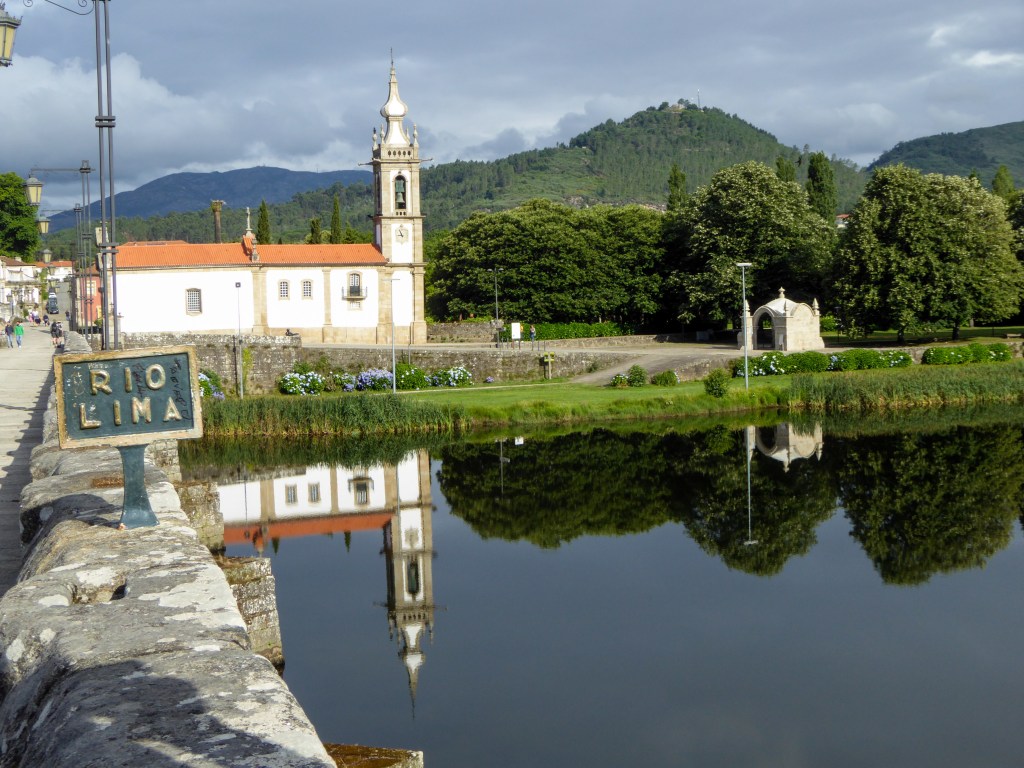
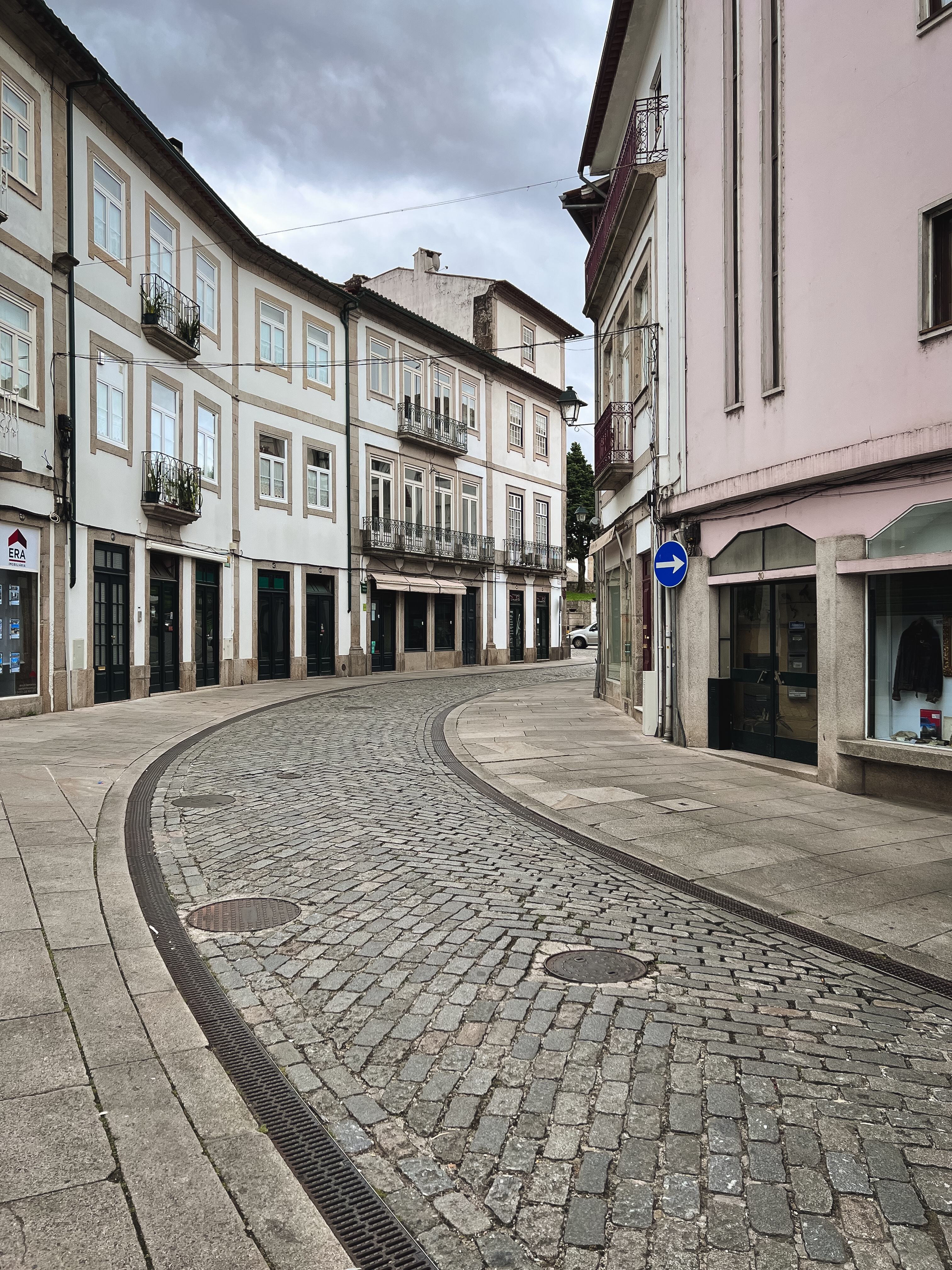
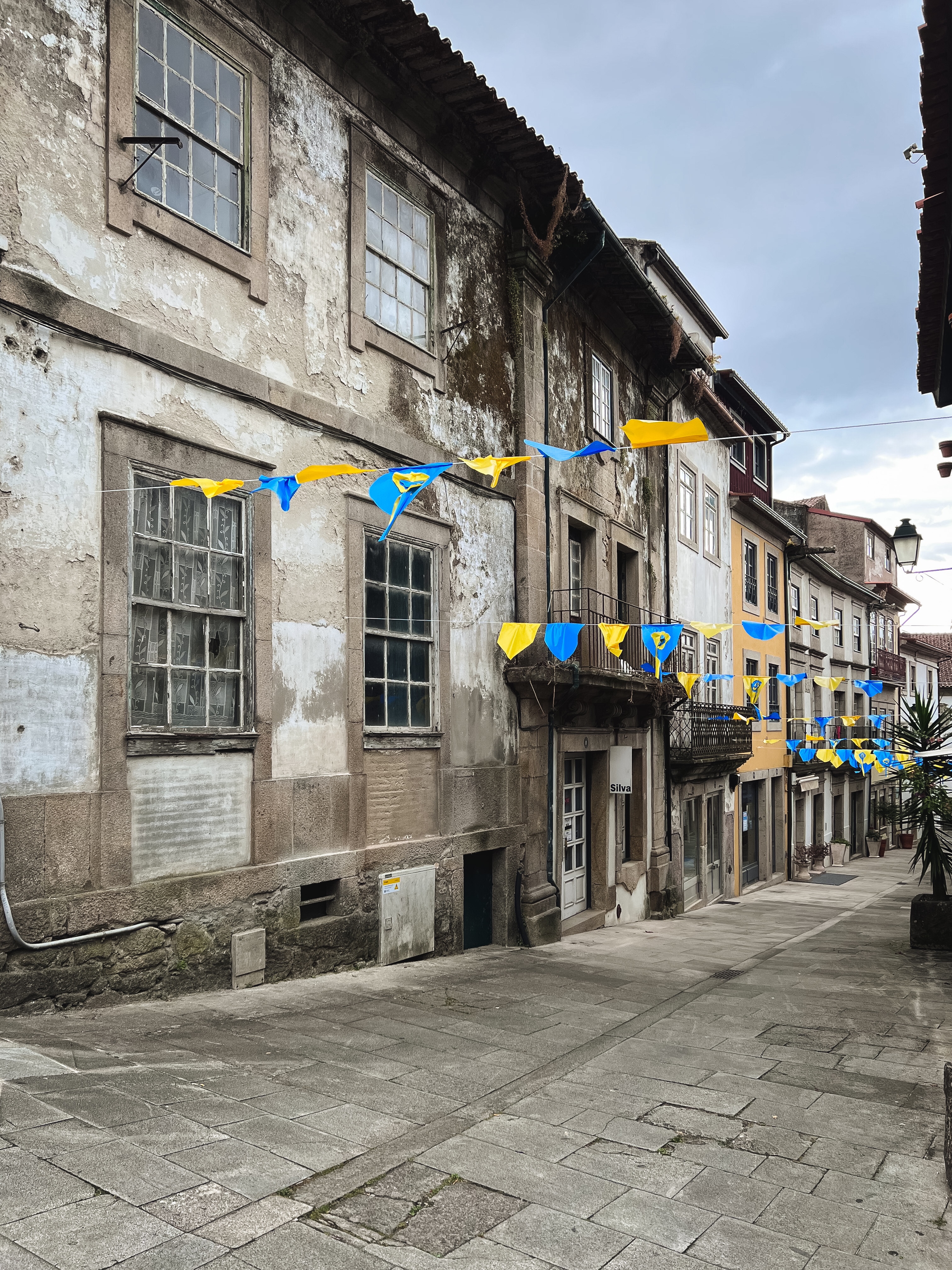
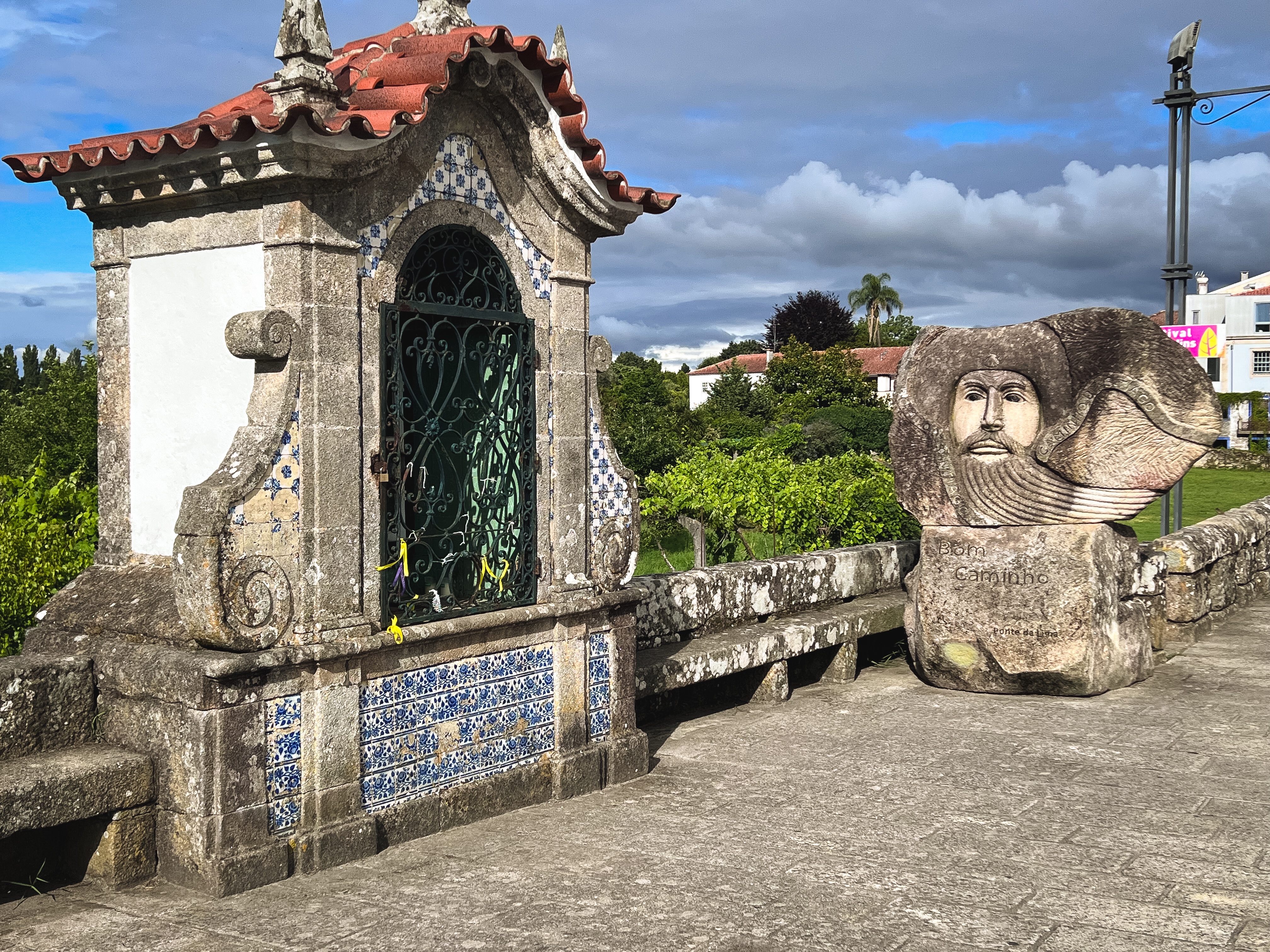
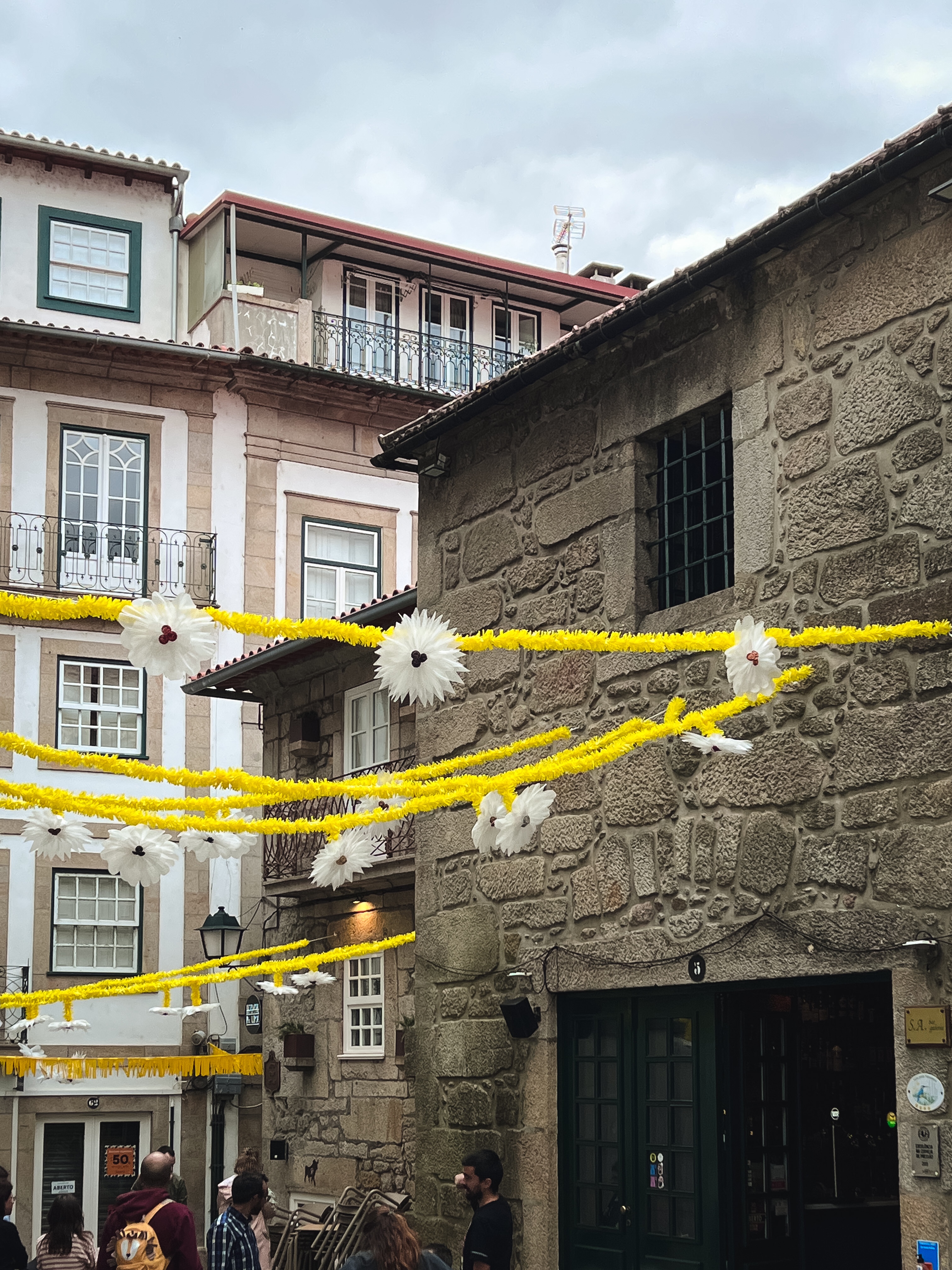
We arrived at Ponte de Lima, a city founded during the Roman times. There was a market at the entrance of the city and a festival. The city is well preserved and has beautiful architecture.
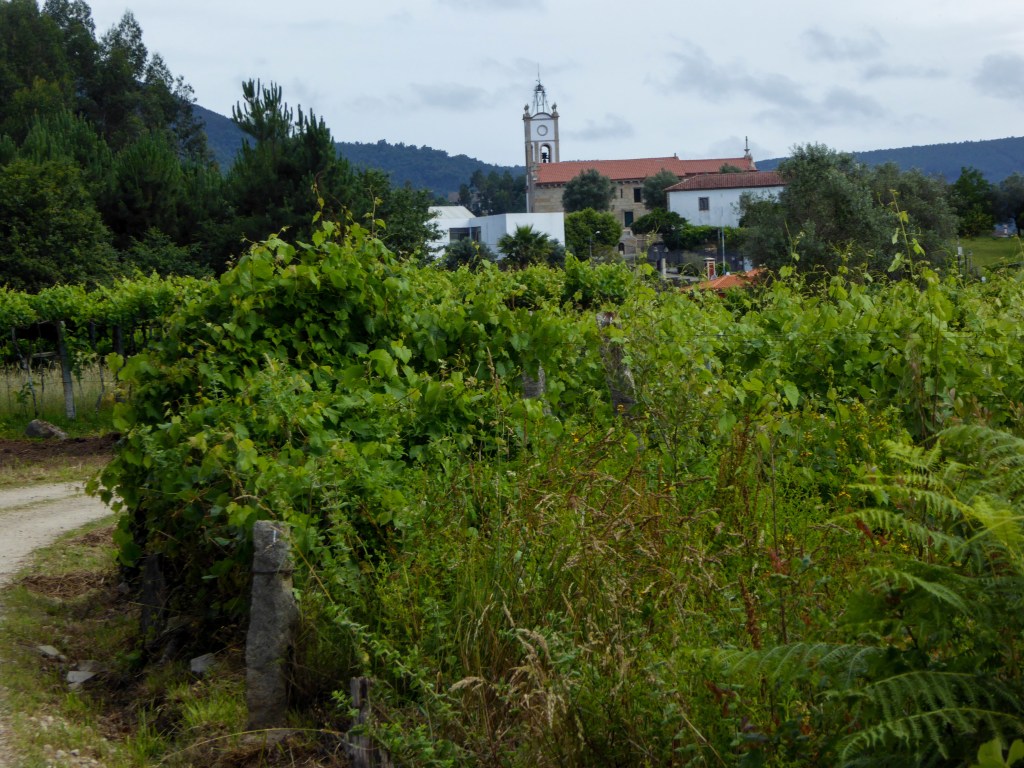
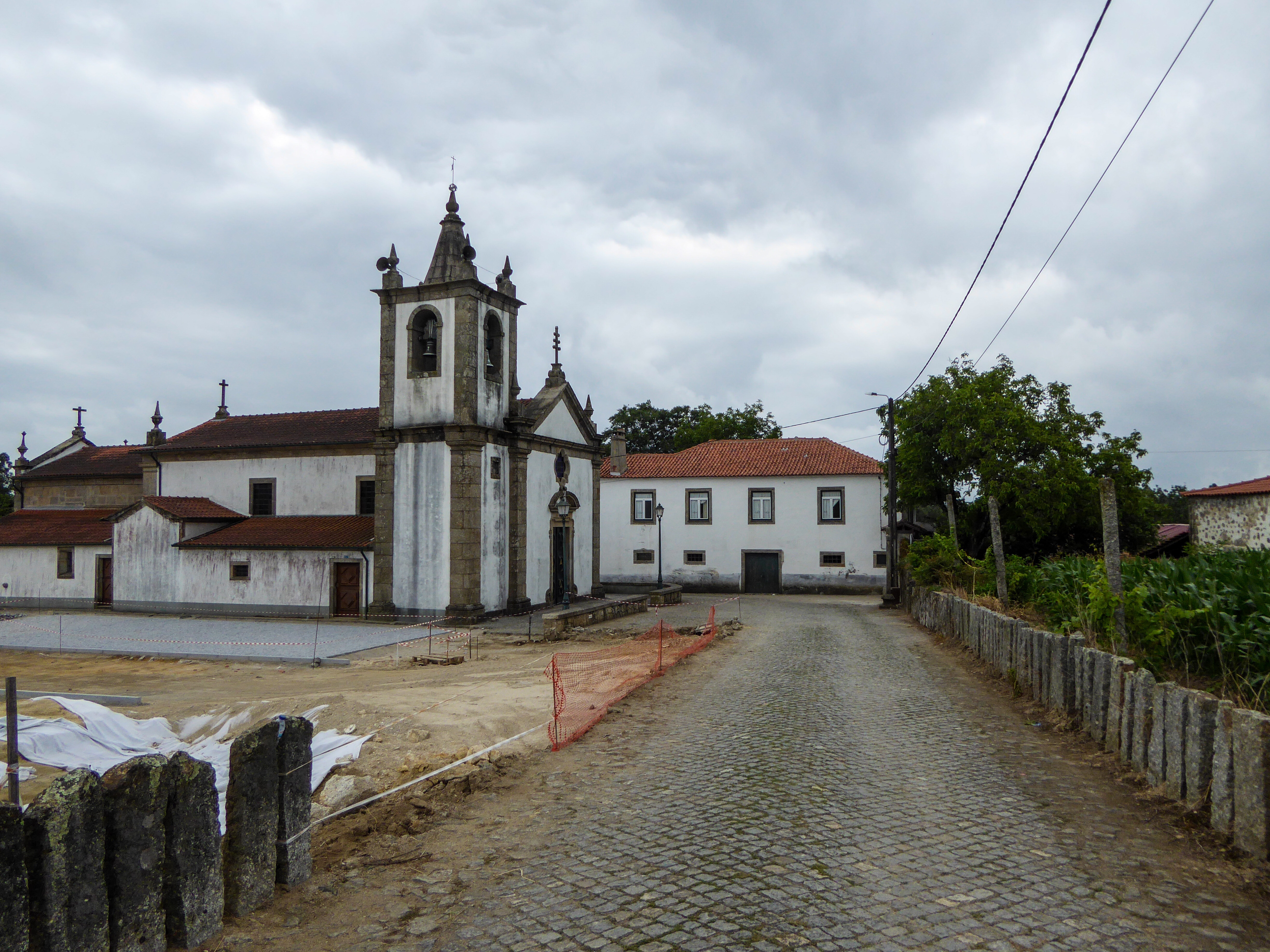
We had a short walk today; it was about 10 miles/ 16 Kms. We walked through small villages, and most of them were getting ready to celebrate their saint’s day. This weekend there was loud music and fireworks during the day and night. The weather has been overcast with frequent showers and mild temperatures.
This morning we split into two groups because we decided to take the central path to Santiago and not continue along the coast. Jeremy walked the eight miles across the city of Vila do Conde, and the girls and I took a taxi to the edge of the town to continue on el Camino Central. Jeremy walked 18 miles and we did 11.5 miles.
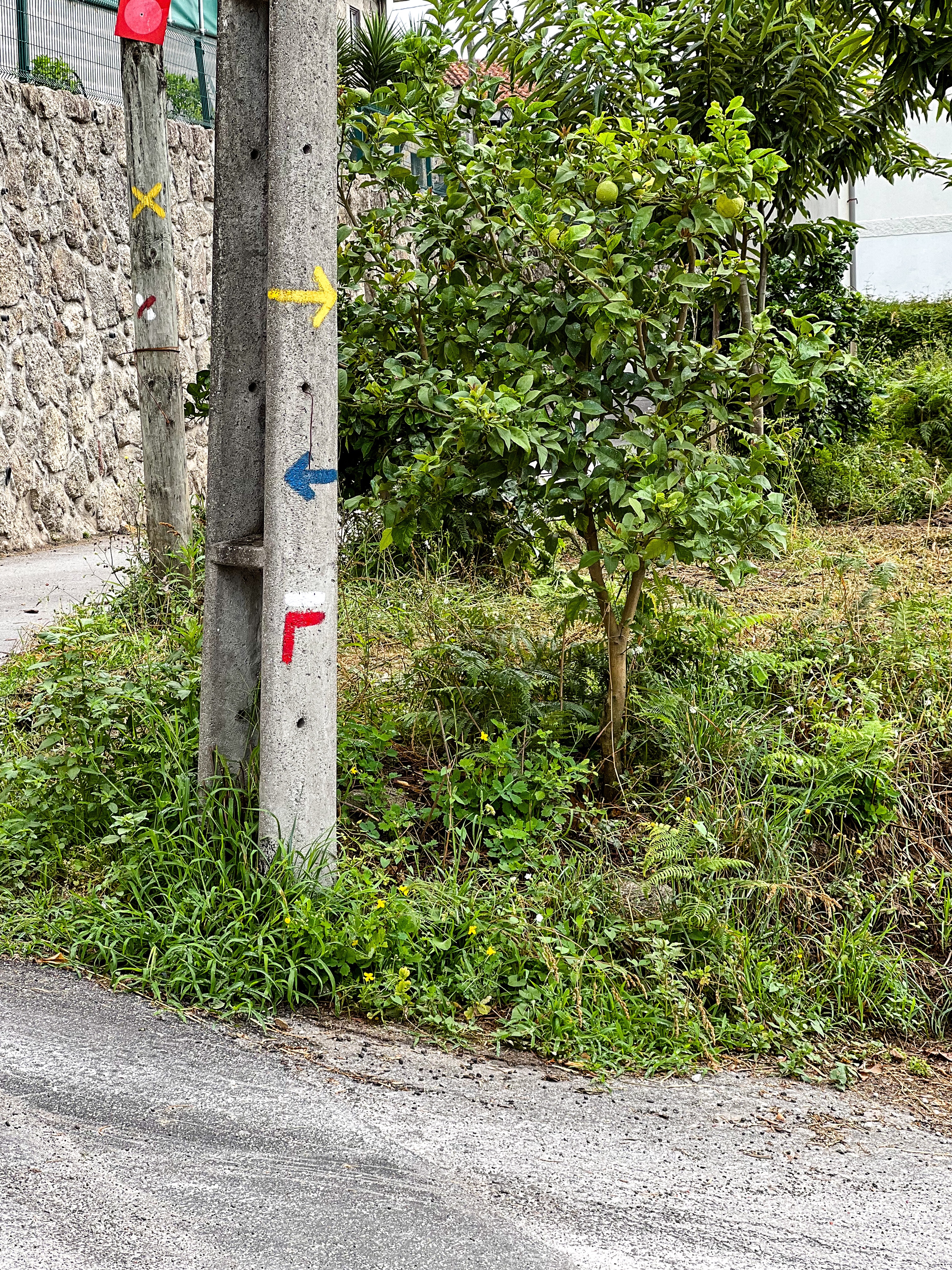
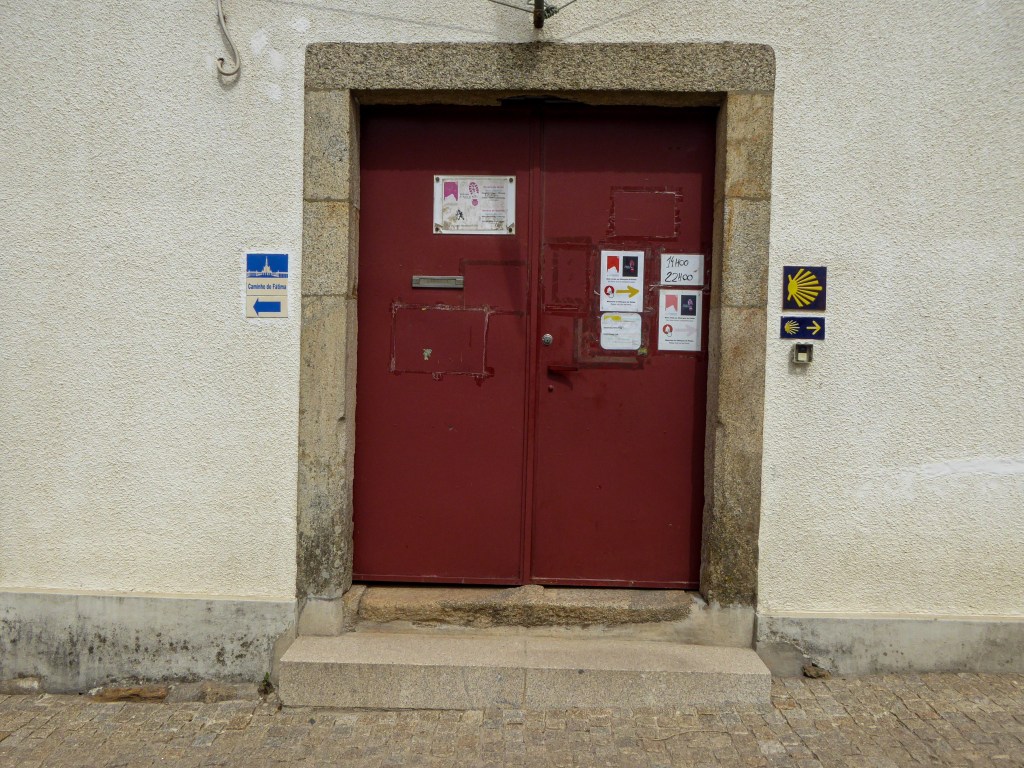
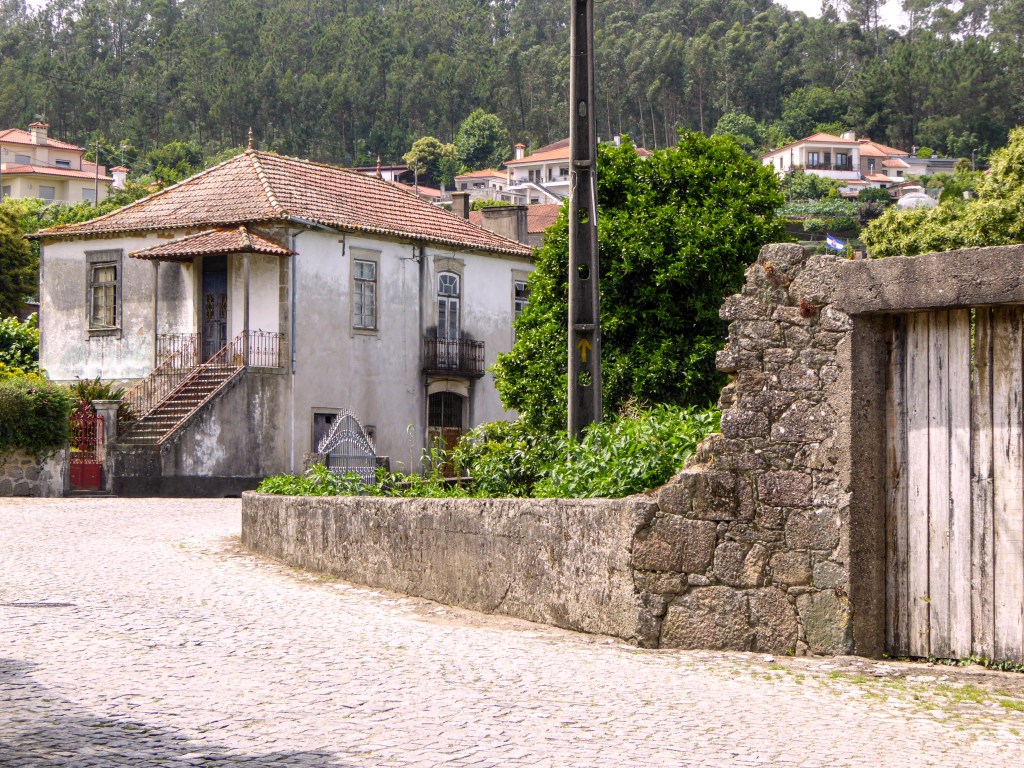
Along the way, we saw blue arrows that indicate the way to El Santuario de Fatima. Some people combined both pilgrimages and walk to Santiago De Compostela and Santuario De Fatima.
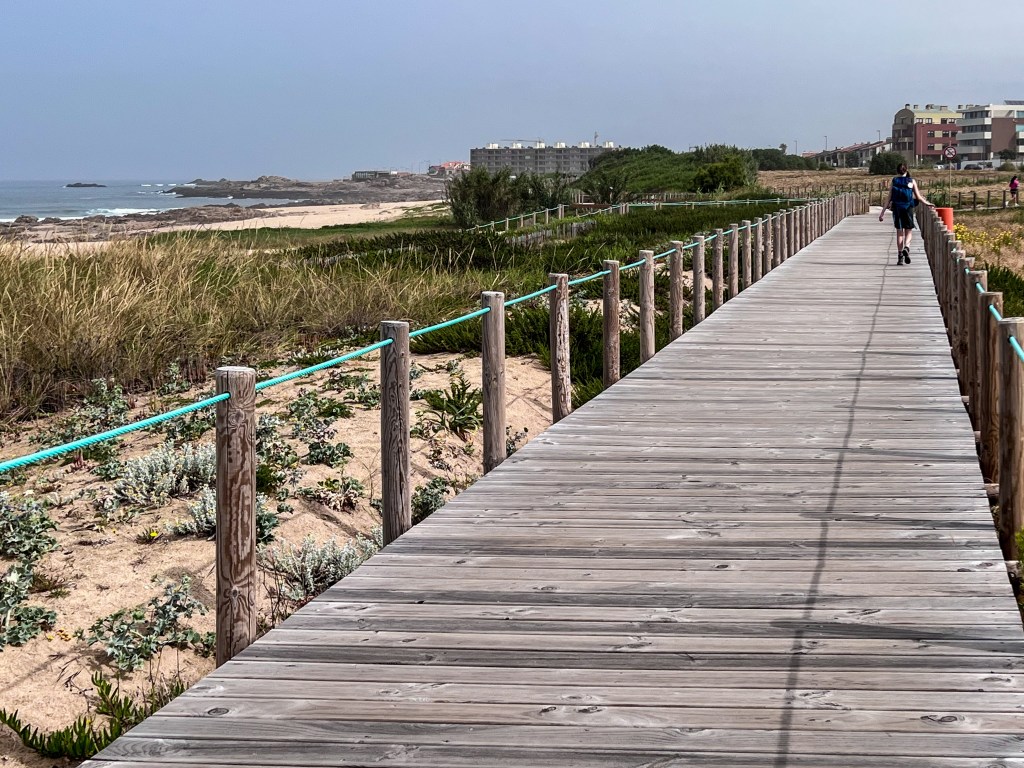
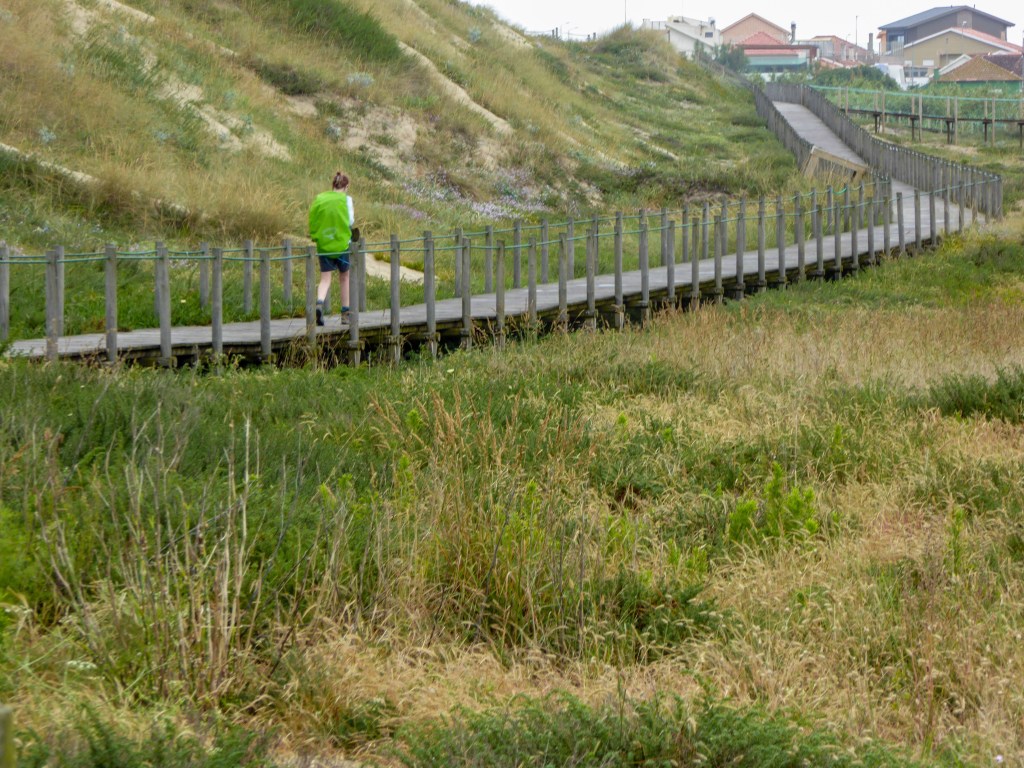
Today we walked 24 Km/ 14.5 miles along the coast. Most of the trail was on a wooden boardwalk. We passed several restaurantes that looked so alike that after kilometer 10 it felt like a Deja Vu. We wondered in some point if we were walking in circles.
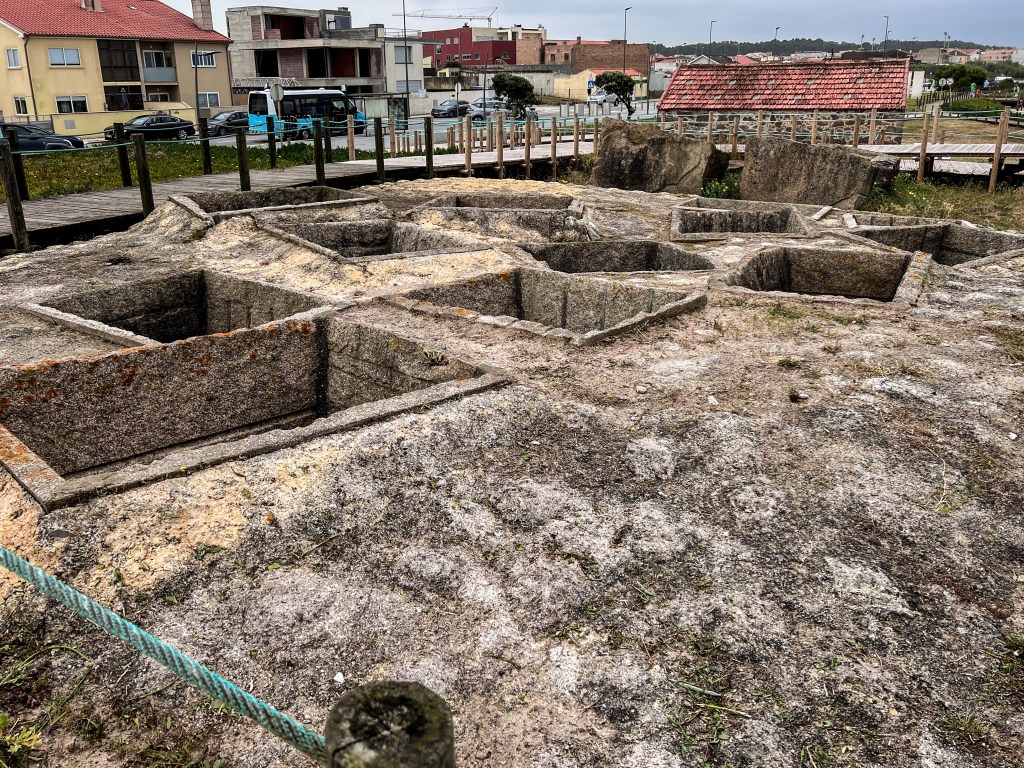
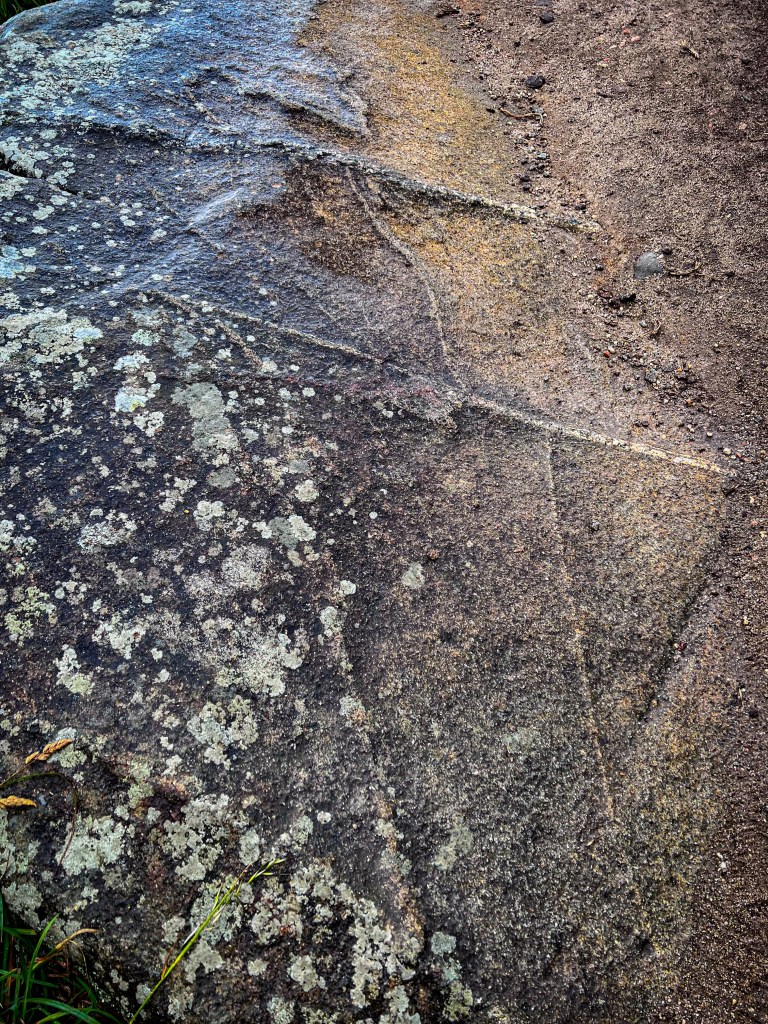
Today we passed a site with archaeological ruins from the Iron Age, also saw a Nordic engraving in an area that once upon a time was a Viking camp, and saw Roman Tanks for fish salting.
Today was an easy hike, about 12 Km/ 7 miles. The weather was overcast and there was a warm breeze from the ocean. We saw a few pilgrims on the way, as we passed them or we were passed the unofficial greeting was said, ¡Buen Camino!. A polite pilgrim always greets in Spanish to a fellow pilgrim.
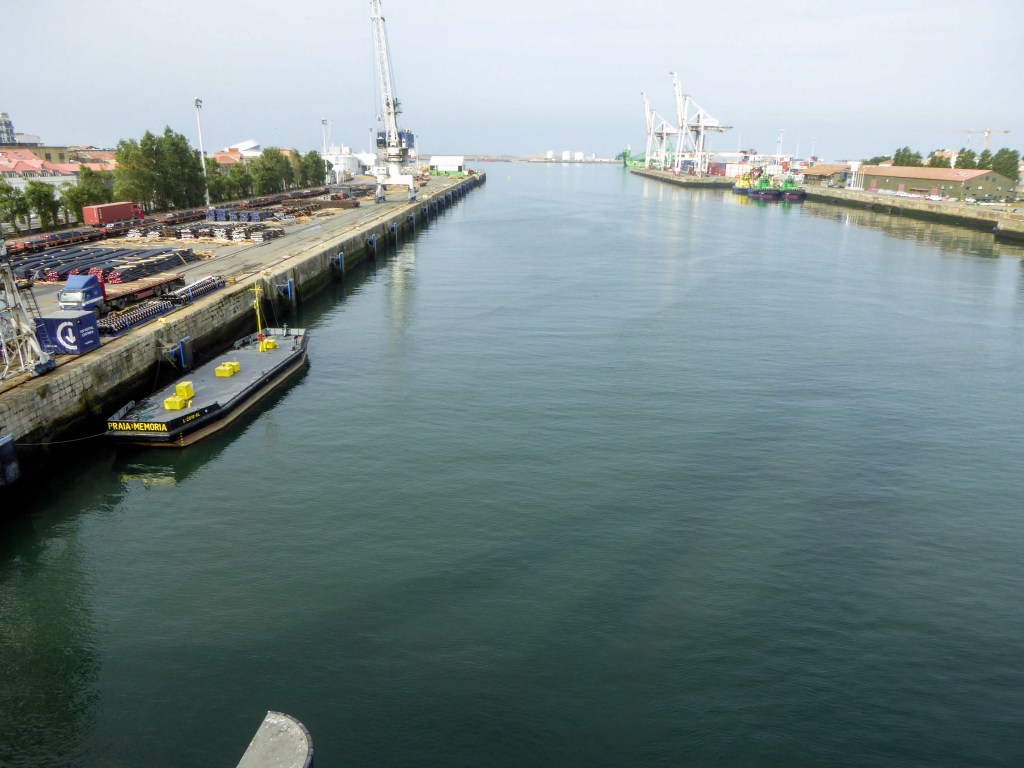
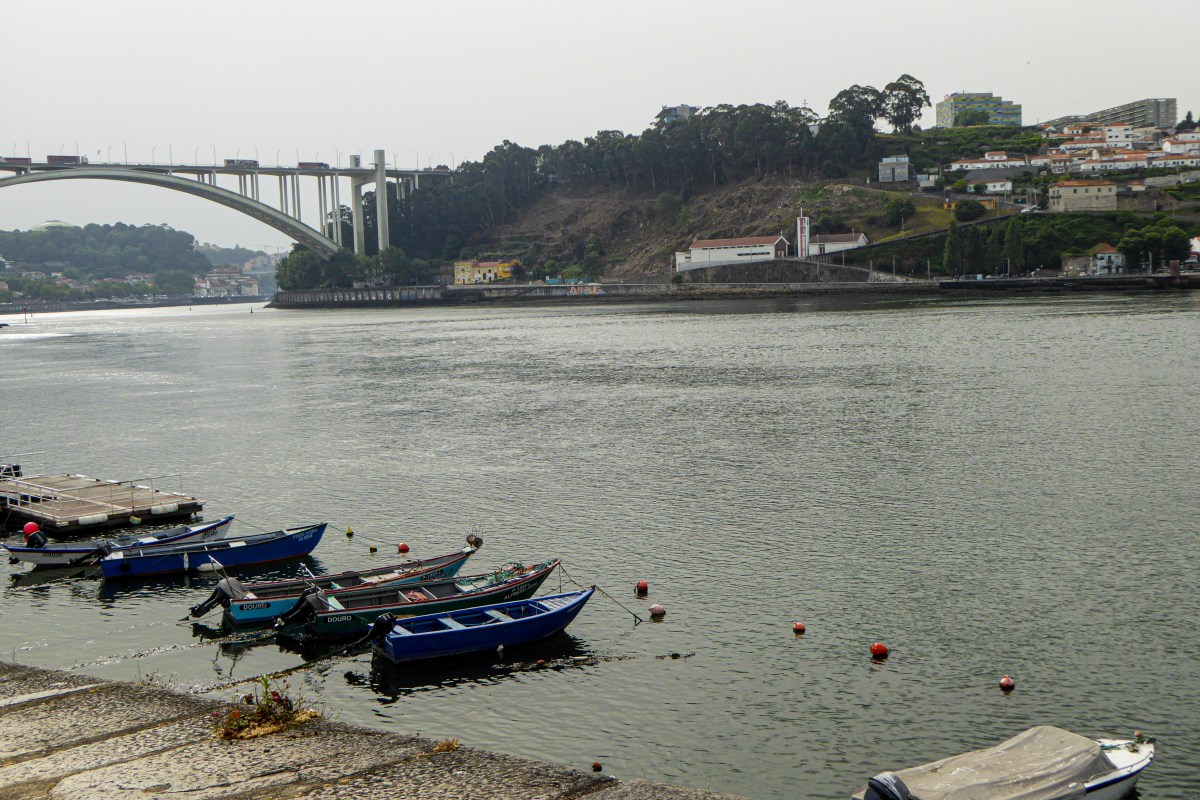
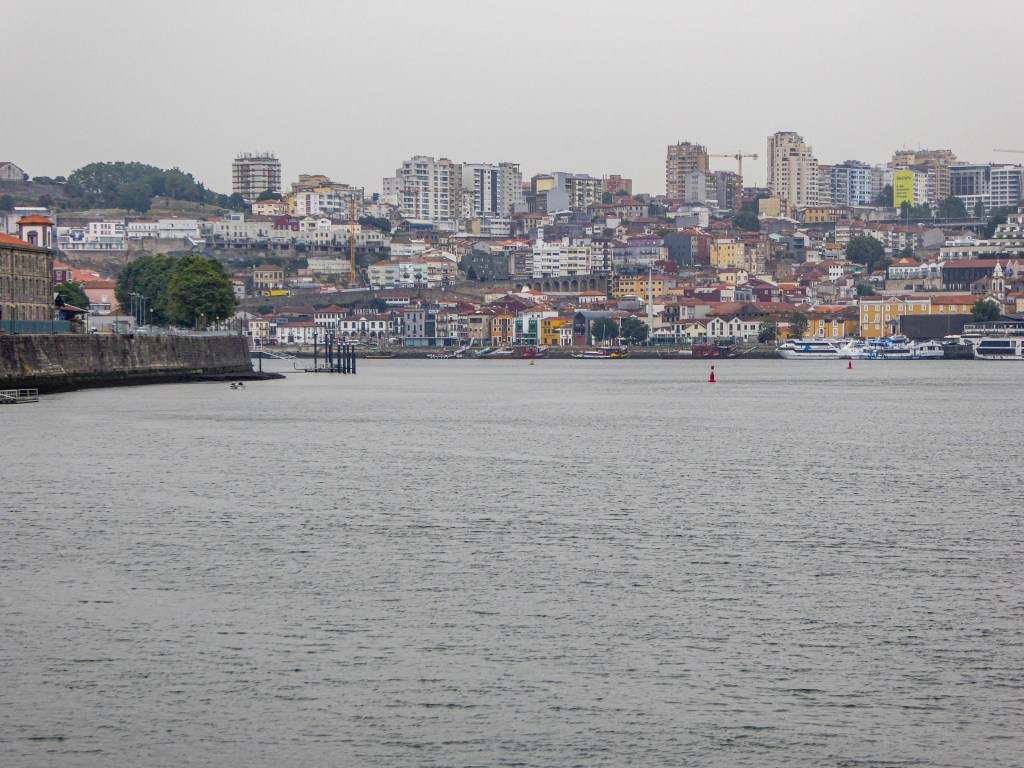
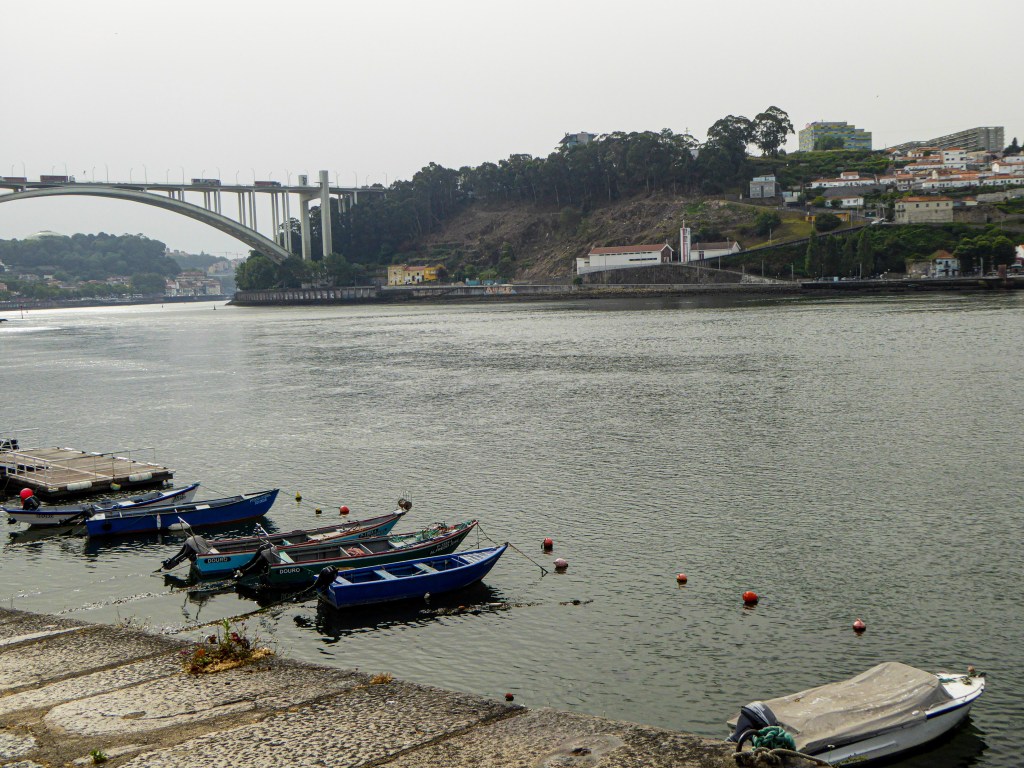
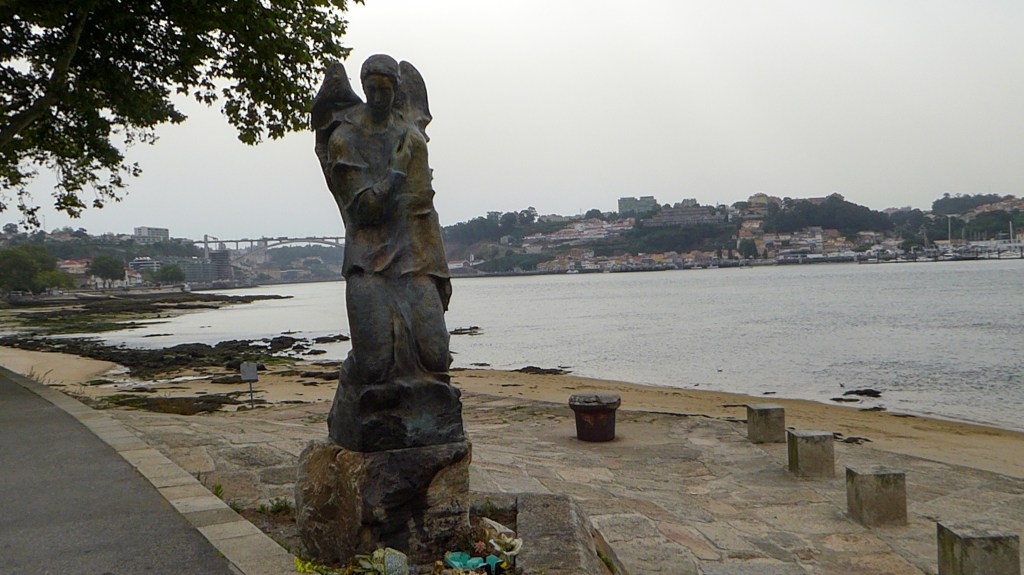
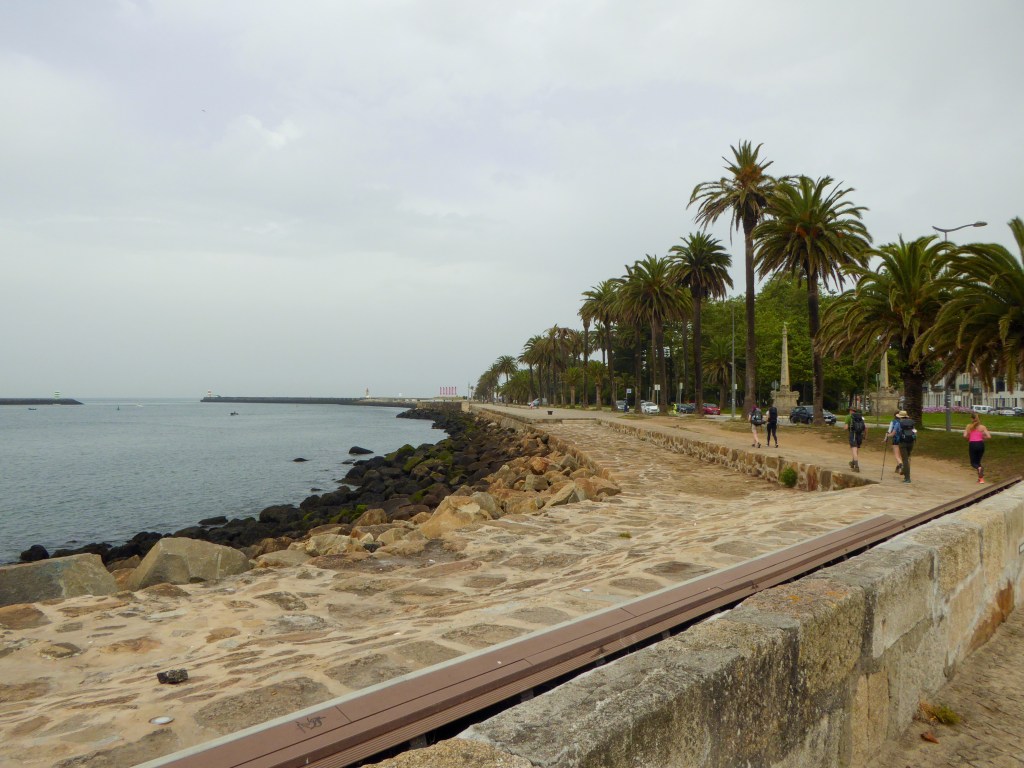
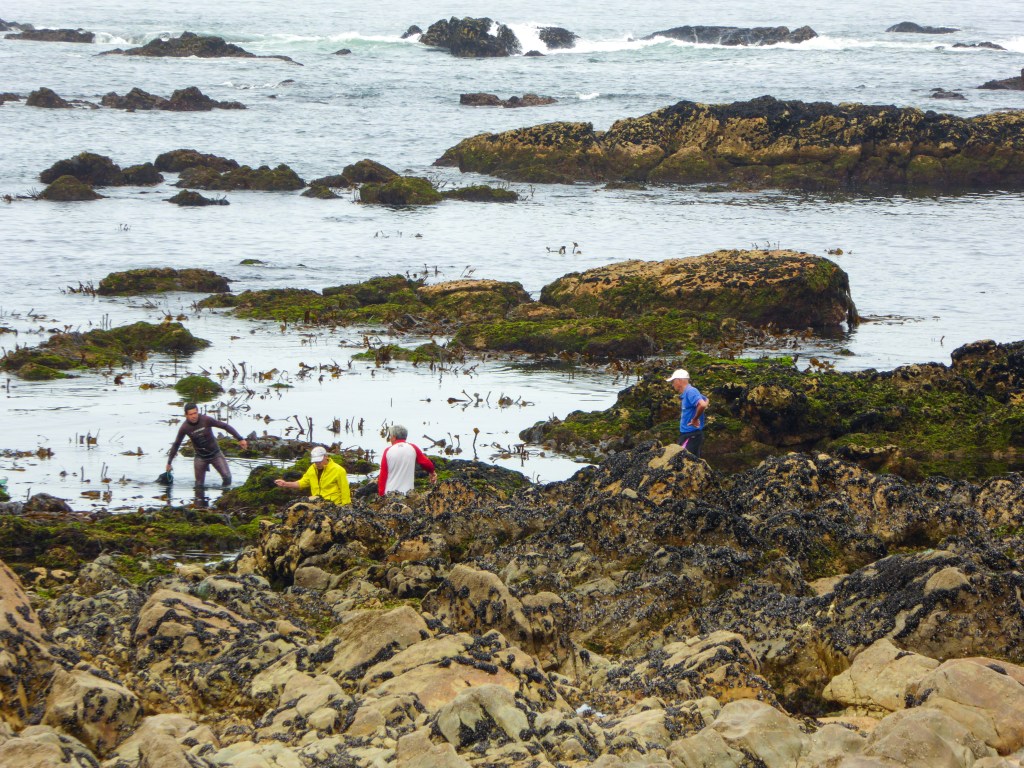
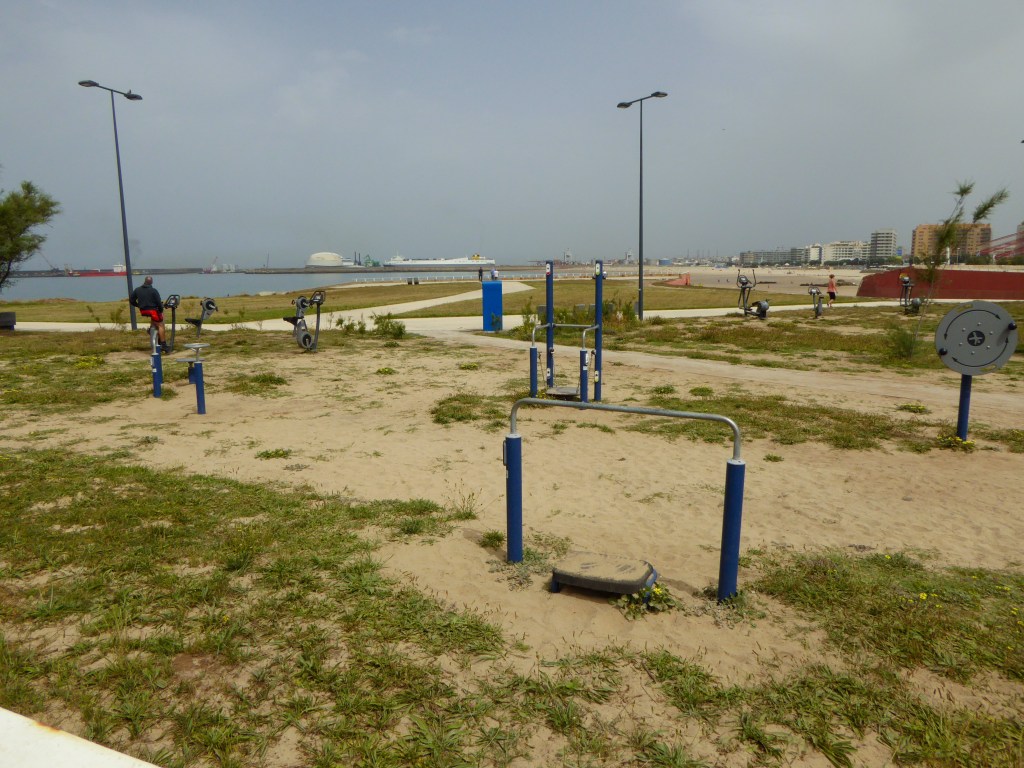
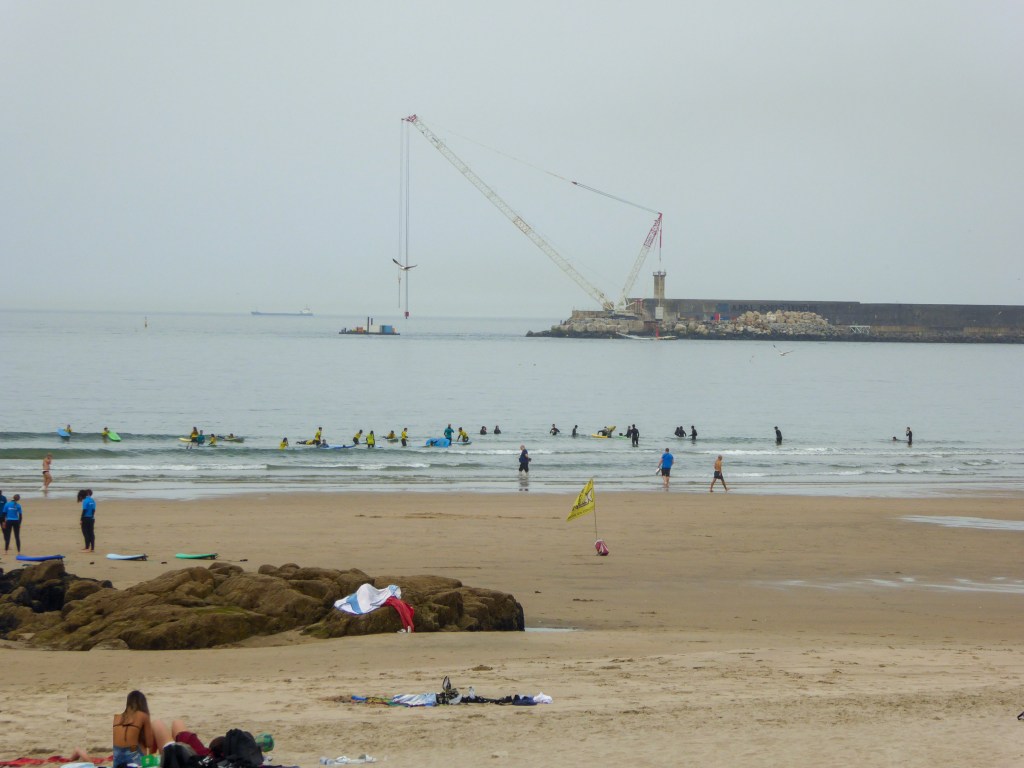
Our walk today was alongside the Rio Douro and the coast.
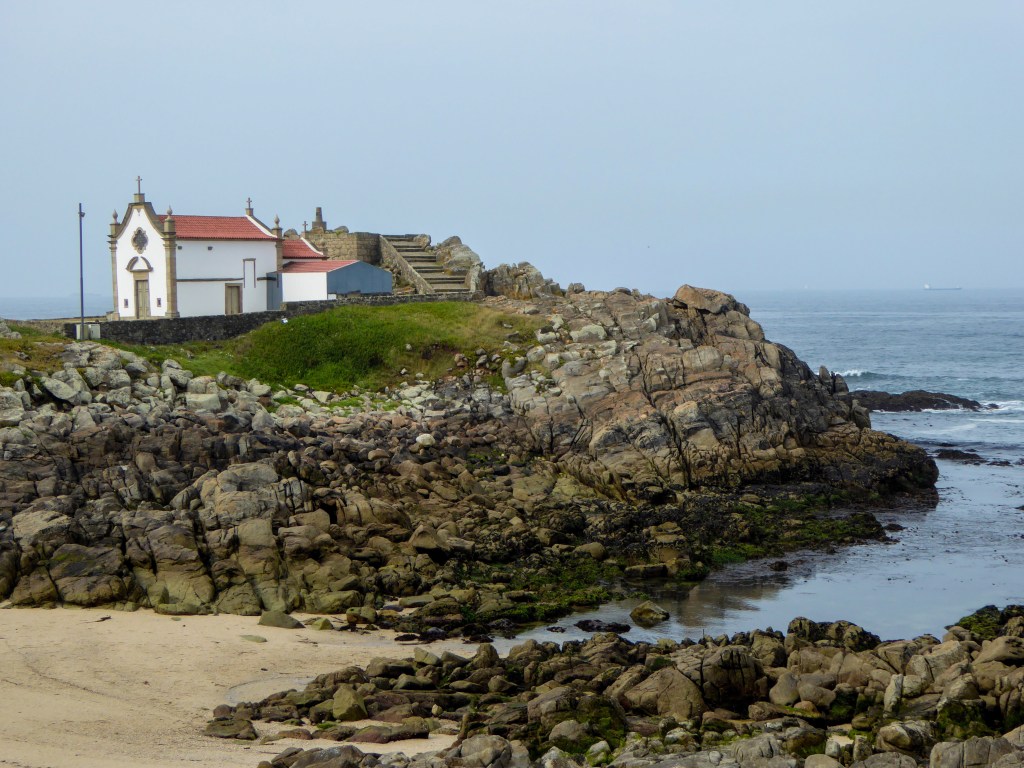
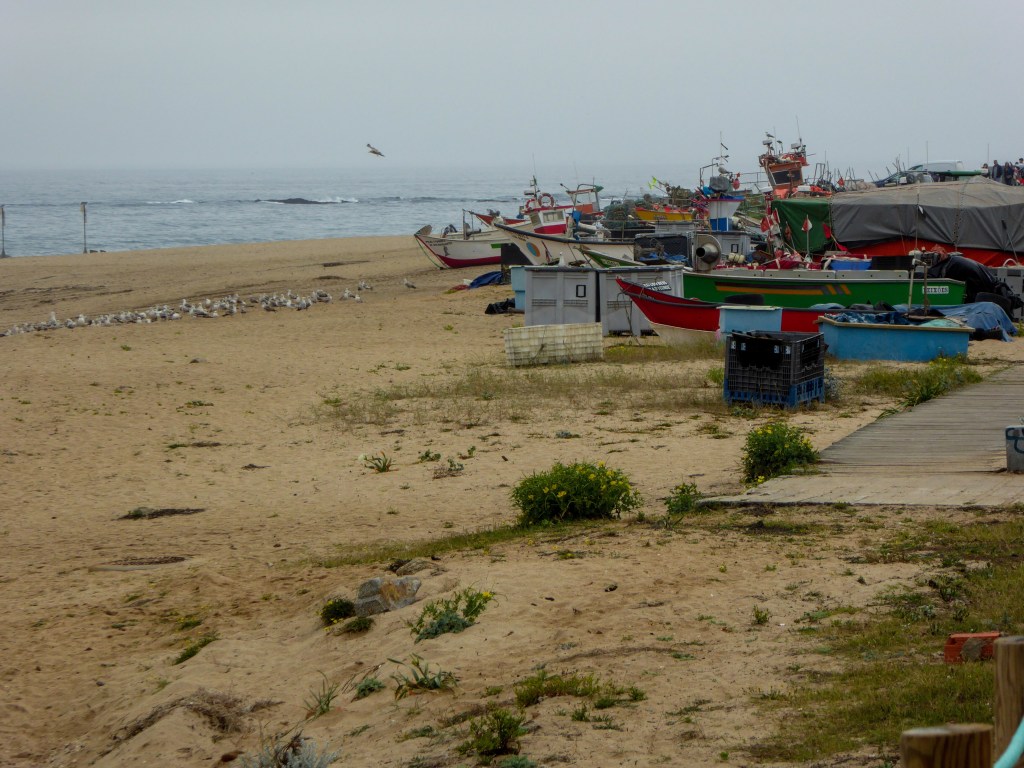
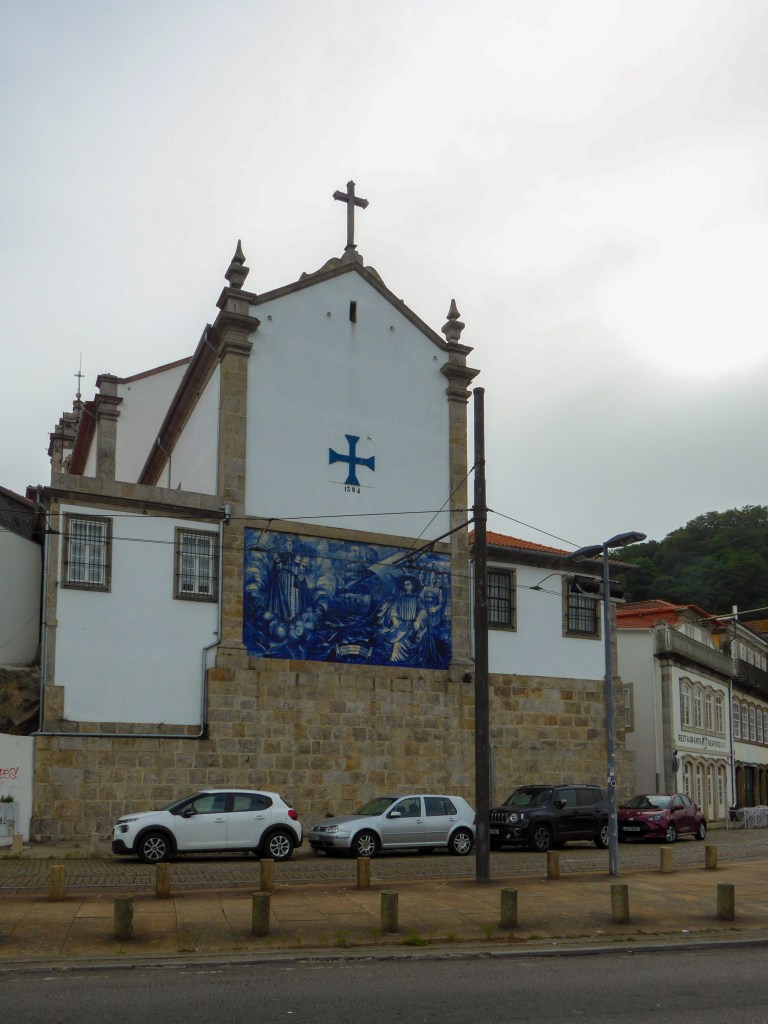
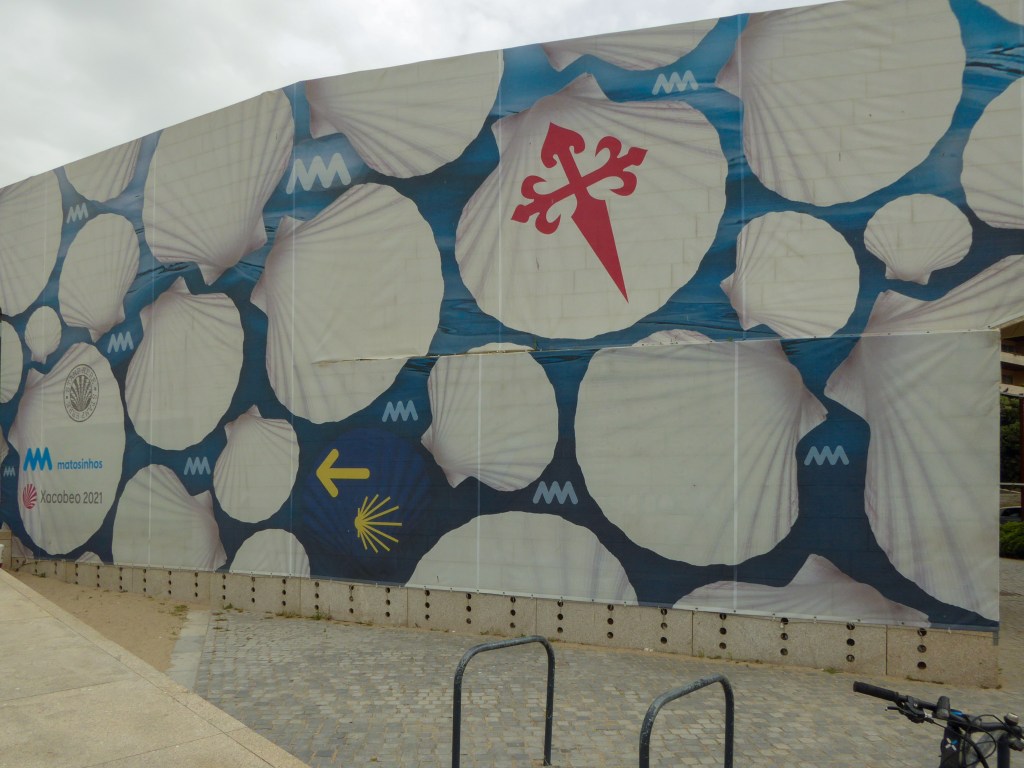
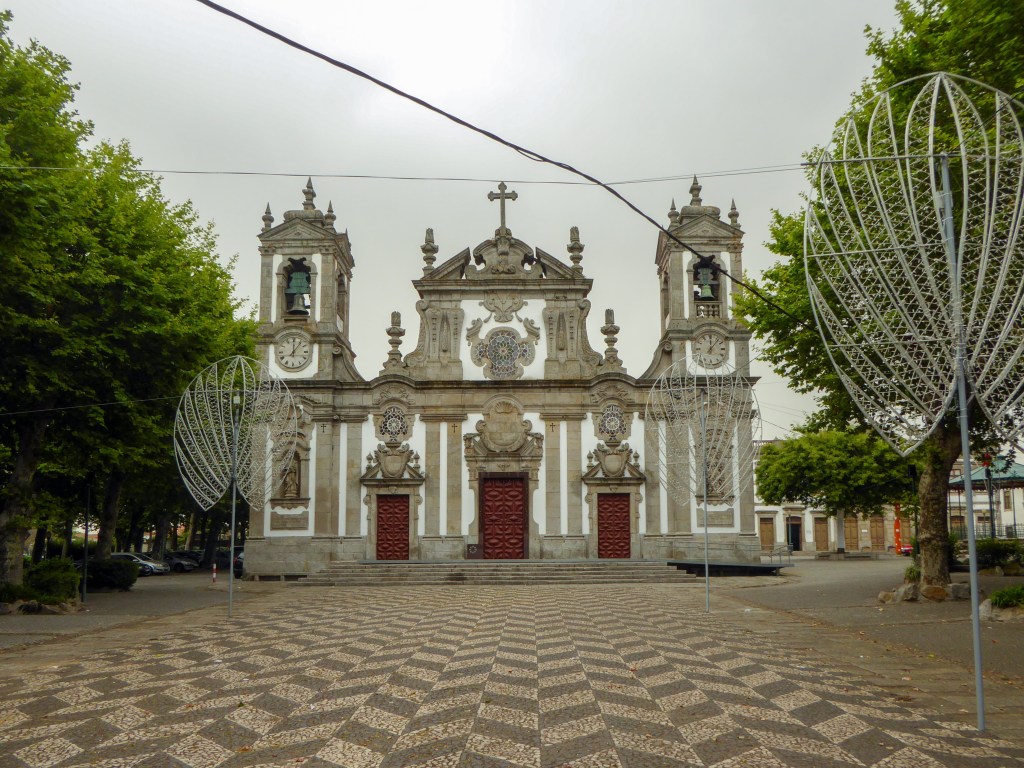
Rio DouroIgreja do Corpo Santo de MassarelosRio DouroSome pilgrims Fishing for BarnaclesMatosinhos BeachWelcome Center The church of MatosinhosRua de Brito Capelo
After waiting for two years we finally made it to Portugal. We arrived to Porto on June 13.
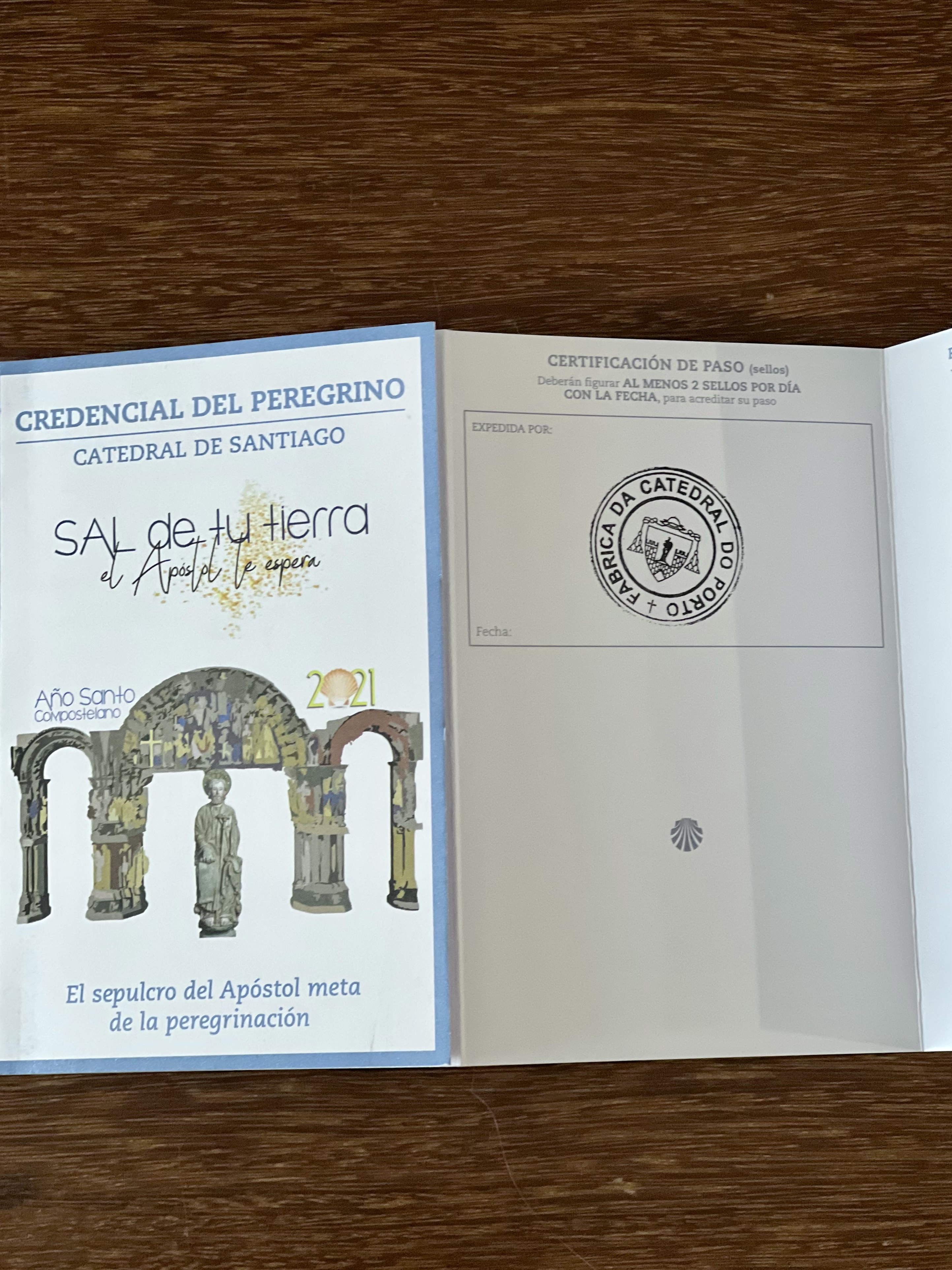
We got our pilgrim’s credential which is the most important document that we will carry for now on. I will elaborate more about the credential below. Then, we visited Porto’s cathedral to get our first stamp to prove in Santiago where we started our journey.
Back to the hotel, it was time to pack like a good Pilgrim.
The Credential.
The Pilgrims’ credential proves where we started our walk and the distance we did. Every day as we pass towns, we will get our credentials stamped with the name and the date from the cafes, restaurants, churches, and hotels we visited along the way. The Credential is the only document accepted in the pilgrim’s office in Santiago. We present this document as a testimony that we walked to Santiago if we wanted to get our Compostela.
La Compostela is the official document given to the pilgrims that reach Santiago. This document has been given to the pilgrims since the medieval age.
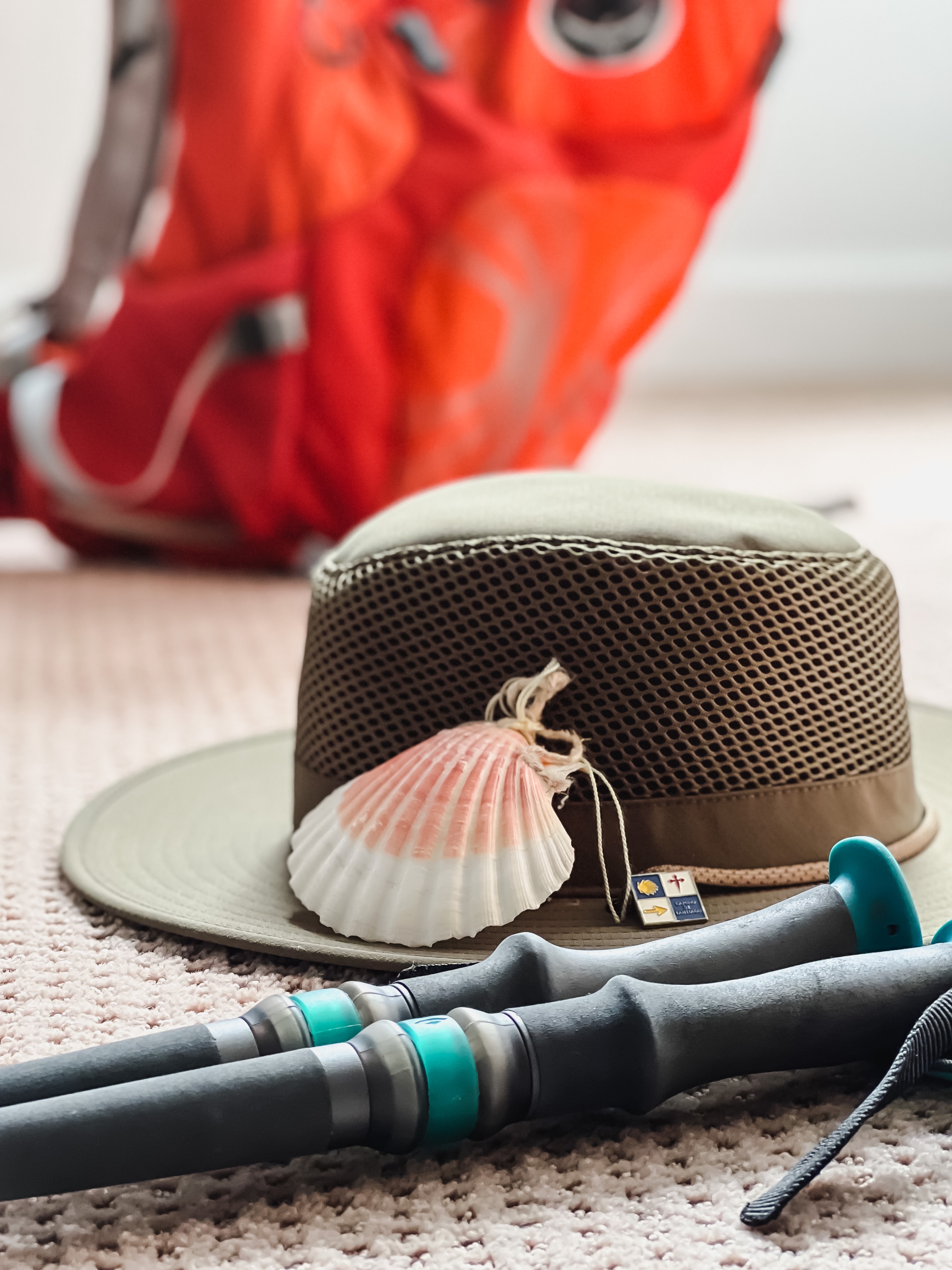
The Shell.
The shell during the Middle Ages was the only proof that the Europeans had to prove that they reached the ocean or the end of the world in Finisterre, Spain.
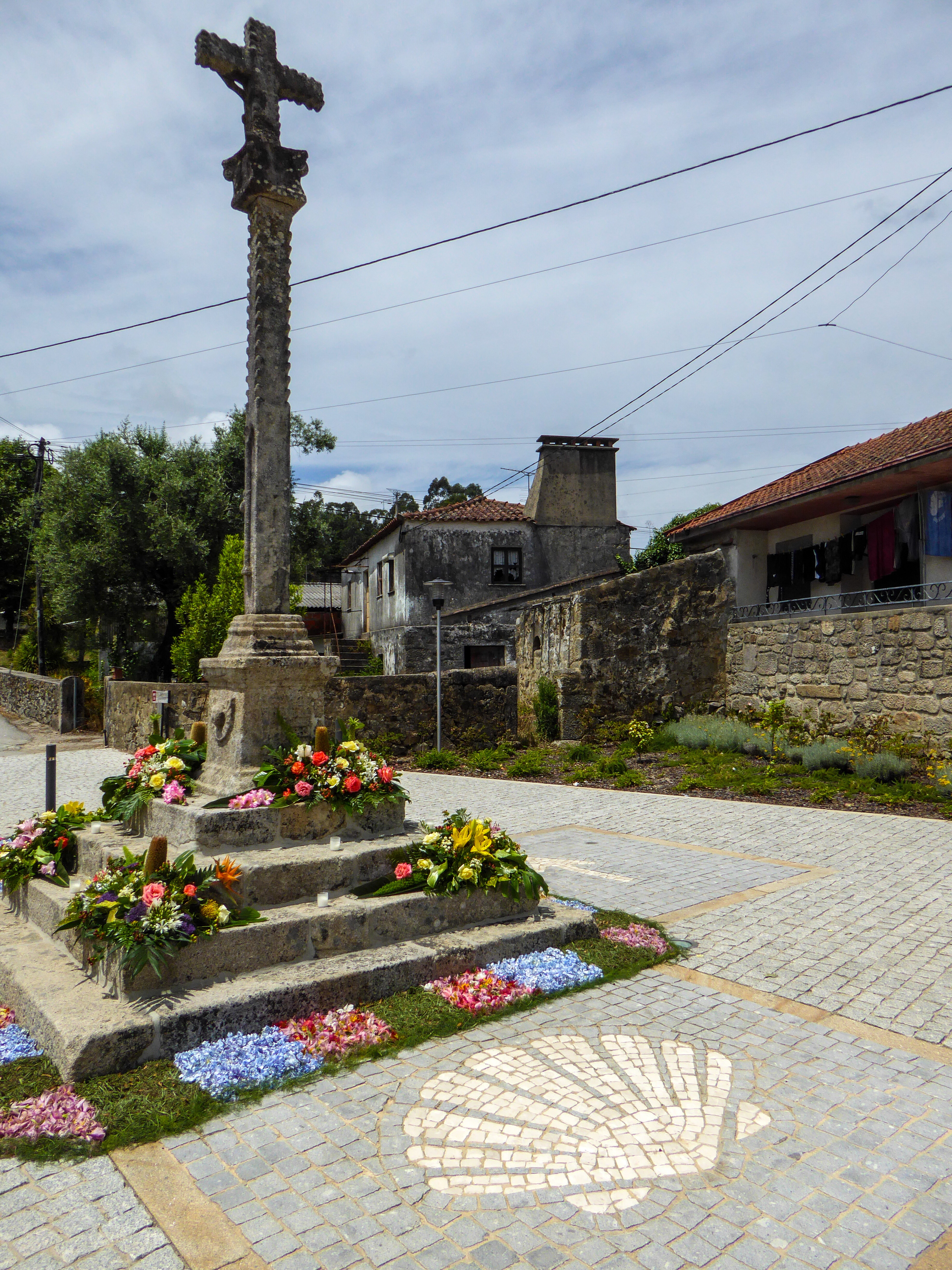
Today we carry the shell as a symbol that we are pilgrims. Along the way, people who have the shell are allowed to get shelter for free or at a low cost for the night in hostels or churches.
Today, Hiking poles, backpacks, cellphones, maps, and first aid kits are the equipment that the modern pilgrims bring with them.















 TrekTok