Stage 1: Bayonne to Saint Jean De Luz, 15.86 miles (25.5 km).
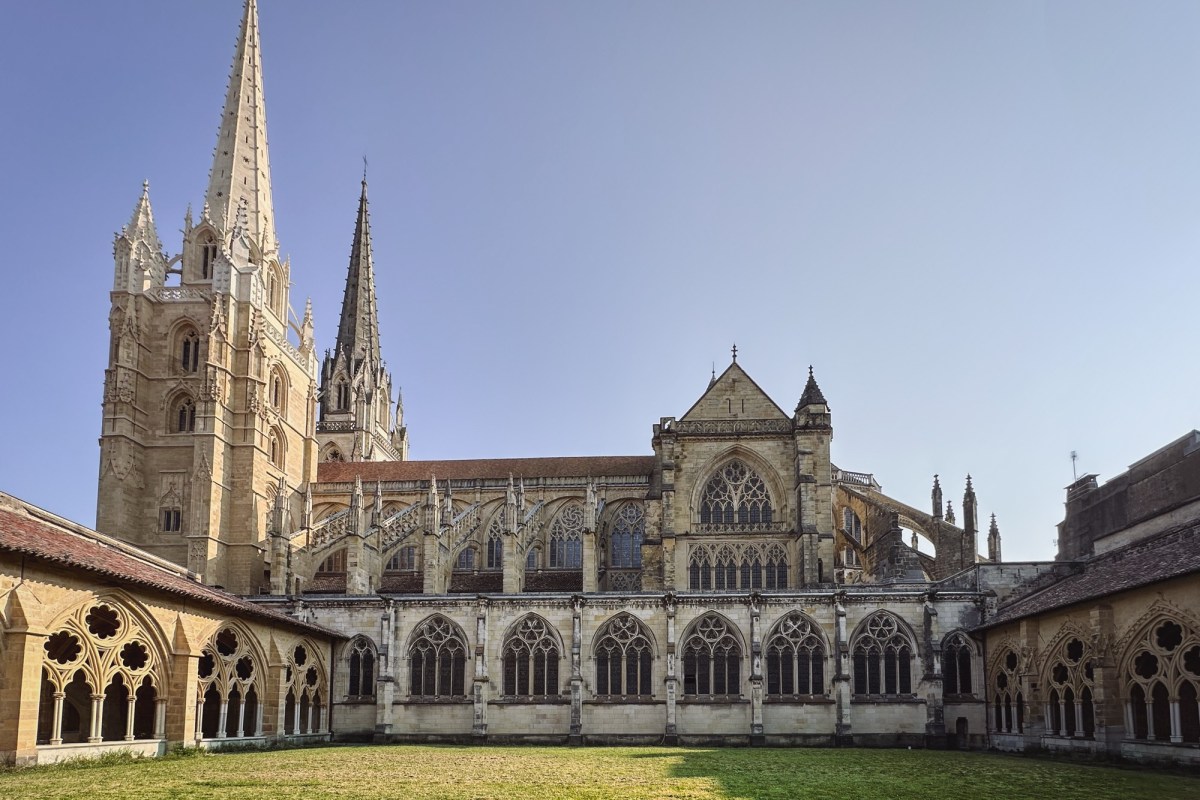
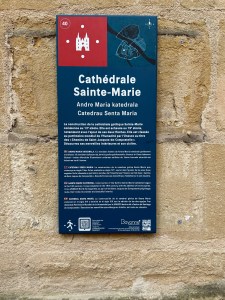
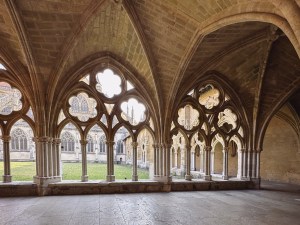
We began our hike at the Cathedral of Sainte Marie in Bayonne.
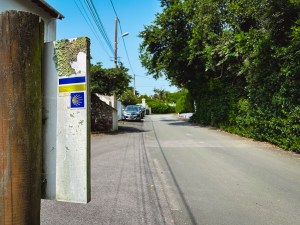
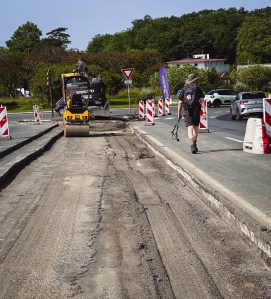
The trail from Bayonne to Saint Jean de Luz was 90% concrete, with some unsafe sections next to the highway. In France, El Camino markings are quite discreet, typically using only small decals. As a result, we found it safer to rely on an electronic map for navigation.
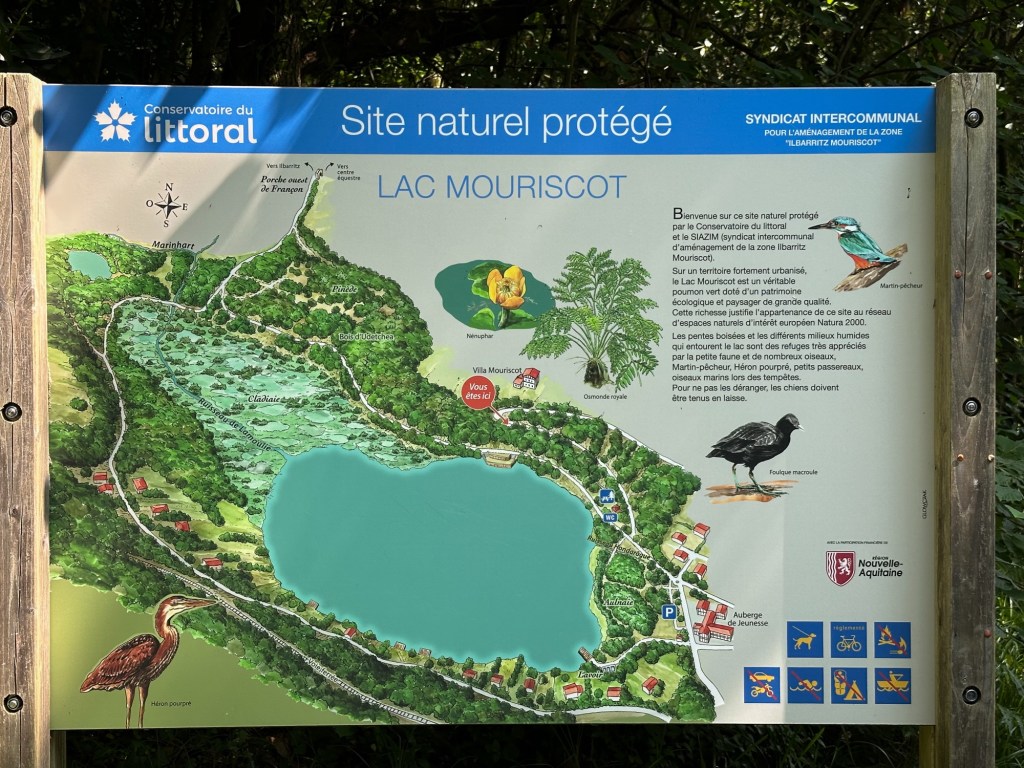
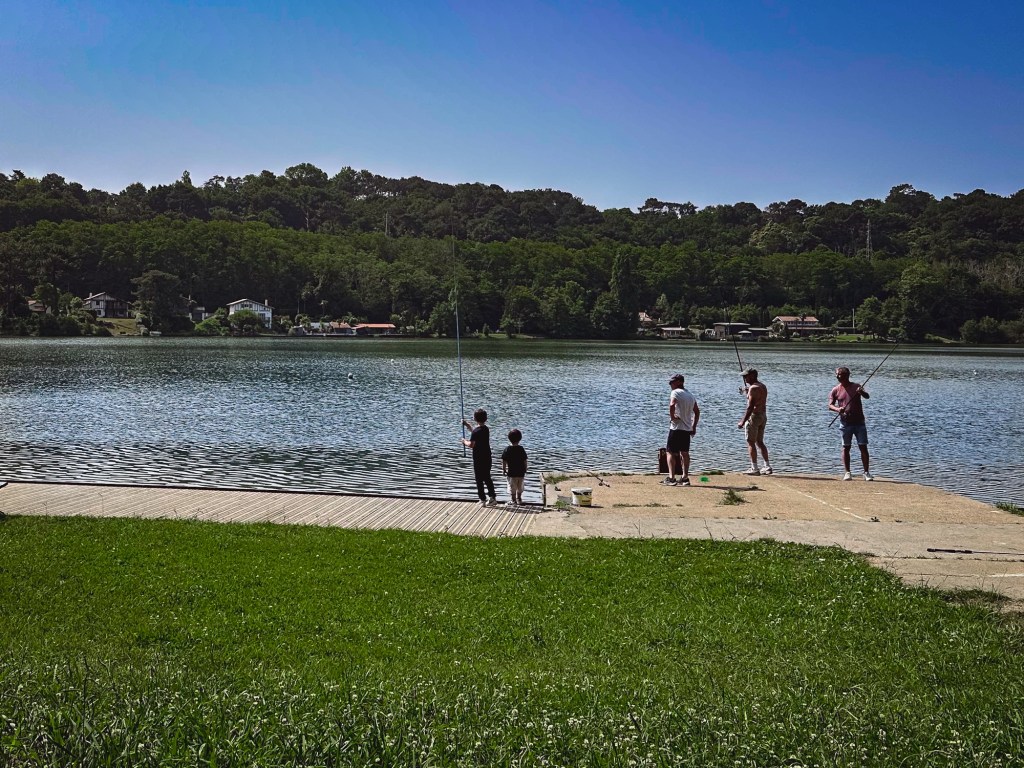
The route changed significantly when we reached Lac Mouriscot, where the terrain improved. From this point onward, we continued to the beach.
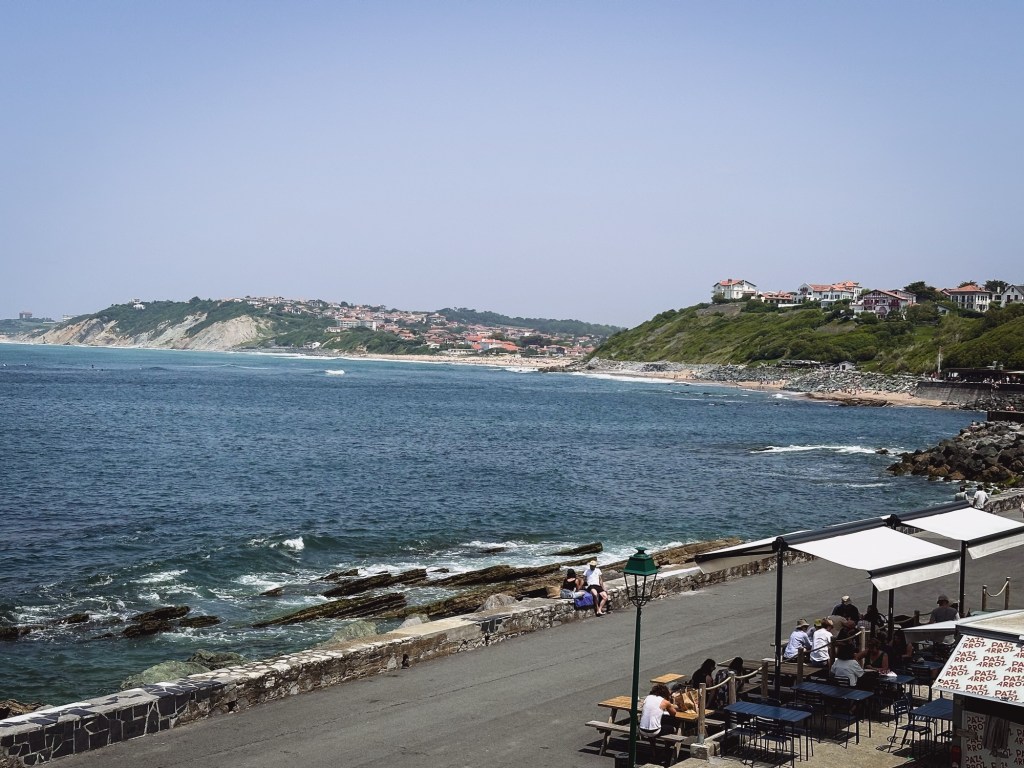
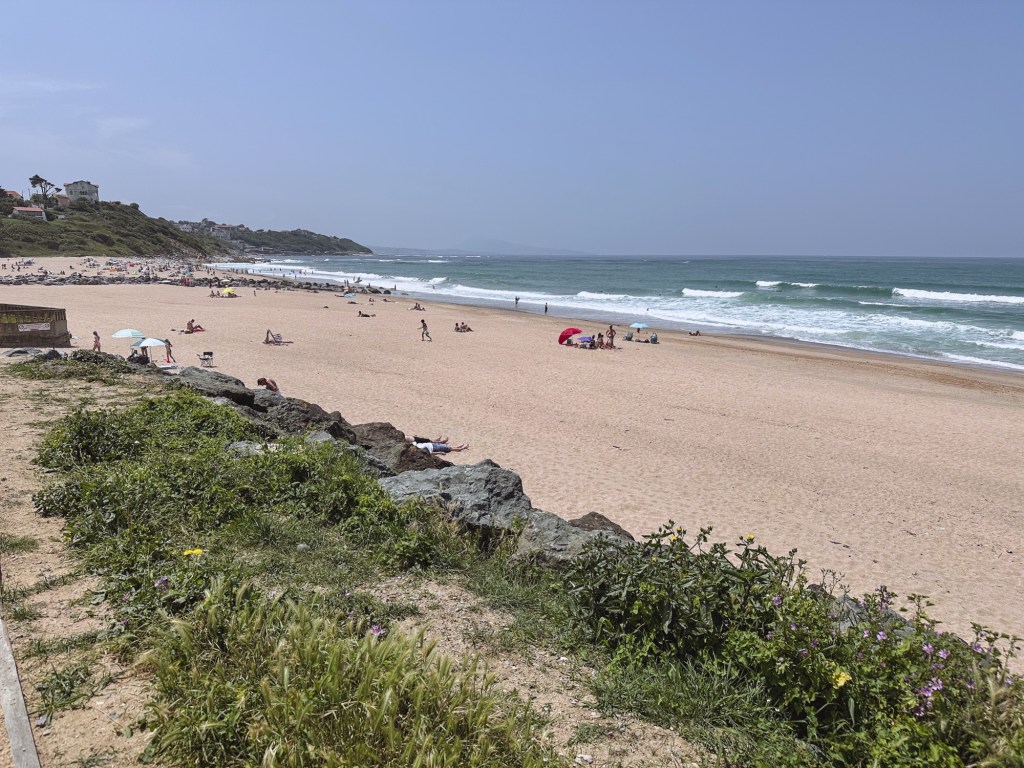
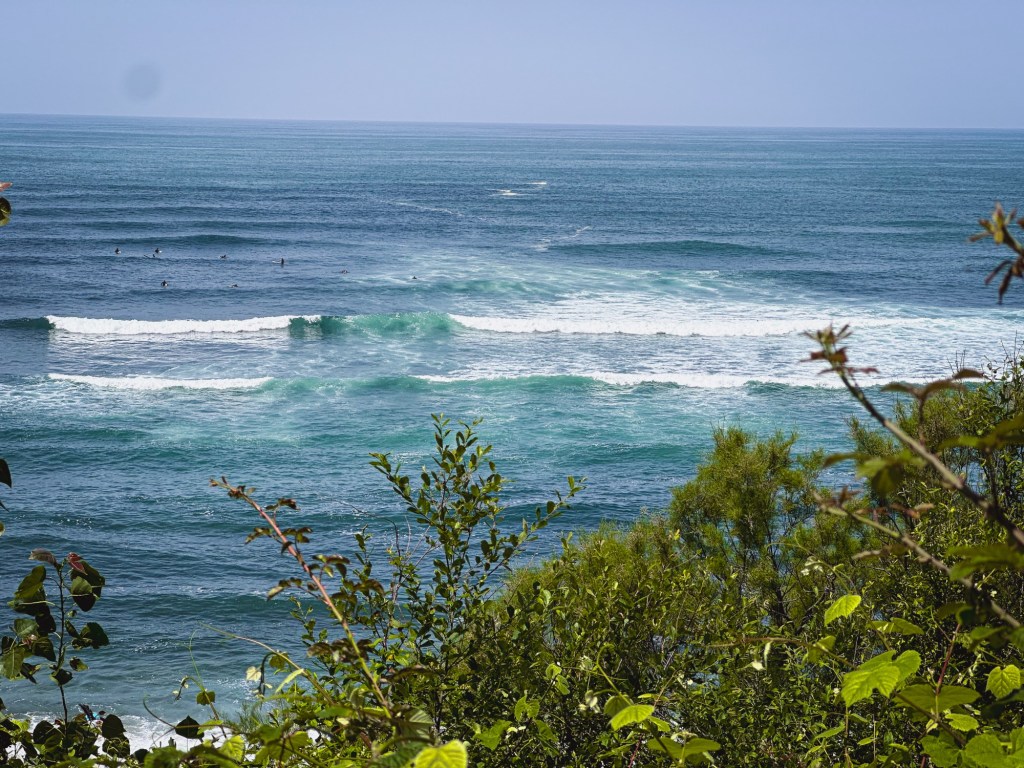
We enjoyed walking along the shore at the beach, where many restaurants lined the coast and people happily celebrated the holiday. Overall, the hike was challenging, as much of it occurred on city streets and highways, and there were few clear trail markings.
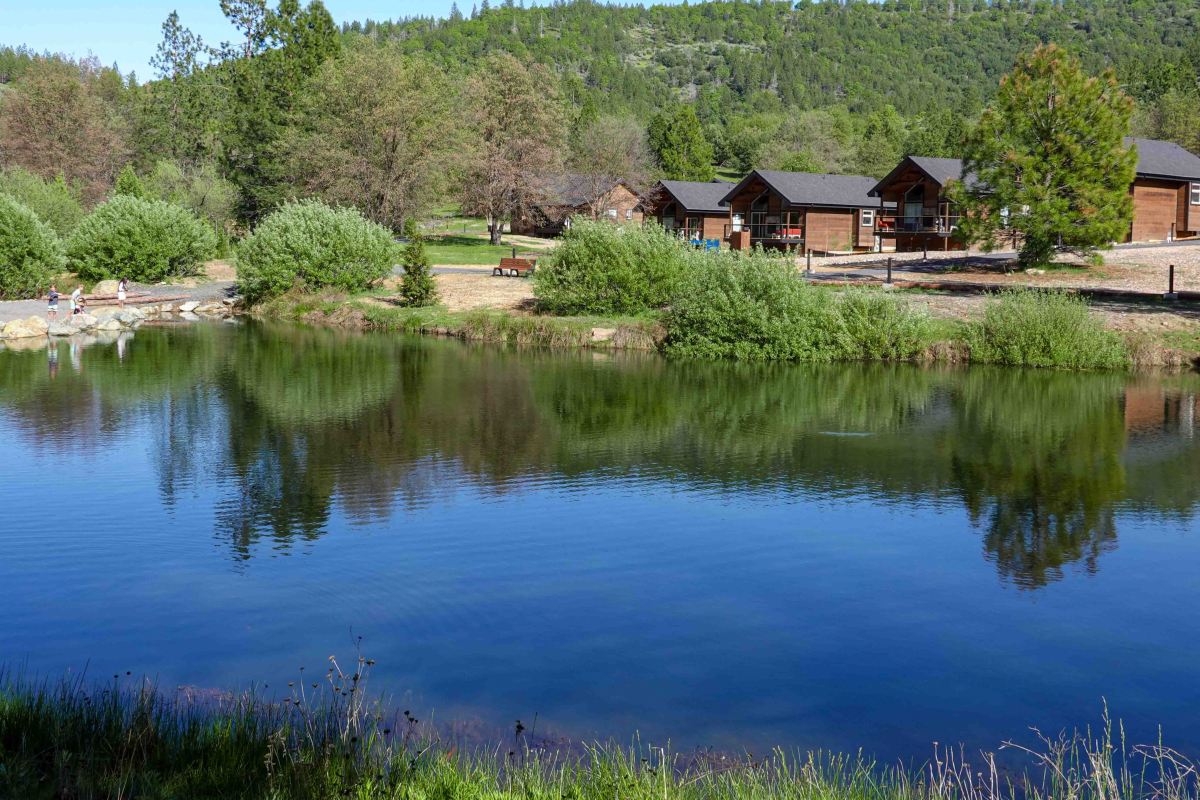
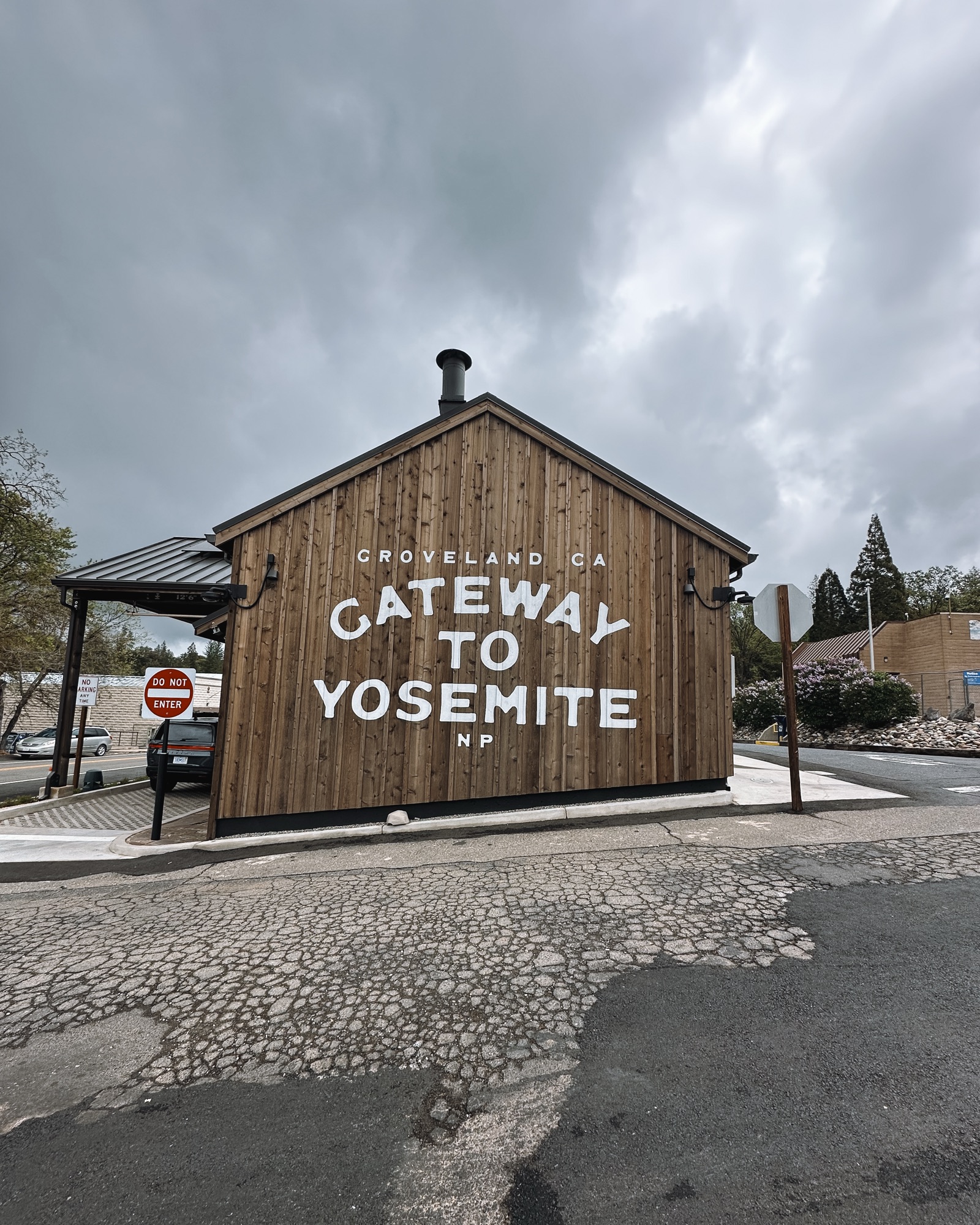
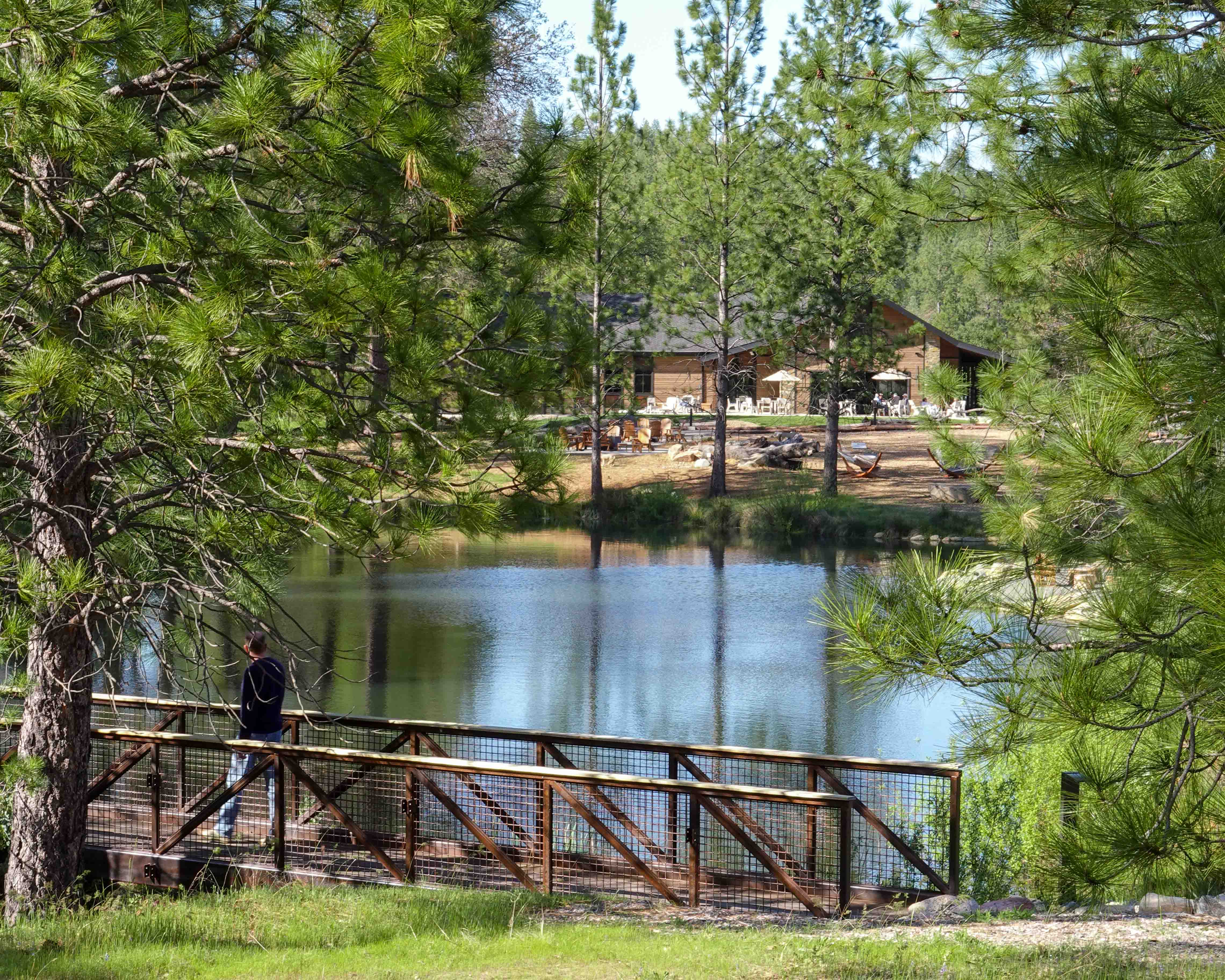
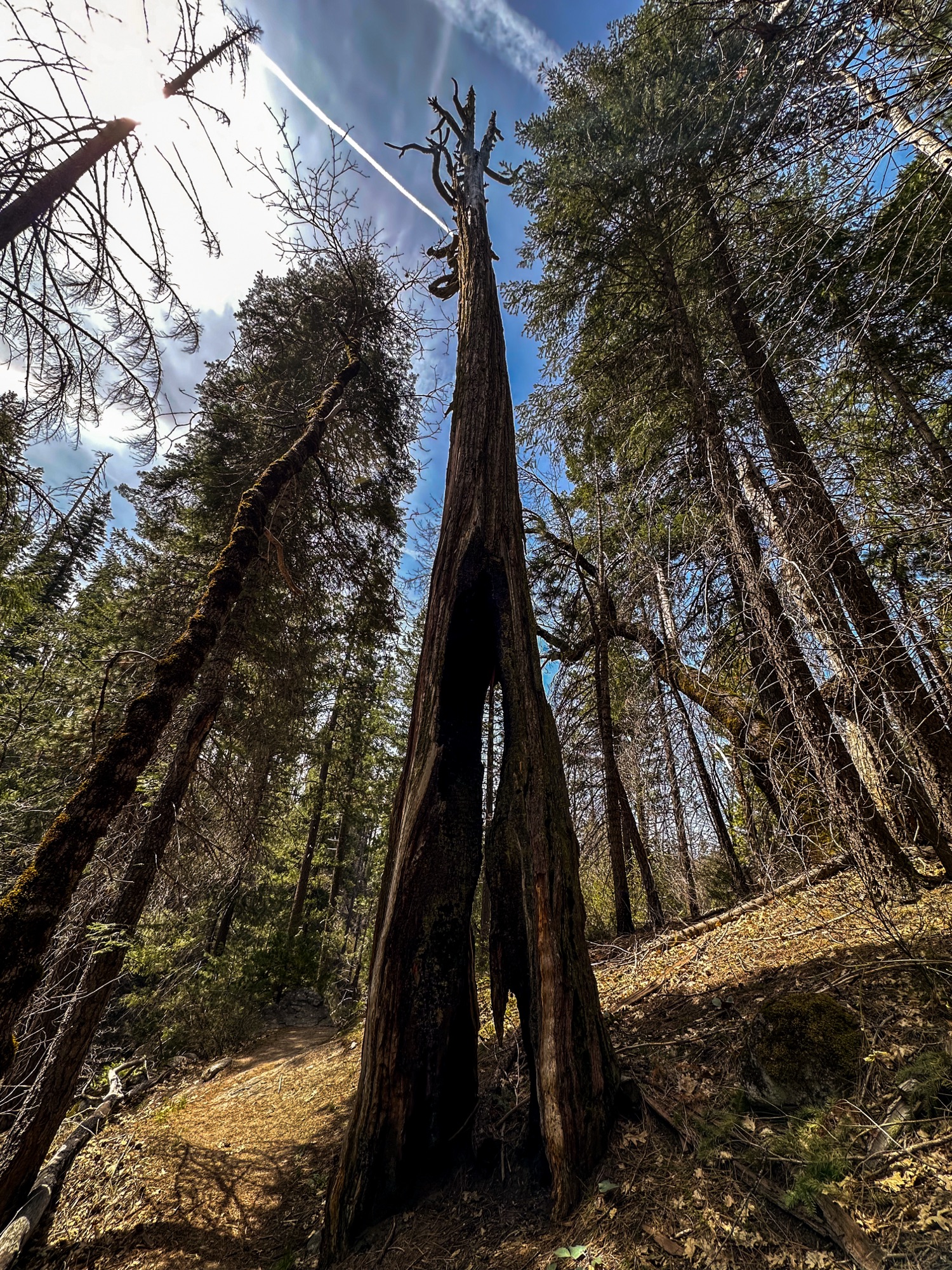
After a long winter in the SF Bay Area, I felt a deep craving for escape—a retreat from the city. With a sense of adventure, we set off to Groveland, a hidden gem nestled among mountains and ancient forests.
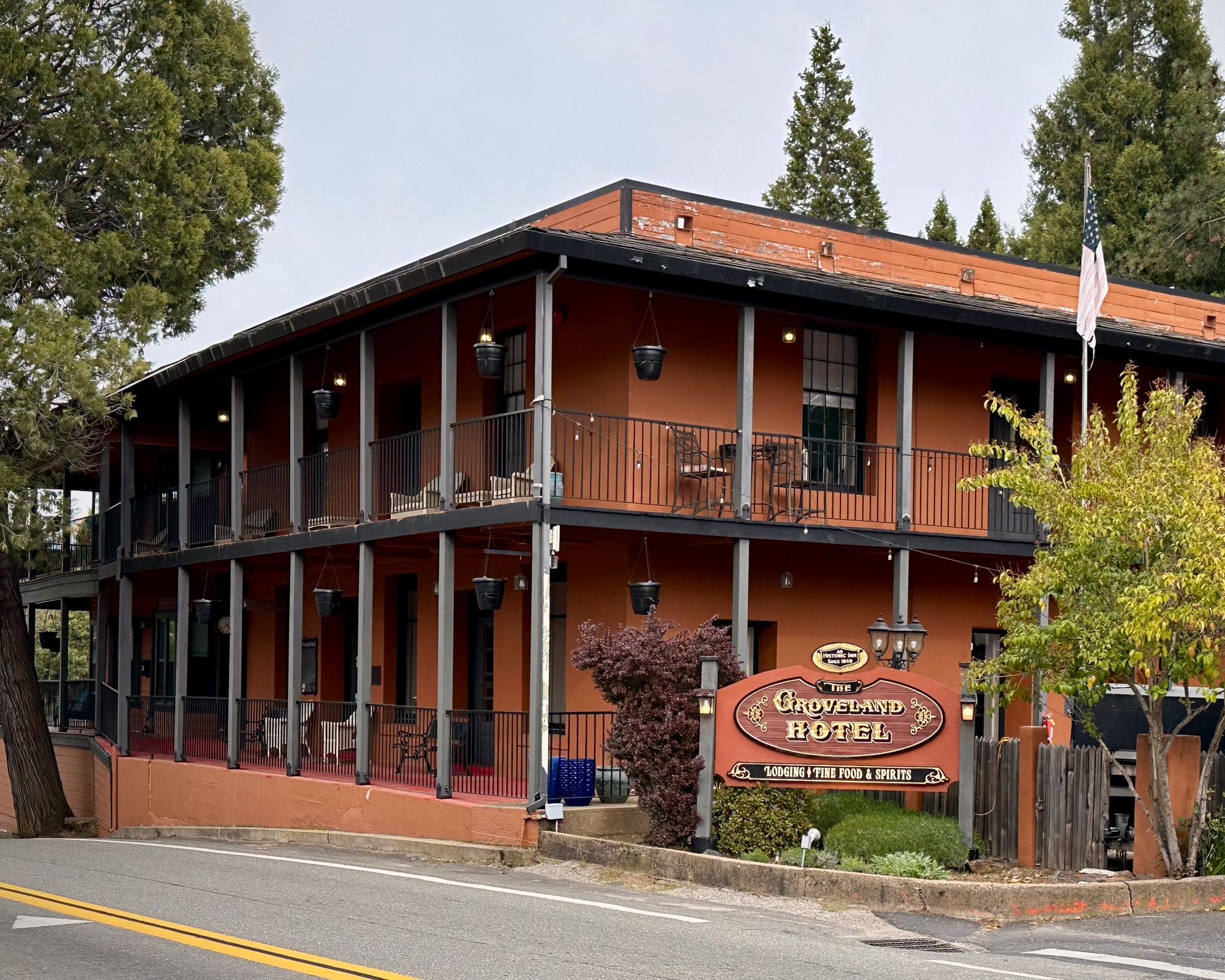
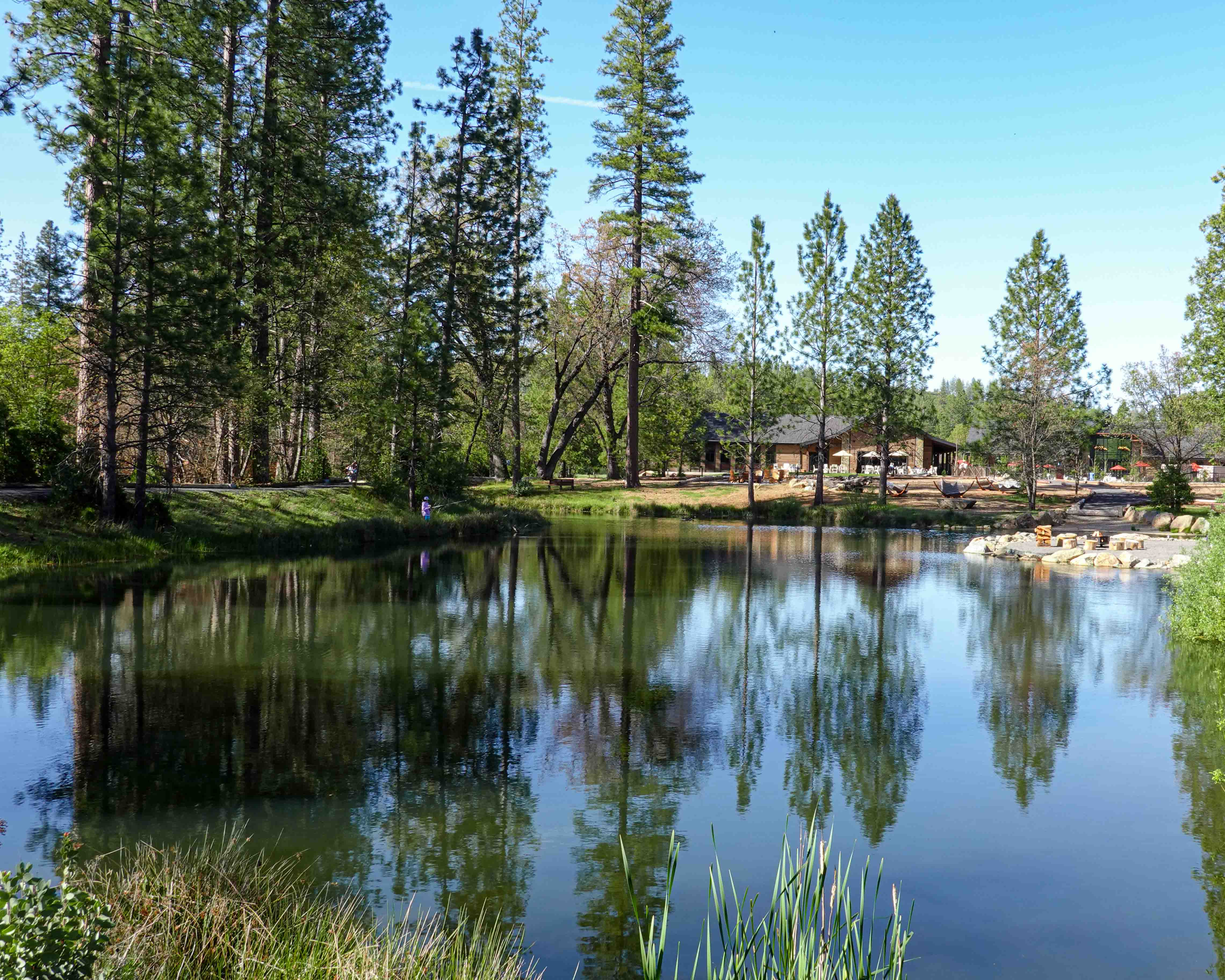
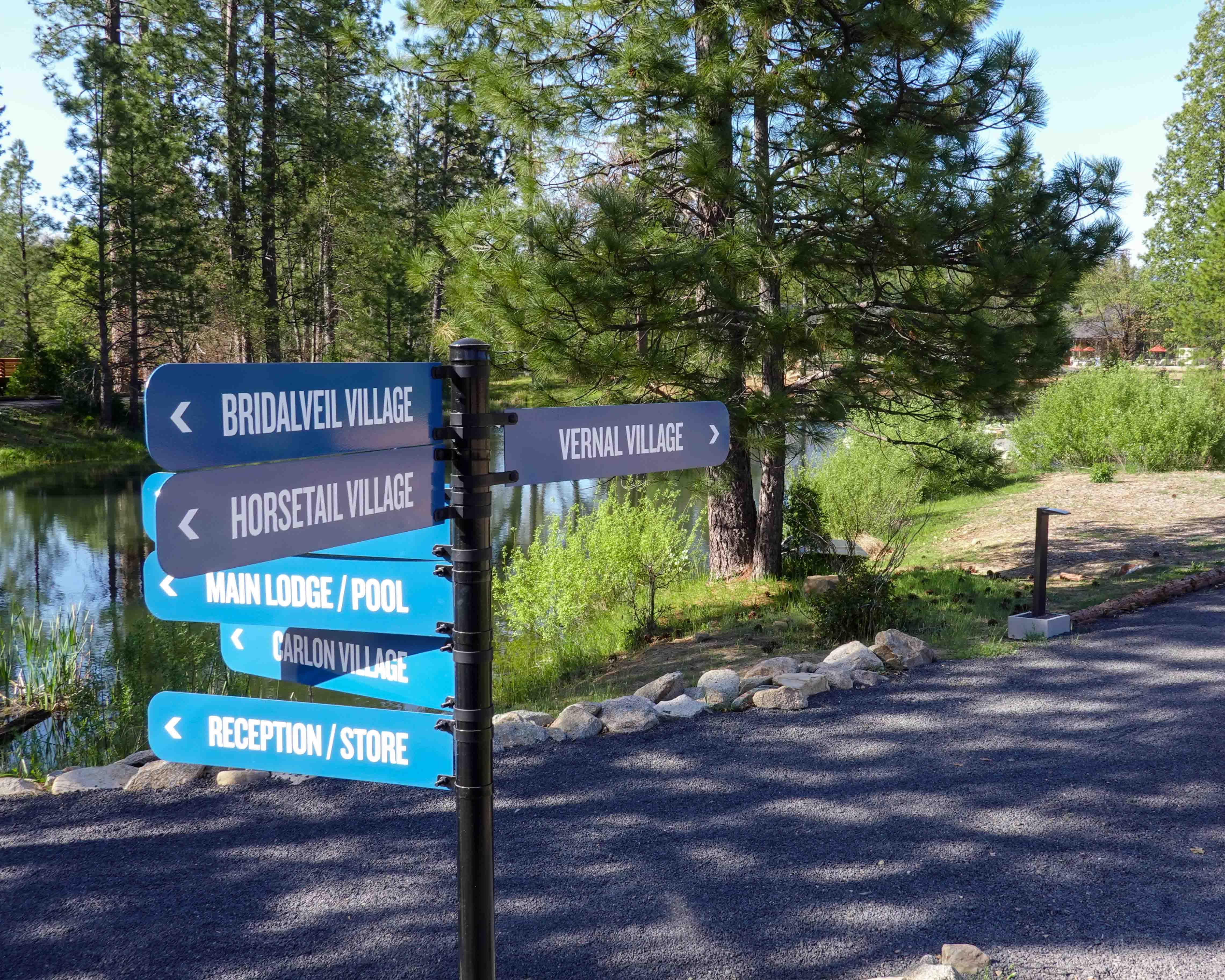
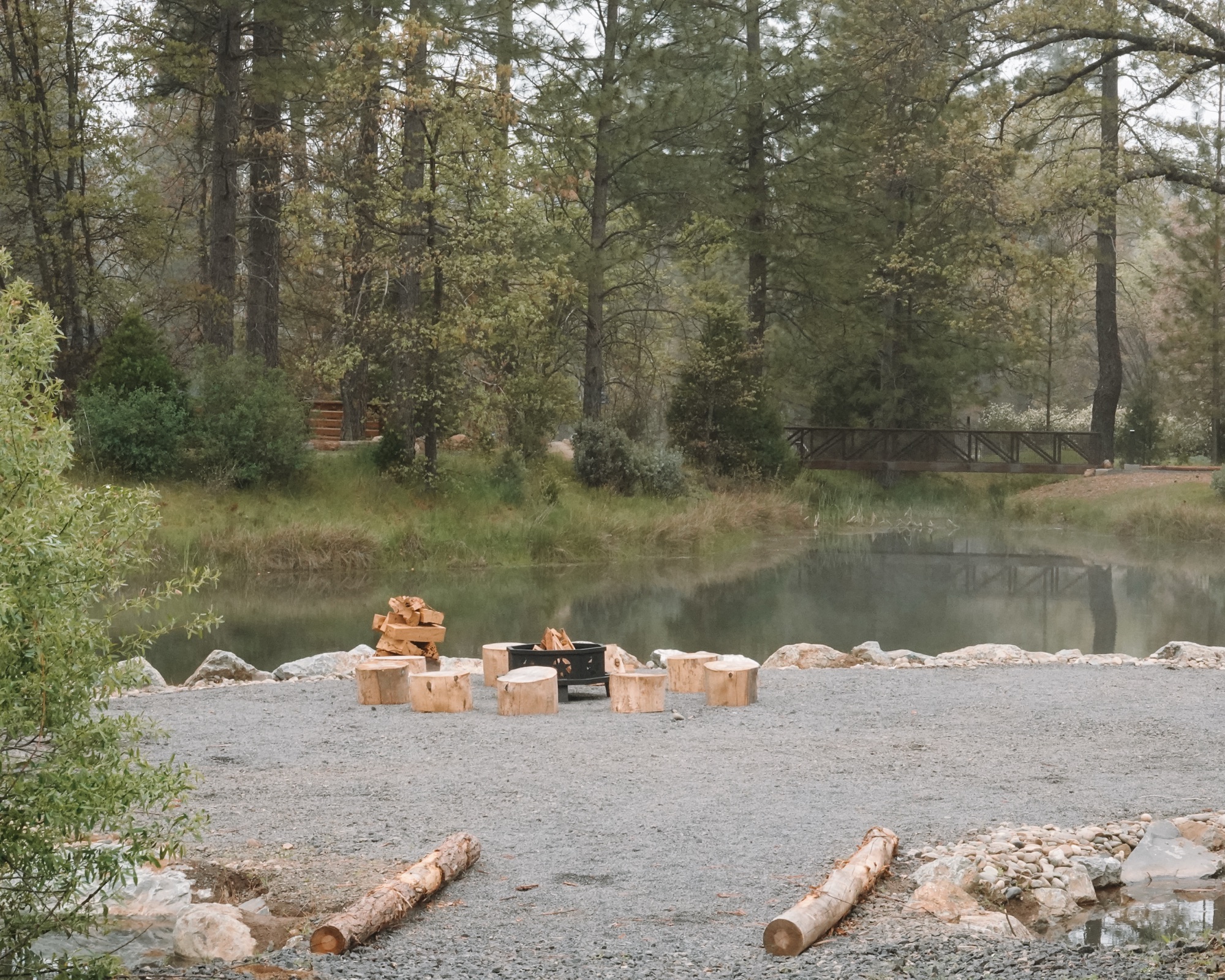
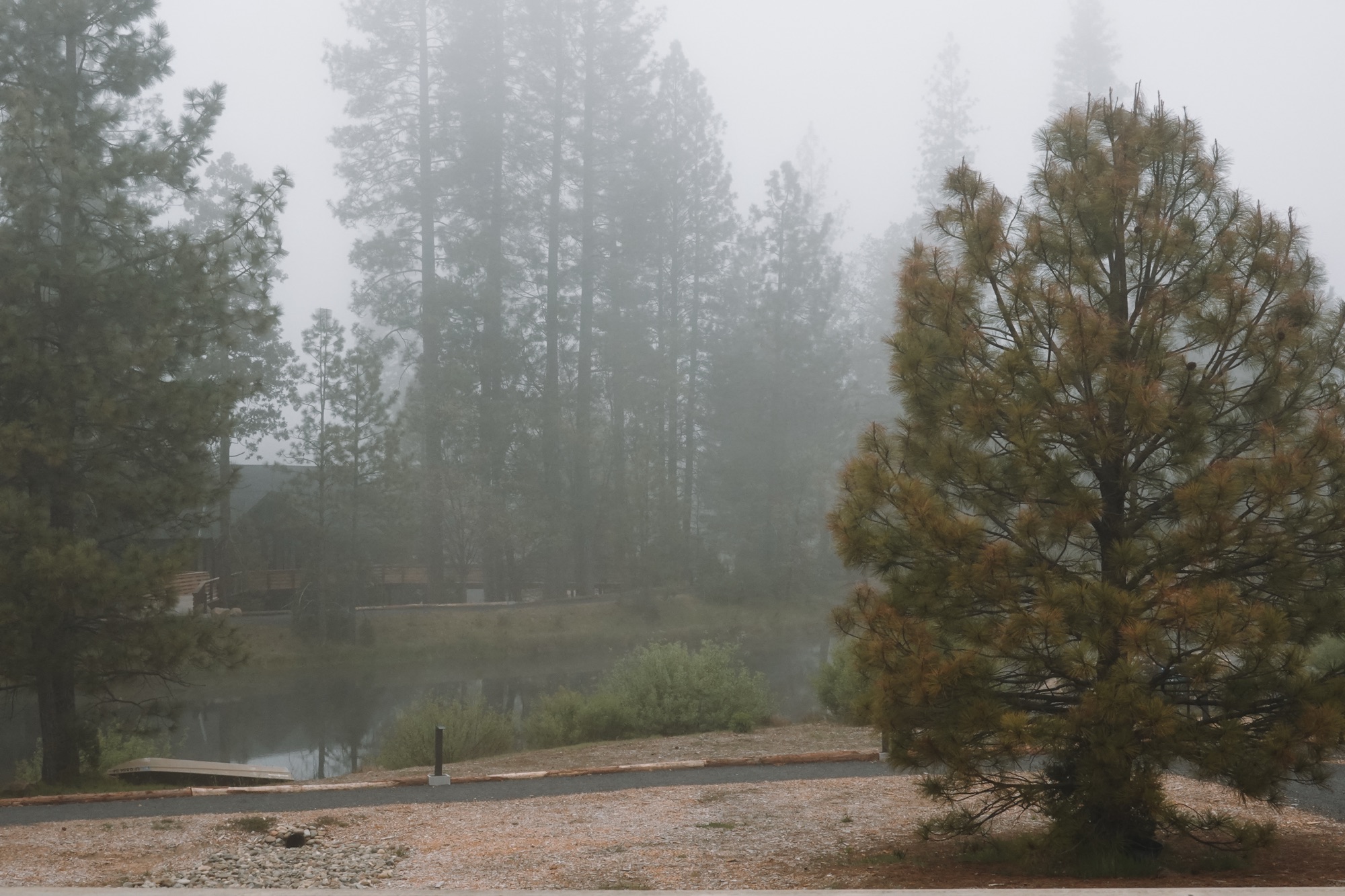
Our charming hotel allowed us to truly unwind, surrounded by the calming sounds of the forest, stunning lake views, and majestic mountains. It was the perfect way to relax and reflect.
This getaway promised a weekend of tranquility. We could wander through the history left by the Gold Rush era and the breathtaking hiking trails in the area. The Forest was an invitation to reconnect with nature and rediscover a sense of peace that only the outdoors can provide.
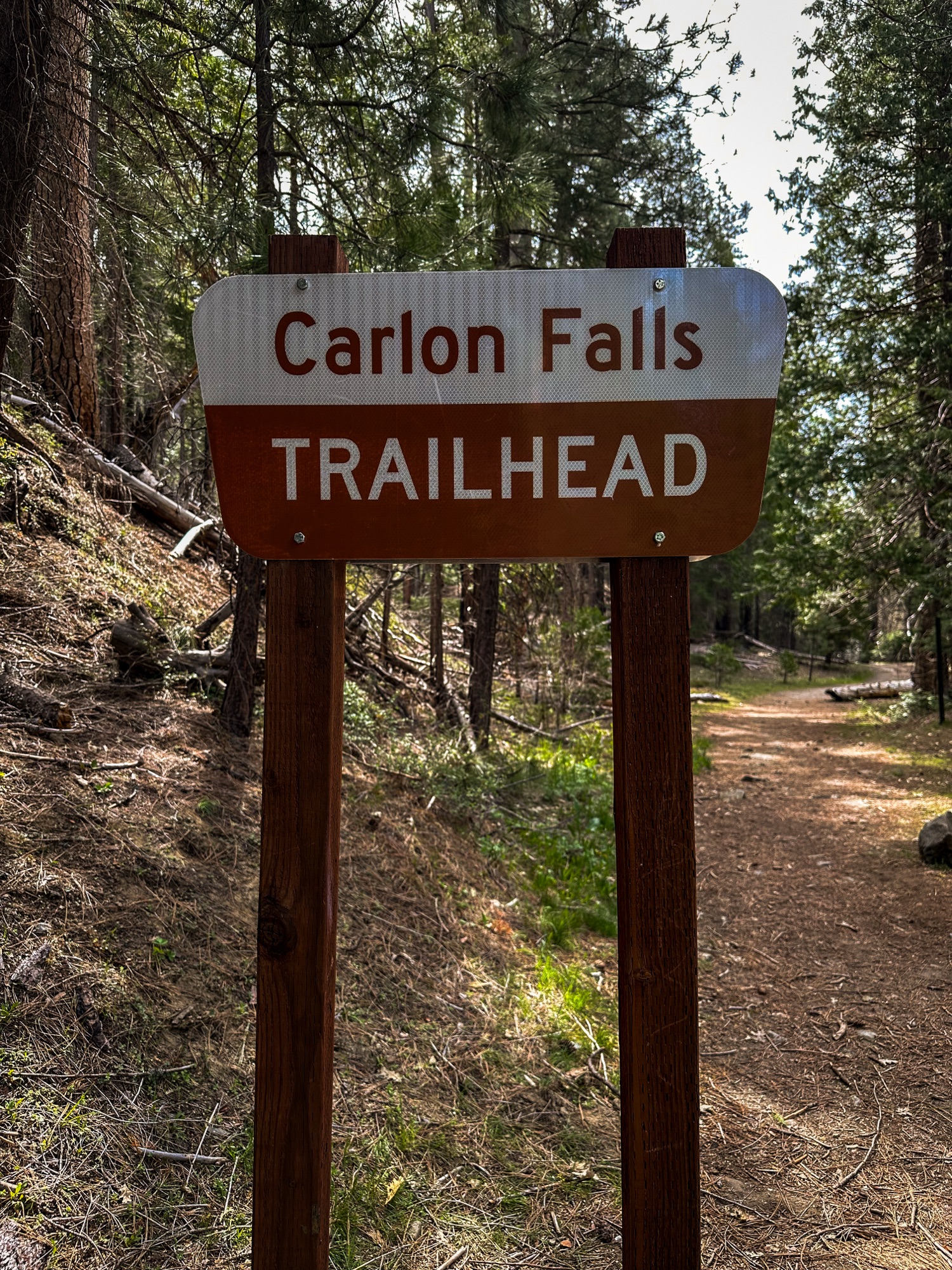
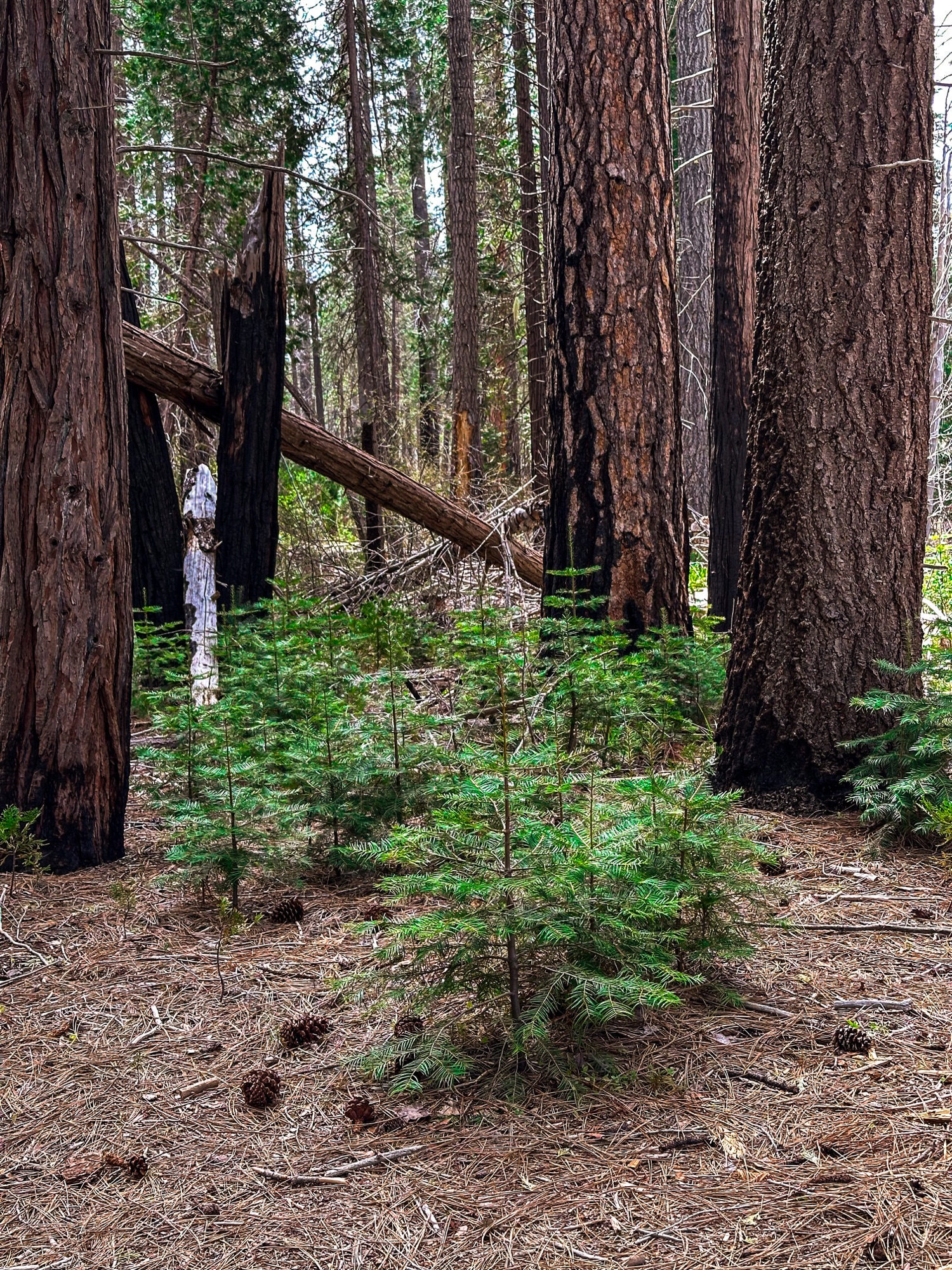
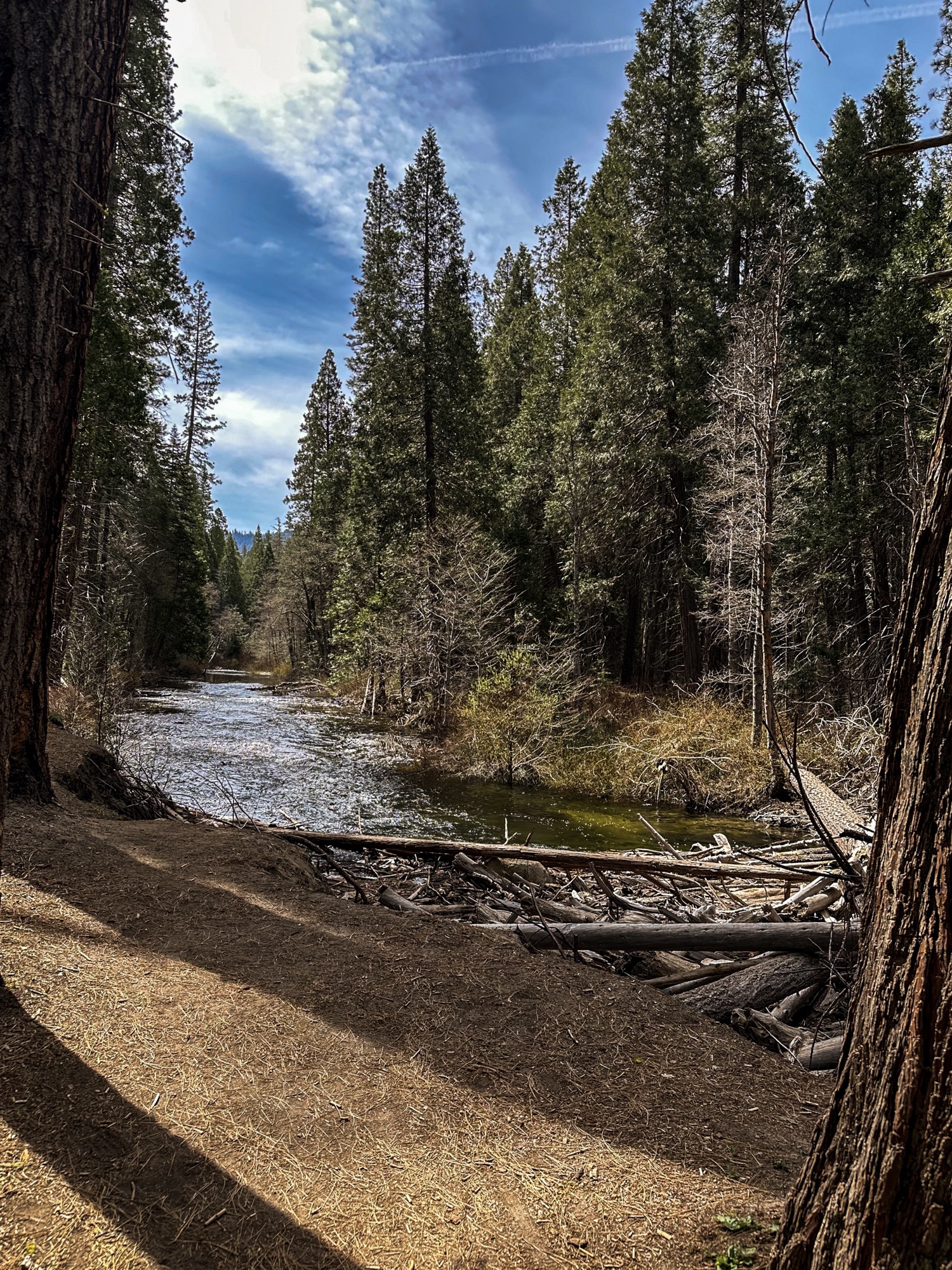
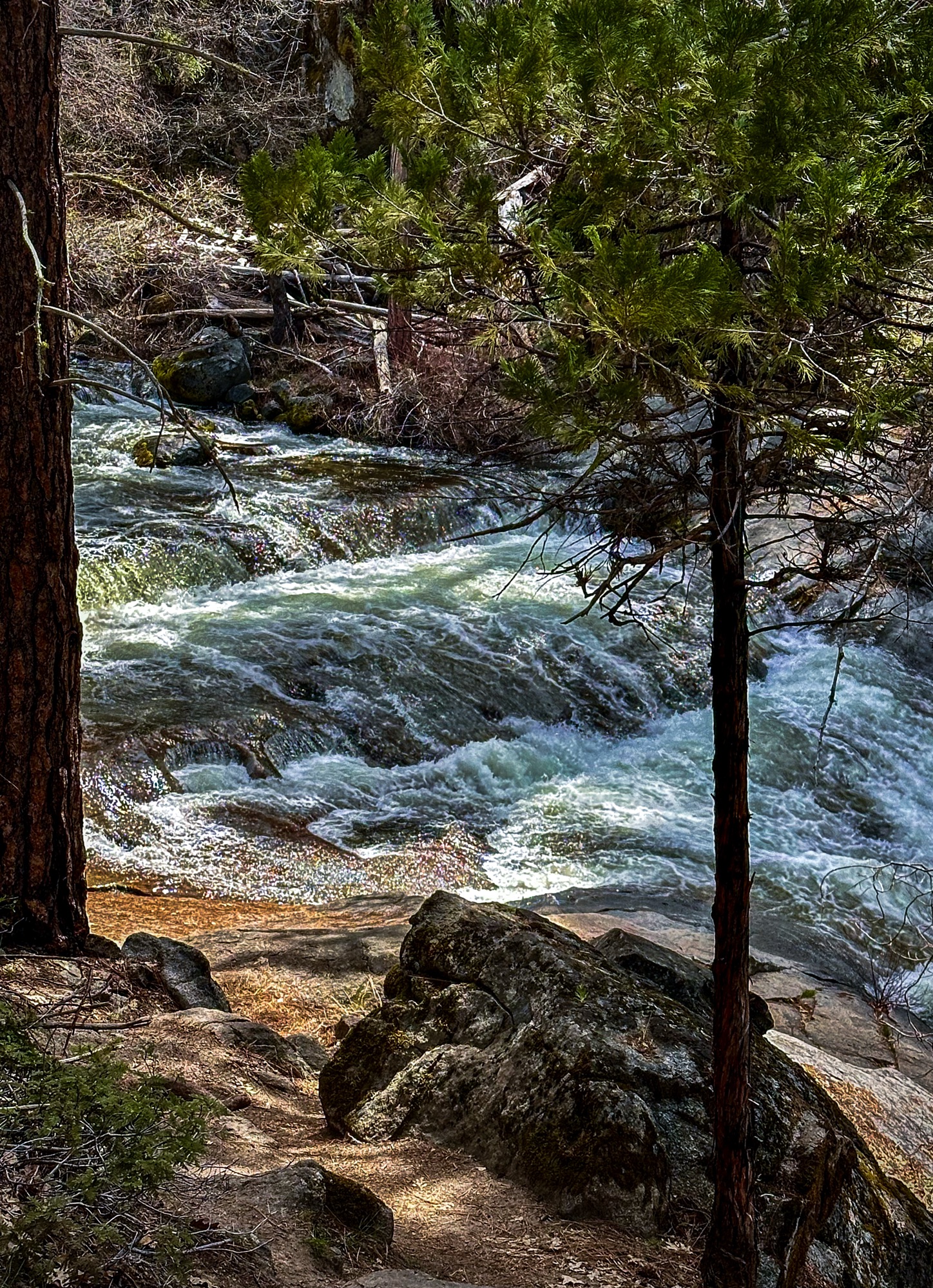
On the first day, we set to the Carlon Falls Trail early in the morning, eager to soak in the beauty of the wilderness. The hike was three miles and moderately easy, and every step felt rewarding. I missed hiking and the sense of freedom that comes with walking outdoors. We were treated to breathtaking views of the river and waterfall.
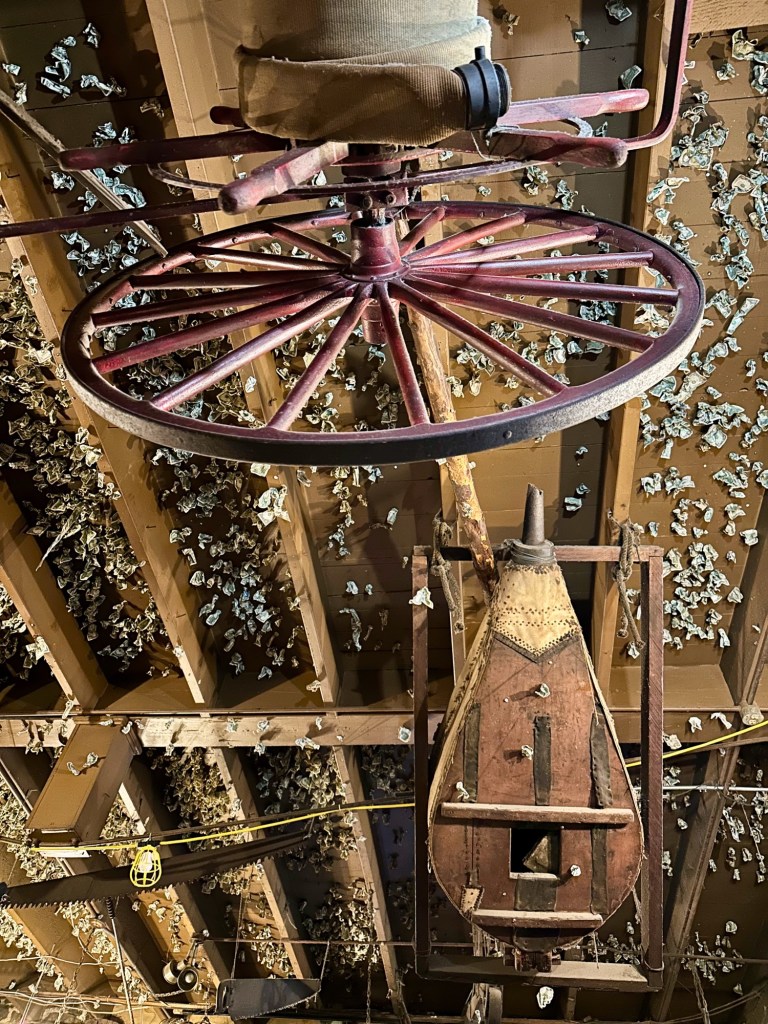
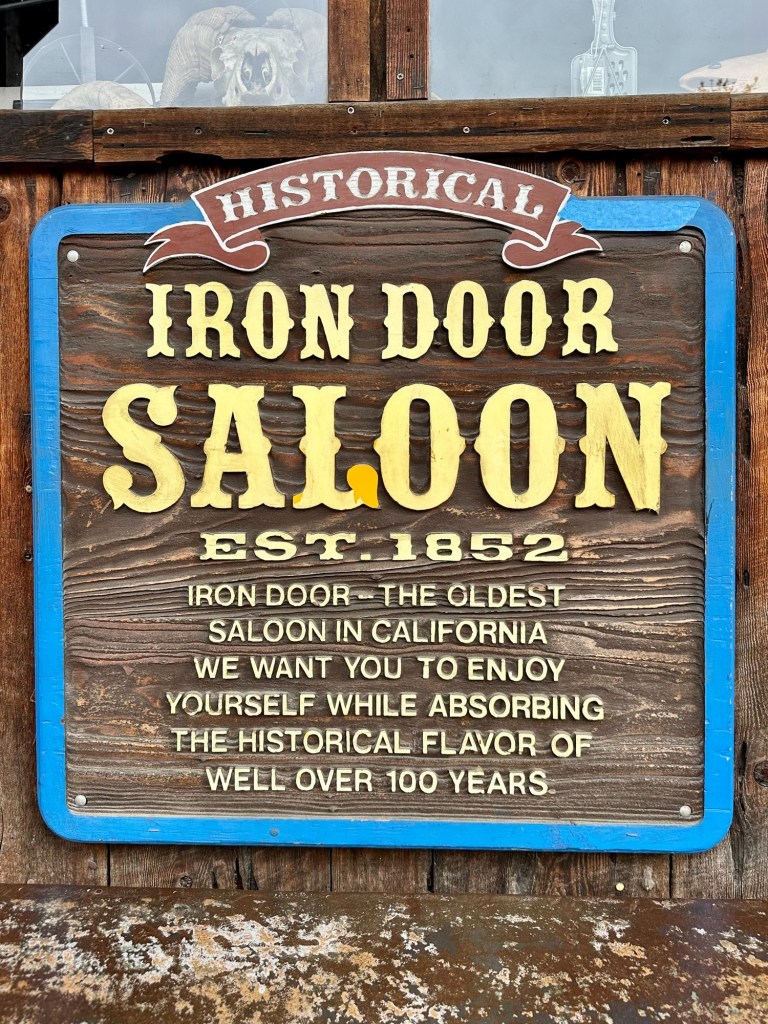
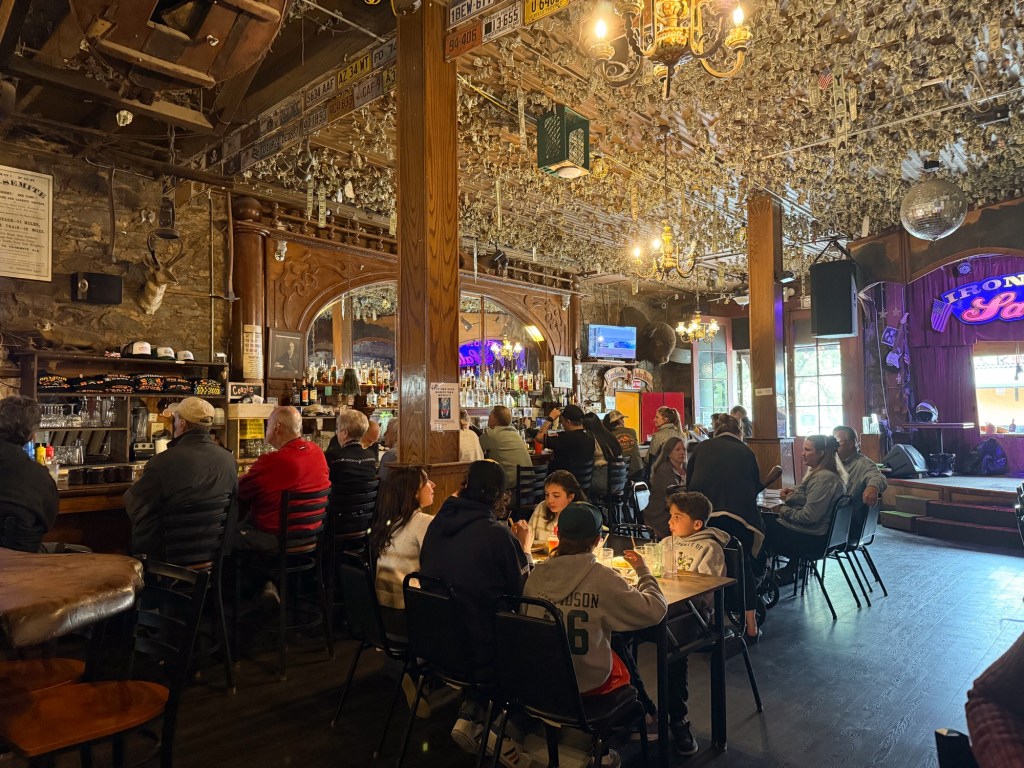
That night, we had dinner at the Iron Door, the oldest operating saloon in California. Iron Door was founded in 1852; it has a welcoming atmosphere, history, and memorabilia from the Gold Rush era. It’s a must-visit if you’re in Groveland. The food is good, and the highlight is the homemade potato chips; they are simply delicious.
The next day, we hiked the Little Golden Trail, a four-mile hike with steady ascending. The weather was cold and windy, a contrast from the previous day.
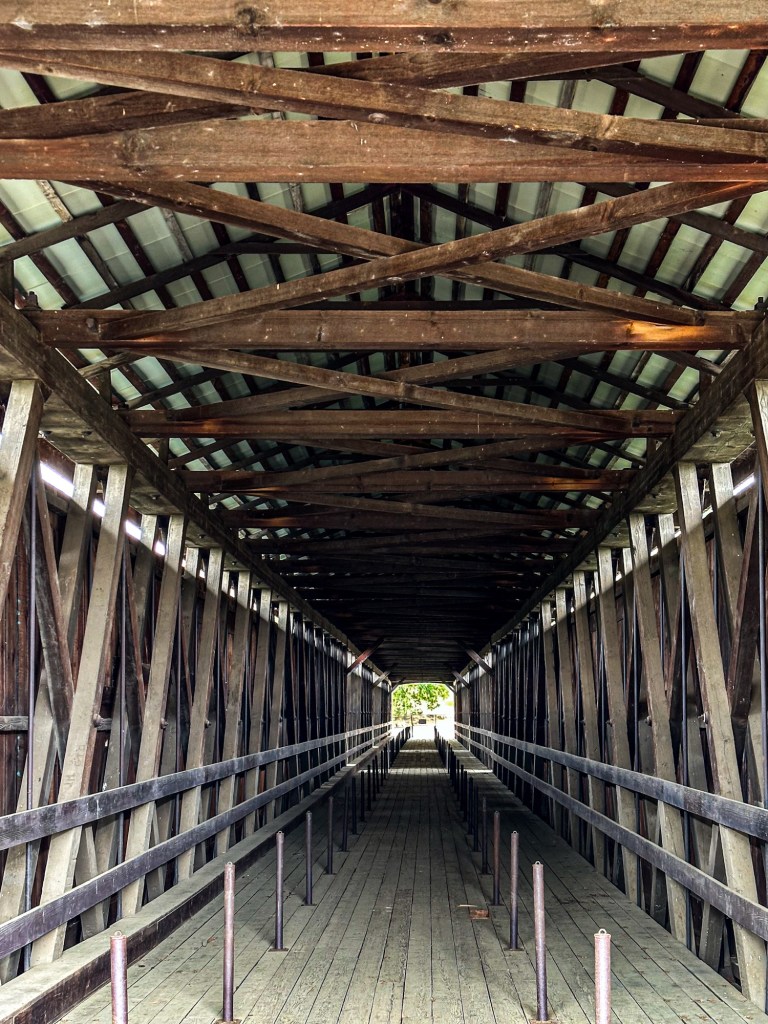
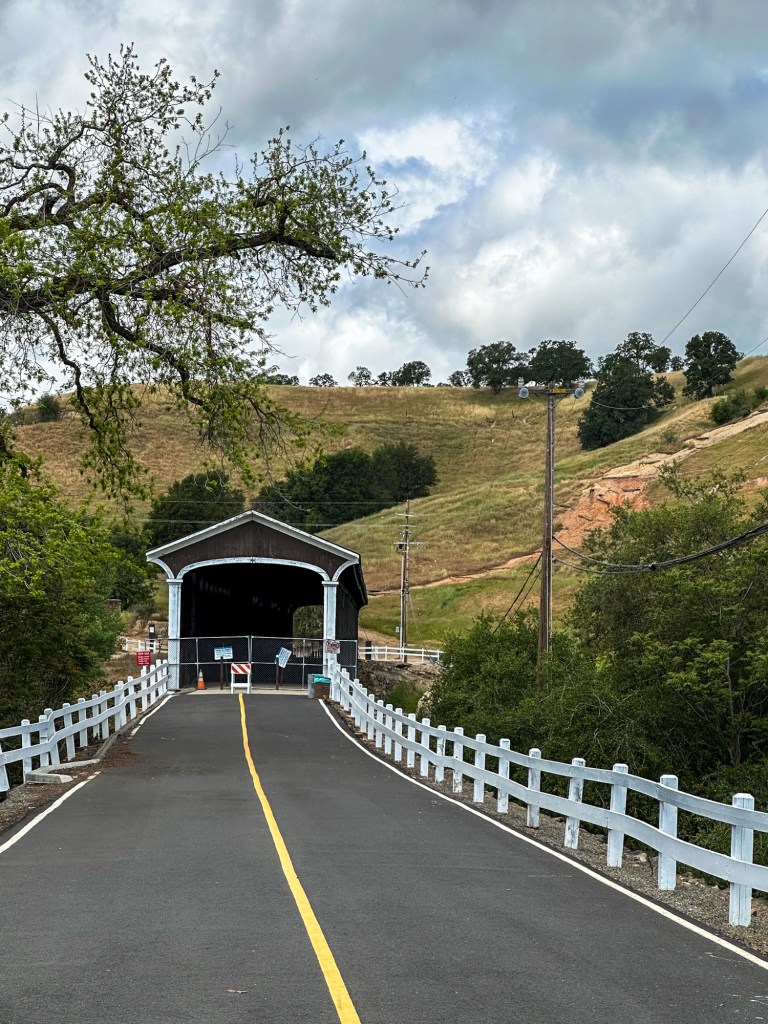
On our way back to the San Francisco Bay Area, we stopped at Knights Ferry Covered Bridge Park. The bridge, built in 1863, is approximately 379 feet long and played a significant role during the California Gold Rush.
This harmonious blend of rich history, breathtaking nature, and soothing relaxation creates an unforgettable weekend getaway.
Today, at the end of the pilgrim’s mass, the Botafumeiro was lit. This ritual is only done on special occasions or at a pilgrim’s request. After being filled with incense and coal by the ‘Tiraboleiros’, the Botafumeiro is tied to a rope hanging by the altar and set in motion.
This is the third time we have attended the Pilgrims’ mass at the cathedral and the first time we have witnessed the fire up of the Botafumeiro.
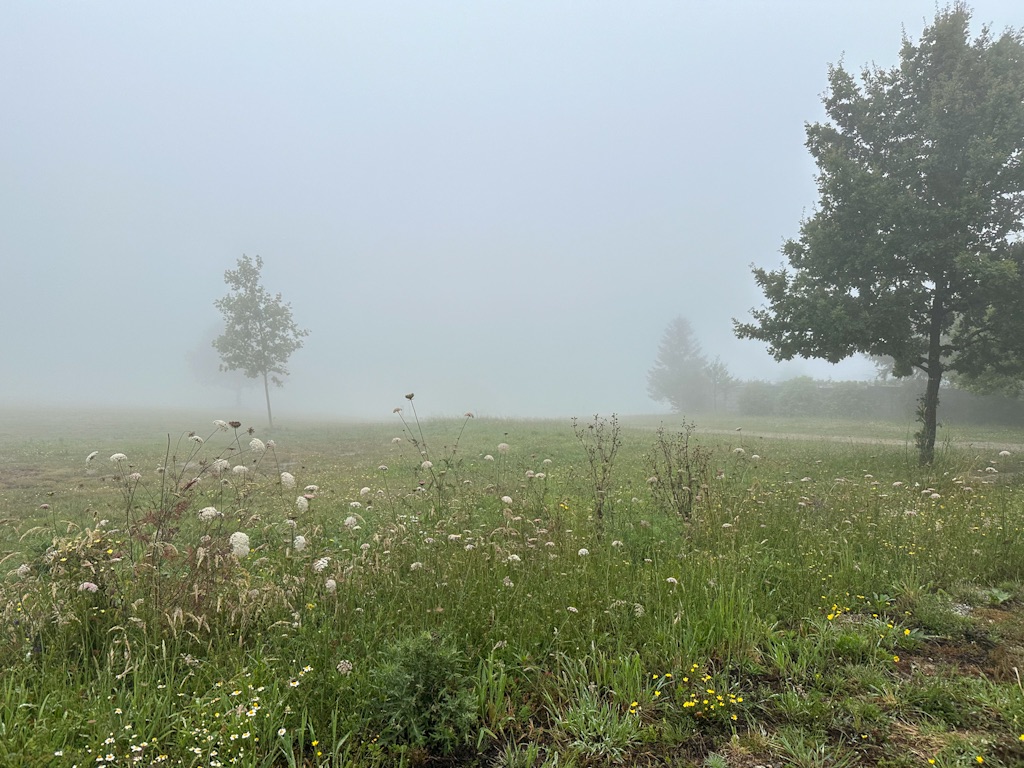
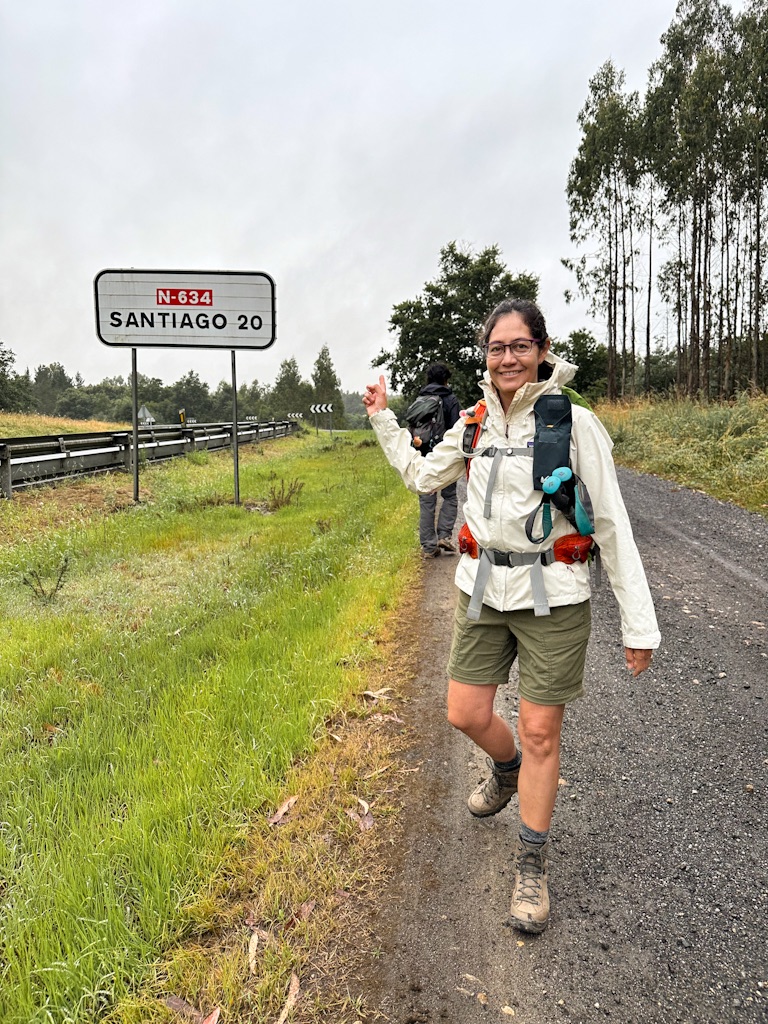
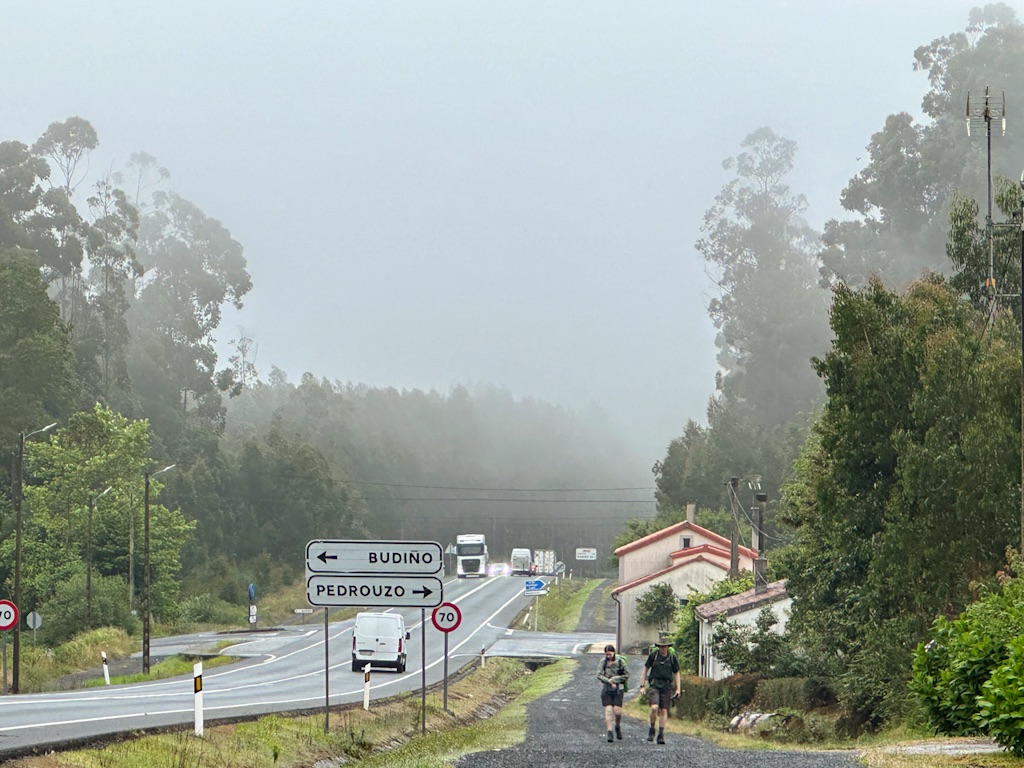
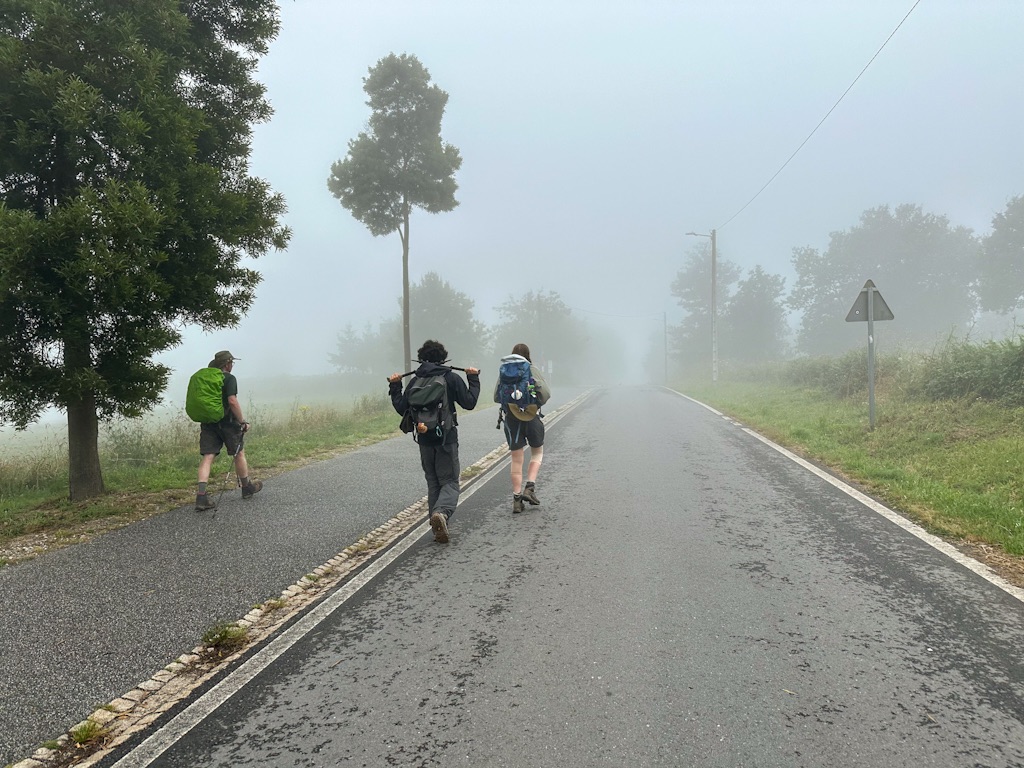
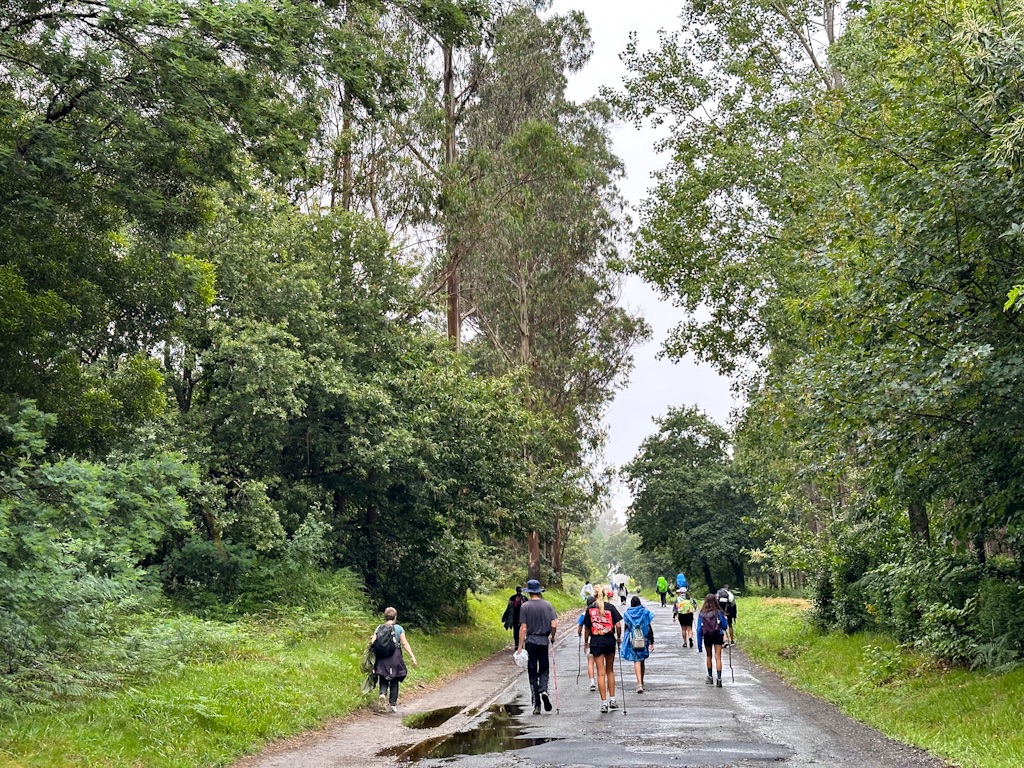
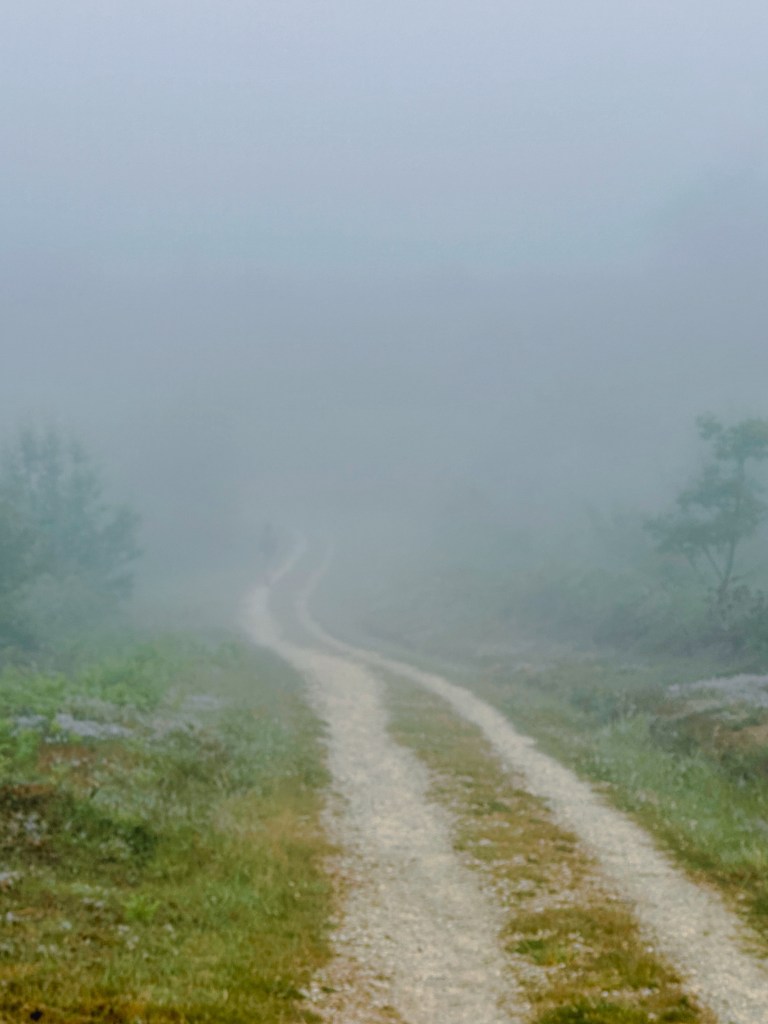
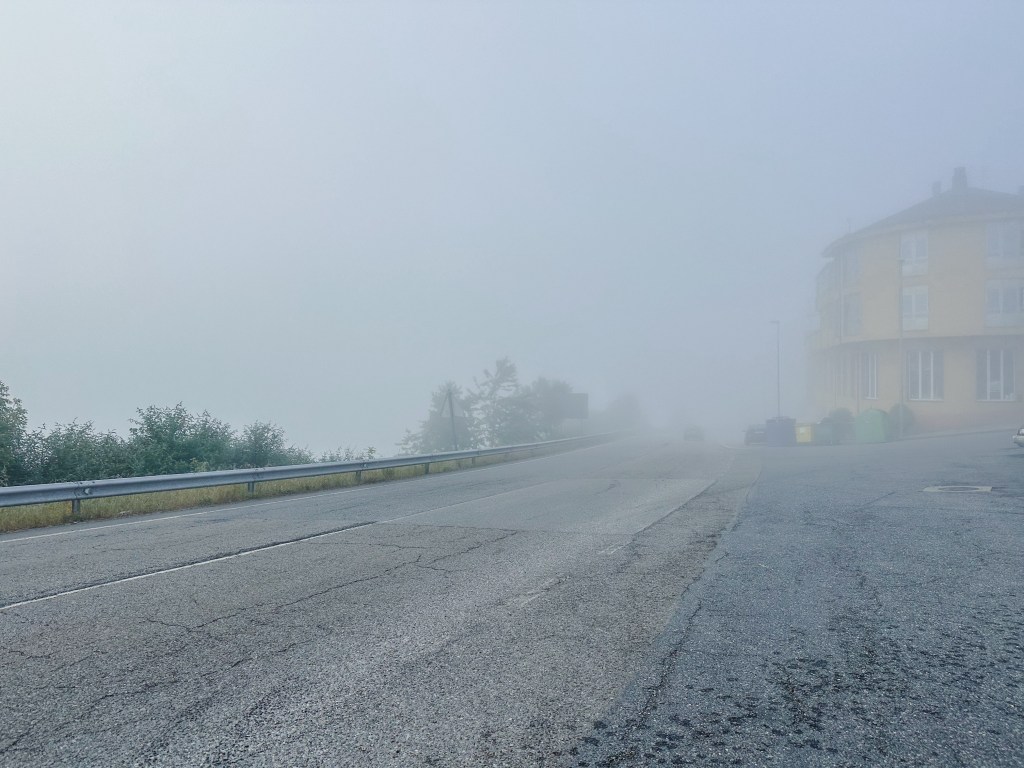
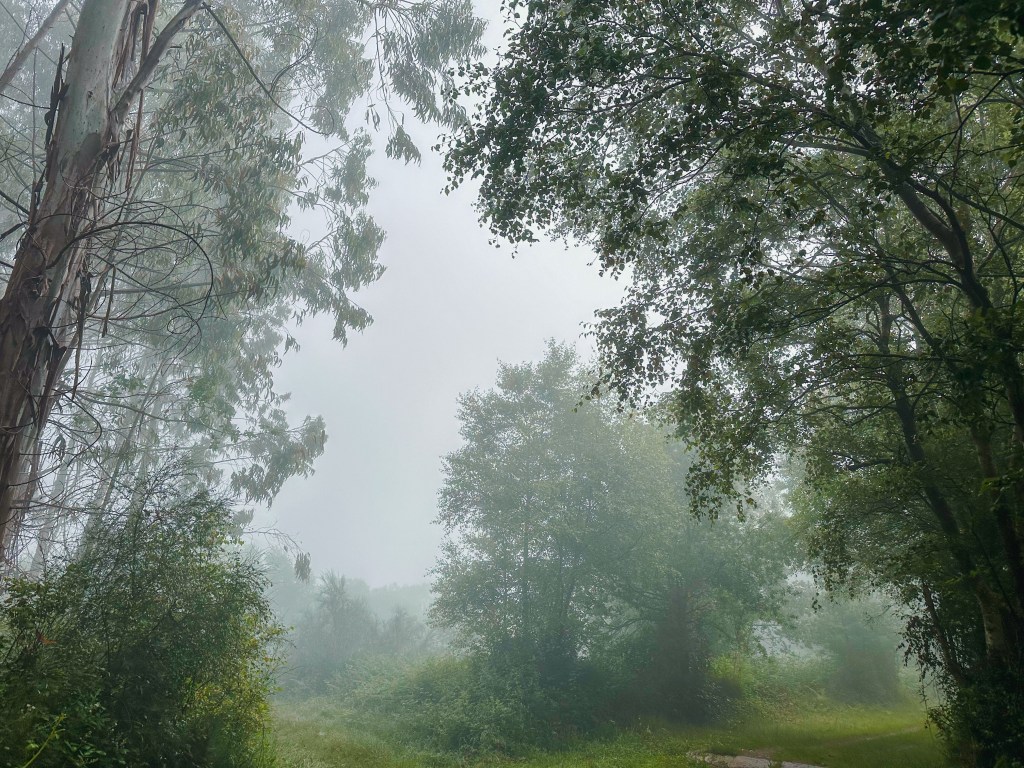
The final stage to Santiago is 20 km. We were excited to reach Santiago, but we felt sad that it was the last day of our journey. All morning, it was raining and foggy.
Our hotel host recommended that we take an alternative route to Santiago to avoid the busier sections of El Camino. We hiked along the freeway towards Santiago and rejoined the main route when we reached the airport. From this section to the cathedral was busy, but when the rain got heavy, people found shelter in the cafes, and we kept walking. That was when we could enjoy the silence and the foggy day. As we arrived in Santiago, we started planning our next Camino.
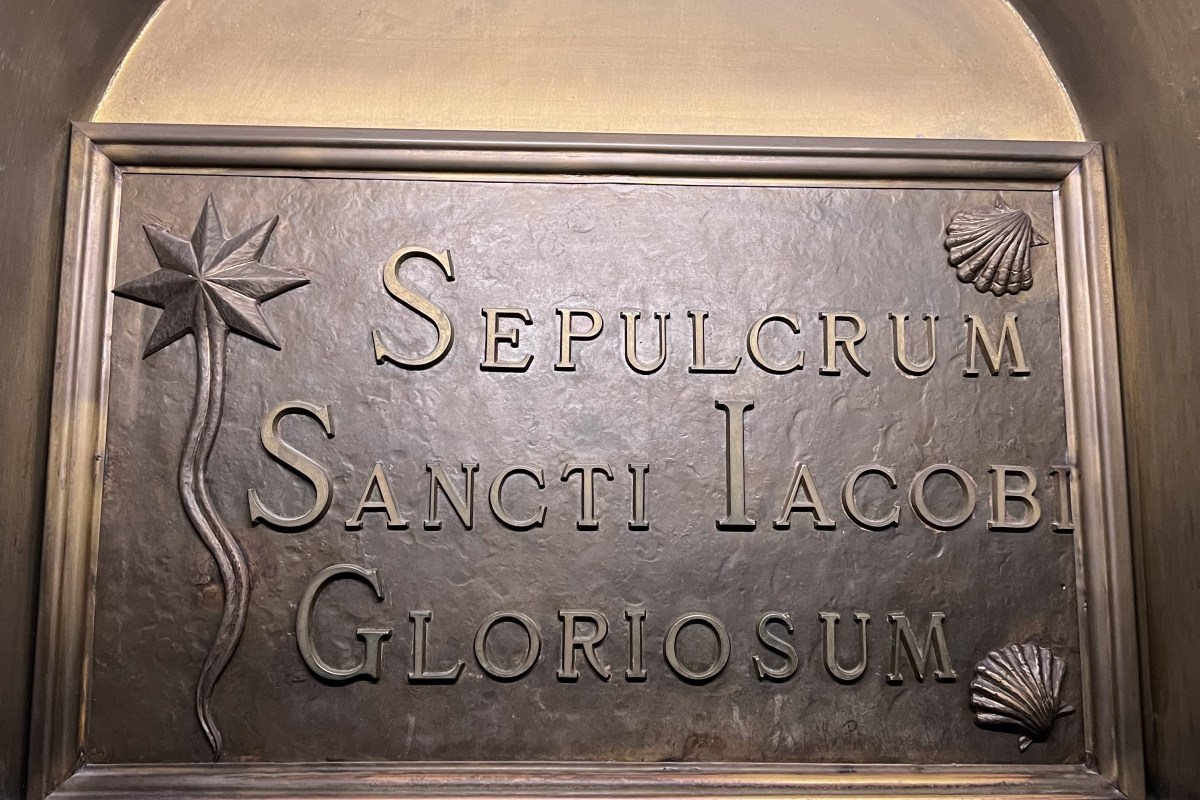
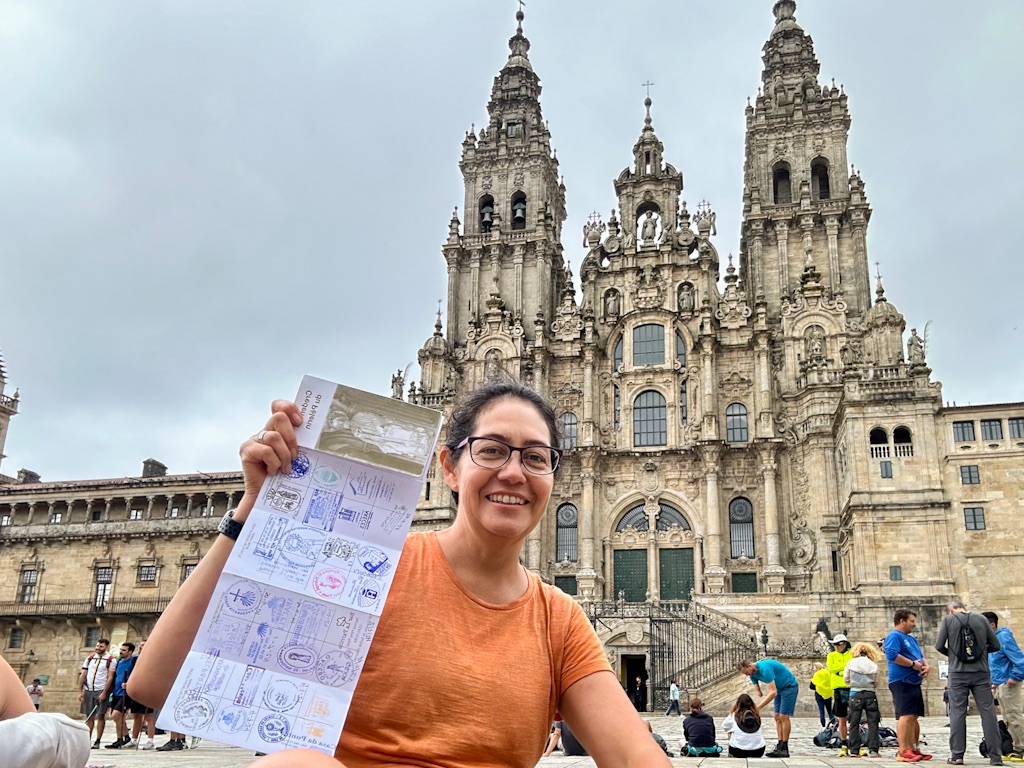
After a long lunch, we reached Santiago in the early afternoon. We stayed outside the cathedral for an hour before going to the pilgrim’s office for our Compostela. We know we will return to Santiago; there are more Caminos to explore..
Today, we hiked about 20 km to Melide from Ponte Ferreira. We crossed a historic Roman bridge outside Ponte Ferreira, and at this point, I lost track of how many Roman or archeological zones we passed en route to Santiago.
The hike was easy. We walked through rural towns and villages, and a sense of tranquility was around us. We are approaching Melide, where the French Way and El Camino Primitivo cross. The trail will be busy in the coming days with people doing the last 100 km and those doing the French Way. Today is the last day to enjoy a quiet hike.
We arrived in Melide around lunchtime. It was busy; it was market day, and hundreds of pilgrims were walking on the streets. Some would spend the night here, and others were walking through. I have a feeling about how our hike will be tomorrow.
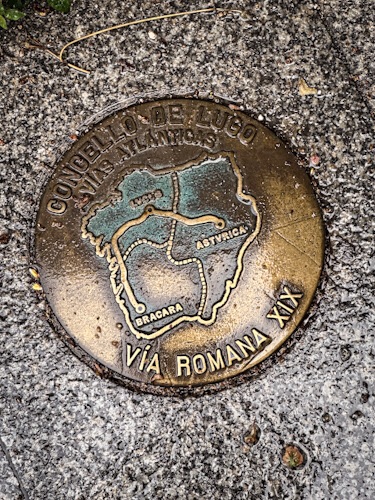
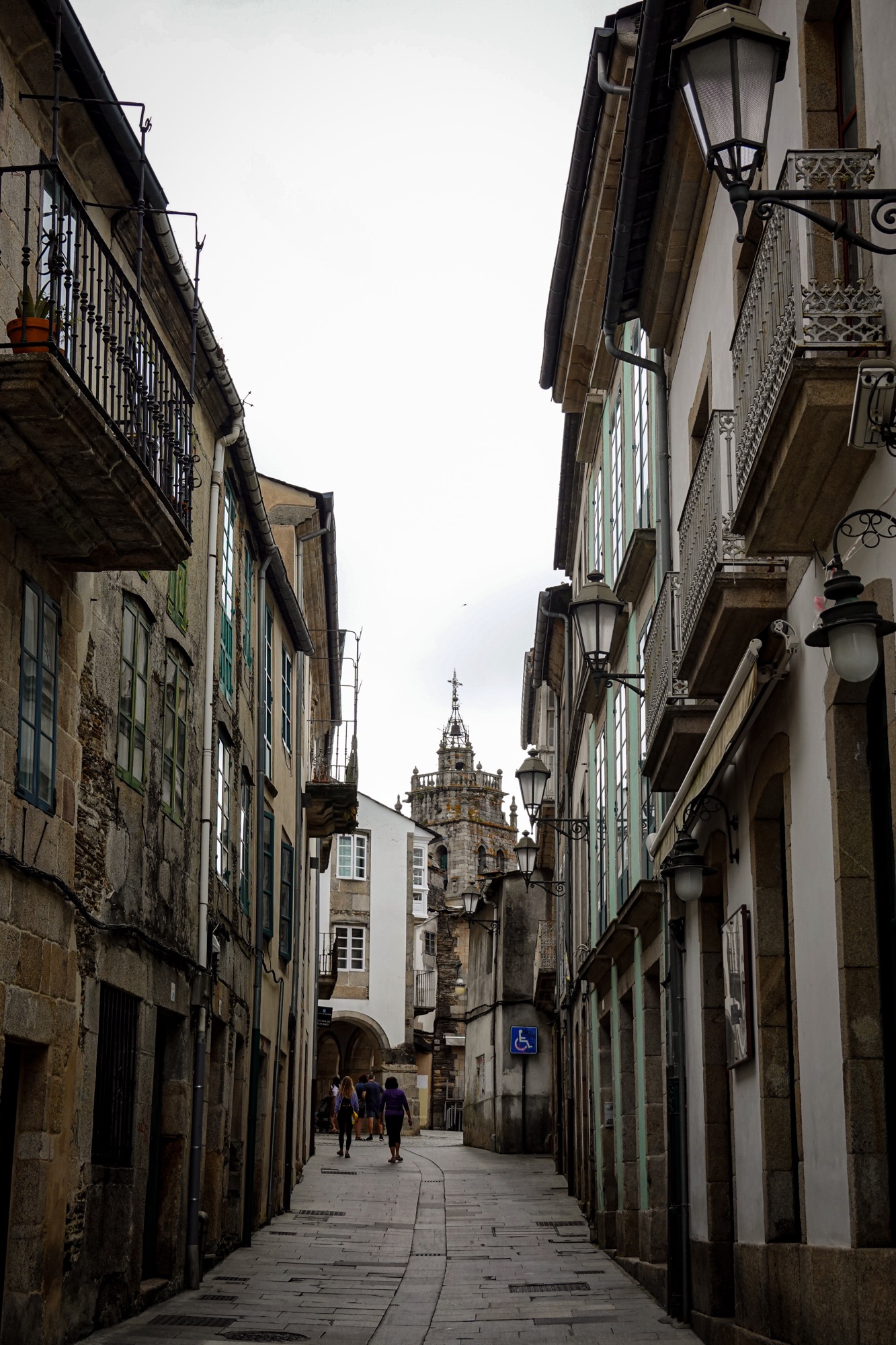
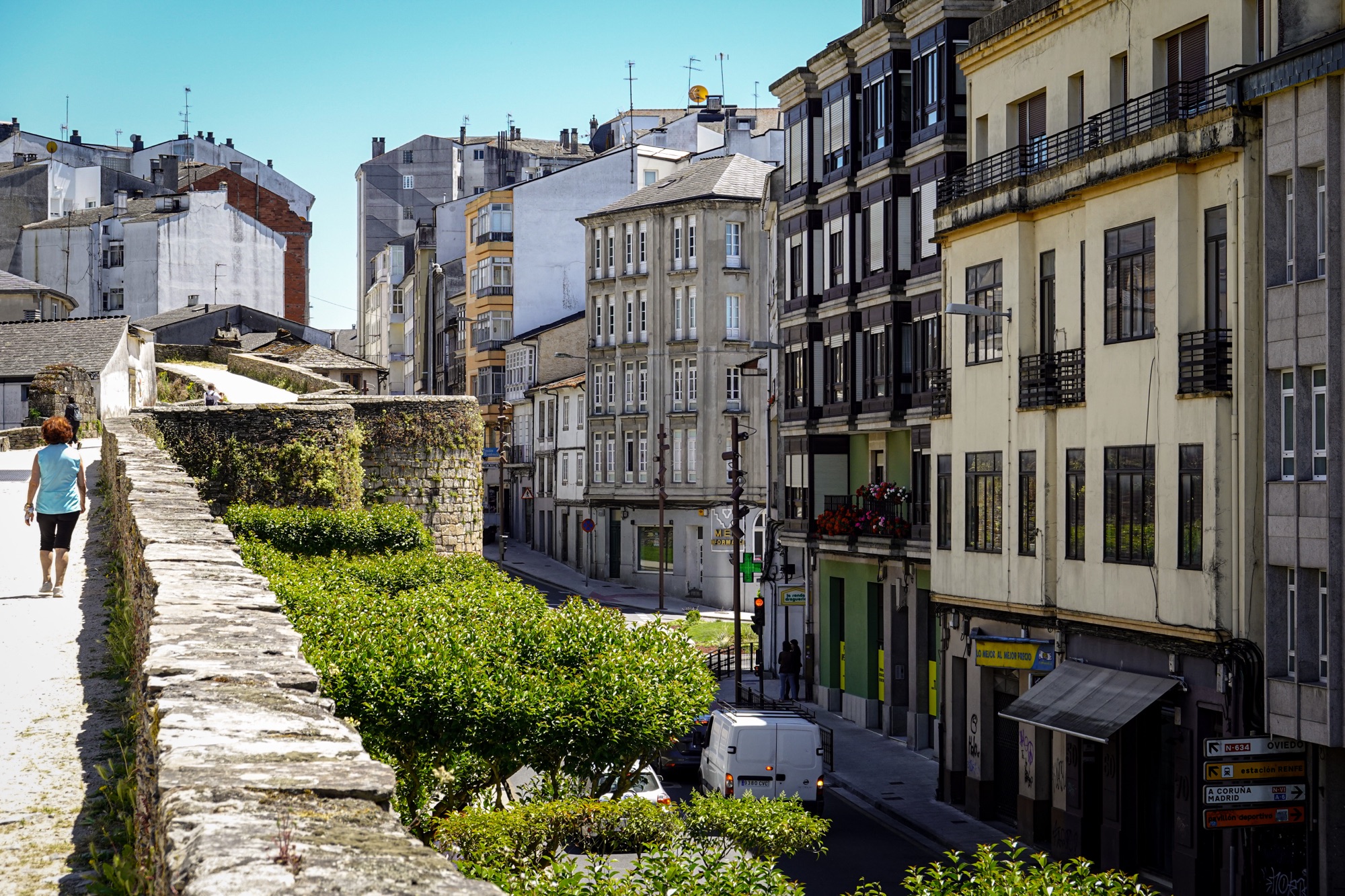
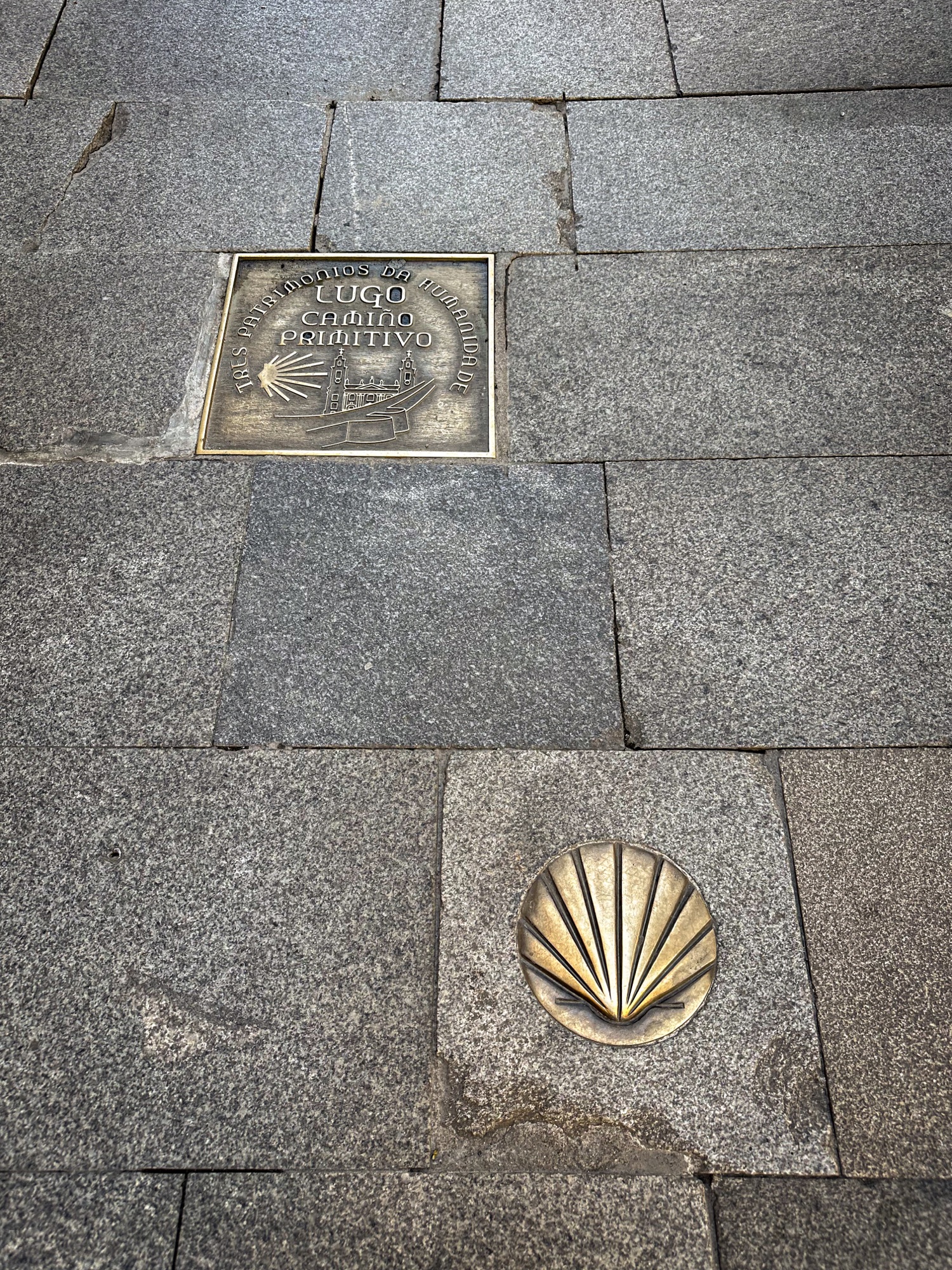
We spent one day in Lugo and had the opportunity to tour this walled city and learn about its importance during the Roman Empire.
In Lugo, several people have begun their journey to Santiago. We found more people and groups of recent high school graduates on the trail. Unfortunately, this group has been the loudest and listening to music on the trails.
The trails are now flat, with very little change in altitude, as in the Asturias area. Today is Sunday, and several bars and restaurants are closed, making it impossible to find a place to rest and drink coffee. We only found one restaurant, where we had to wait about 45 minutes until they opened the kitchen. While waiting, a group of English hikers told us that two of their friends had been attacked by a loose dog, and they had to call an ambulance to take them to the hospital.
In all the Caminos we have done, this is the first time we have heard of a dog attacking hikers on the trail.
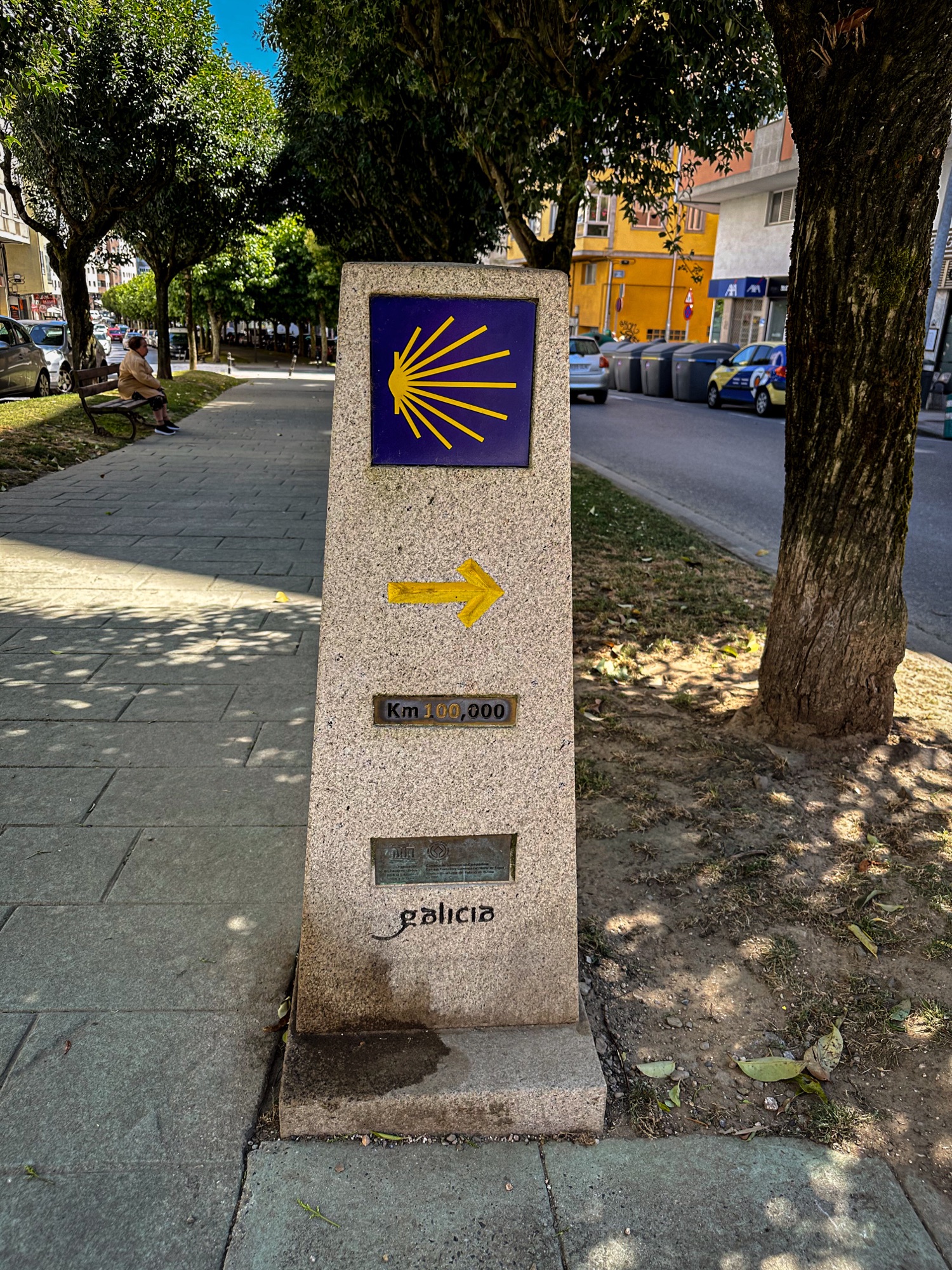
Today, we completed our longest hike, covering 19.2 miles (32 kilometers) from O Cadavo to Lugo on the Camino Primitivo. This section of the Camino de Santiago offers a blend of natural beauty and cultural heritage.
We still have approximately 100 kilometers (about 62 miles) left to reach Santiago. Along our journey, we’ve had the opportunity to meet fellow hikers with diverse motivations for making this pilgrimage. Some seek spiritual enlightenment; the challenge of physical endurance draws others, while many are simply pursuing adventure. It’s been gratifying to share the path with various people. My daughter has kept a list of the people she’s met and their countries of origin. As a fun fact, she was the first to predict who would fall in love on “El Camino.”
We plan to take a break in the historic city of Lugo tomorrow. Lugo, originally a Roman settlement dating back to the year 25, is known for its well-preserved Roman walls and rich history. It is worth a visit.
Today, we hiked 26 km on Stage 8 of our journey to Santiago. Along the way, we had the opportunity to walk and chat with various individuals on a wide range of topics, from light-hearted to more profound discussions.
In the past few days, we crossed paths with a hiker, and finally, today, we had the opportunity to talk with him as we walked. The gentleman is from California. He described himself as a nomad and has been in Spain walking for a few months, having already completed six Caminos. It’s not the first time we’ve met someone like him hiking different European trails. He told us he retired from a high-tech job and decided to live abroad. Since then, he has been traveling in Europe. He reminds me of another man we met on England’s Coast to Coast trail last year. The man from last year was also retired and had left the United States to begin hiking in Spain and other European areas. He was a fascinating man, known as the “Indiana Johns” of the Coast to Coast because everybody knew him, and he had fascinating stories to share.
The two men seem to be hiking through Europe, seeking to embark on a journey of personal renewal following years of dedicating themselves to their professional careers.
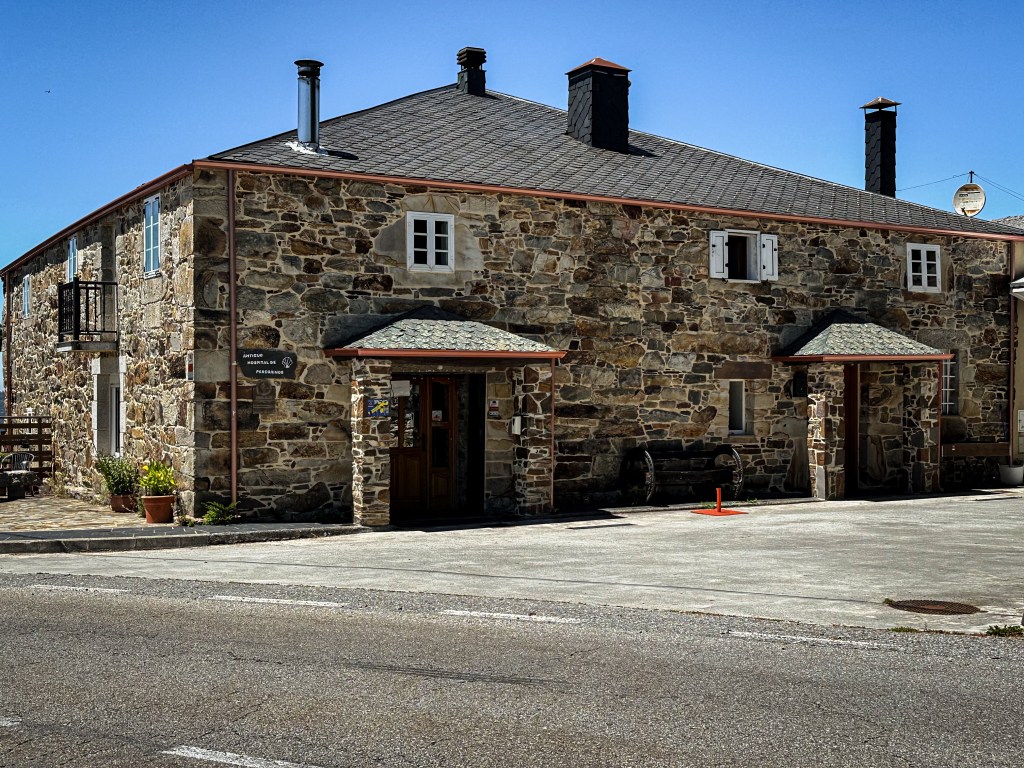
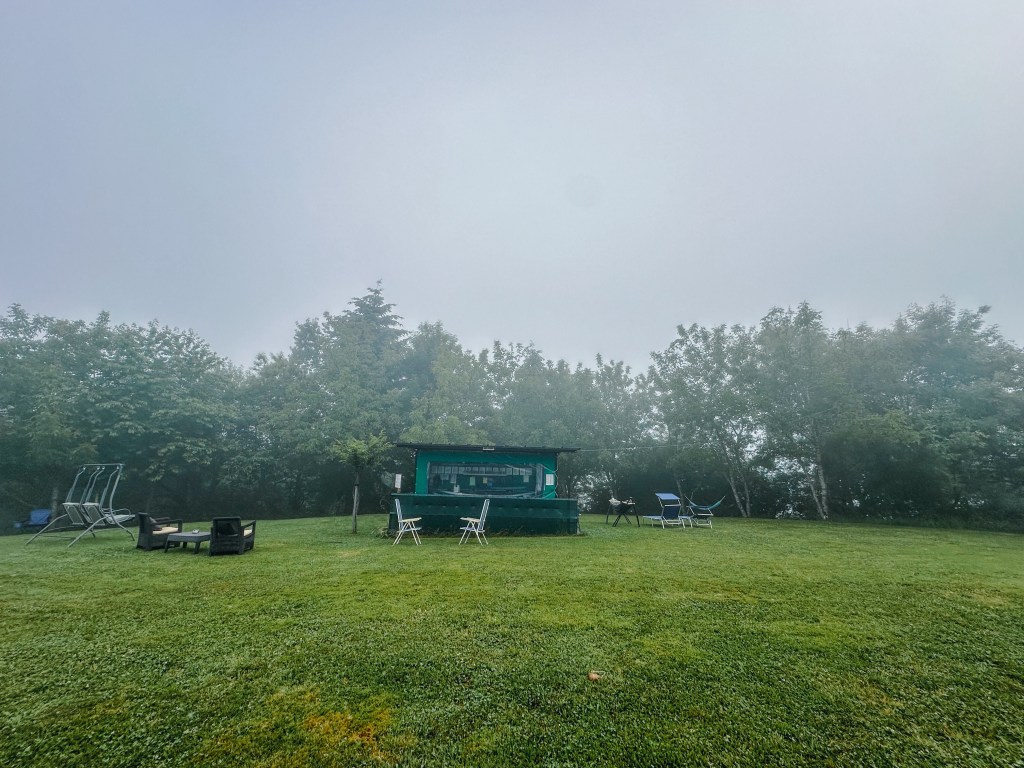
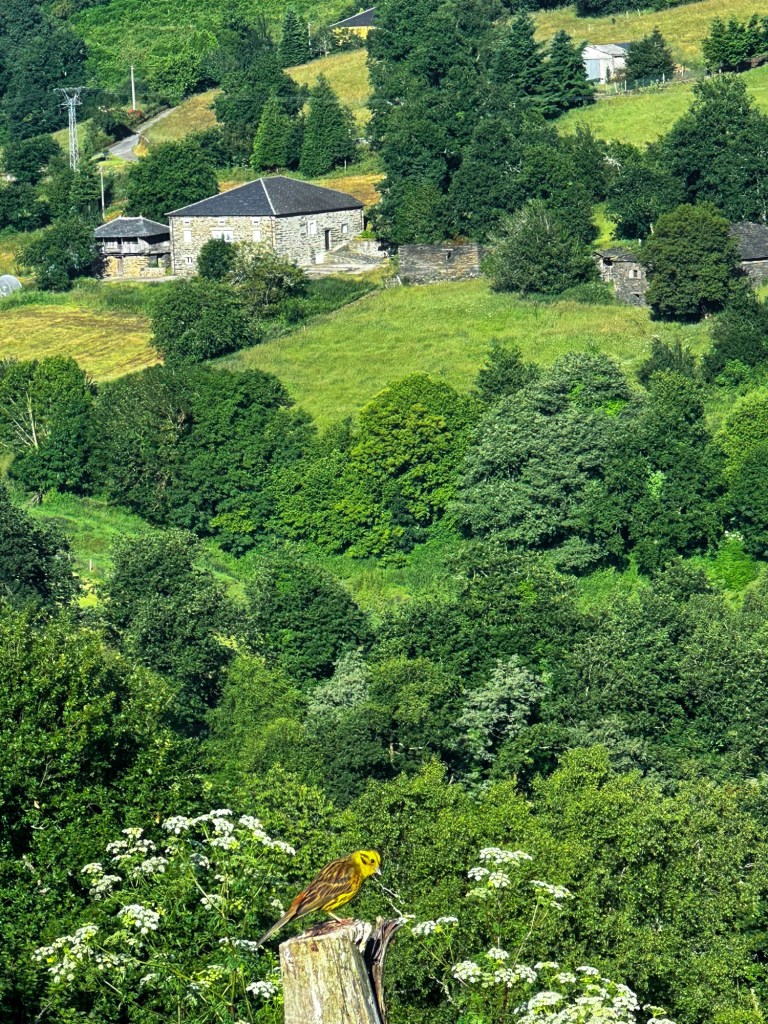
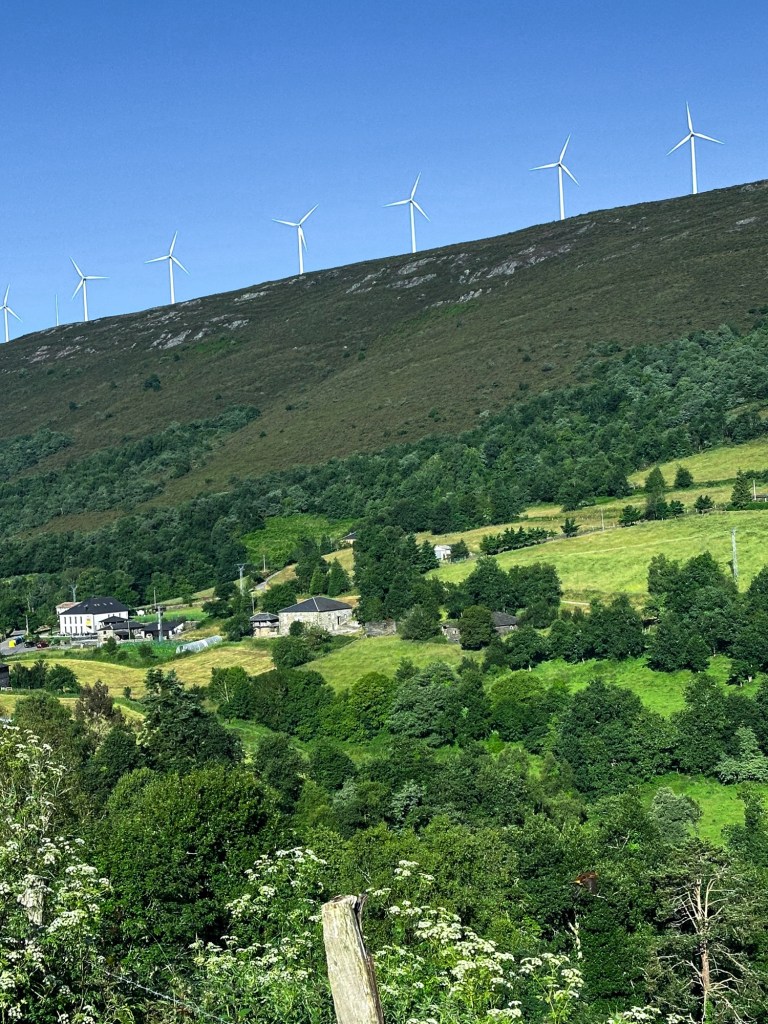
We had a wonderful evening at Casa Aldea Aracely. The charming house is next to a farm and has views of the mountains. I wish we could have extended our stay to more than one night, but we have to keep going.
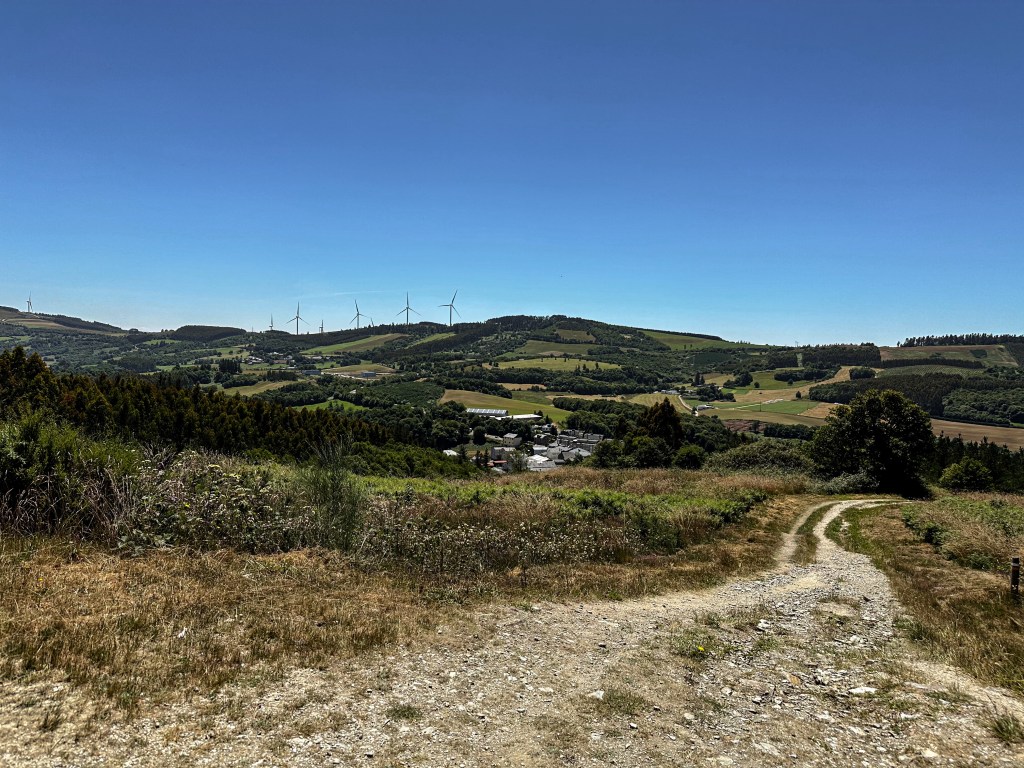
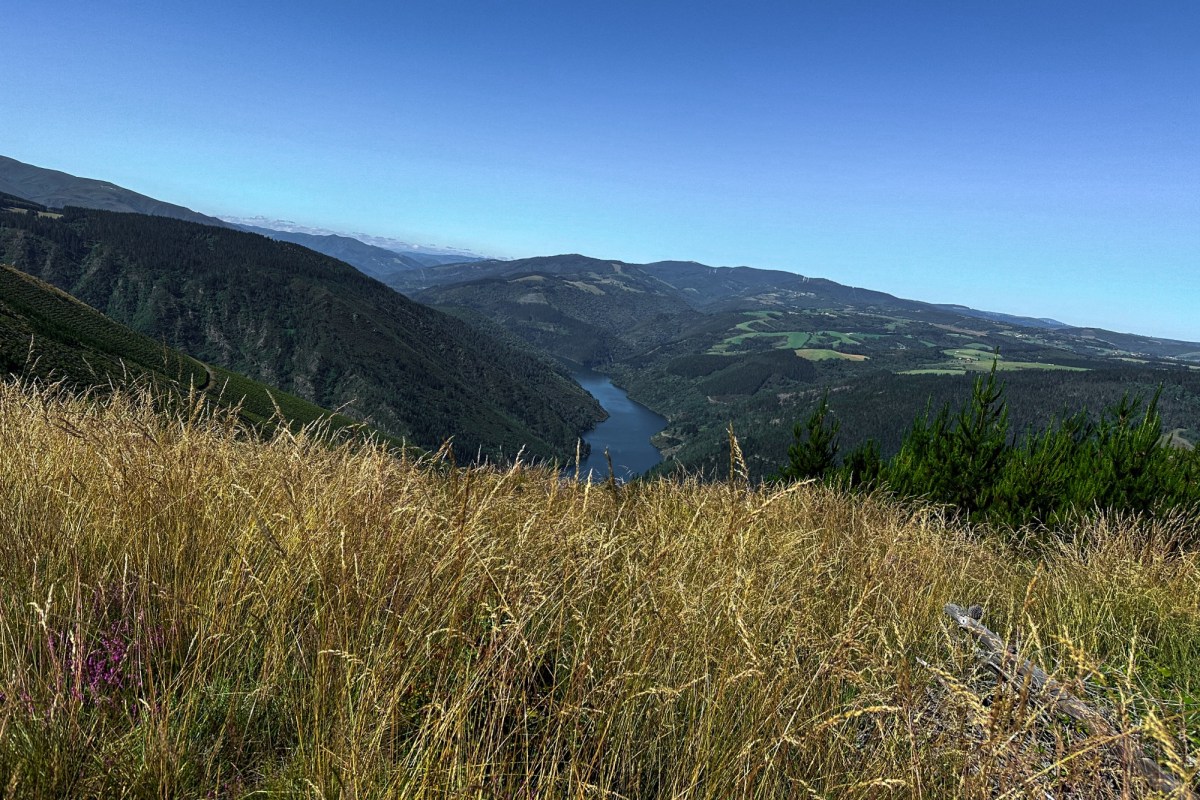
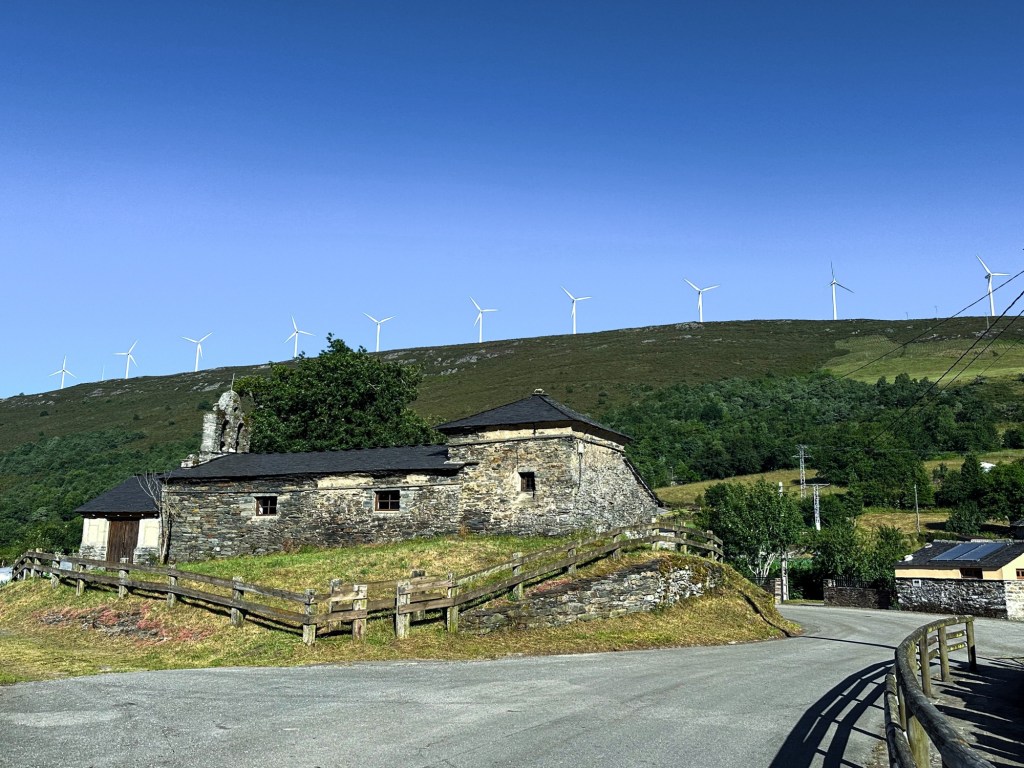
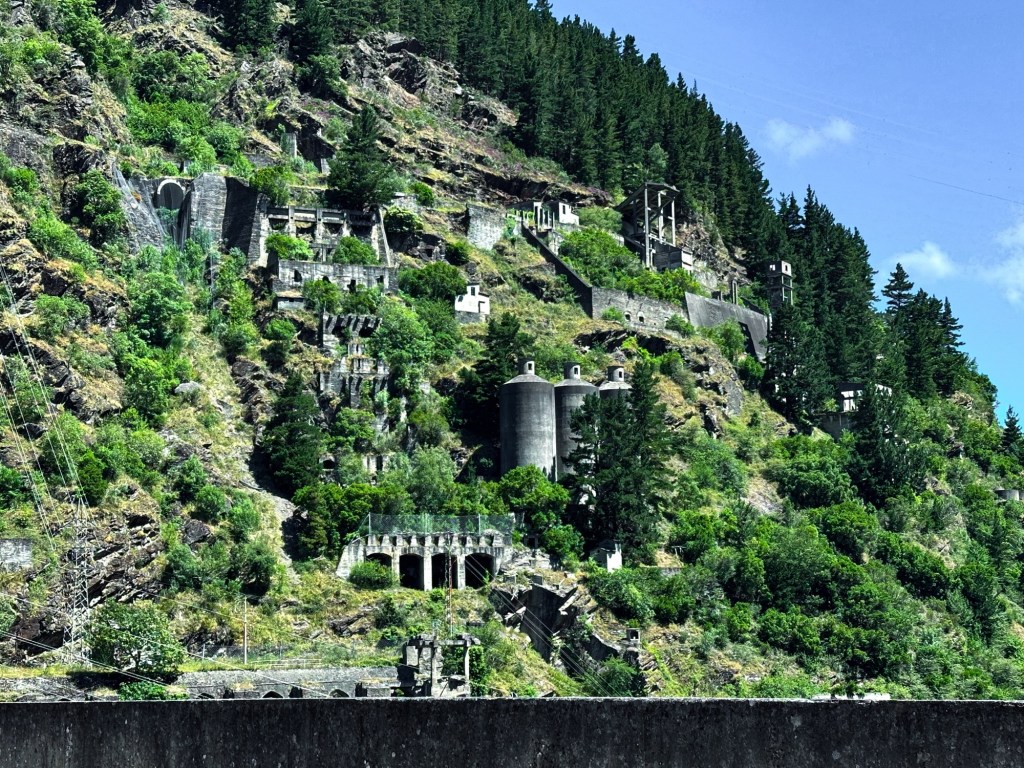
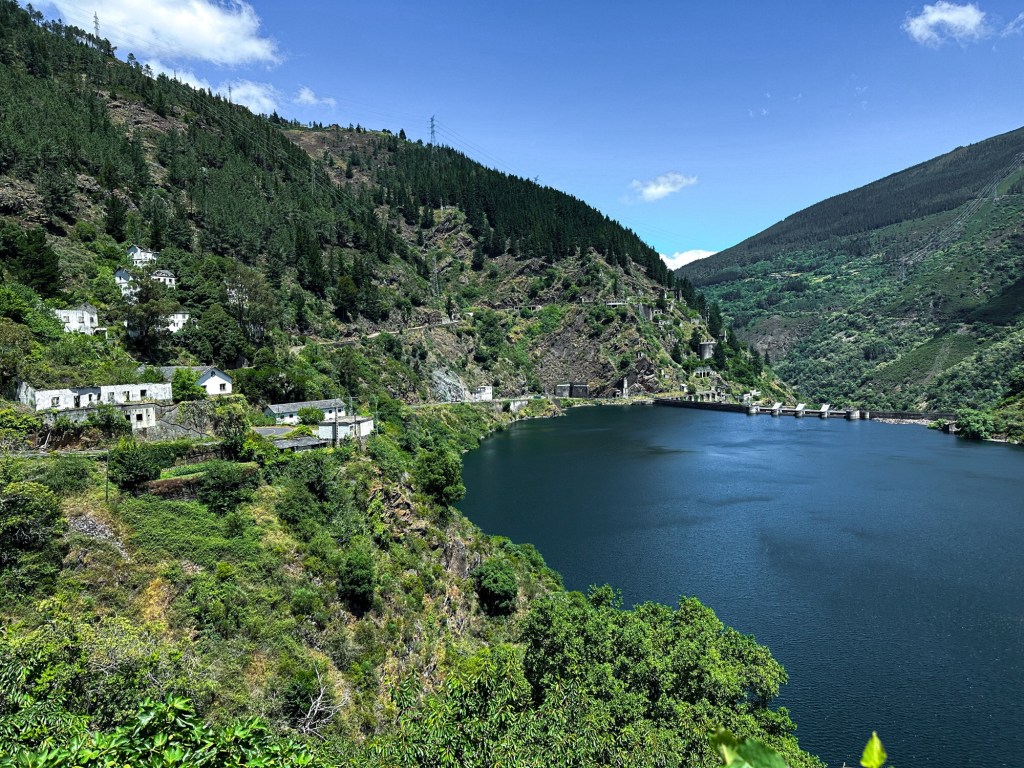
Today’s hike was not too challenging. We covered a distance of 20.5 kilometers (13 miles) with mostly downhill terrain and pleasant weather. Along the way, we had views of the Salime Reservoir and Salime Dam.
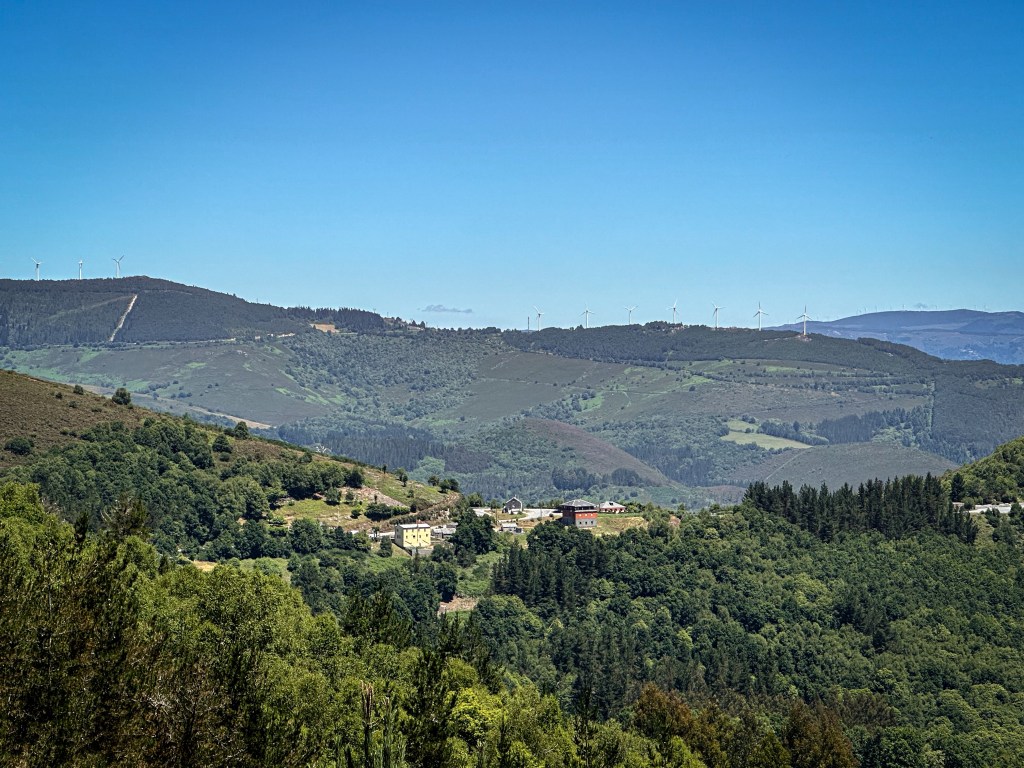
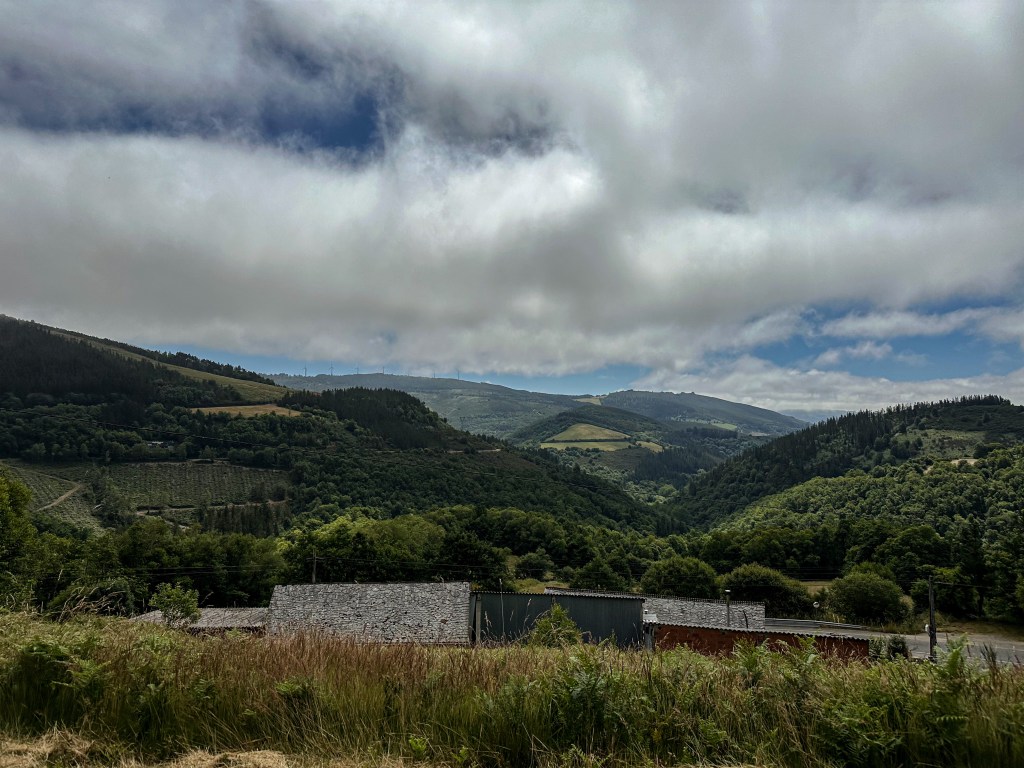
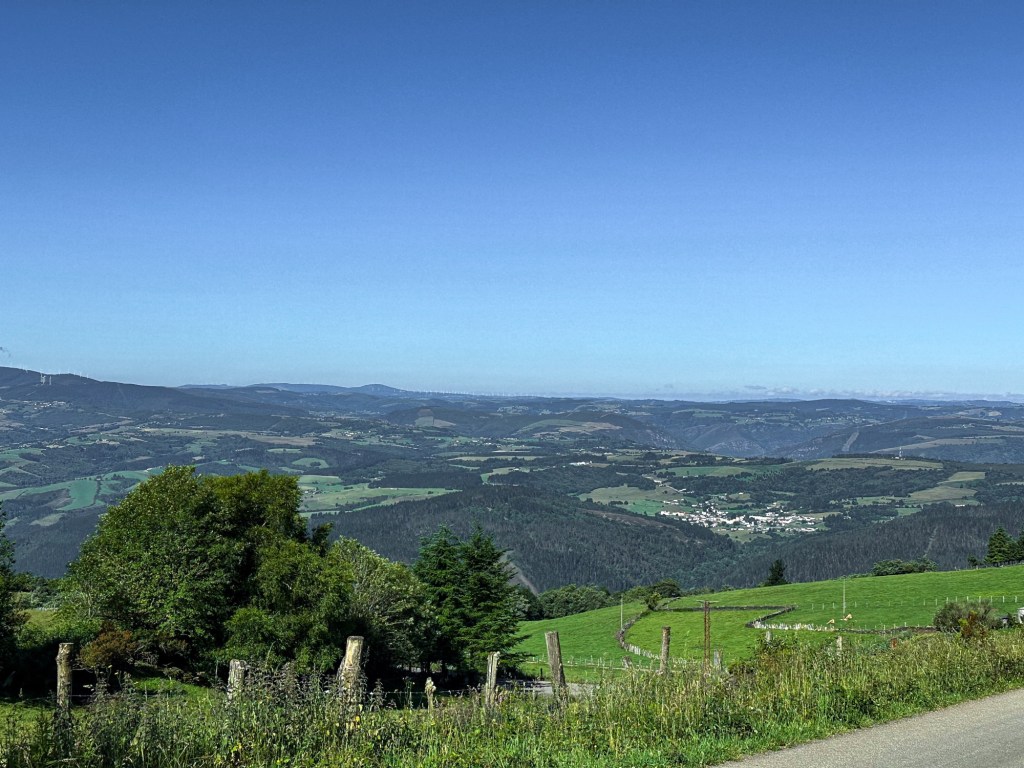
After two days of descending the hills, our bodies feel the strain, especially our knees. We are nearing the end of crossing the Cantabrian Mountains.














 TrekTok