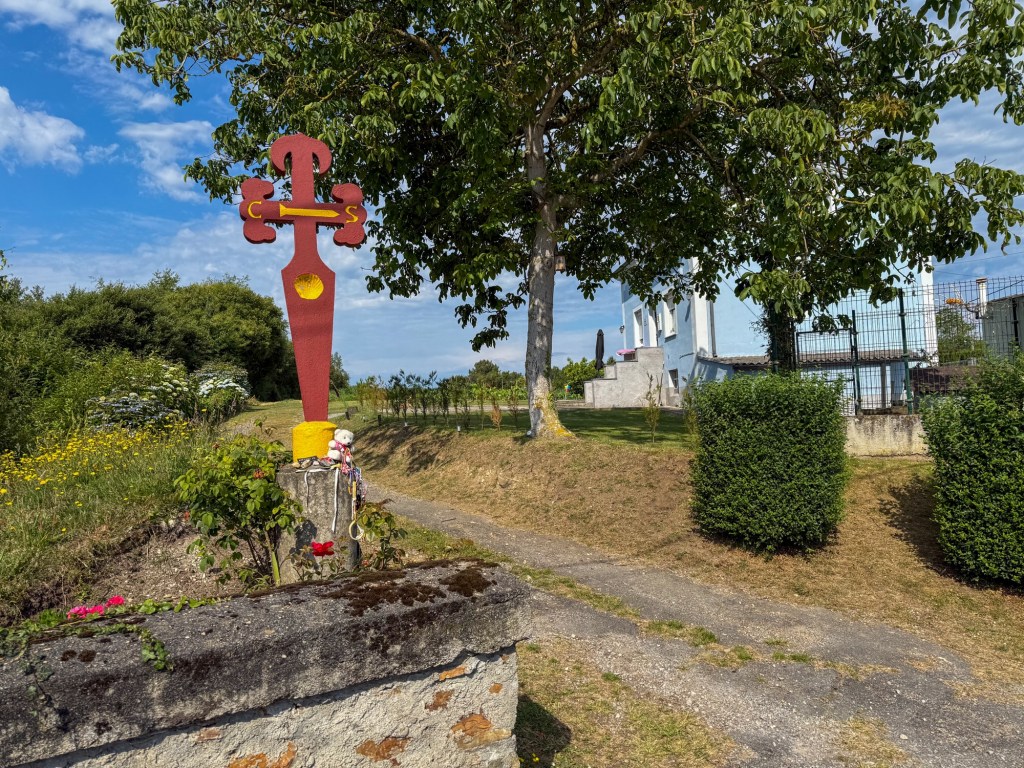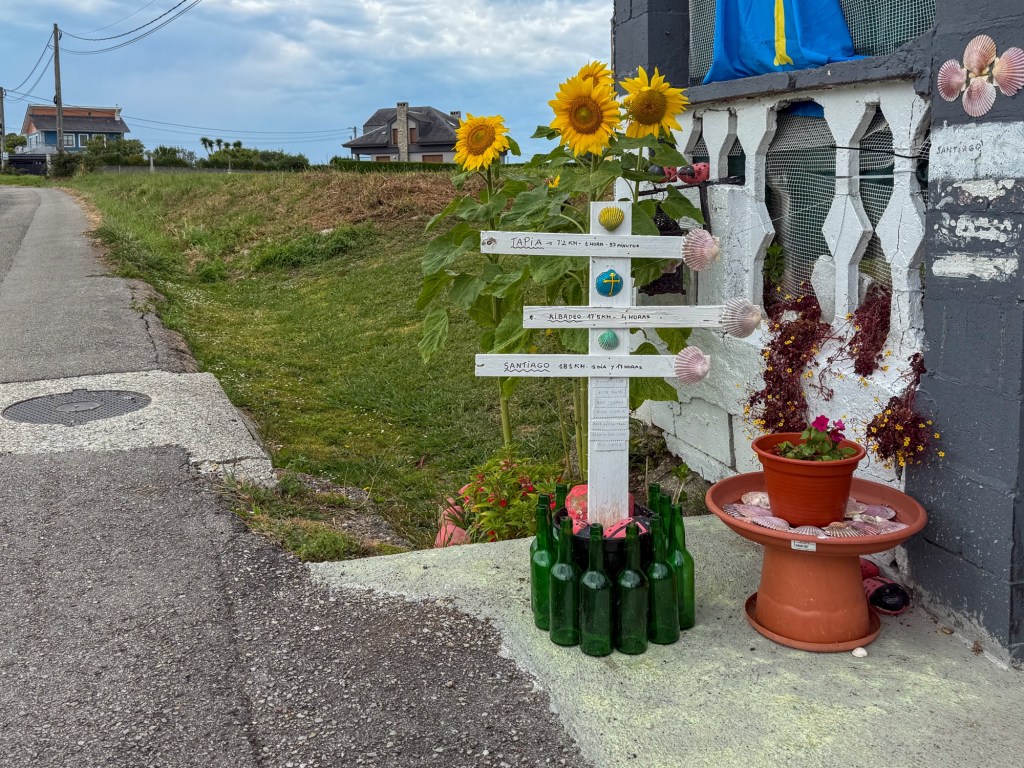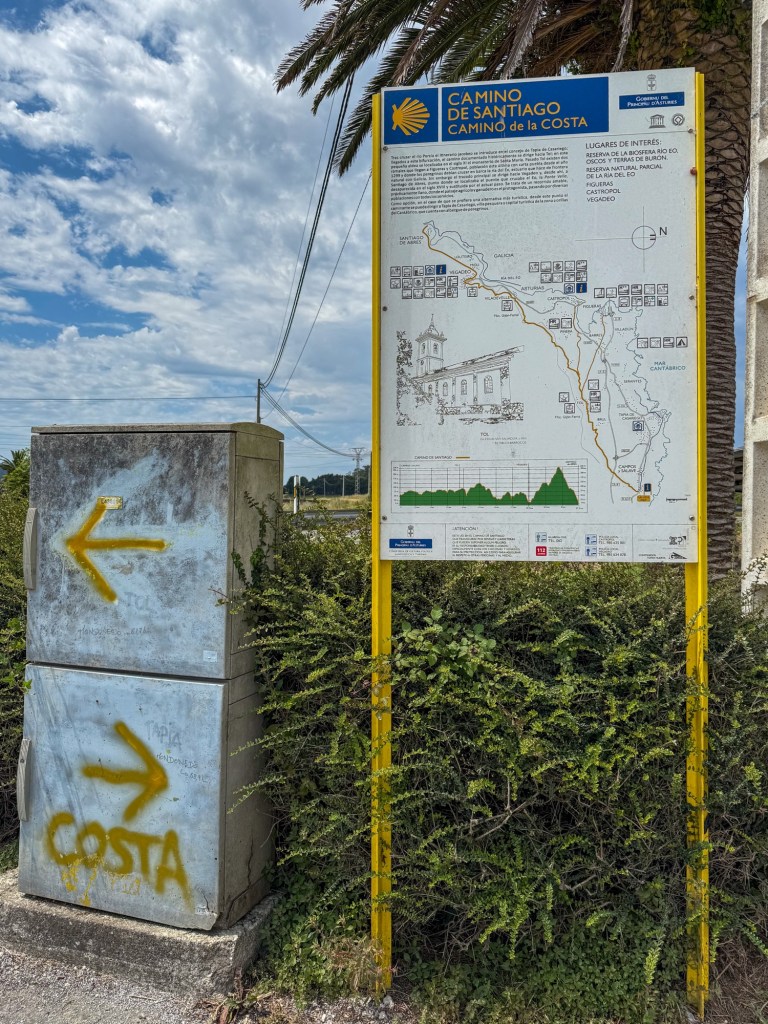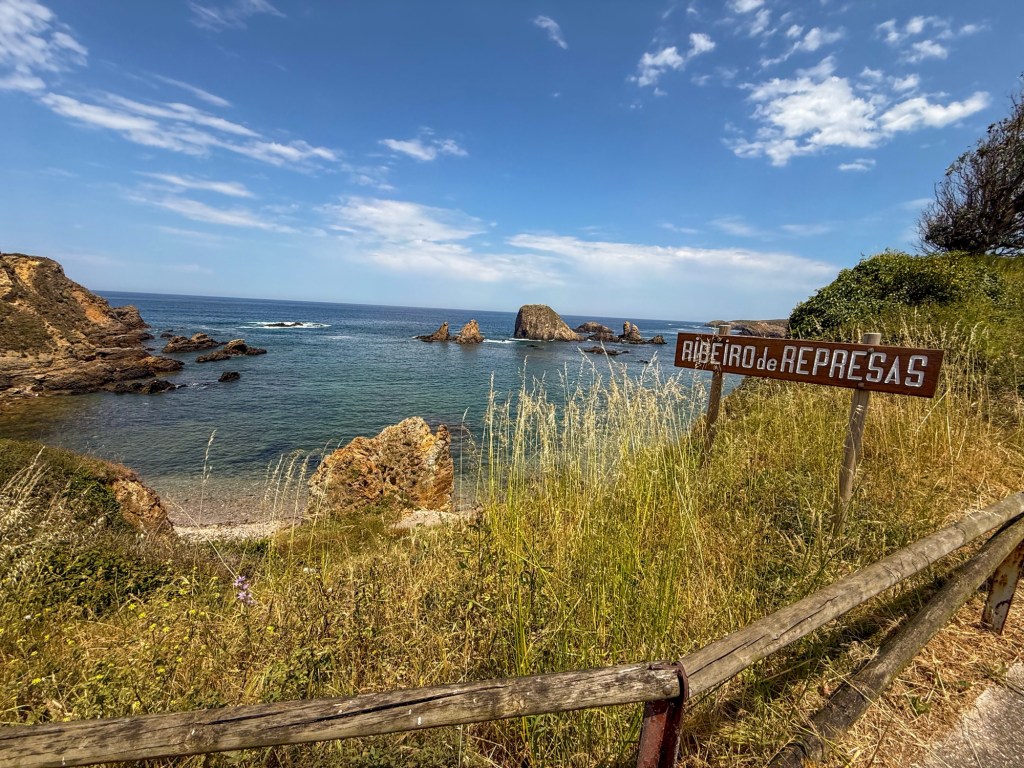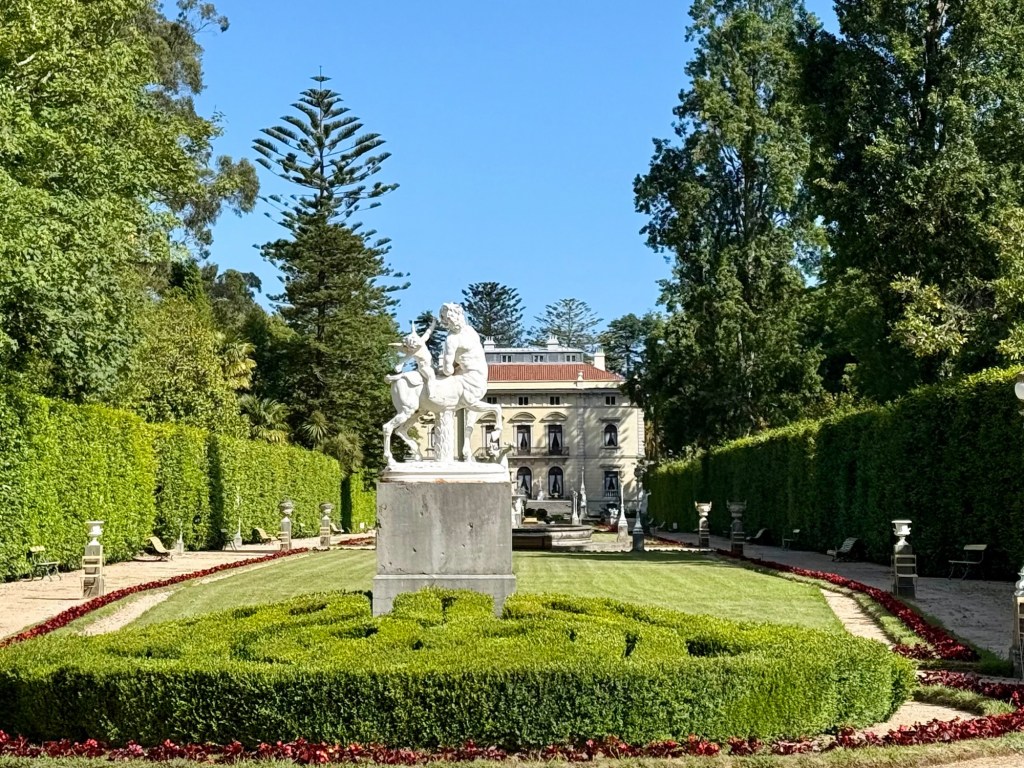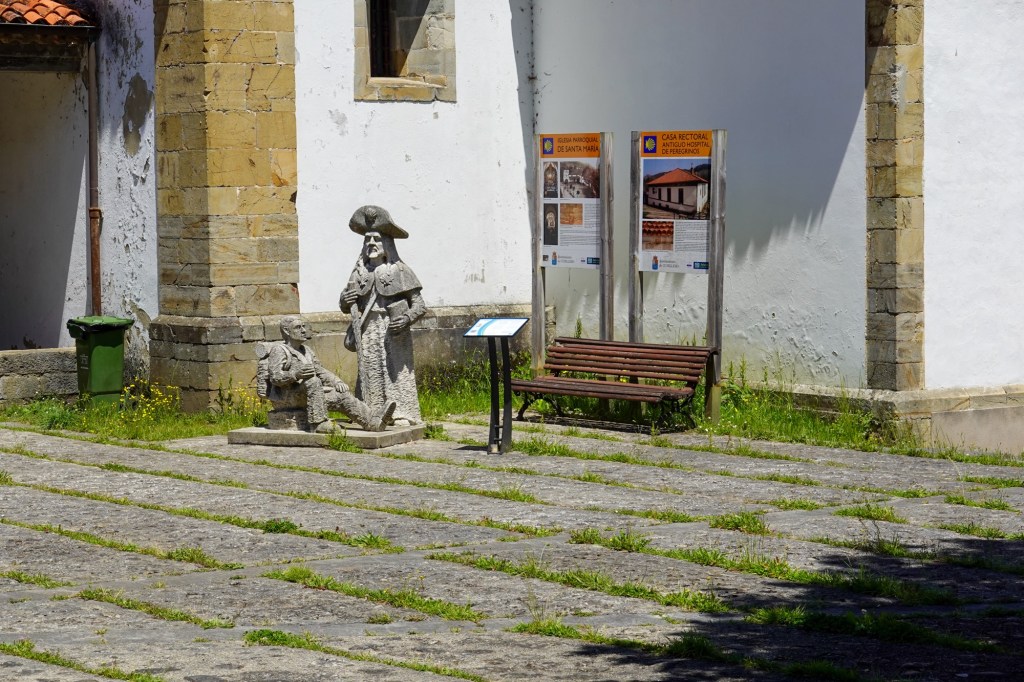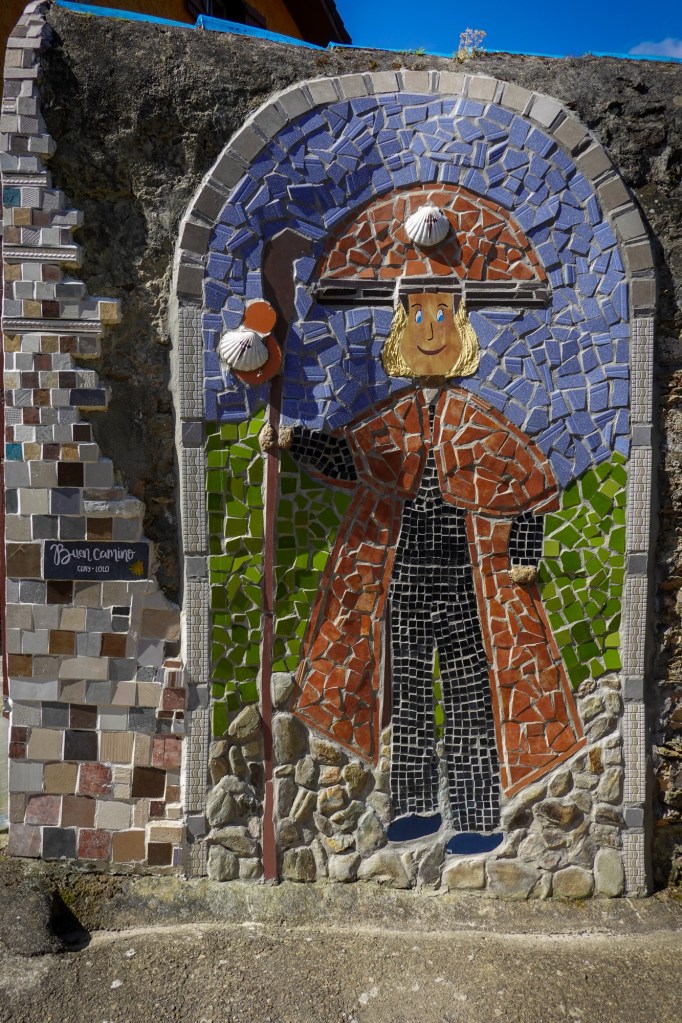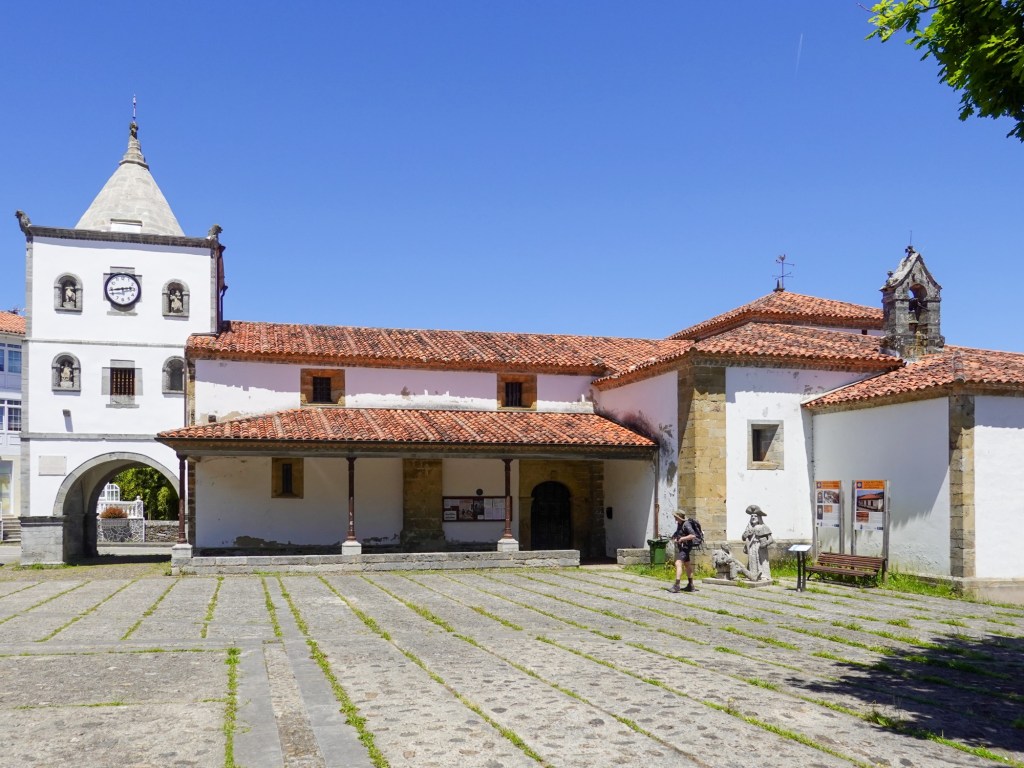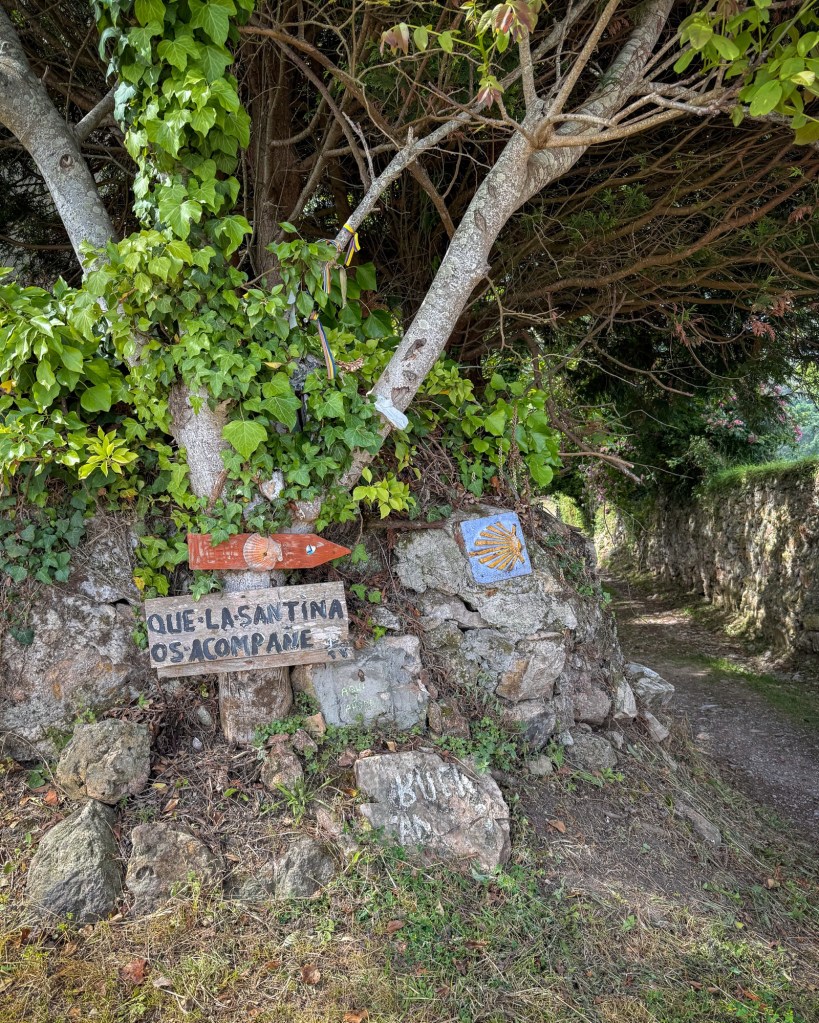
Navia to Ribadeo

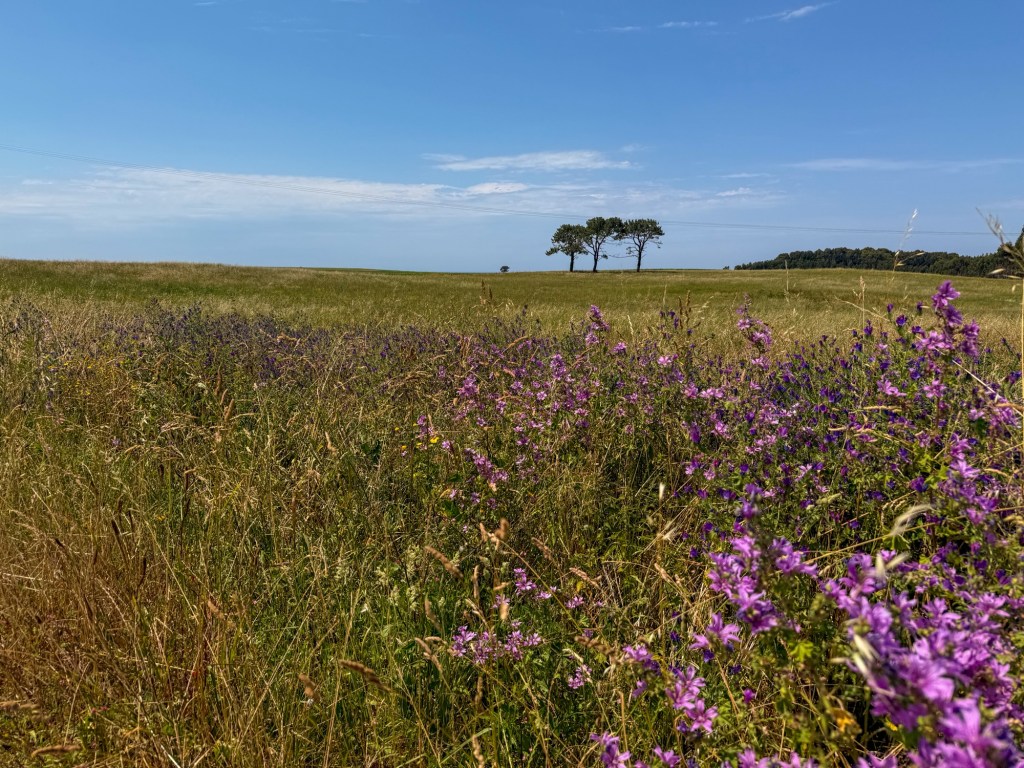
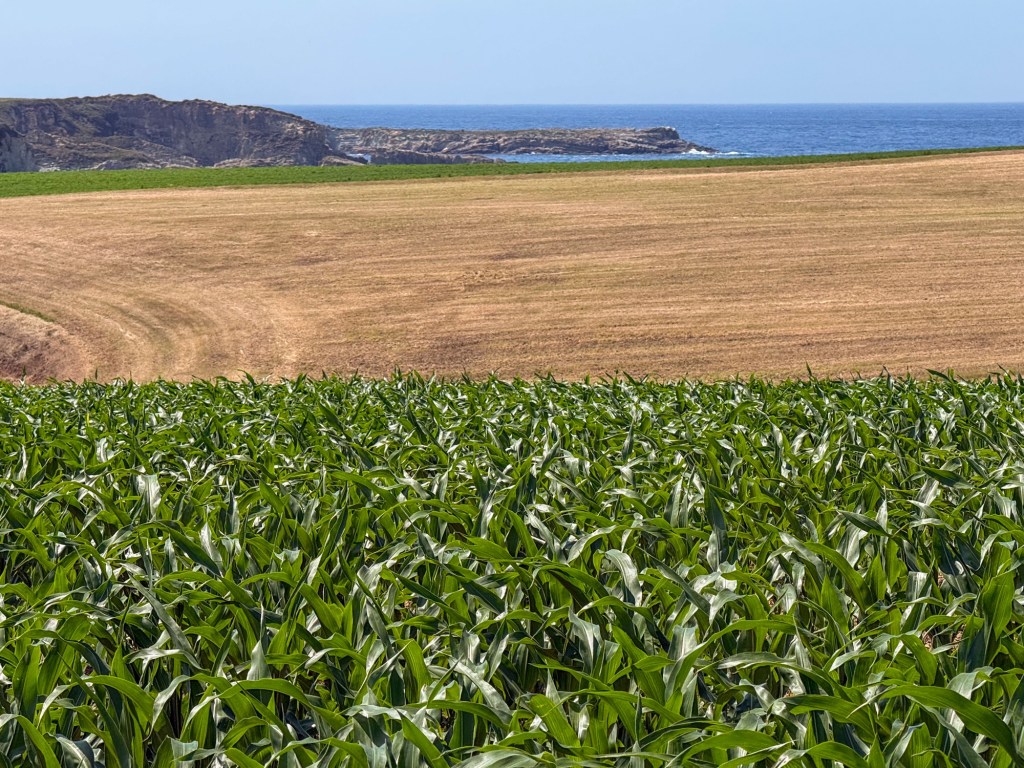
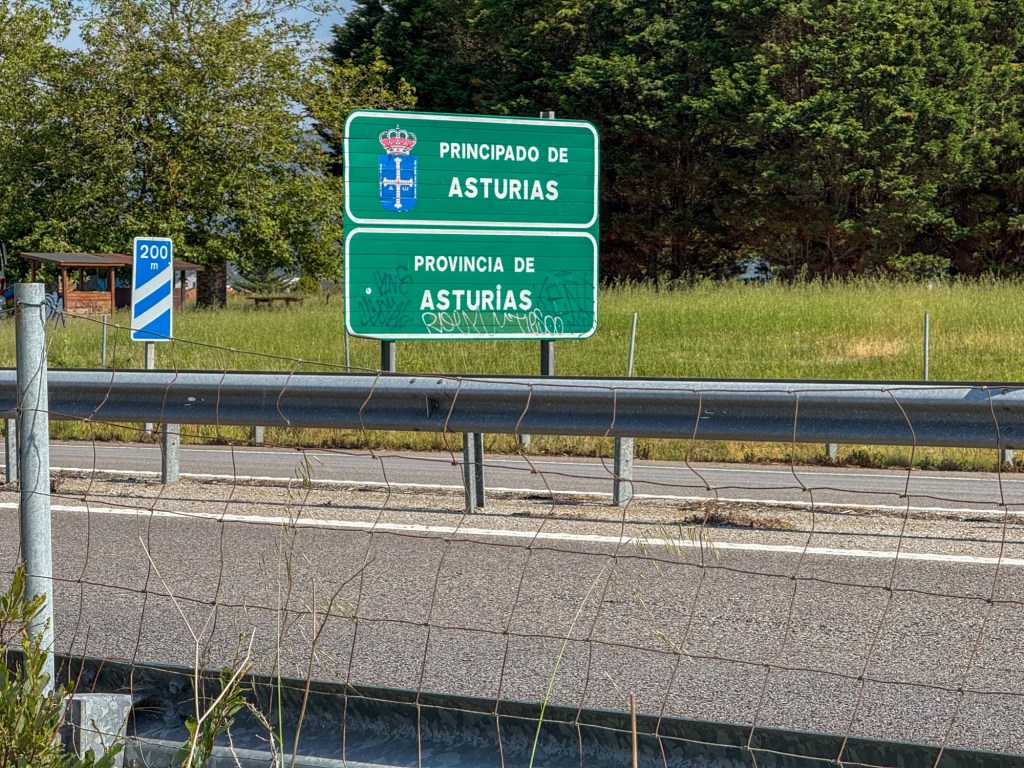
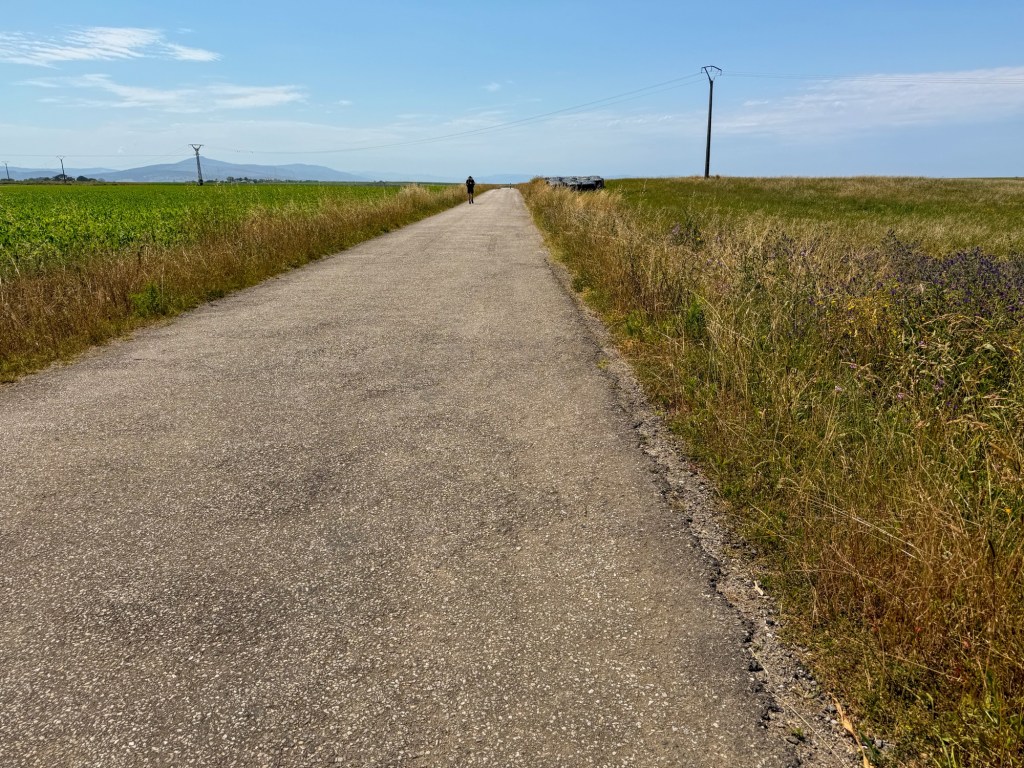
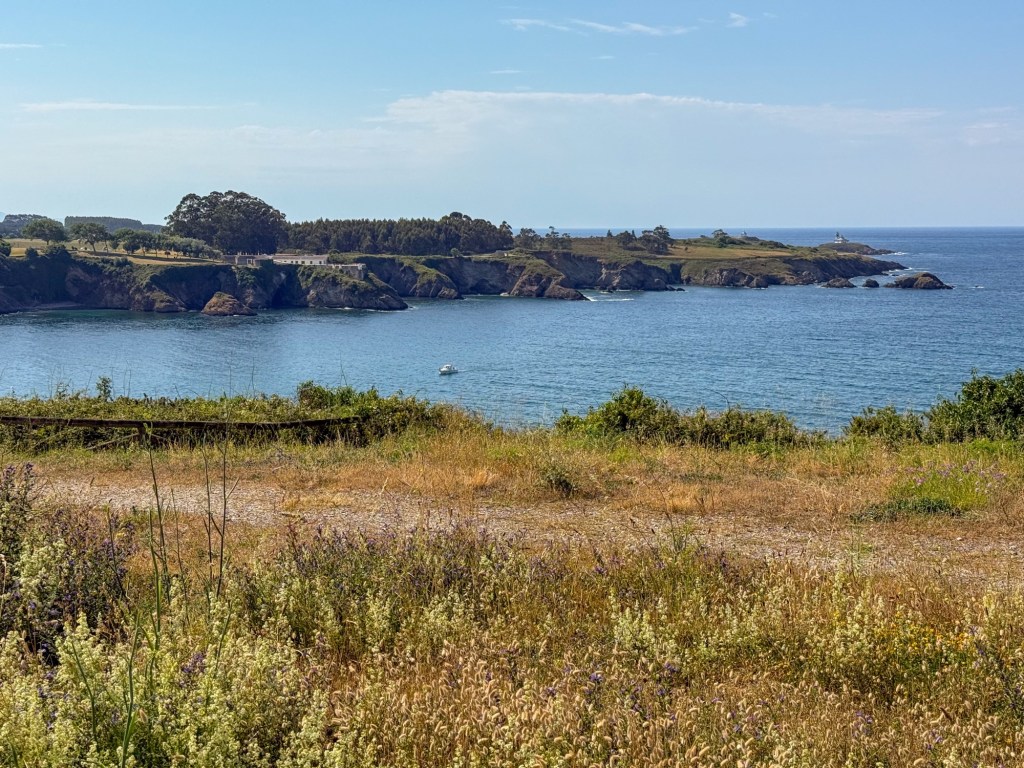
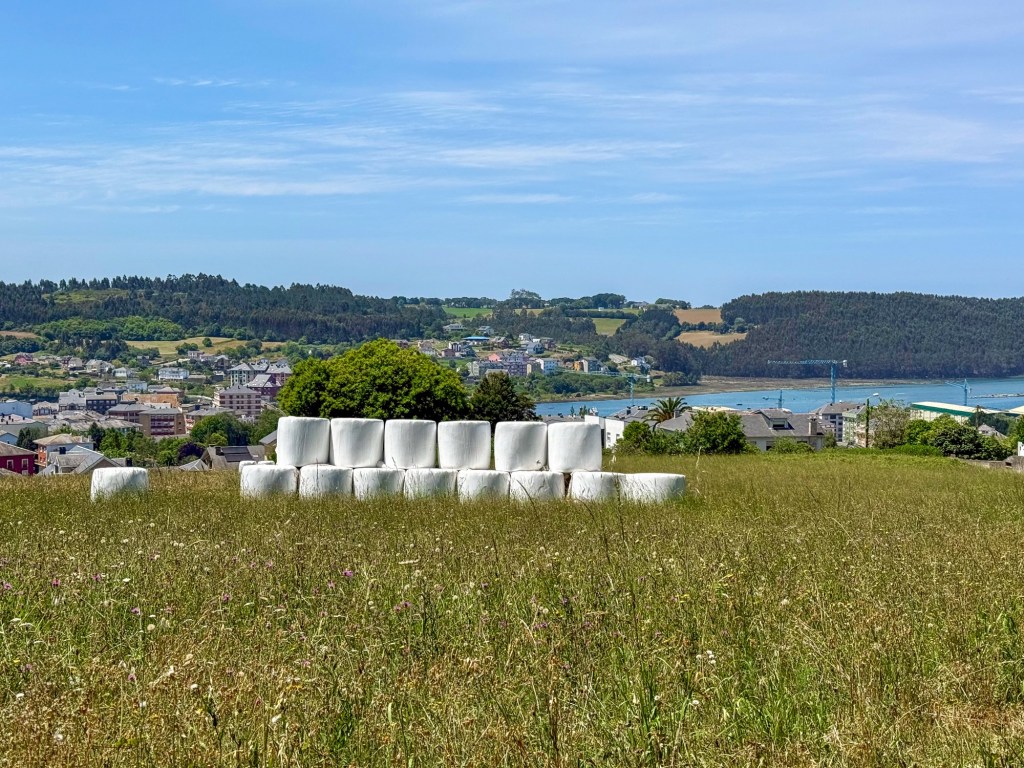
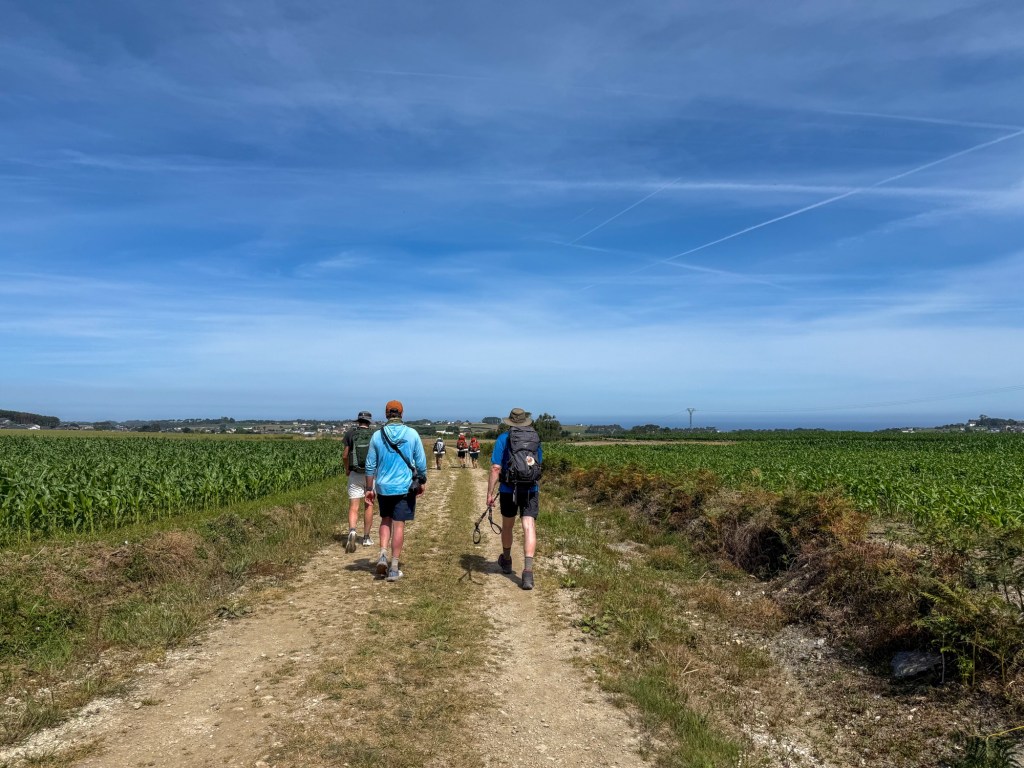
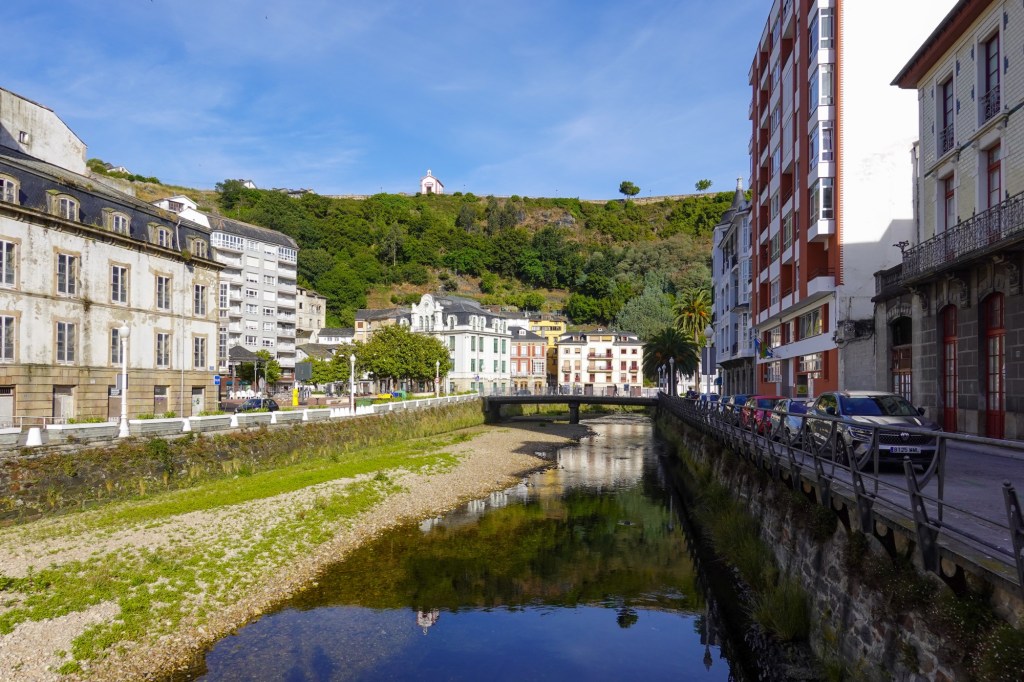
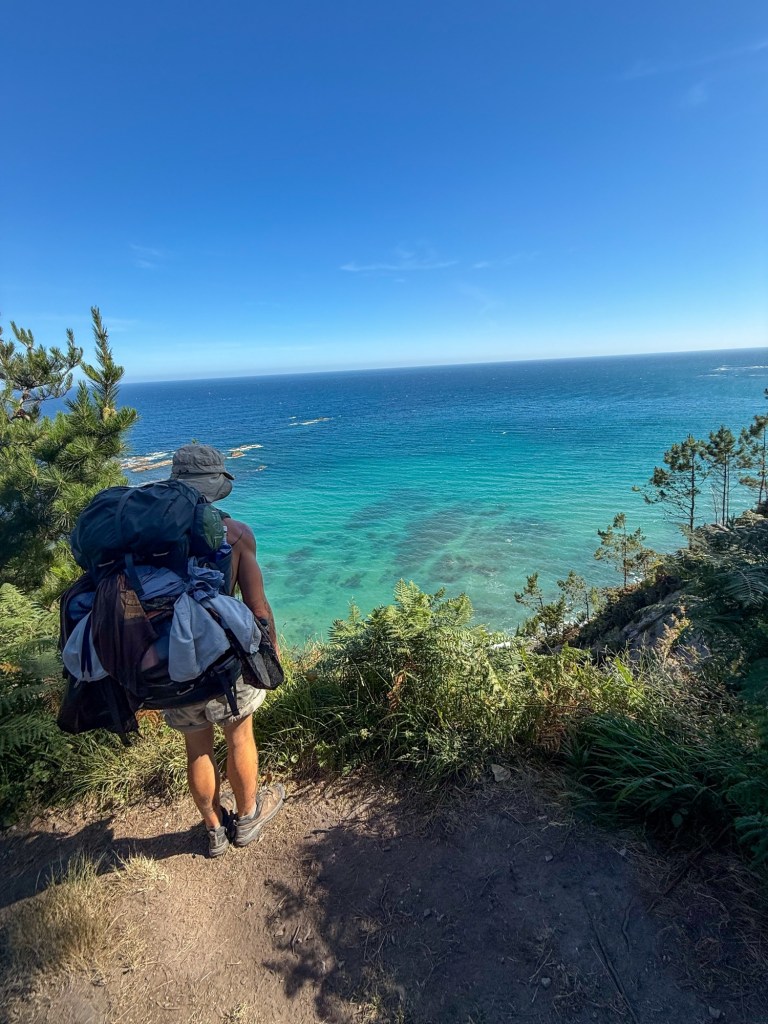
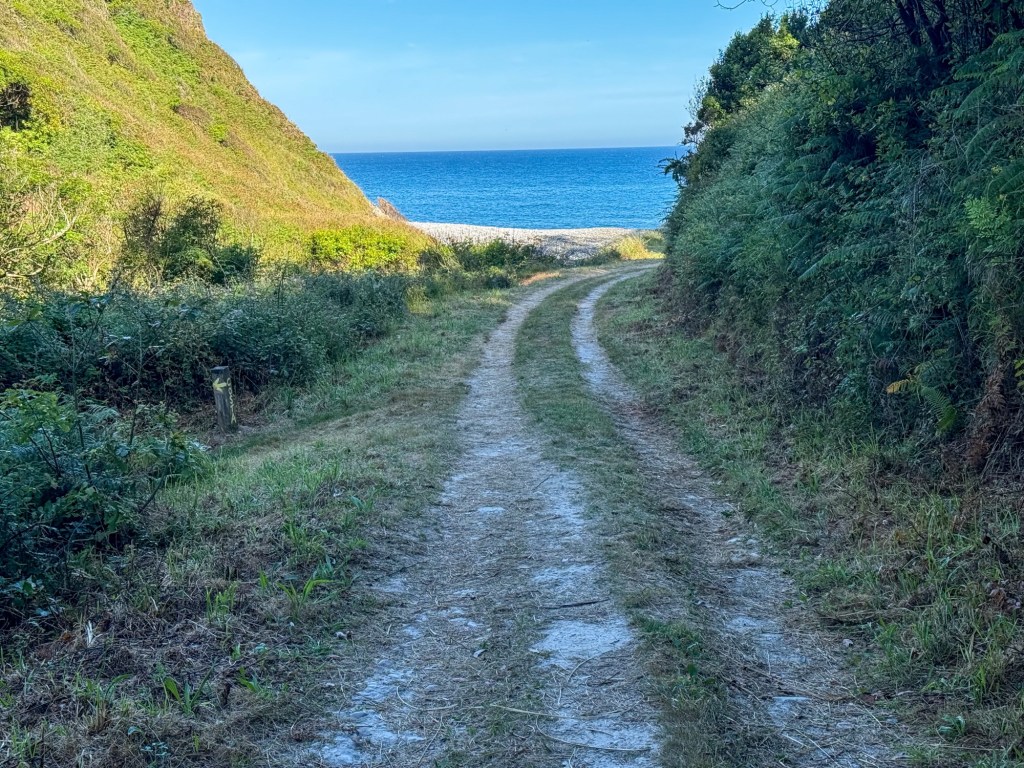
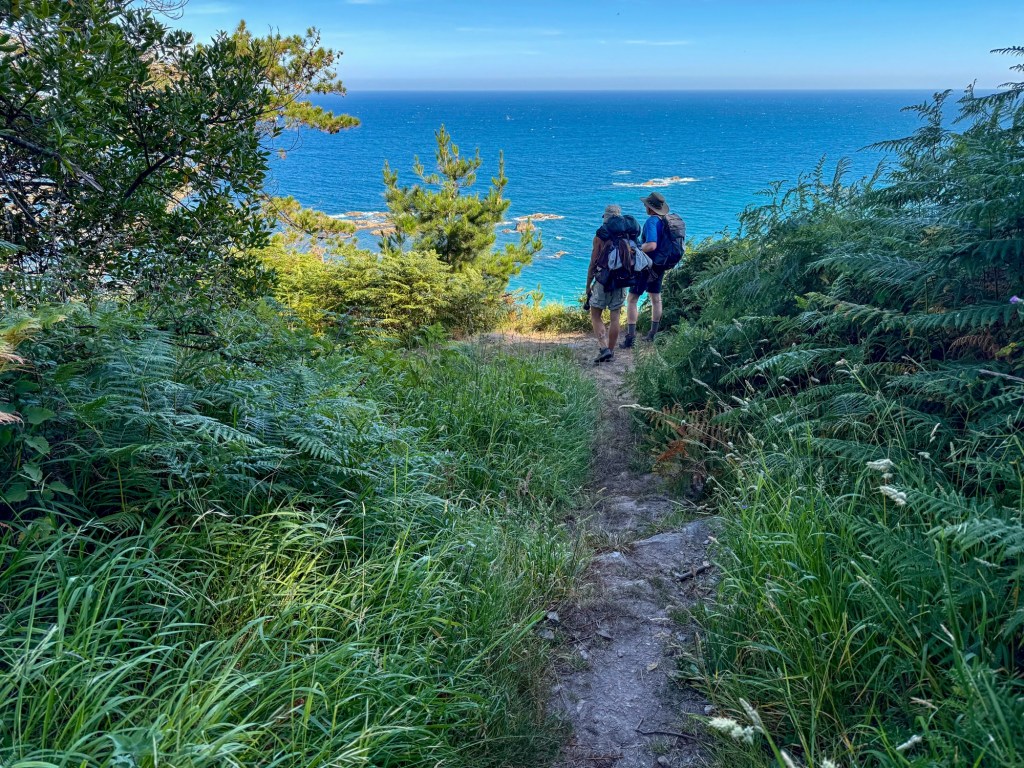
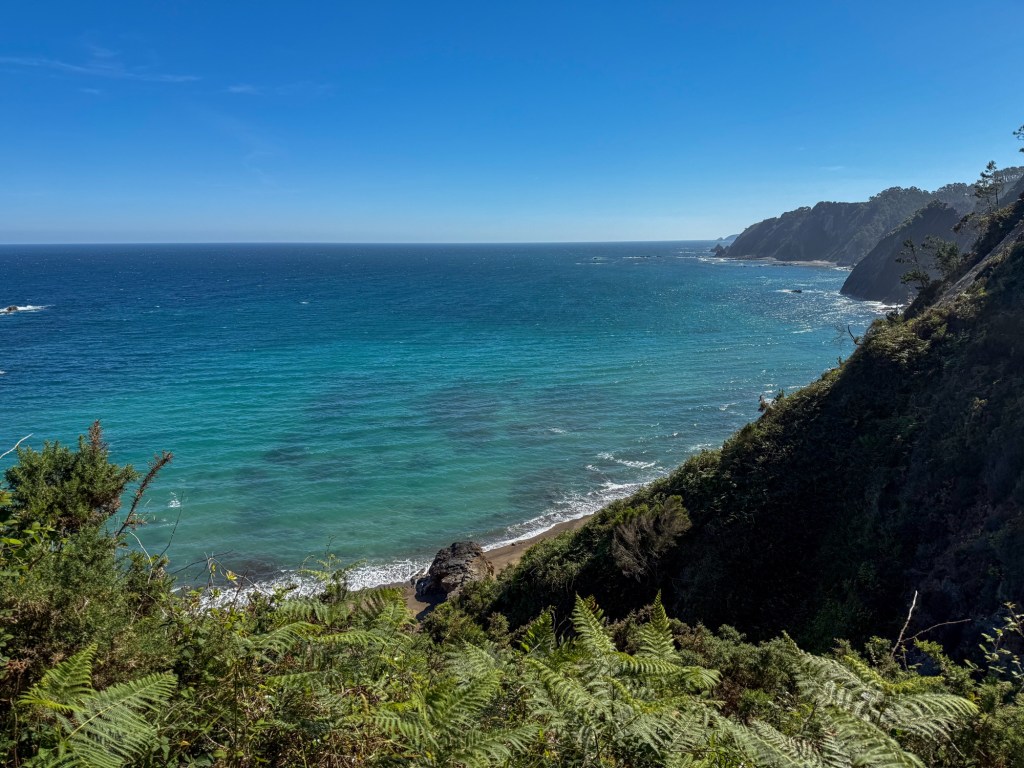
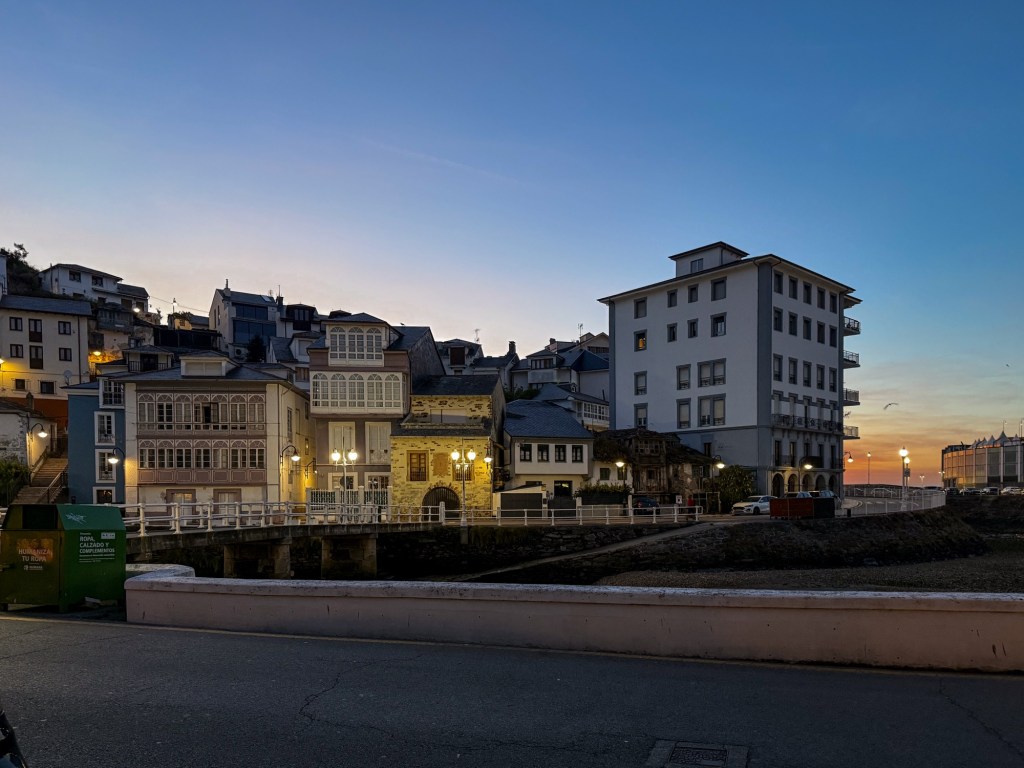
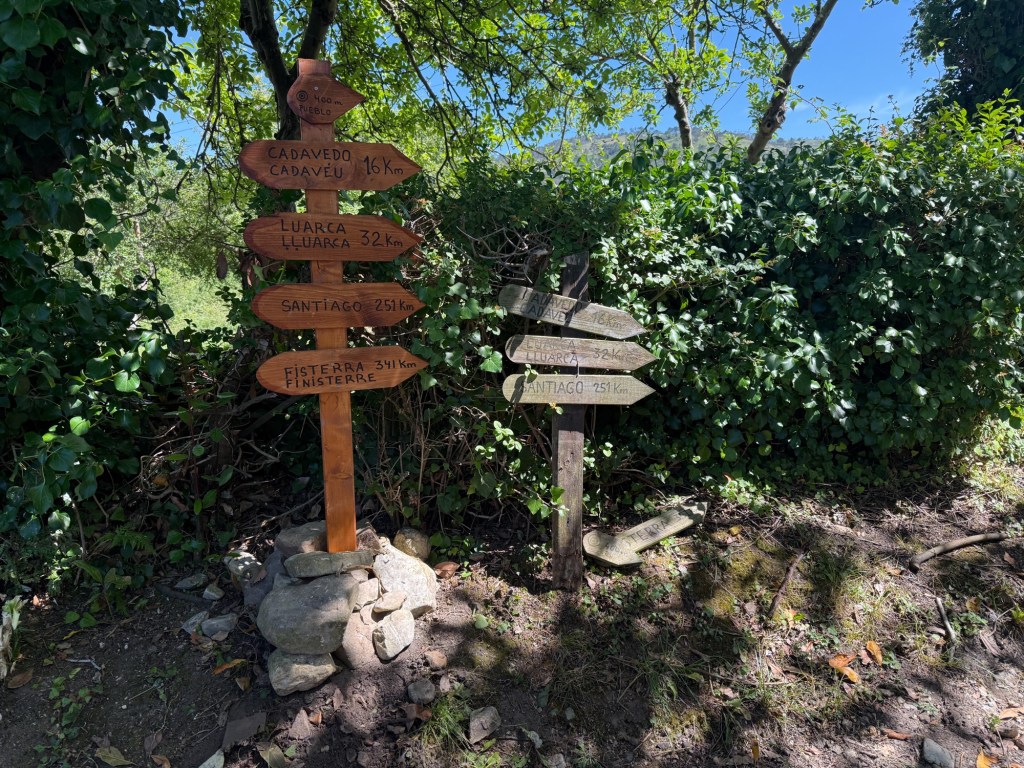
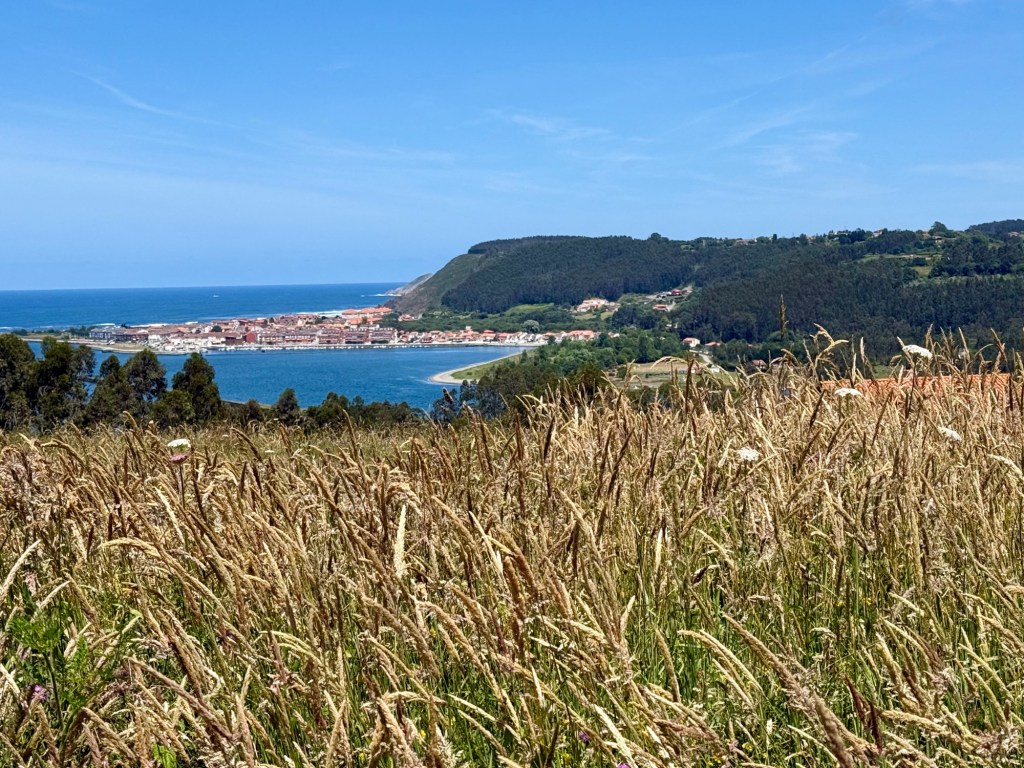
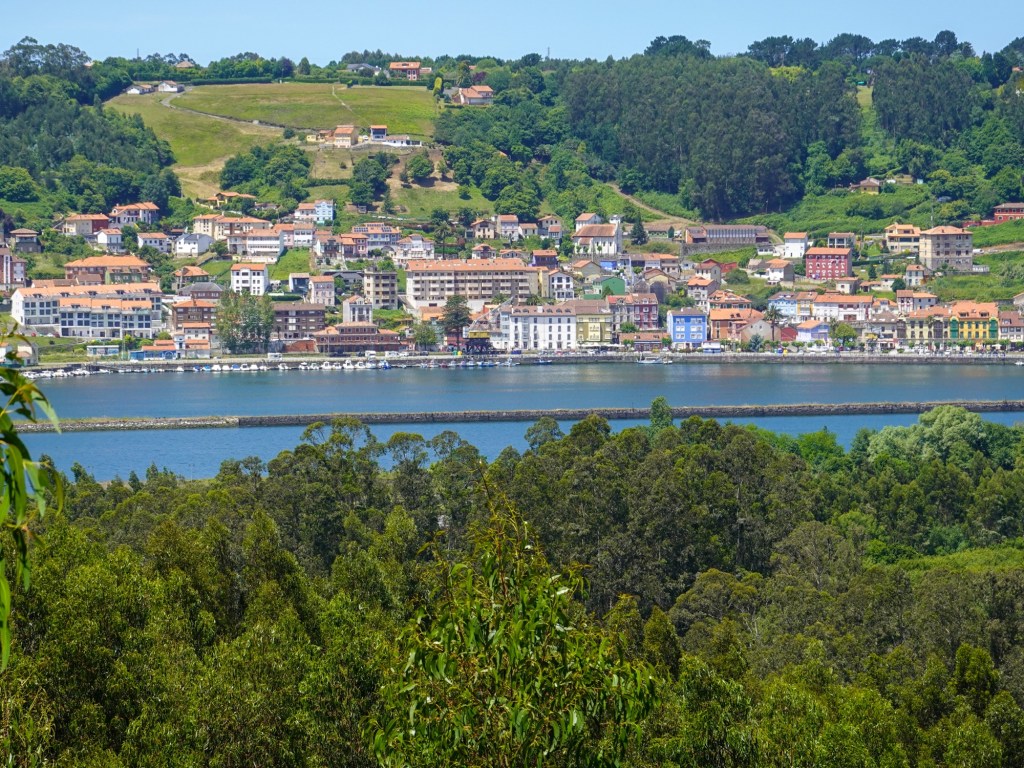
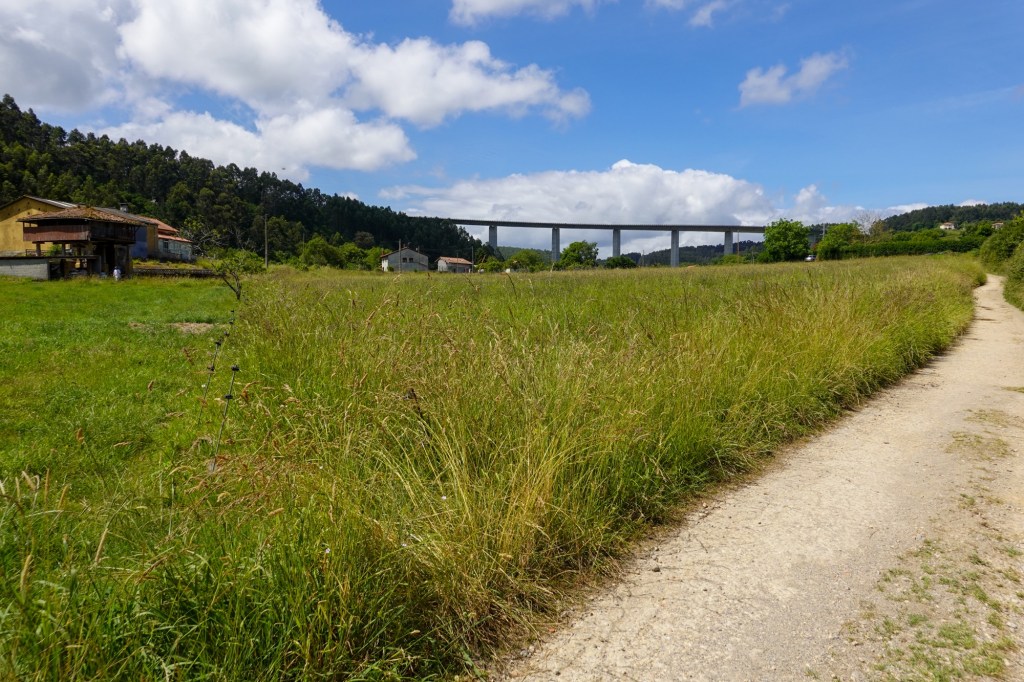
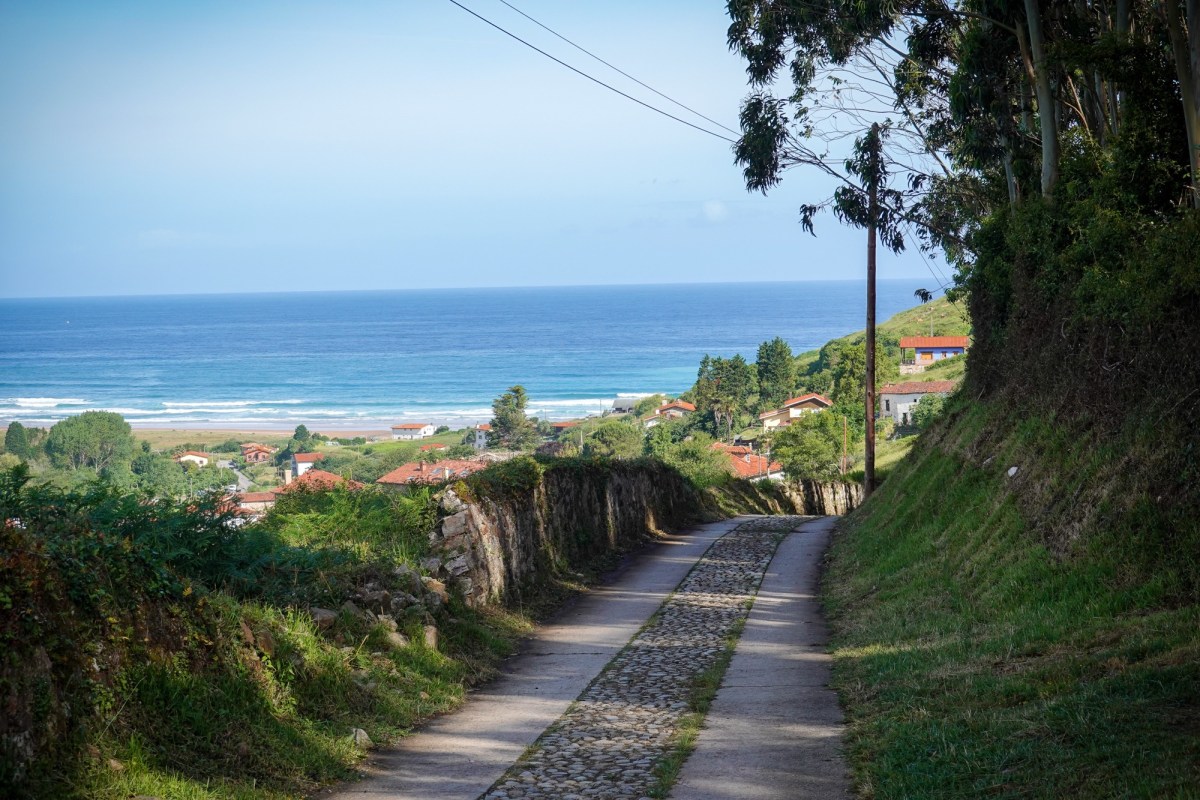
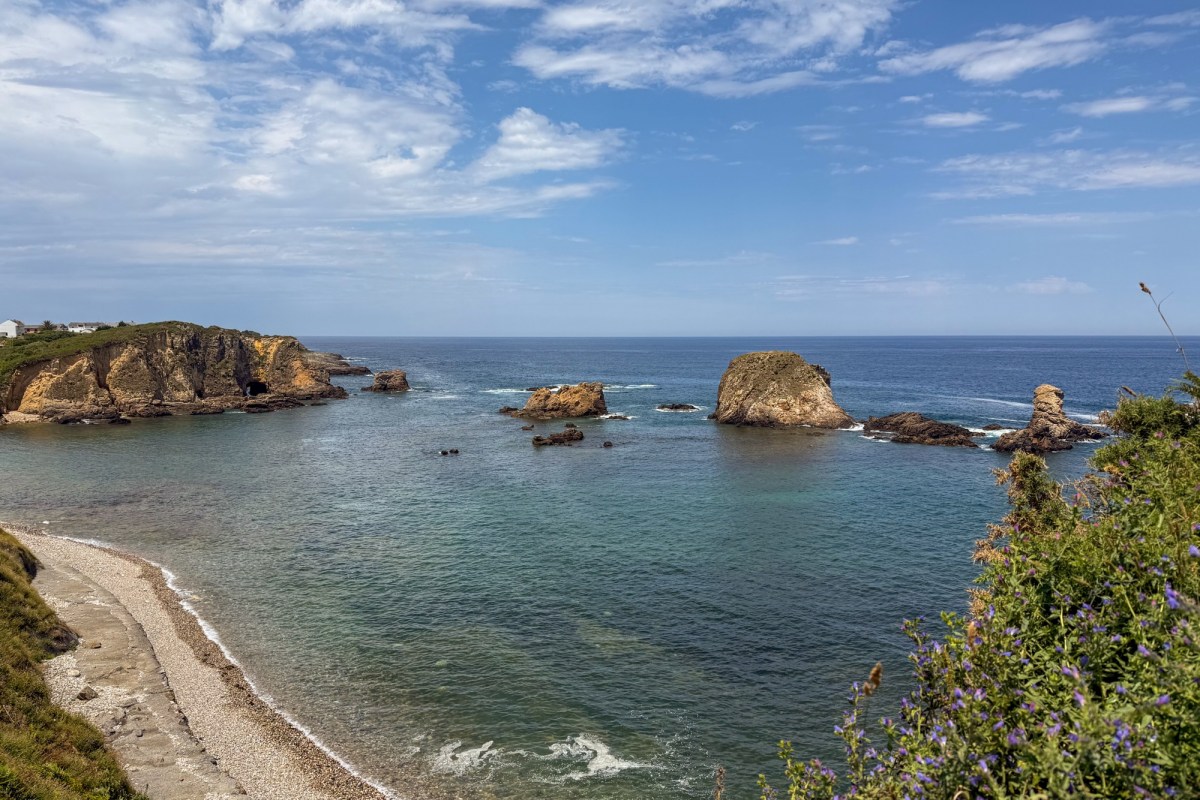
Today’s walk from Navia to Ribadeo covered 21.16 miles (34 kilometers), making it our longest stage so far on the Camino del Norte. It was also our final day hiking along the ocean before crossing from Asturias into Galicia.

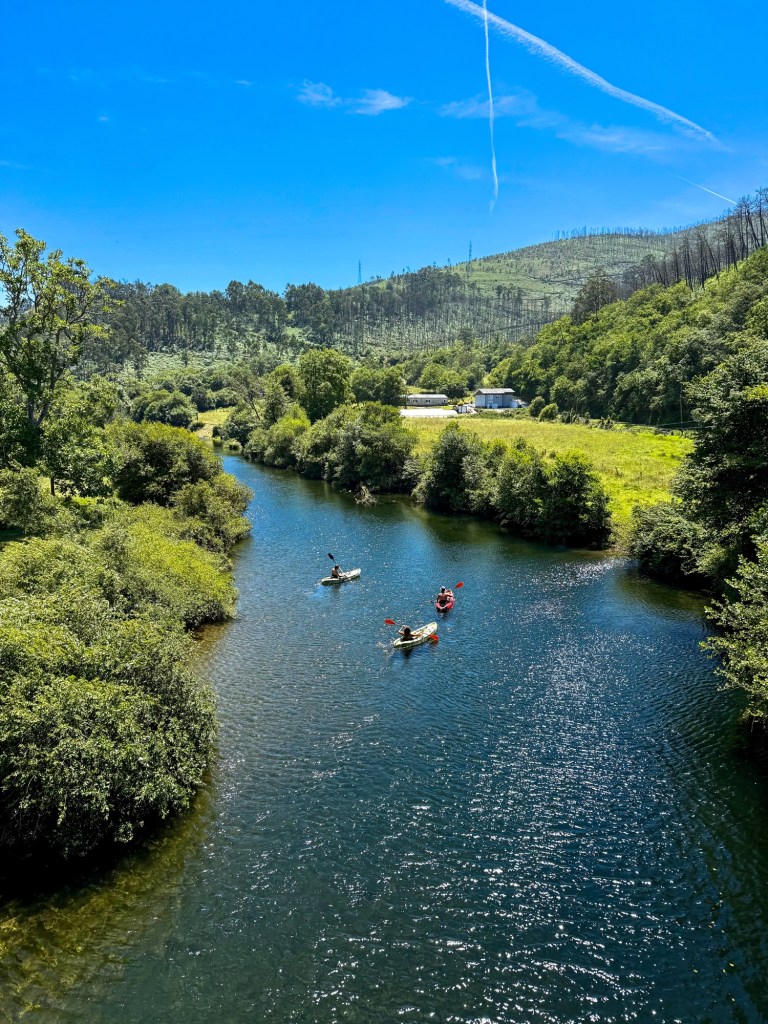
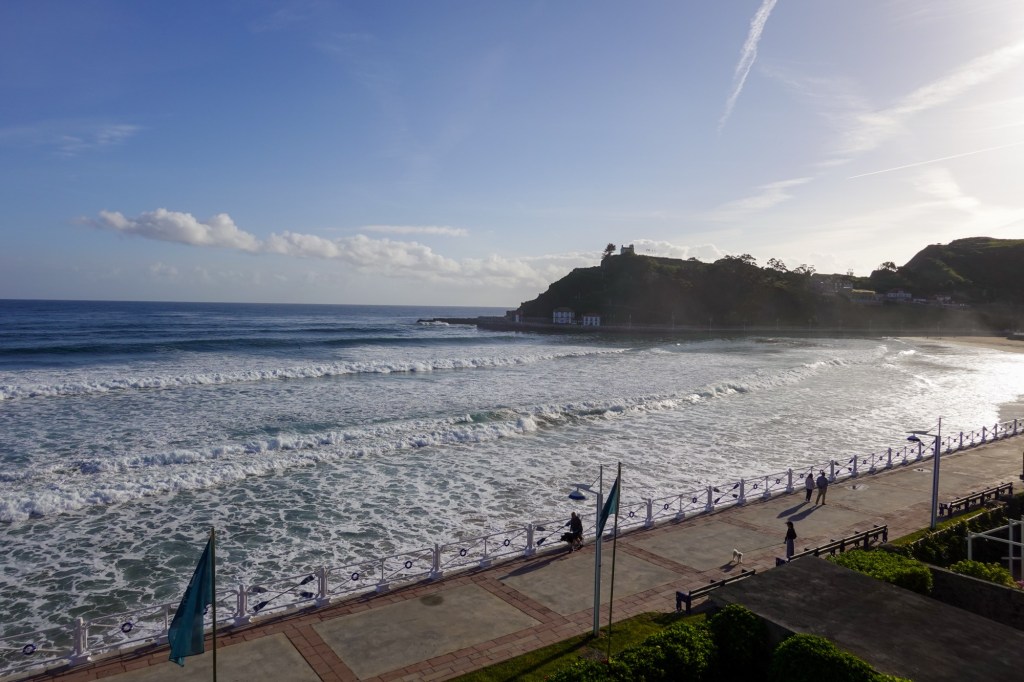
When we arrived in Ribadeo, we saw a group of pilgrims near the estuary cooling off in the water. After so many miles in the heat, it felt like one of those small Camino rewards that appears at just the right time.

Entering Galicia, the final region of the Camino del Norte, made the day feel even more memorable.

By the time we reached town, we were tired but proud. The stage challenged us, yet it gave us a moment we will remember: leaving the ocean behind and realizing just how far we had walked.
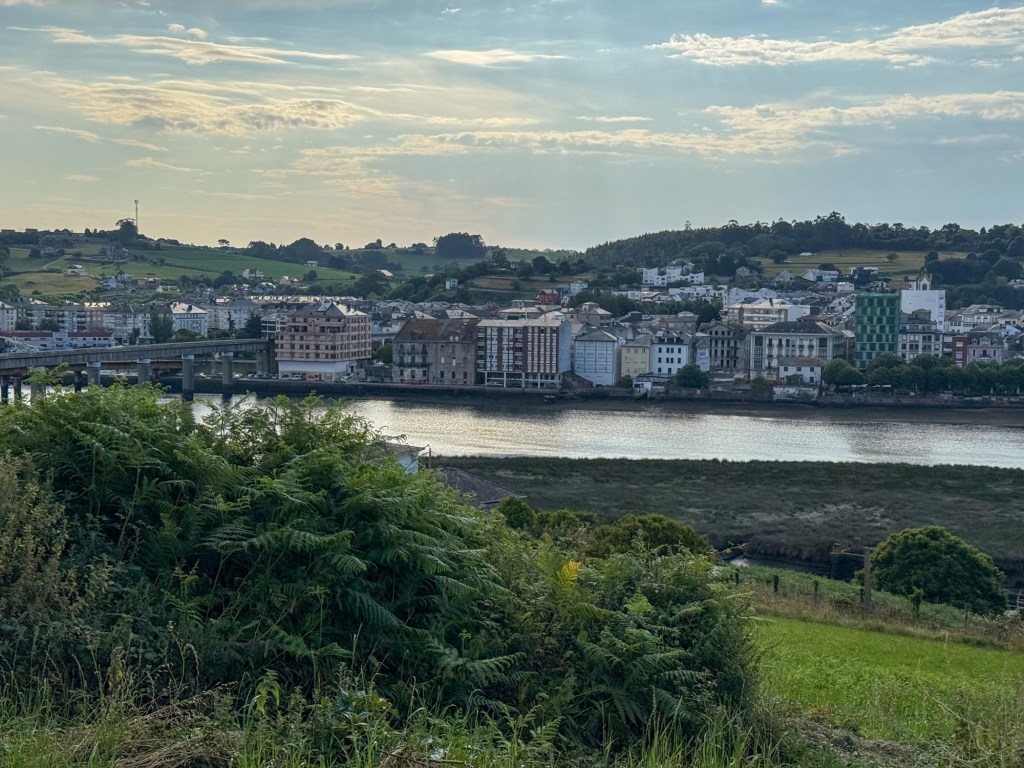
Luarca to Navia

Luarca to Navia — 13.56 miles (21.82 km)

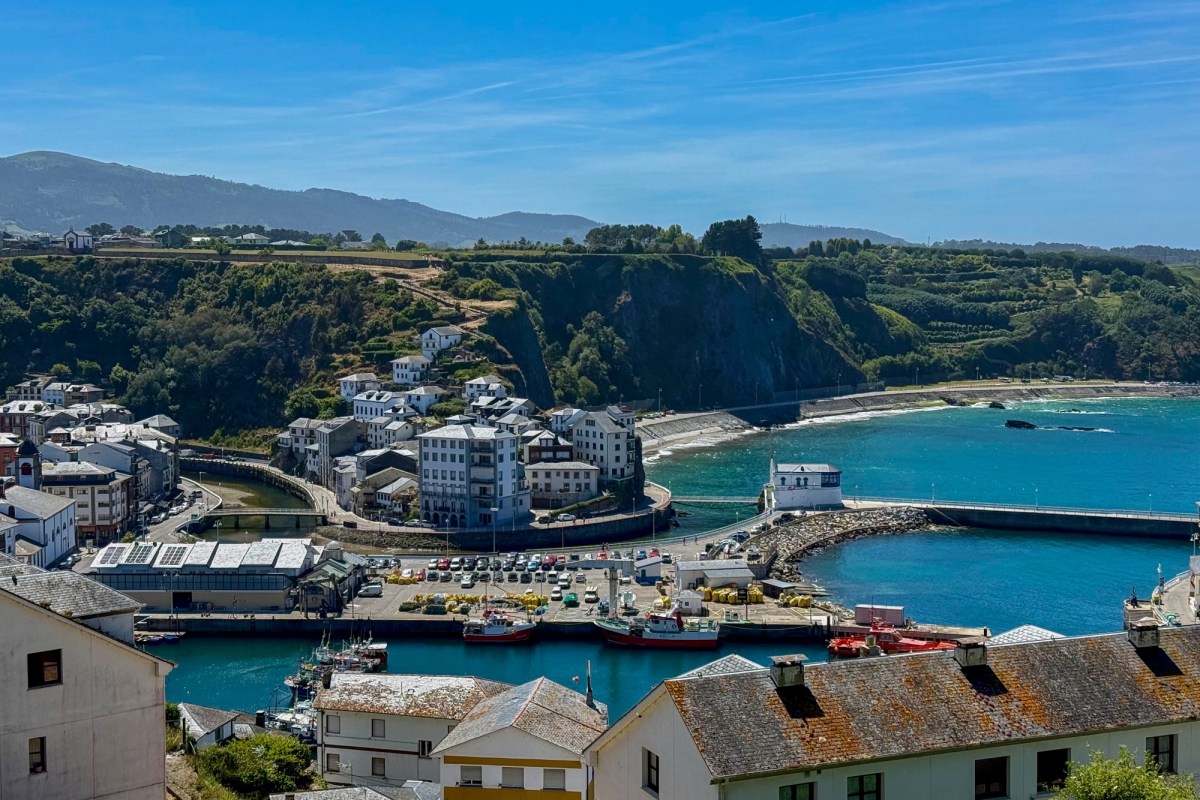
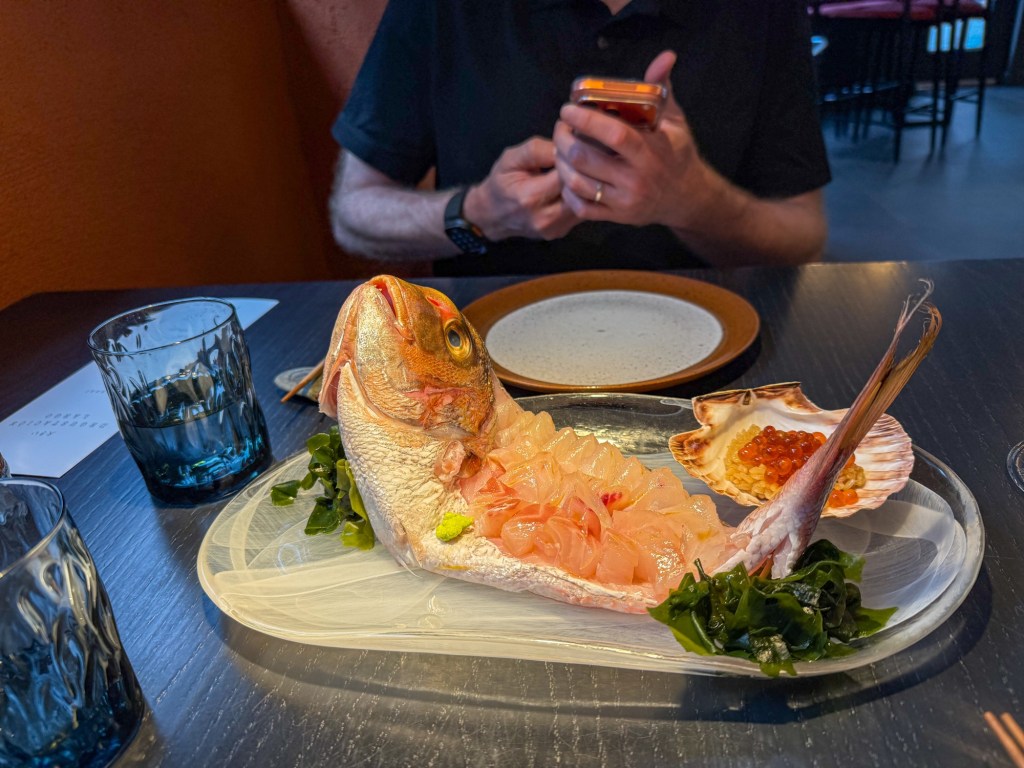
Luarca is a charming town along El Camino del Norte. We arrived on Saturday, and the city was lively and full of energy. That evening, we enjoyed a great seafood meal in town.

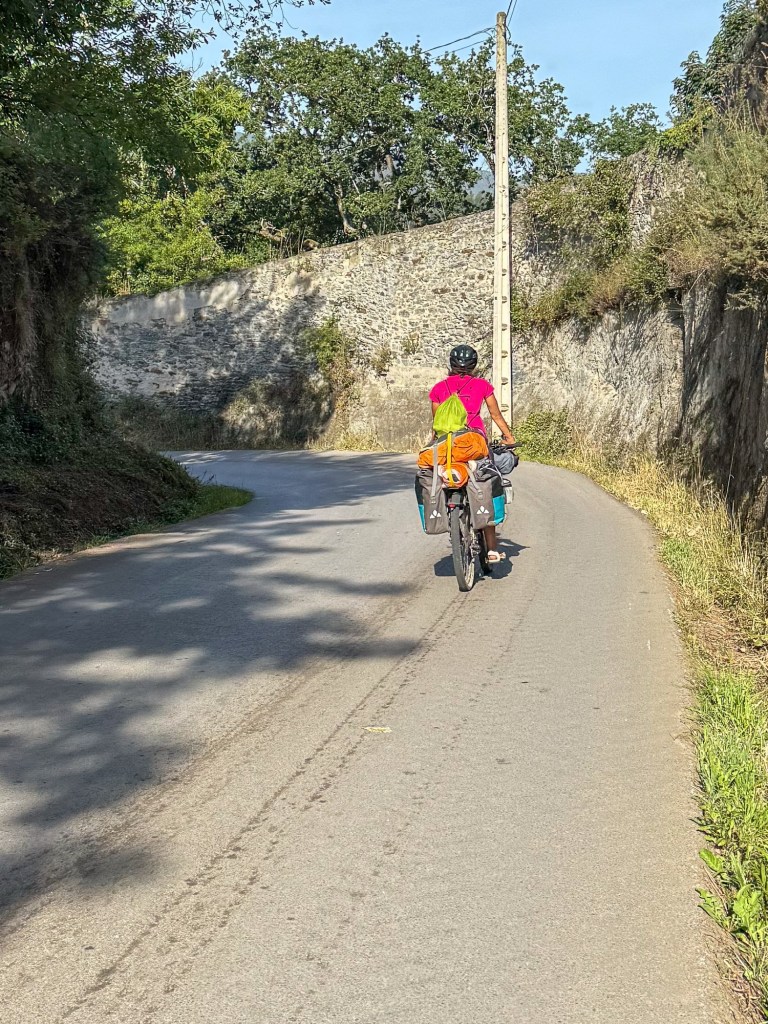
As we left Luarca on Sunday morning, we met an Italian woman we had seen the day before on the trail. She was biking from Turin and had left her hometown at the end of April, traveling through Italy, France, and Spain before reaching this stretch of the Camino.

Today’s hike was easy but hot. We passed a couple of restaurants along the way, but they were closed for vacation. Even so, it was a beautiful day to keep moving west toward Navia.


Santa Marina to Luarca

Day 27: Santa Marina to Luarca – 16.79 miles (27.02 km)

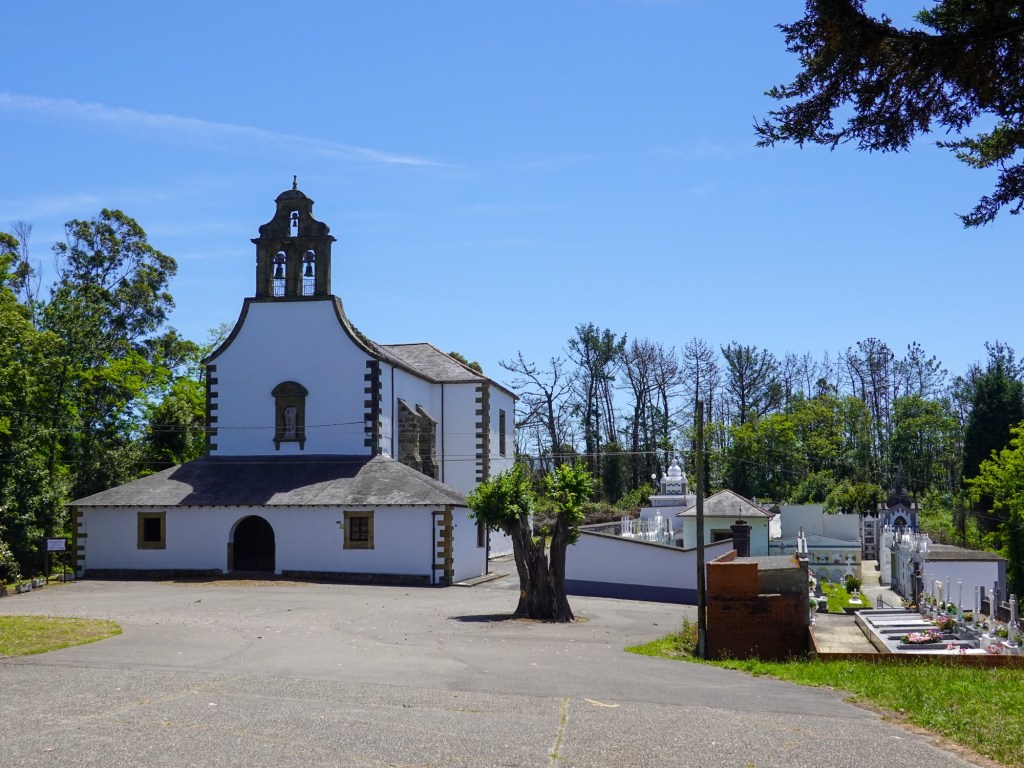
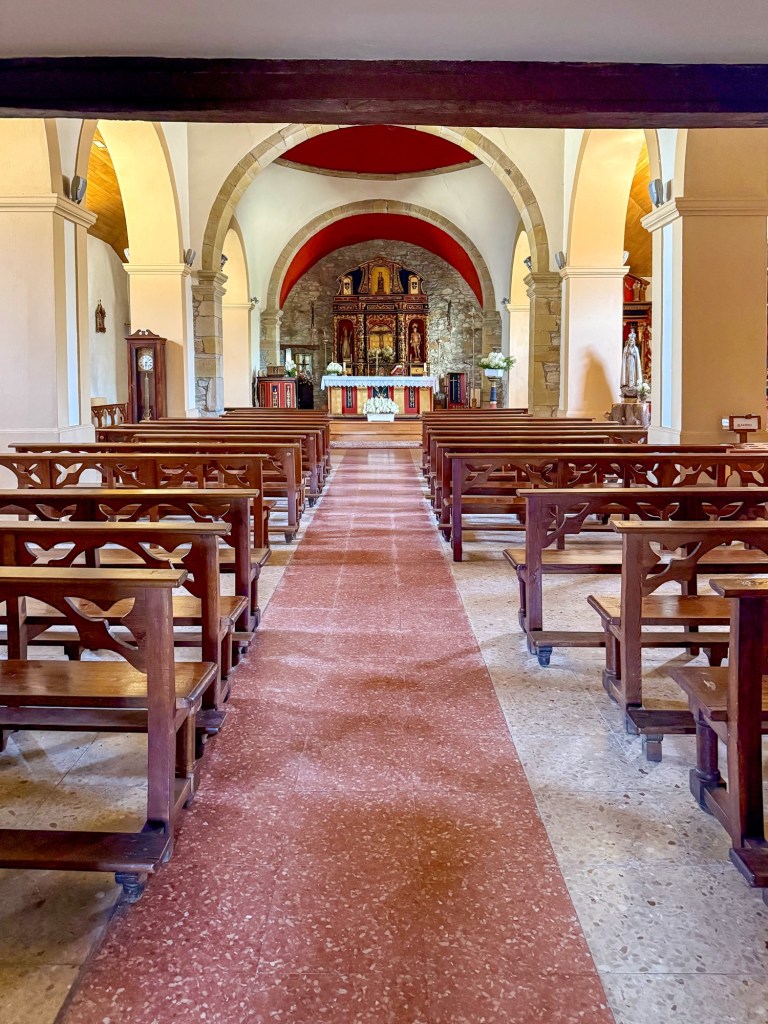
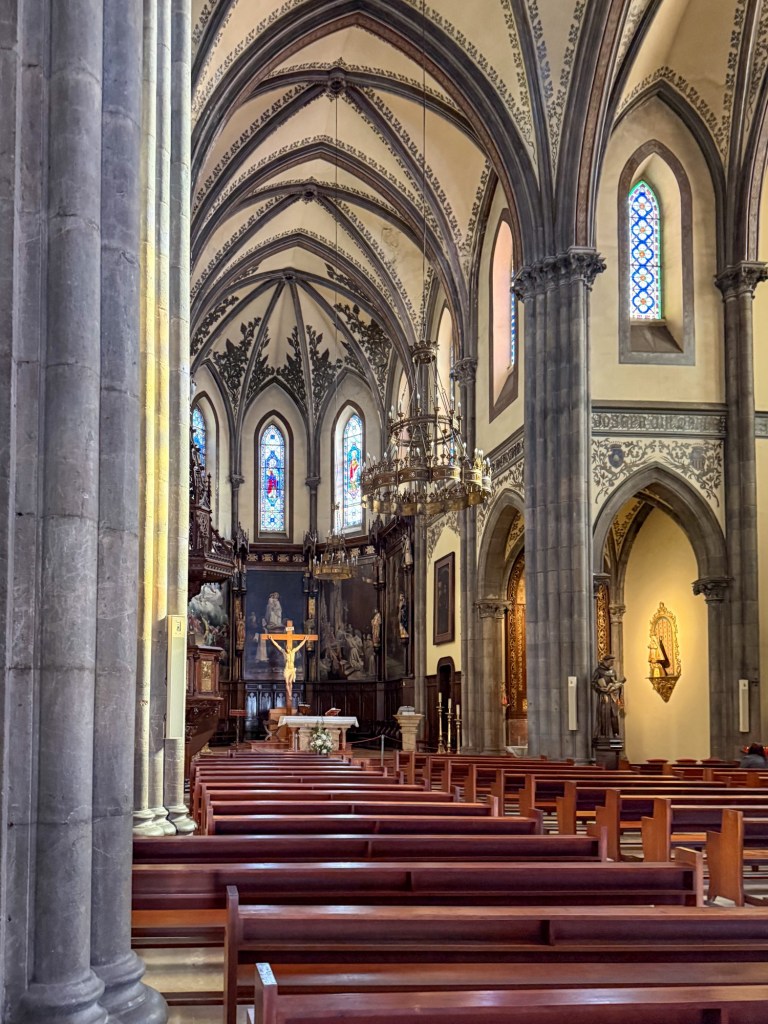
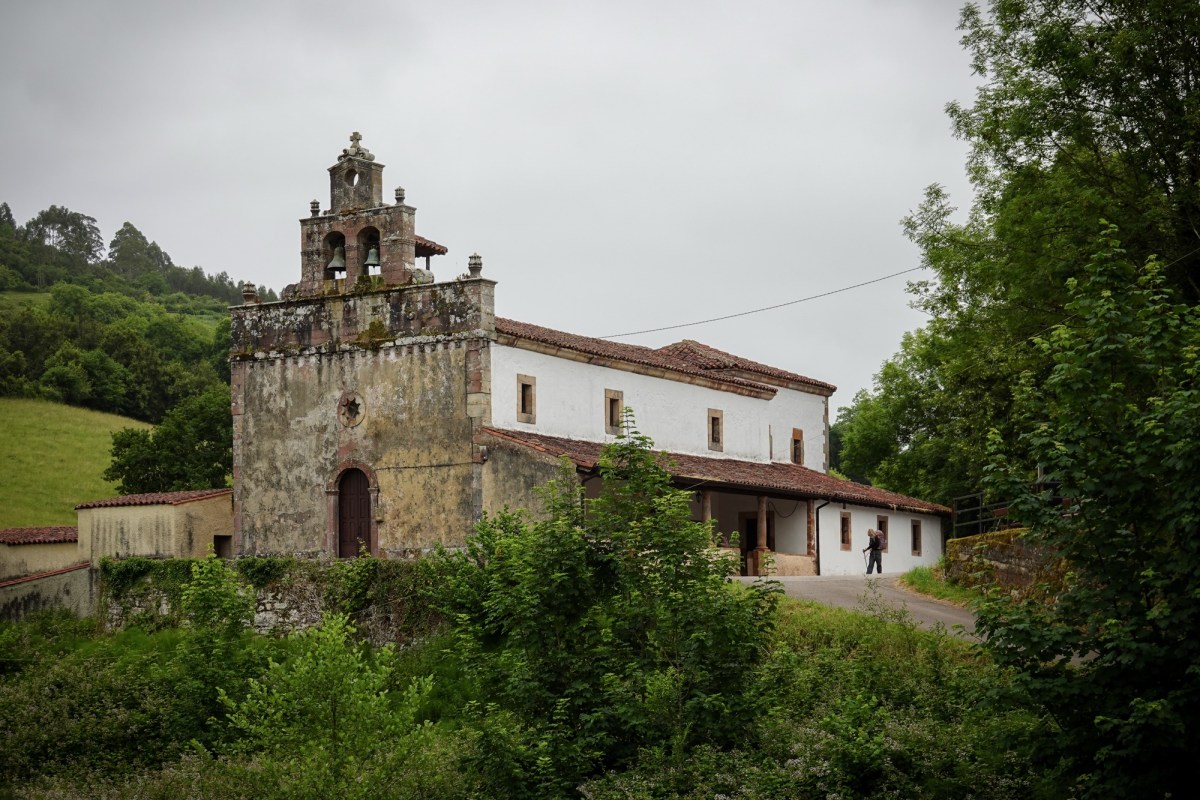
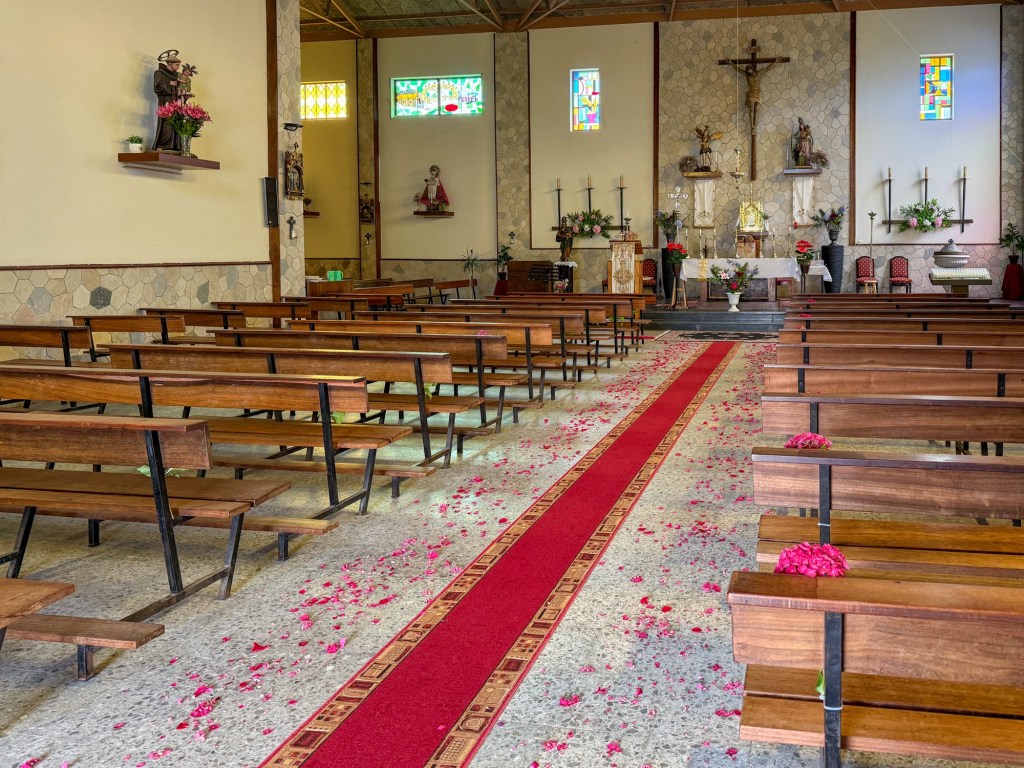
On the route from Santa Marina to Luarca, we shared part of the day with a young Hungarian pilgrim who was traveling simply, camping when he could and staying in hostels when needed. Later, we stepped into the parroquia católica de San Sebastián, one of those quiet moments on the Camino that invites you to pause, look around, and take in the spiritual and cultural depth of the journey.
Muros de Nalón to Santa Marina

Muros de Nalón to Santa Marina — 16.01 miles (25.75 km)

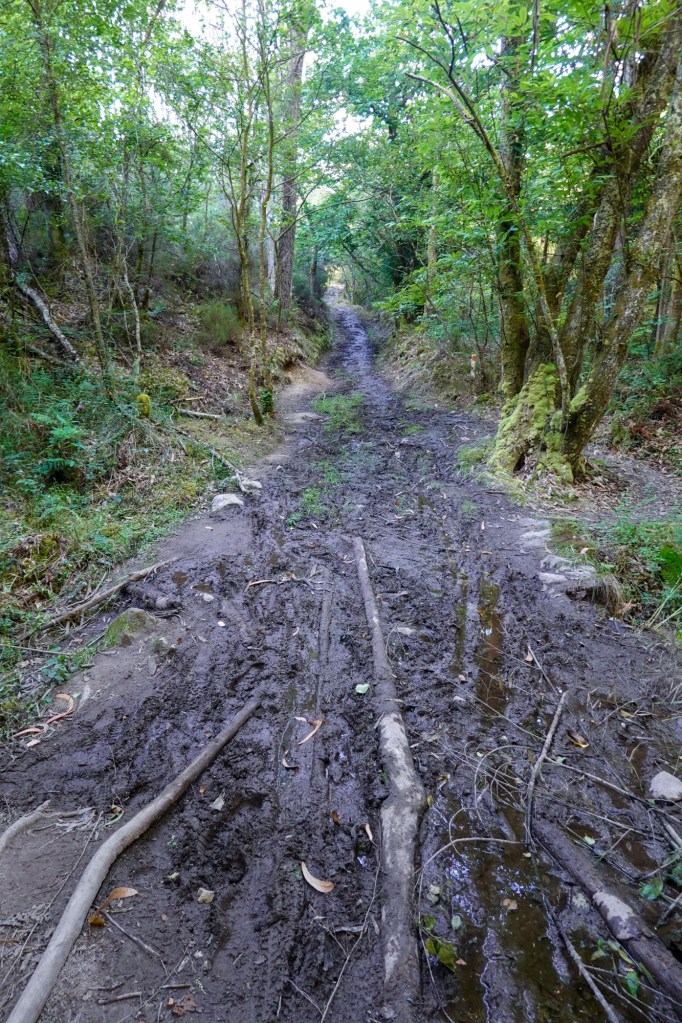
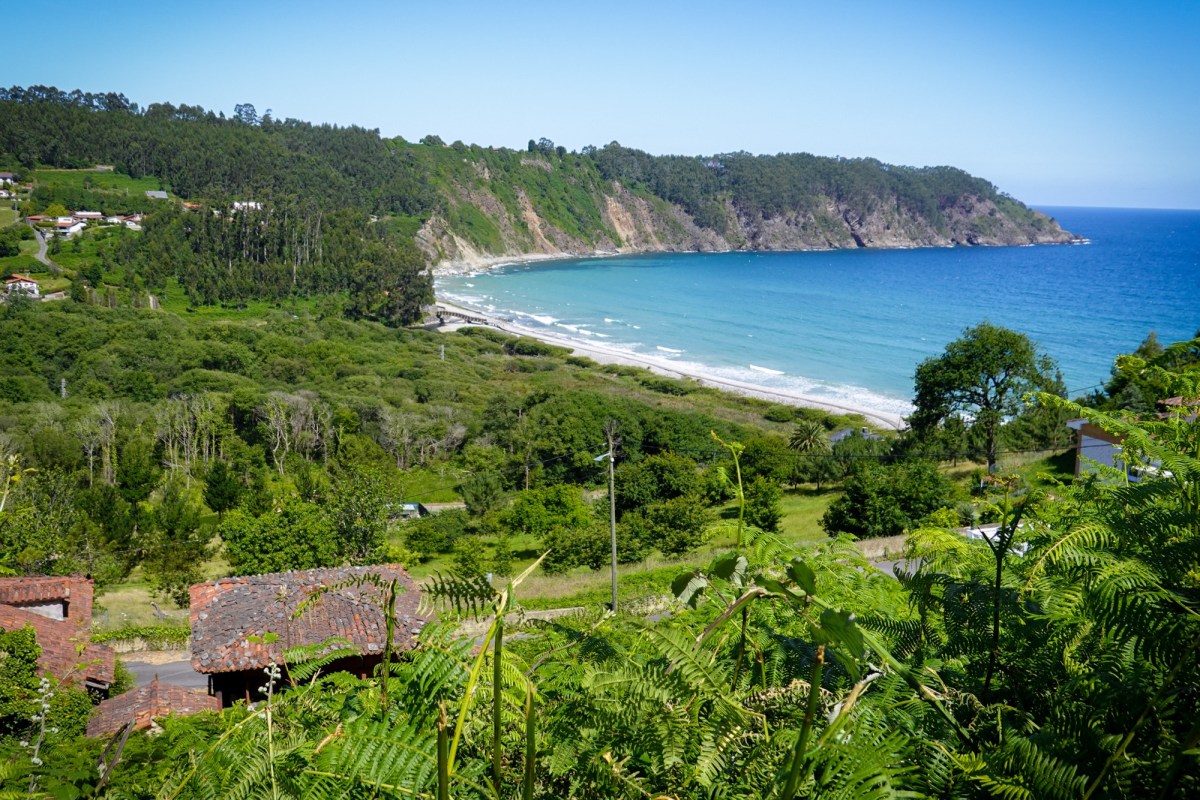
It was one of the hardest days of the journey, with constant climbs and descents. The elevation changes made the stage feel longer and more demanding than the distance alone suggests, but the scenery made the effort worthwhile.

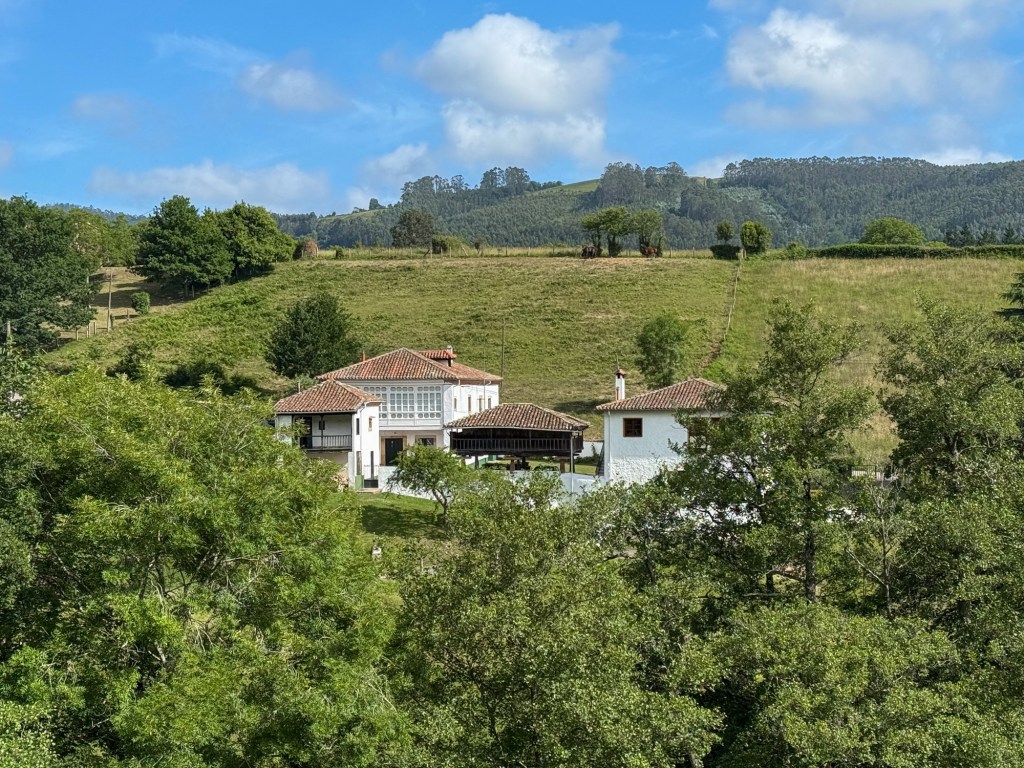
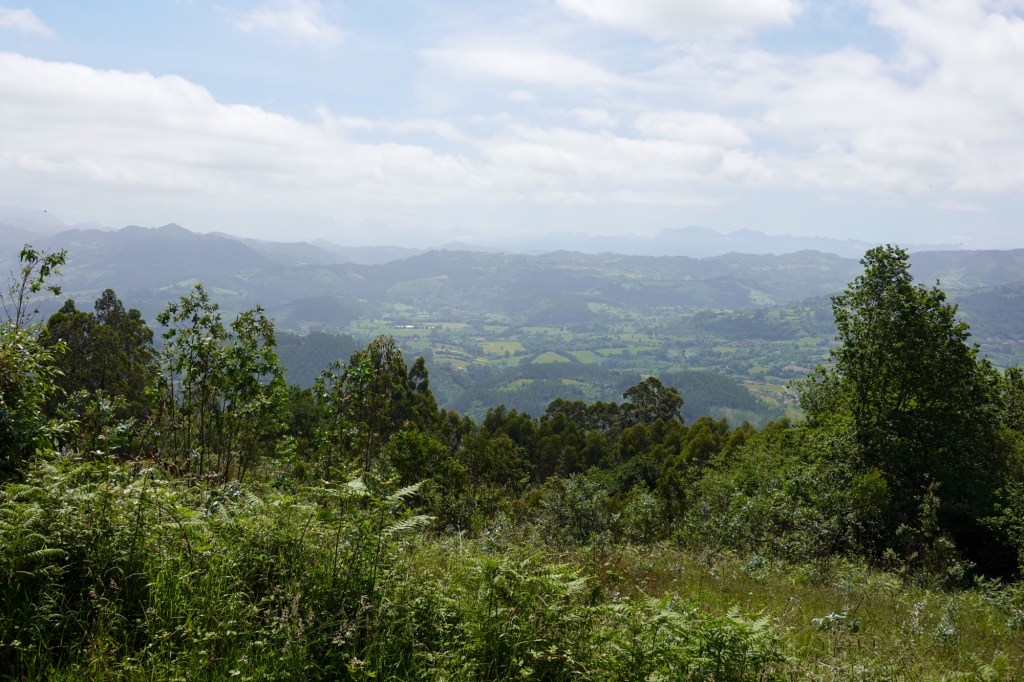
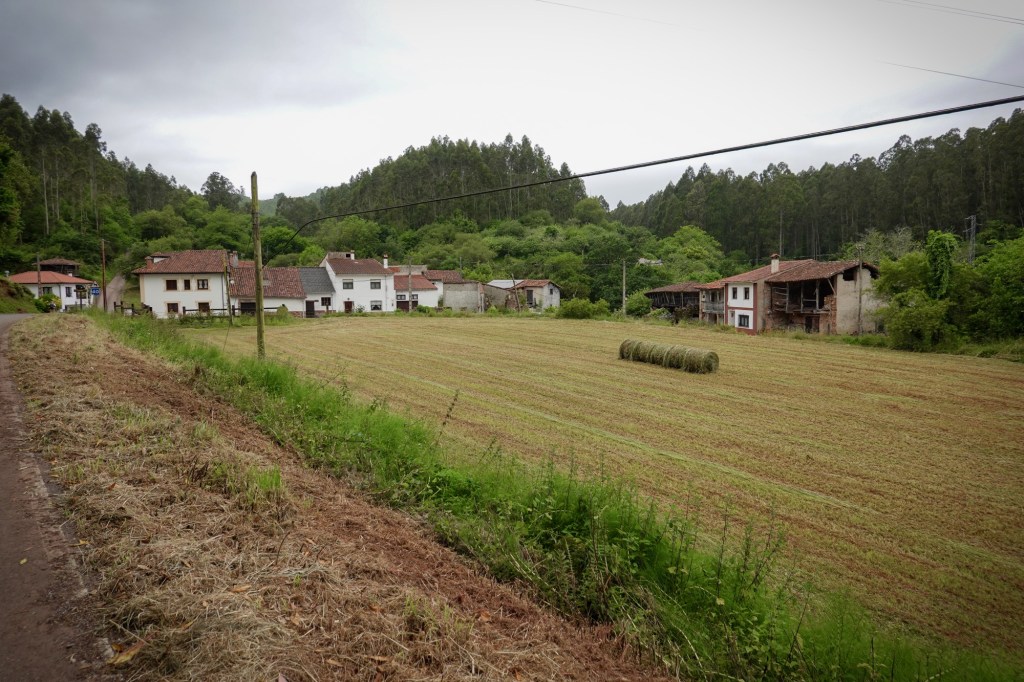
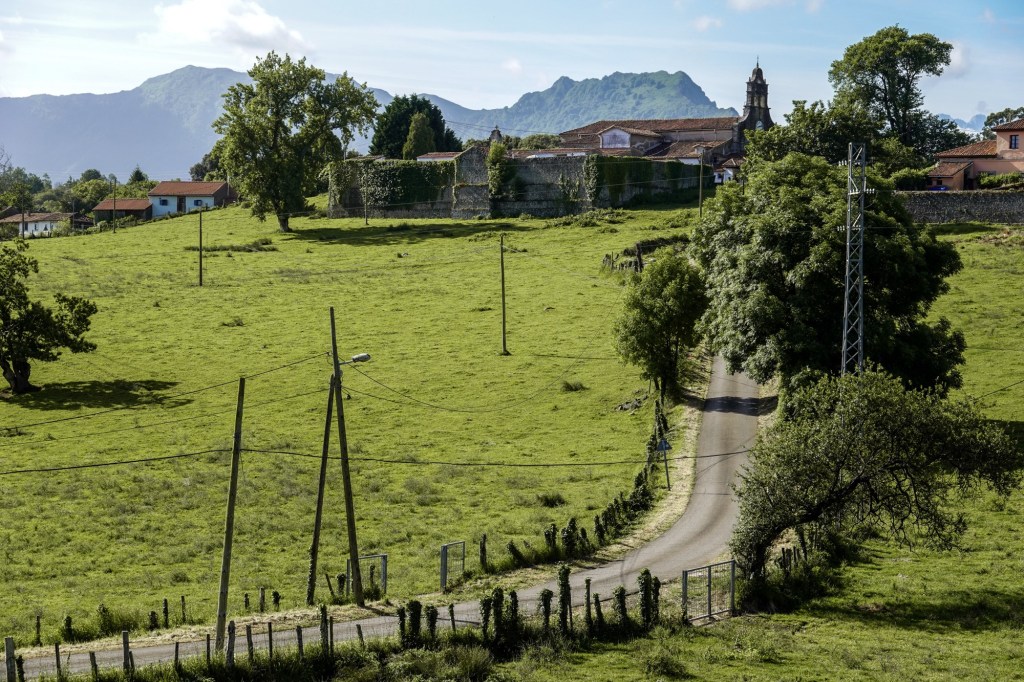
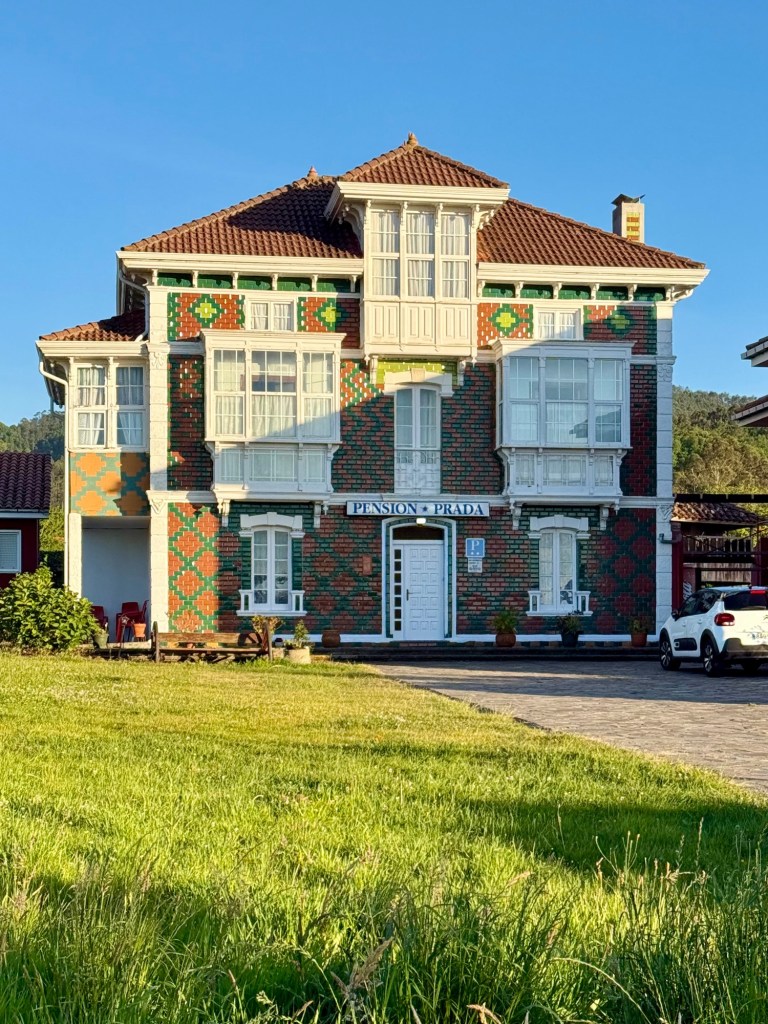
We walked through rural villages and along dramatic cliffs, with a mix of quiet roads, forest paths, and beautiful views of the Asturian coastline. We stayed at Pensión Prada, a charming pilgrim-friendly place in Santa Marina. The owner was very kind, and the warm welcome felt like an example of Asturian hospitality.

Gijón to Avilés

Day 24: Gijón to Avilés 18. 47 miles (29.47 km)

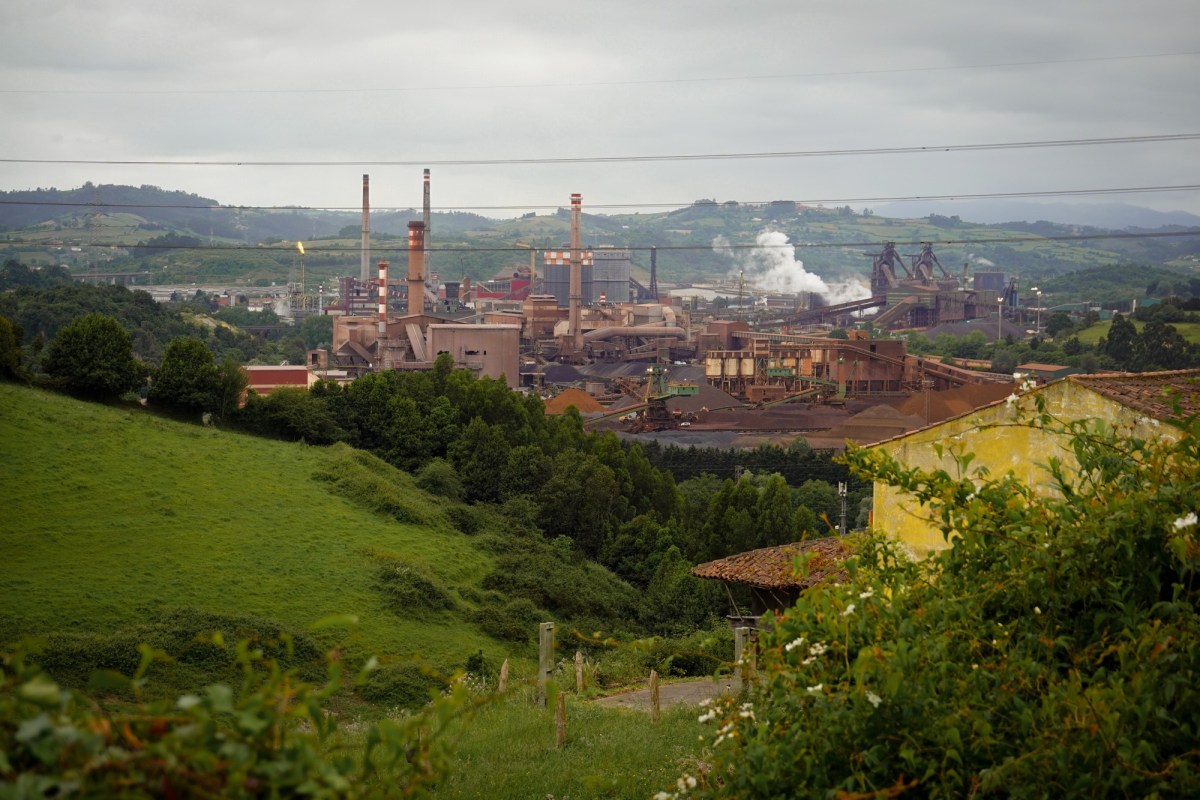
We had a rest day in Gijón. Leaving the city was interesting: Gijón is modern, with a well‑preserved old town, but it is also an industrial city. Its main industries are steel production and metalworking. As we left the city, we had to pass through the industrial area. It is not pretty at all, but it is part of el Camino, and we decided to walk this section between Gijón and Avilés. Many pilgrims prefer to take the bus or train to avoid this stretch, and I don’t blame them—it is noisy and unattractive.

Villaviciosa to Gijon

Villaviciosa to Gijón – 18.6 miles (30 km) 

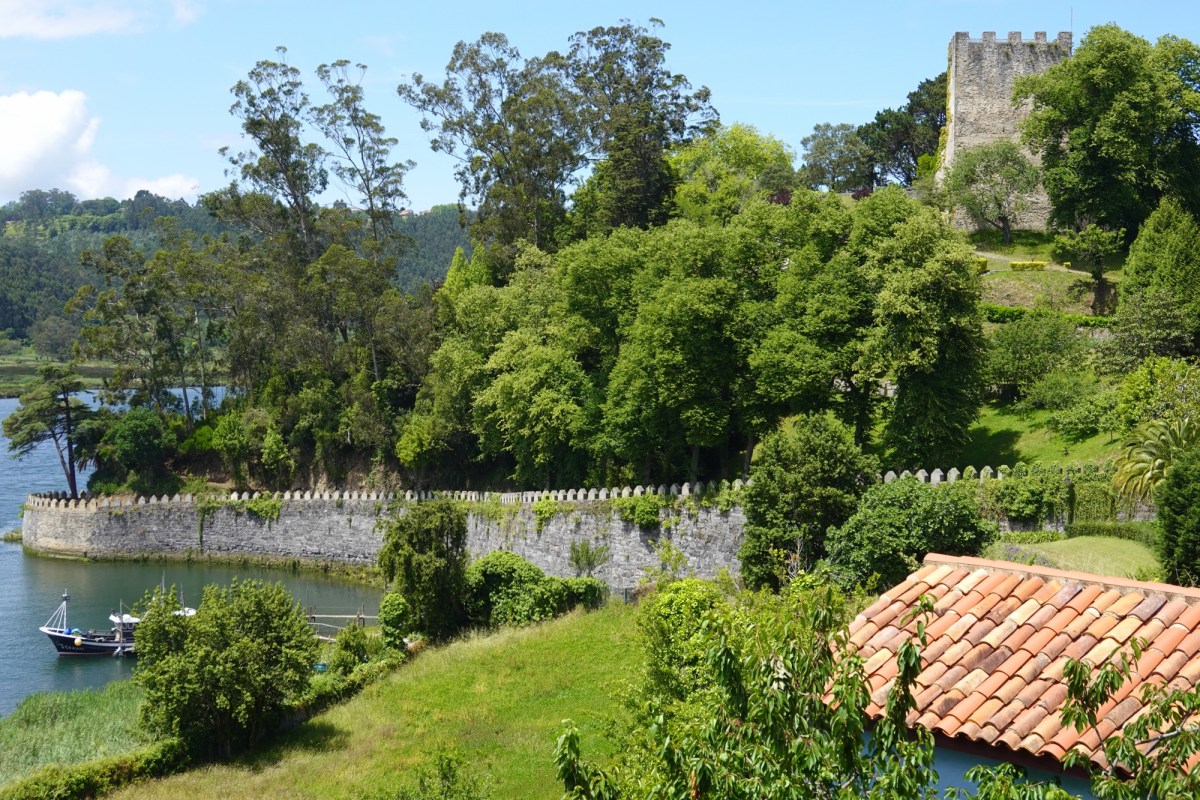
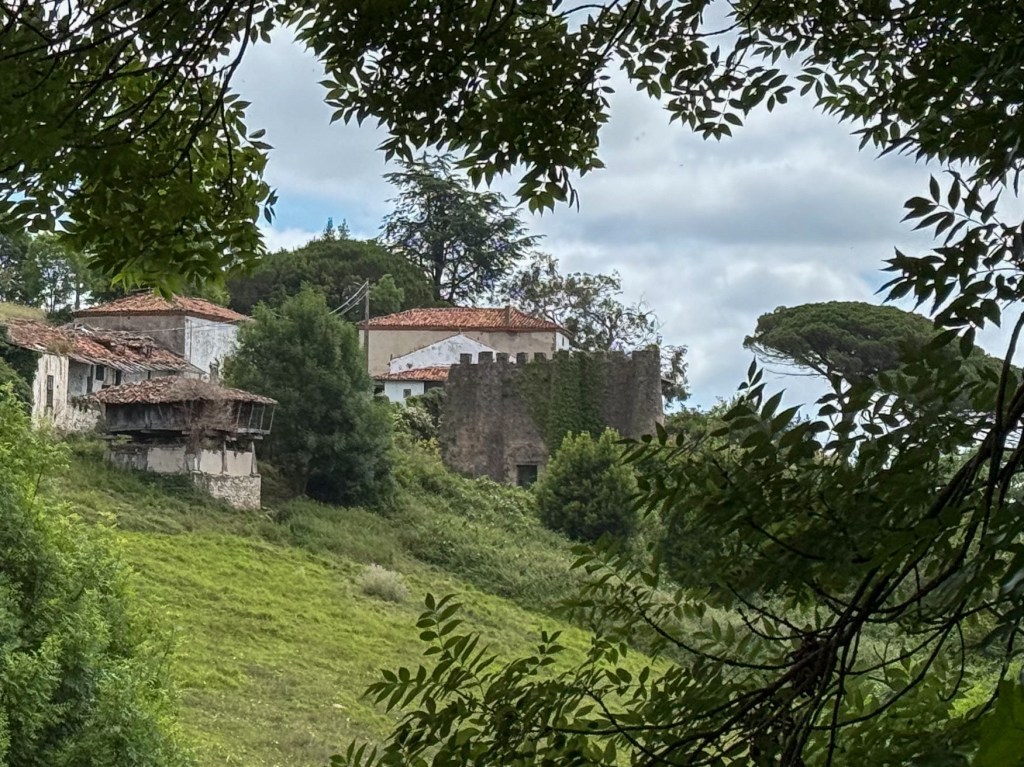
Today we reached the village of La Casquita, where the Camino Primitivo diverges. In this area, besides the Indianos houses, we also saw the remains of a medieval castle.  

After reaching La Casquita, we had the highest climb of this trip 1398 feet. It was a long and challenging day, but we were happy to keep moving forward. 
Colunga to Villaviciosa

Day 22: Colunga to Villaviciosa – 11 miles (18 km) 

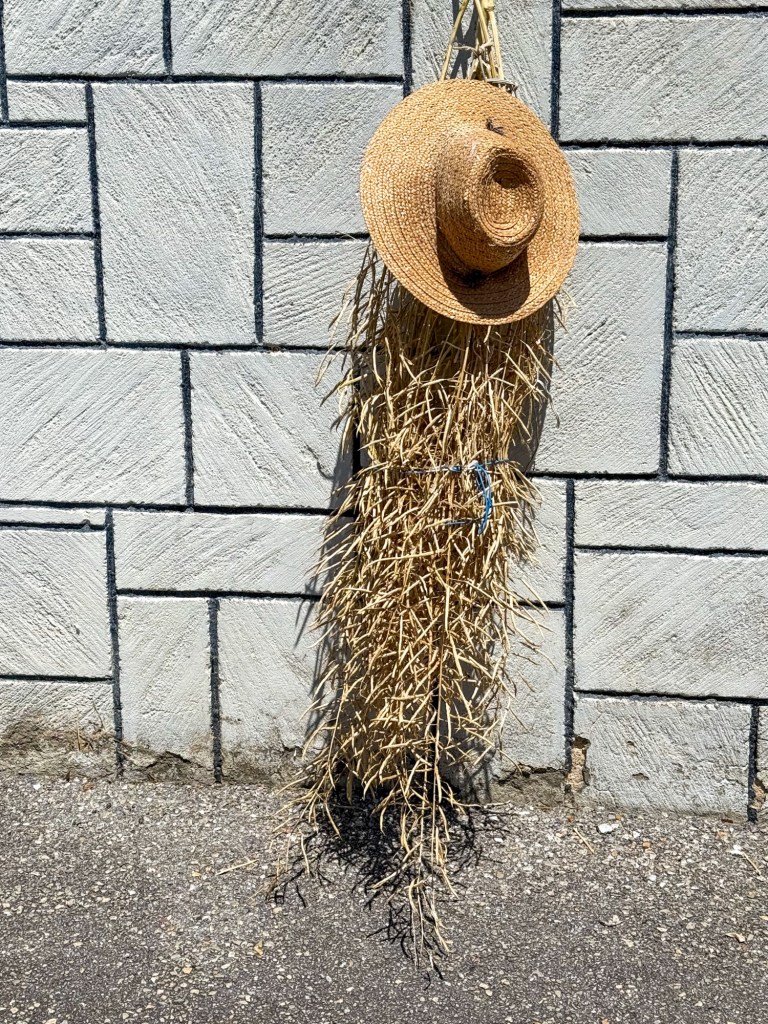
Today was a short, mostly flat walk. We saw the French pilgrims group, the English women, and new faces along the way. Interestingly, we recognize each other, have small talk,and do not know their names. Everybody is friendly, but no one asks for names. 
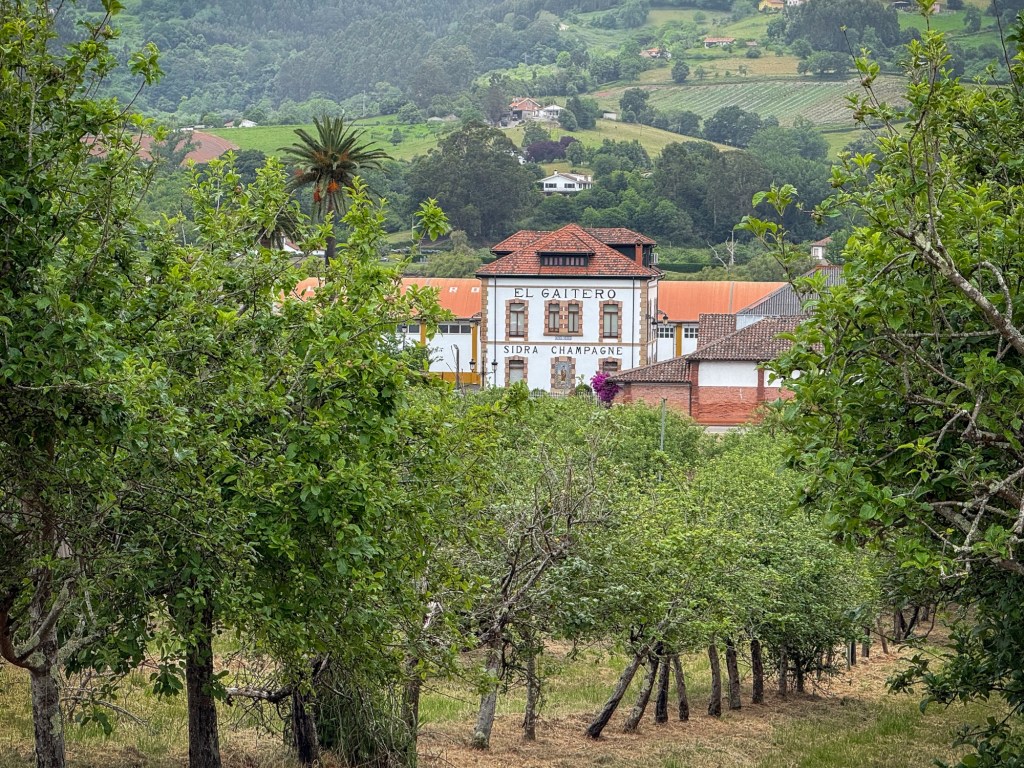
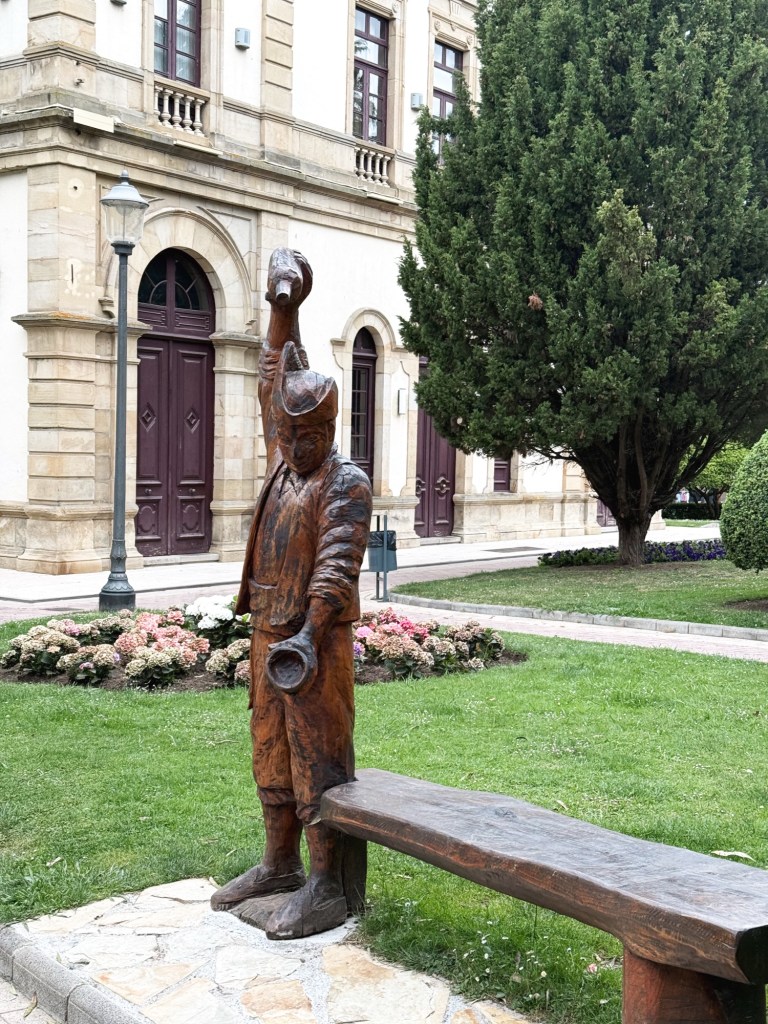
We arrived at Villavisiosa, the Cider Capital.  

Ribadesella to Colunga

Day 21: Ribadesella to Colunga – 12 miles (19 km) Today, along the way, we met a group of five French pilgrims who, like us, started walking El Camino del Norte last year and are planning to arrive in Santiago in a few weeks. 

The journey today took us through valleys and cliffs. There were more cyclists on the trail, and this year it is common to see them on electric bikes.  

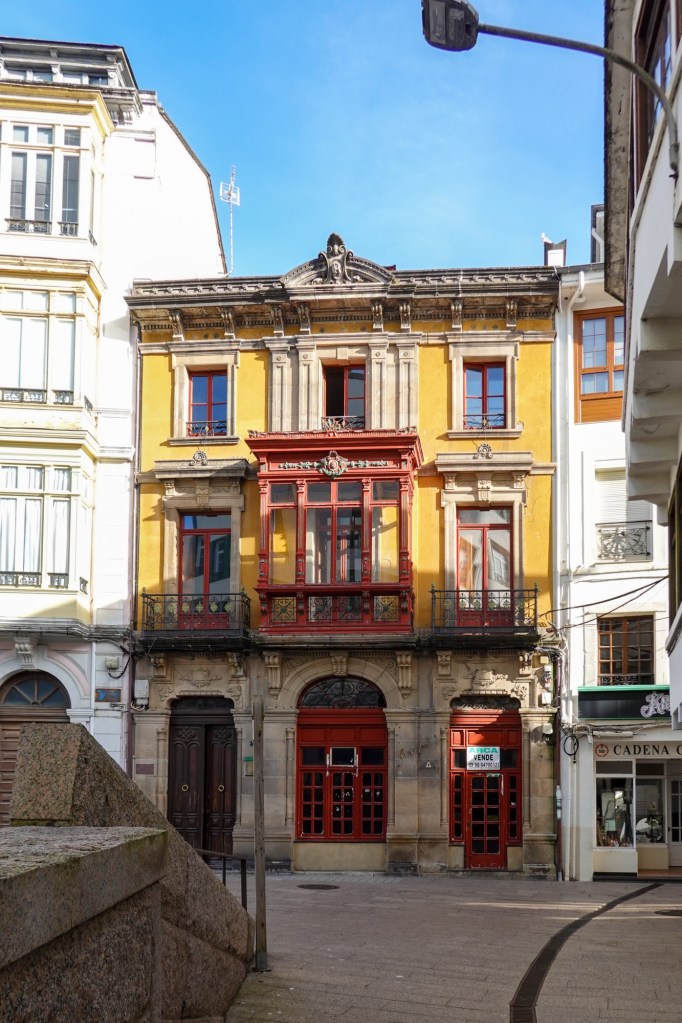
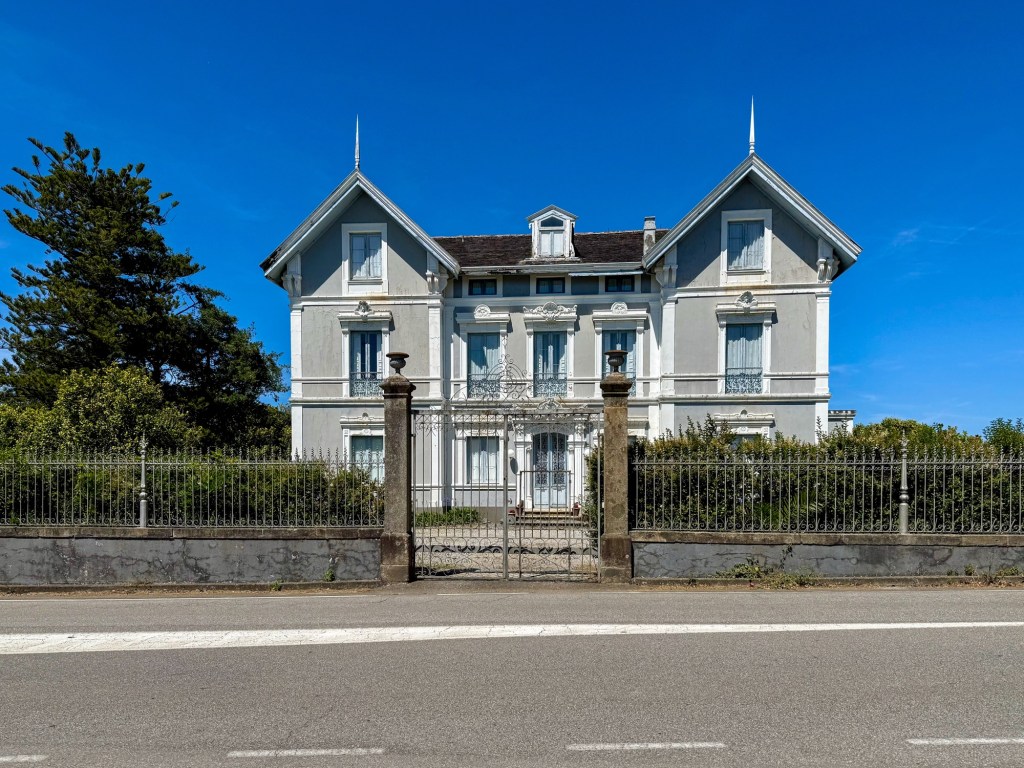
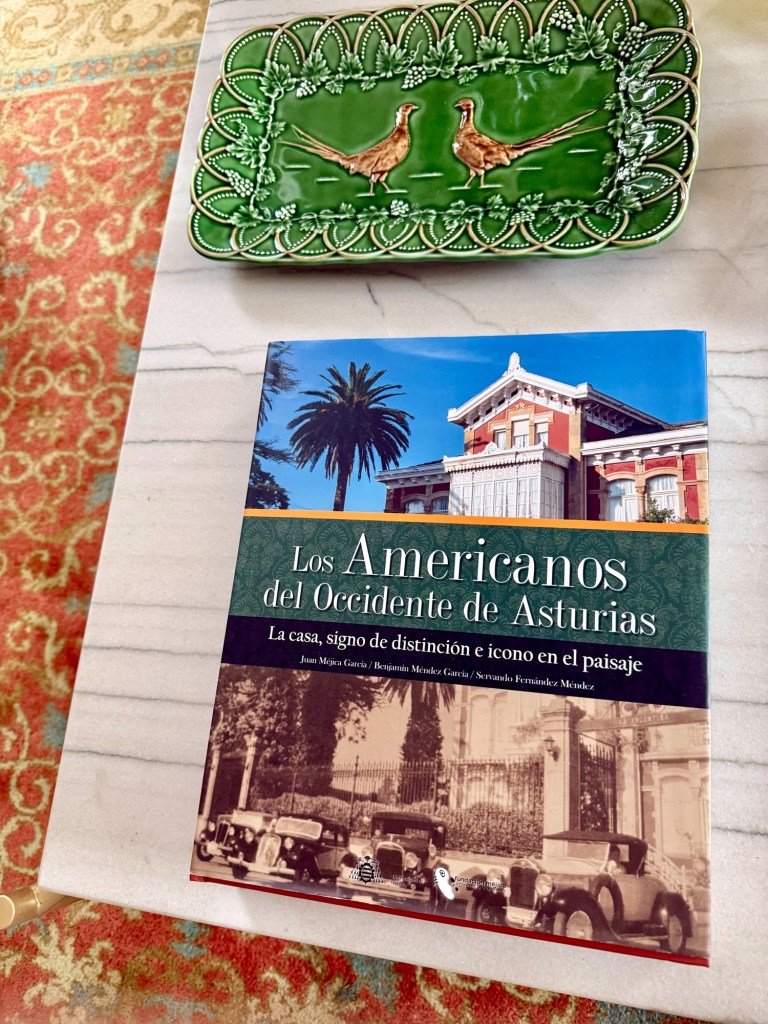
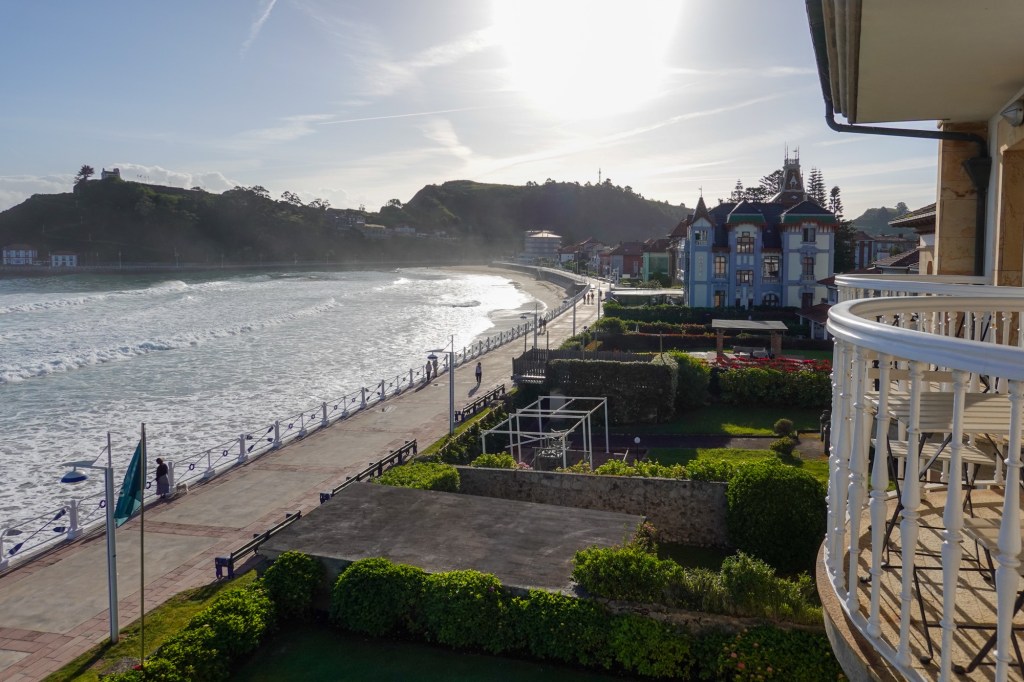
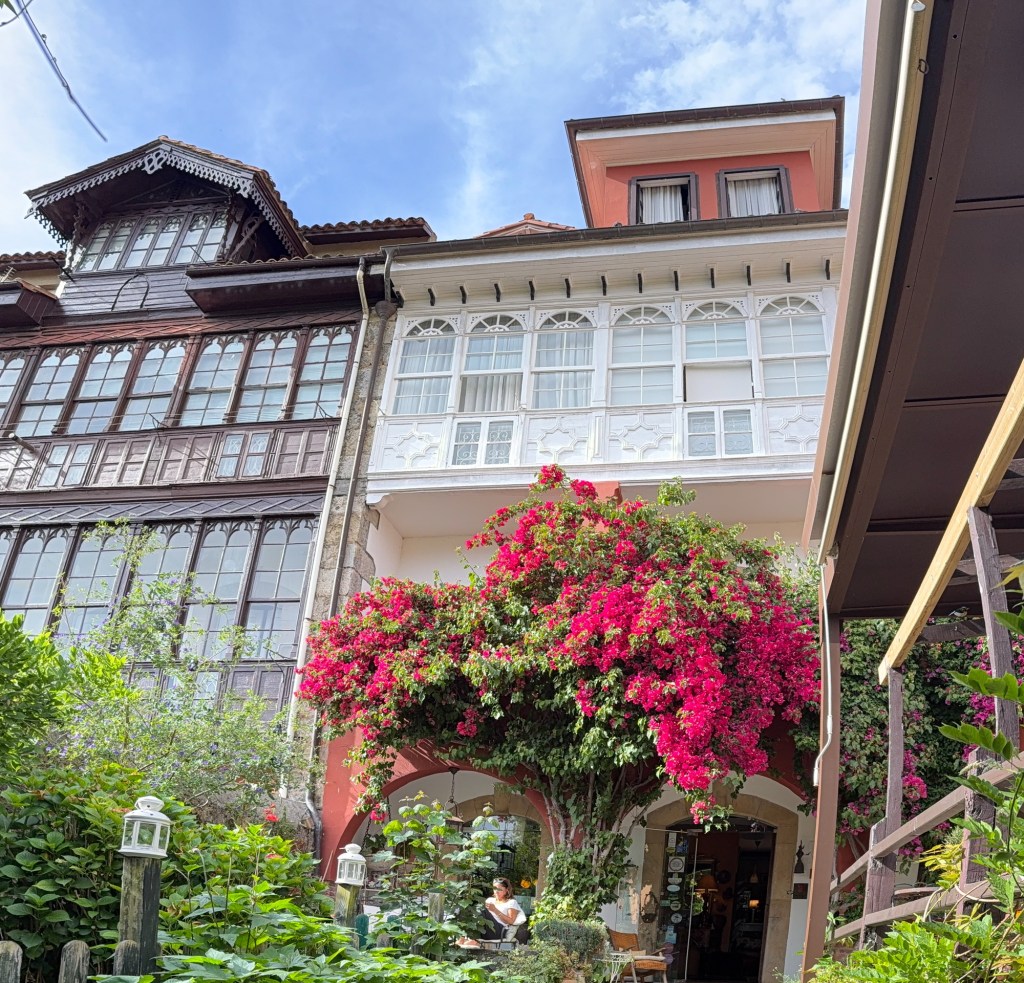
We spent the night in a small hotel that was once the home of an Indiano. In this region, the legacy of the Indianos still lingers in street names, restaurant names, and in the mansions that appear unexpectedly in small towns. The Indianos were the Spanish who made their fortunes in the Americas and later returned to Spain, especially between the 17th and 18th centuries. With their wealth, many built striking mansions and helped reshape the local economy. Today, some of those mansions are hotels, schools, or even museums.   

 A local guide explained that many Indianos supported the construction of churches, monasteries, and convents to obtain pardon from the Church for sins committed in the Americas. It was one of those details that made you want to look more closely into the history behind these buildings.