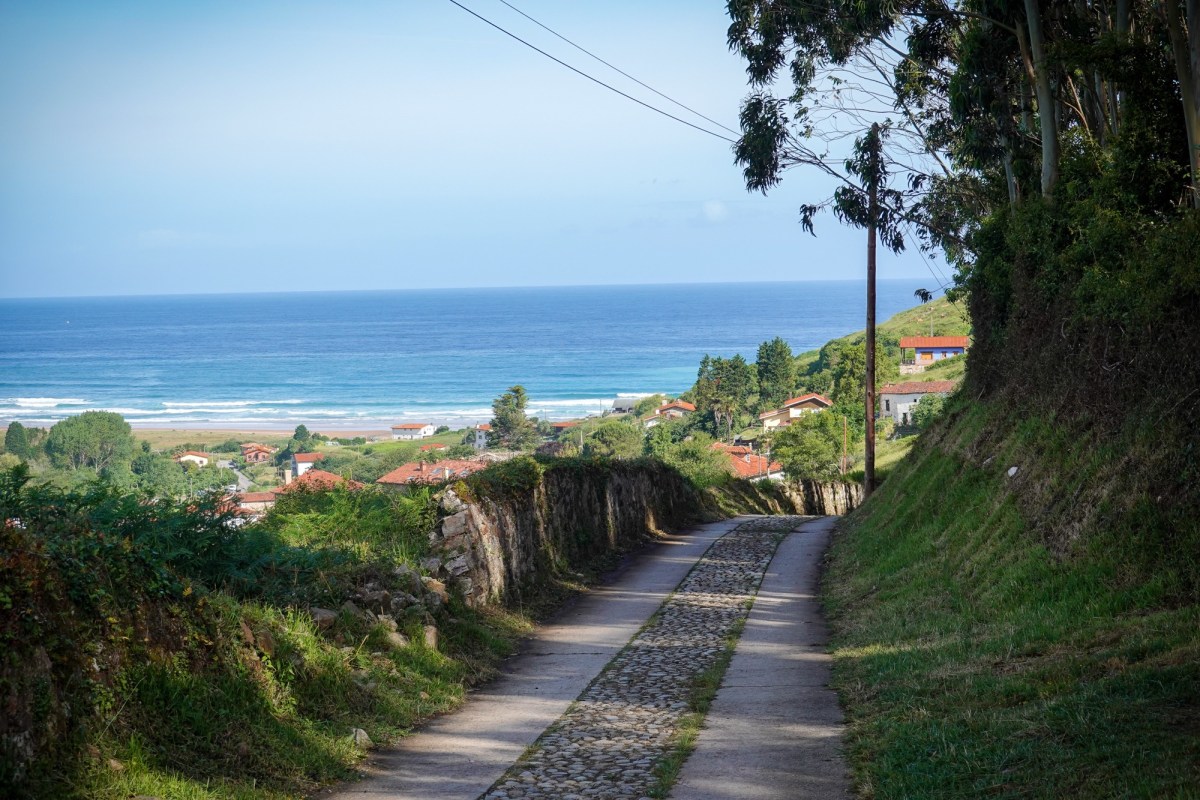
Ribadesella to Colunga

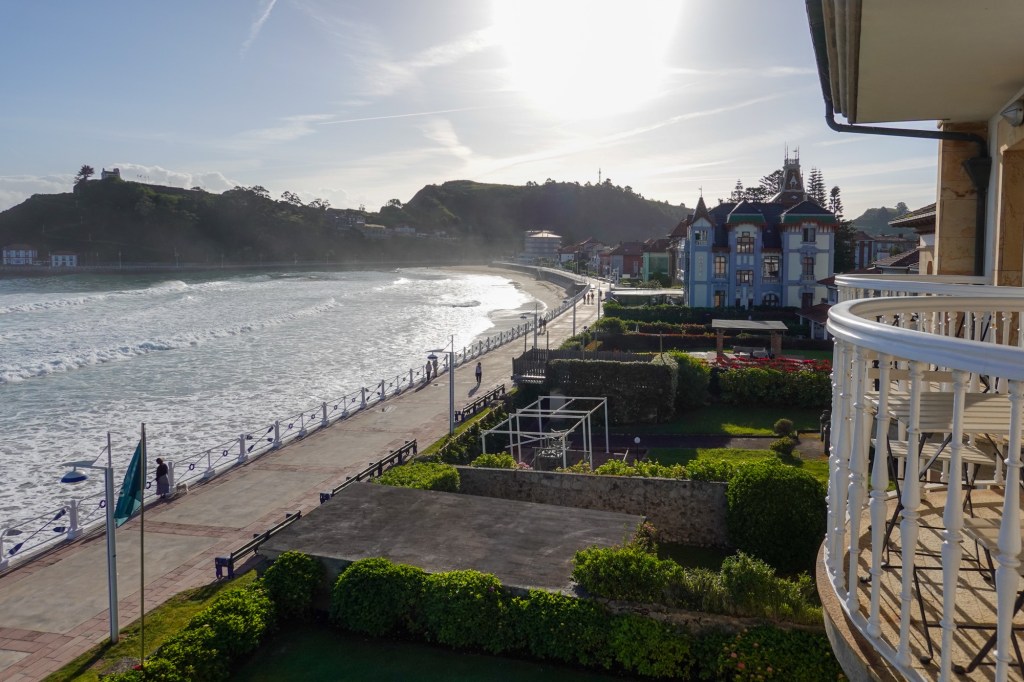
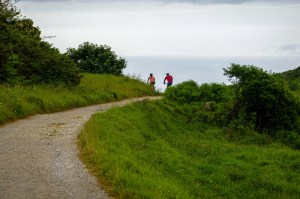
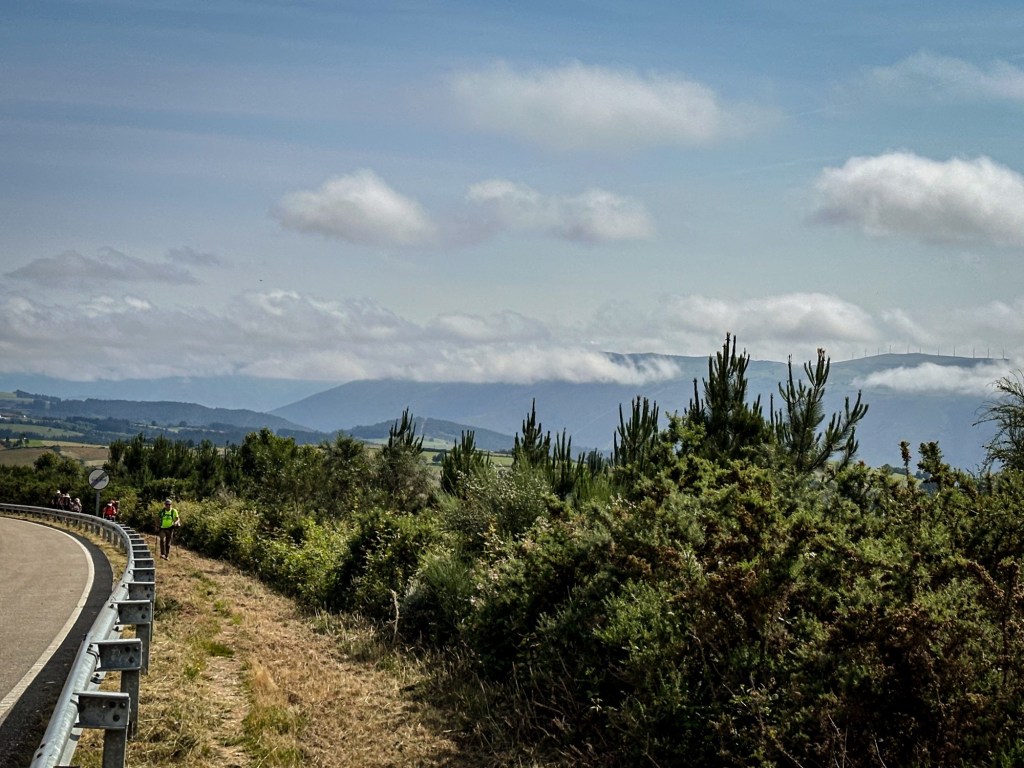
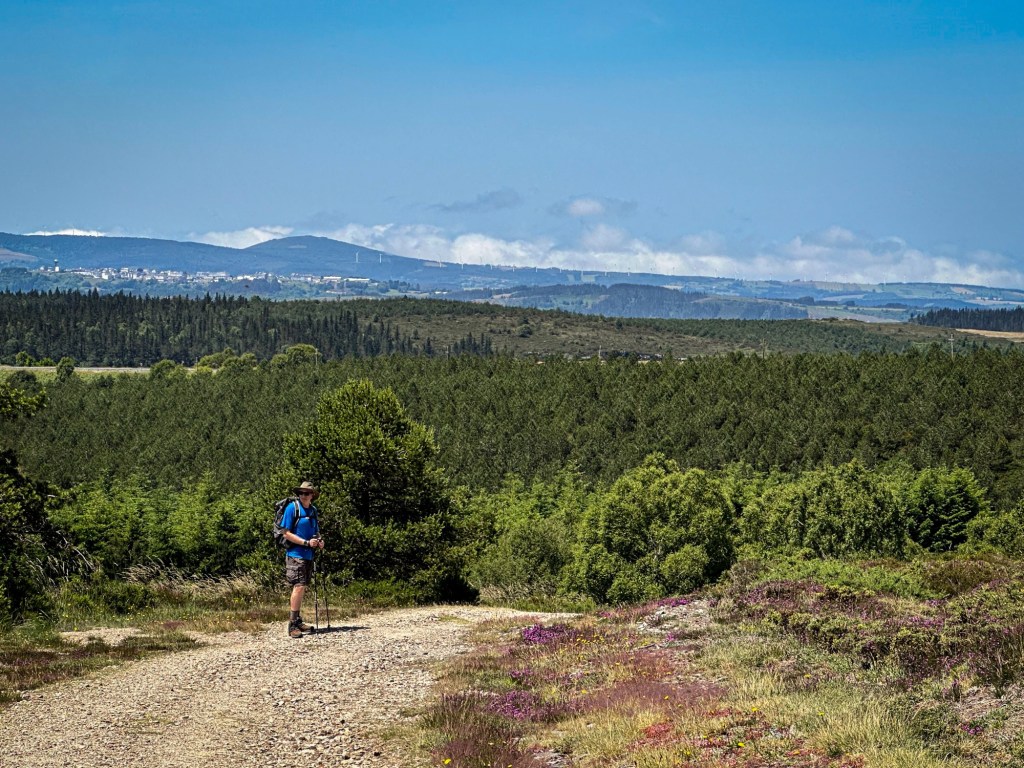
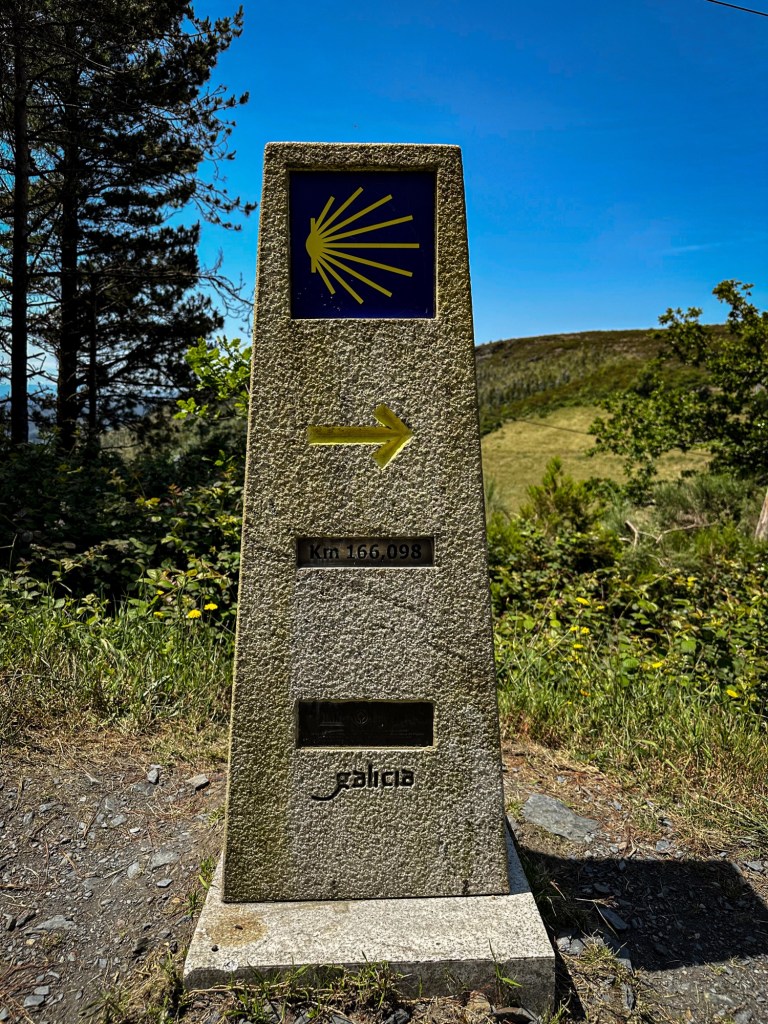
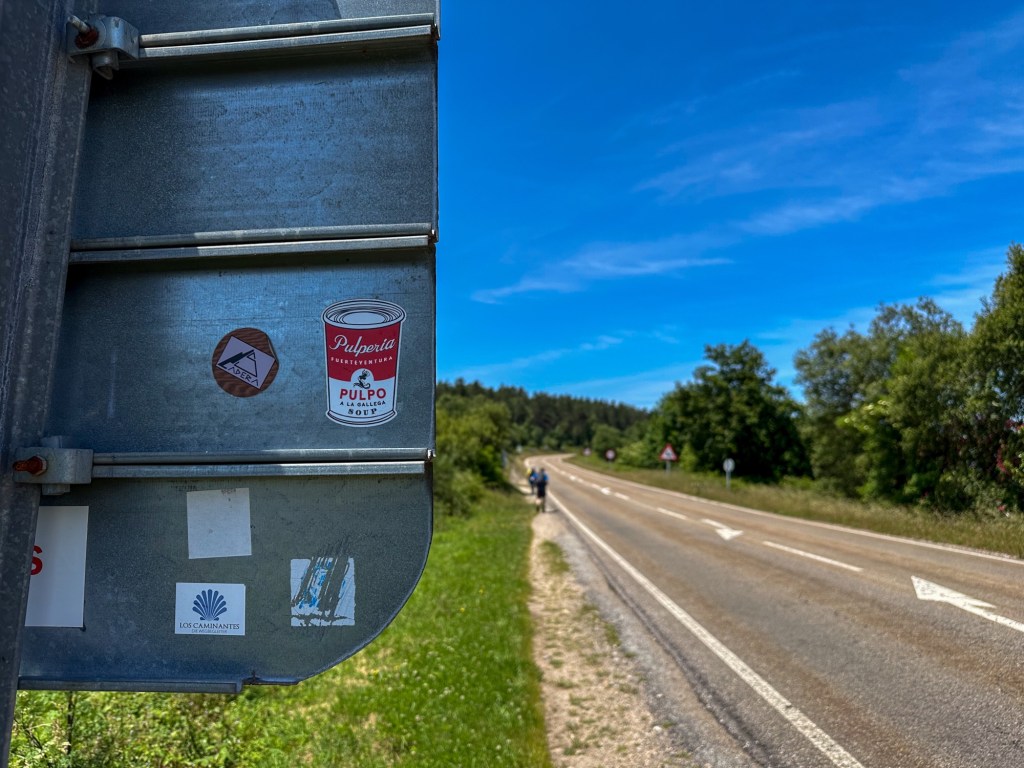
Day 21: Ribadesella to Colunga – 12 miles (19 km) Today, along the way, we met a group of five French pilgrims who, like us, started walking El Camino del Norte last year and are planning to arrive in Santiago in a few weeks. 

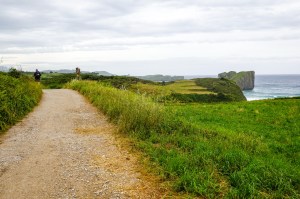
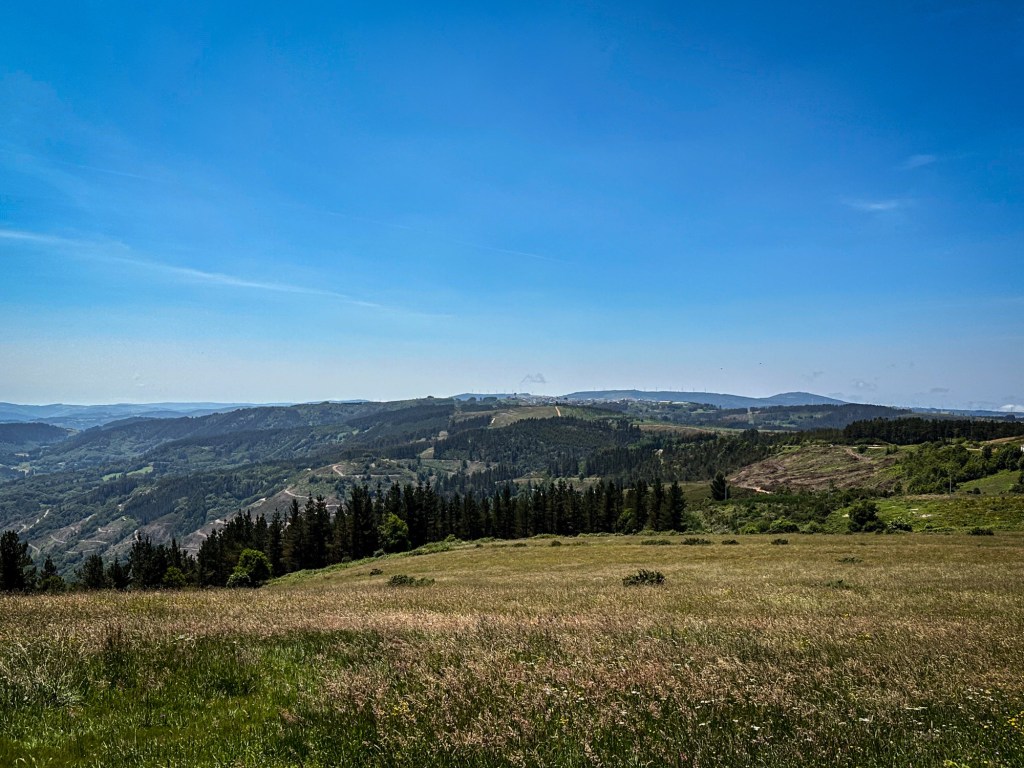
The journey today took us through valleys and cliffs. There were more cyclists on the trail, and this year it is common to see them on electric bikes.  
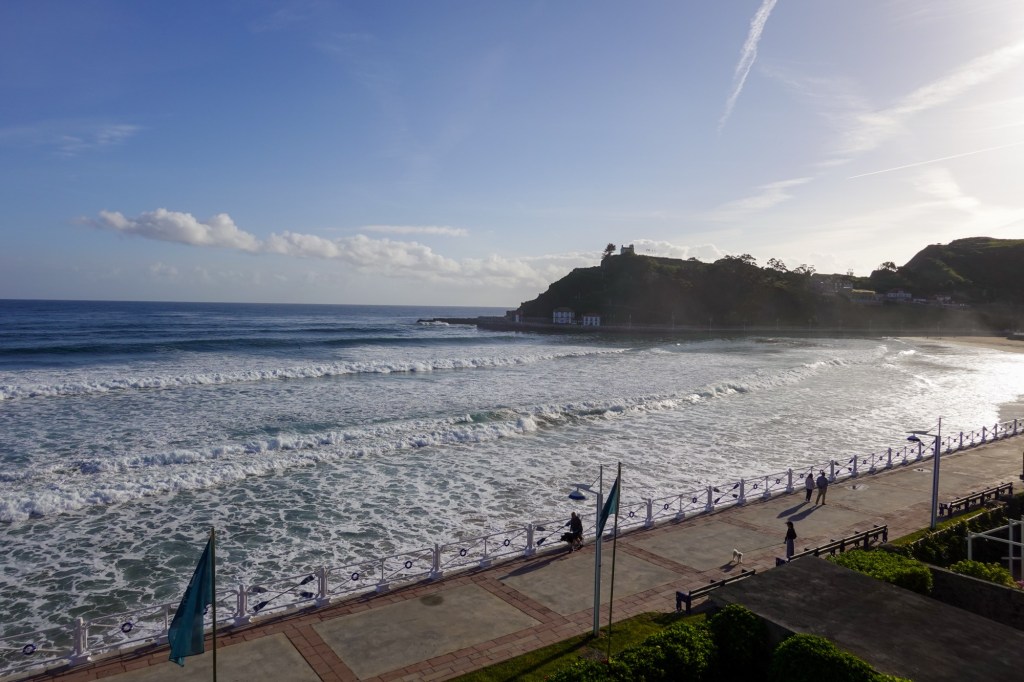
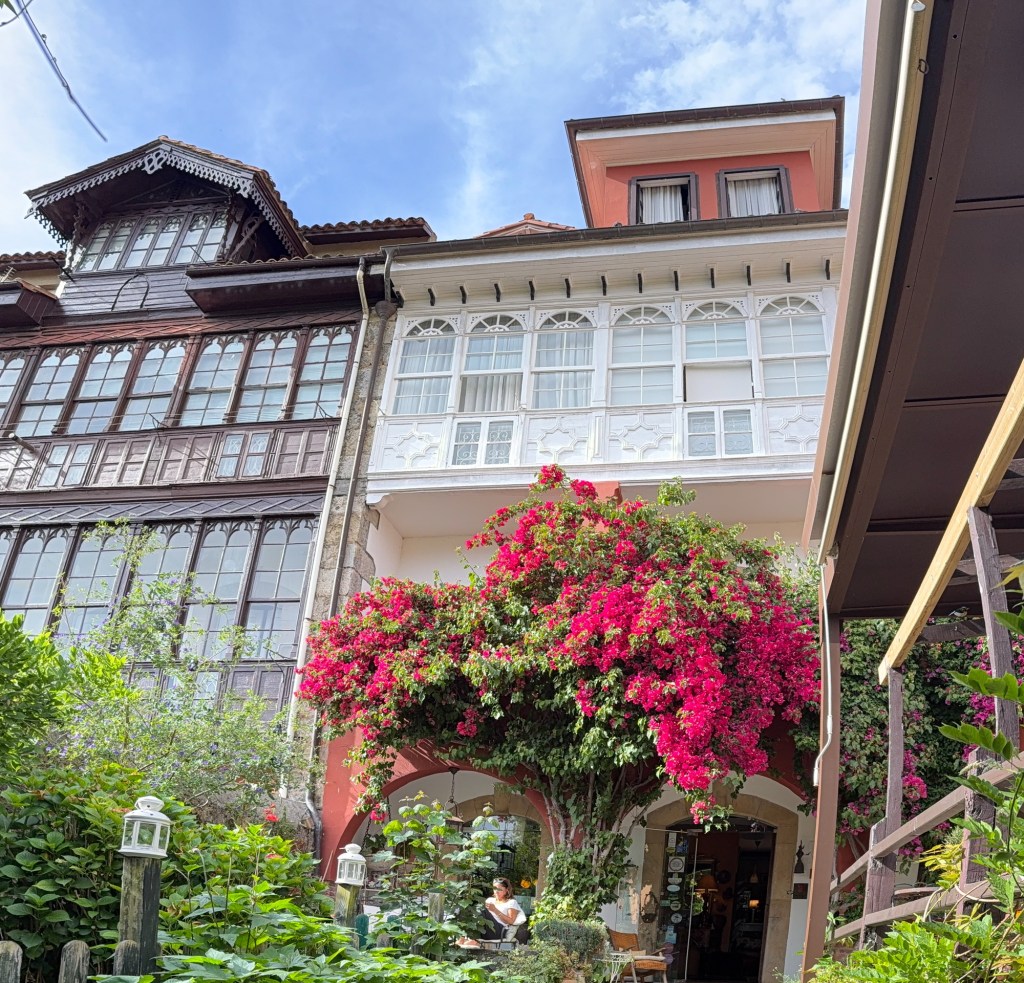
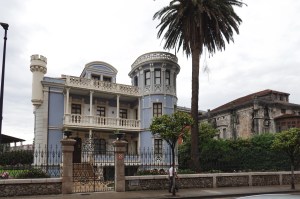
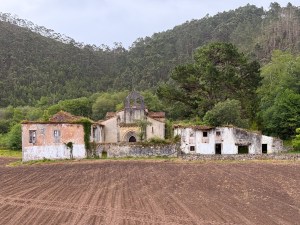
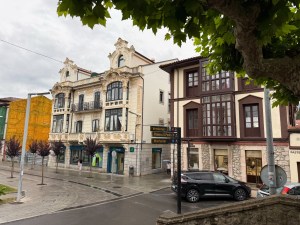
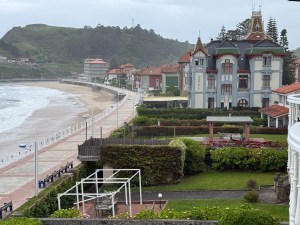
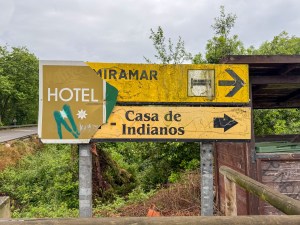
We spent the night in a small hotel that was once the home of an Indiano. In this region, the legacy of the Indianos still lingers in street names, restaurant names, and in the mansions that appear unexpectedly in small towns. The Indianos were the Spanish who made their fortunes in the Americas and later returned to Spain, especially between the 17th and 18th centuries. With their wealth, many built striking mansions and helped reshape the local economy. Today, some of those mansions are hotels, schools, or even museums.   

 A local guide explained that many Indianos supported the construction of churches, monasteries, and convents to obtain pardon from the Church for sins committed in the Americas. It was one of those details that made you want to look more closely into the history behind these buildings.  
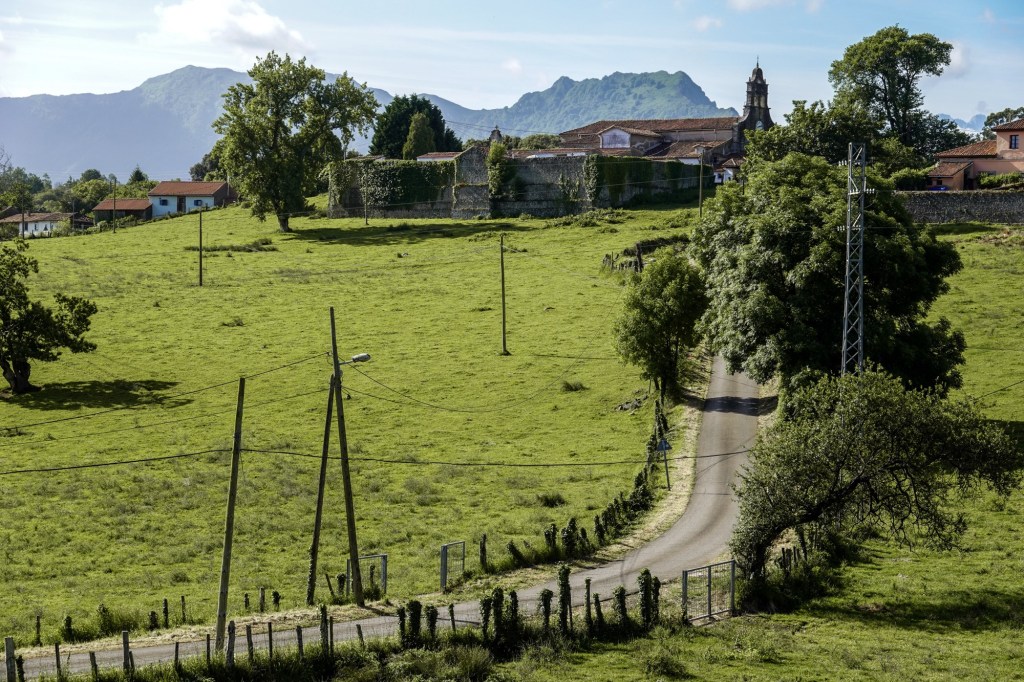
Llanes to Ribadesella

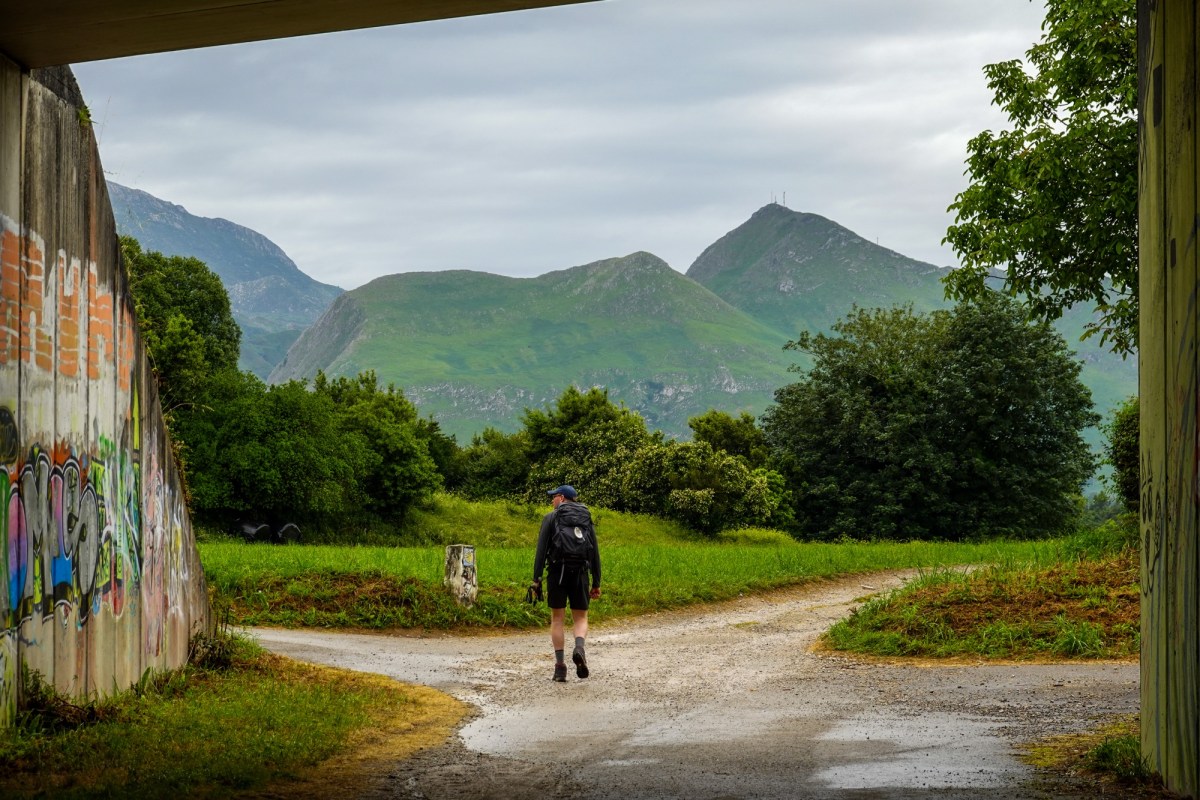
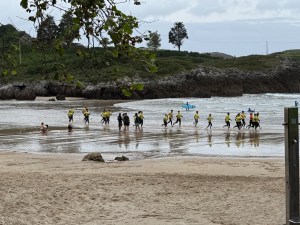
Day 20 (2026), we walked from Llanes to Ribadesella, 20 miles (32 km). The hike was easy but long; there was some confusion with the itinerary and Google Maps. We thought the hike was only 23 km today, but it ended up being 9 km more, taking two extra hours. At least the weather was pleasant. We walked alongside the Picos de Europa mountain range, which we didn’t have to climb today, and we admired the breathtaking views of the cliffs and the ocean.
We had an interesting dinner at a local bar whose owners are Mexican descendants and whose menu is a fusion of Spanish and Mexican cuisines.


Melide to Arzúa

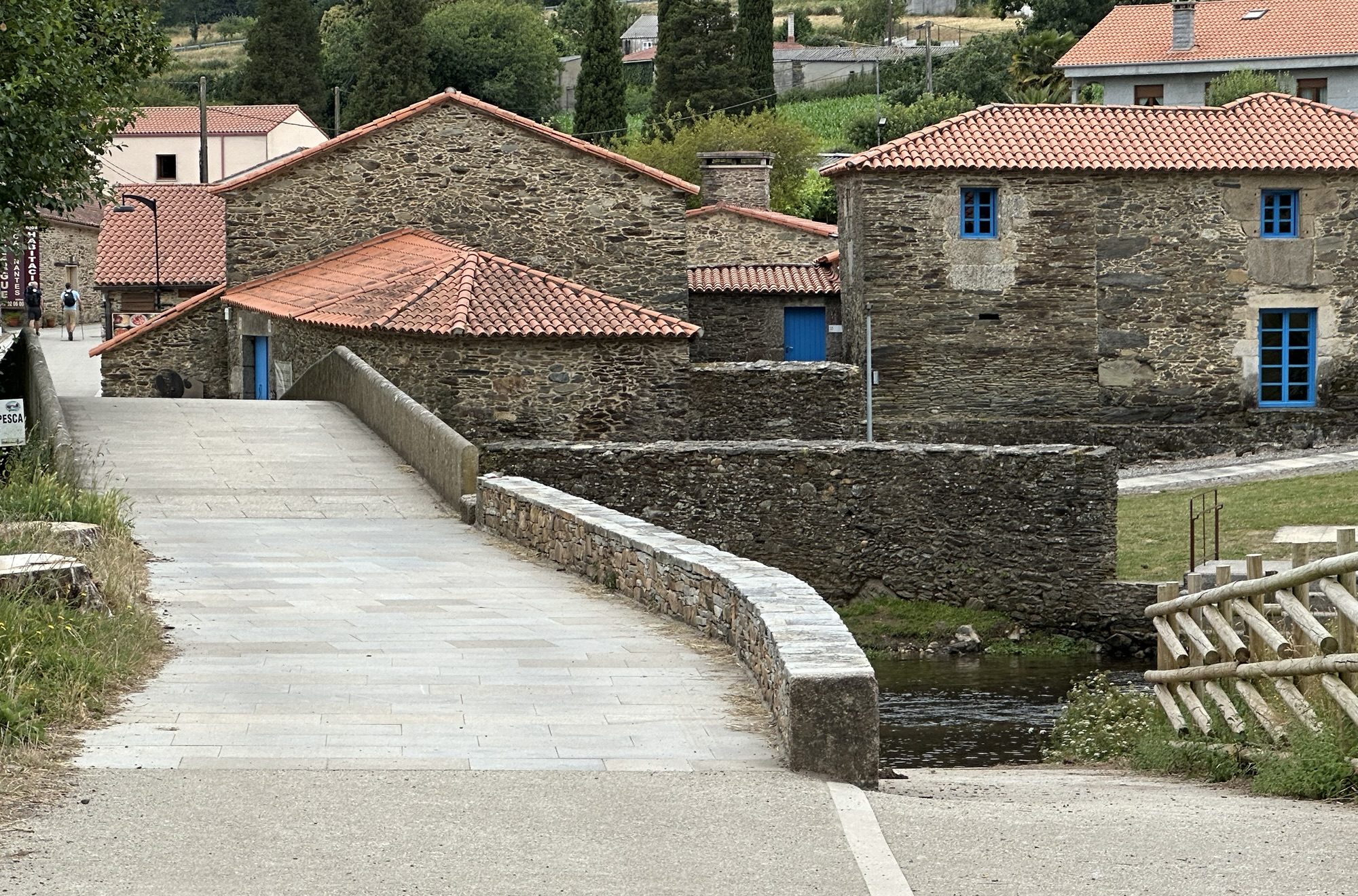
The distance we walked today was short, only 14 km (8 miles). The hike was relatively easy; we did this route in 2017 for our first Camino. We notice how the villages have changed over the years and how positive the tourism from El Camino de Santiago has been for the local economy.

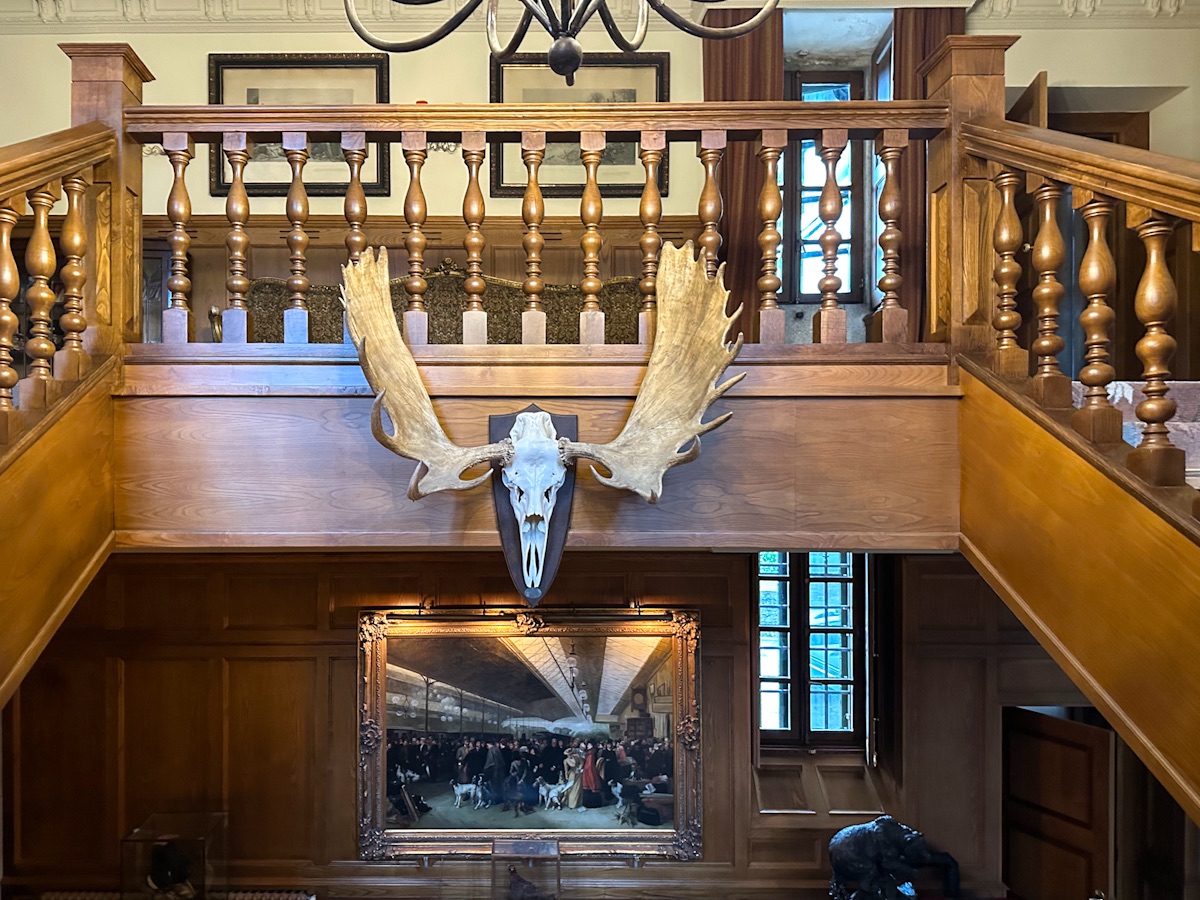
Today, we stayed at Pazo de Brandeso, near Arzúa. It is a historic manor constructed in 1554; the Pazo showcases the architectural elegance of the period. We had the opportunity to tour the property and learn about its history and its owners.

Grandas de Salime to A Fonsagrada

We had a good evening in Grandas de Salime. We had dinner at Cafe Restrepo. This cafe/bar is a good place to spend the afternoon. It was different from the other cafes we had visited in other towns. It had good music and eclectic decoration, and the owners were very friendly. There were a good number of pilgrims here, and we had the opportunity to chat and meet new people. 

After a good night’s rest, we found that one hiker in our group could not walk today due to severe knee pain and tendonitis. We arranged for her to take a taxi to the next city and rest for the day. We were aware that today’s journey would be another 28 kilometers (17.5 miles)of descending and ascending hills. 

We left Grandas de Salime, which is in the Asturias region and started our journey toward A Fonsagrada, a town in the Galicia region. Most of the hike was good, but the last part leading into A Fonsagrada presented a challenging uphill climb, where we ascended 120 meters (400 feet). After hiking for six hours, it was cruel to finally see the town at the top of a hill.  As we were ascending the last hill, we heard someone shouting behind us. Of course, I wasn’t the only one who used the F word and cursed at the sight of that daunting hill. 

Image

Alviso Marina County Park

It has been raining for the past two days, and today we had to hike. I chose Alviso because it looked like an easy hike. It had a flat 9-mile trail. It was a great decision to go today because it was overcast and there weren’t any trees. Well, after three miles on wet gravel,  which was an easy walk, we got to a muddy trail. For the next six miles, we walked on the worst terrain. I didn’t know how heavy my boots and hiking poles could be when the mud accumulated on them; it was almost impossible to walk in some areas. At the end, it took us four hours to walk 9 miles. When we finished, we were dirty, tired, and hungry.

I’m afraid that on El Camino, we will have some days with this kind of terrain due to the rain in spring.

I’m glad we did it because now we know what to expect and how long it could take us to walk in mud with some extra weight on our shoes and hiking poles.