A Ponte Ferreira to Melide

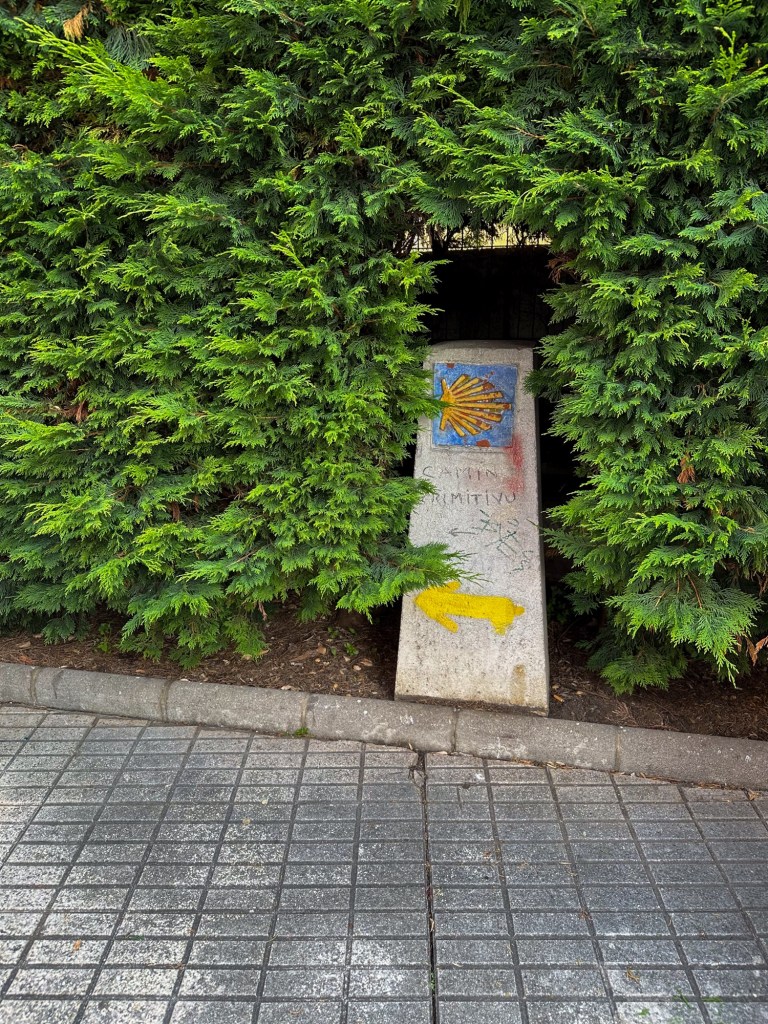
El Camino primitivo

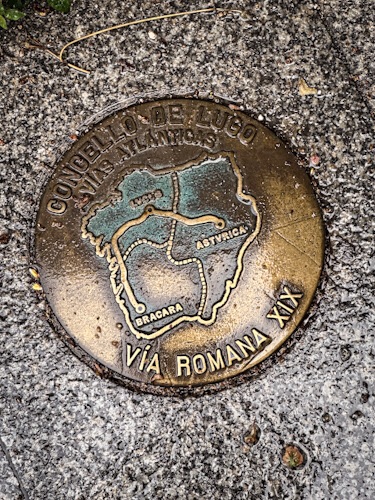
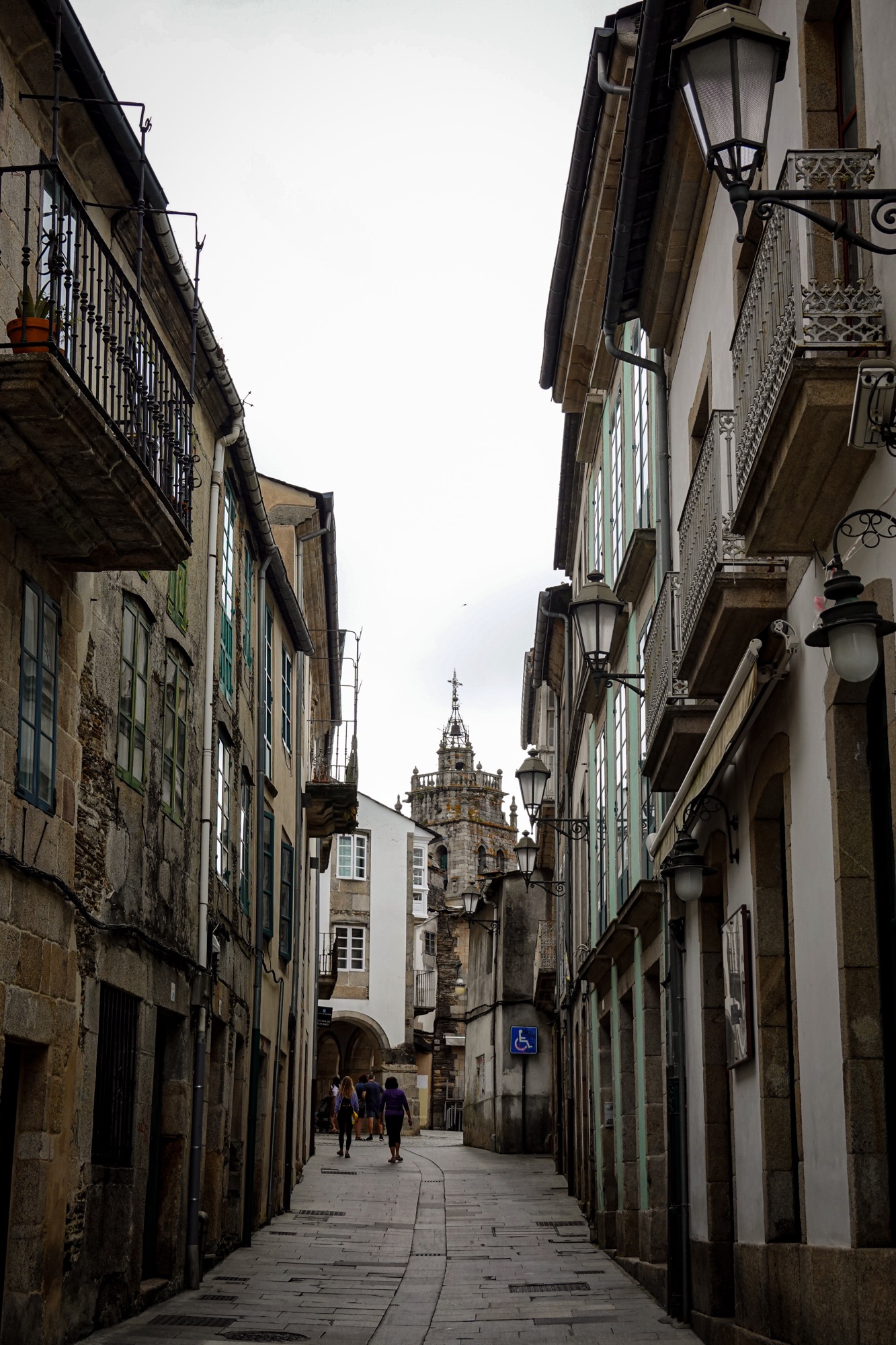
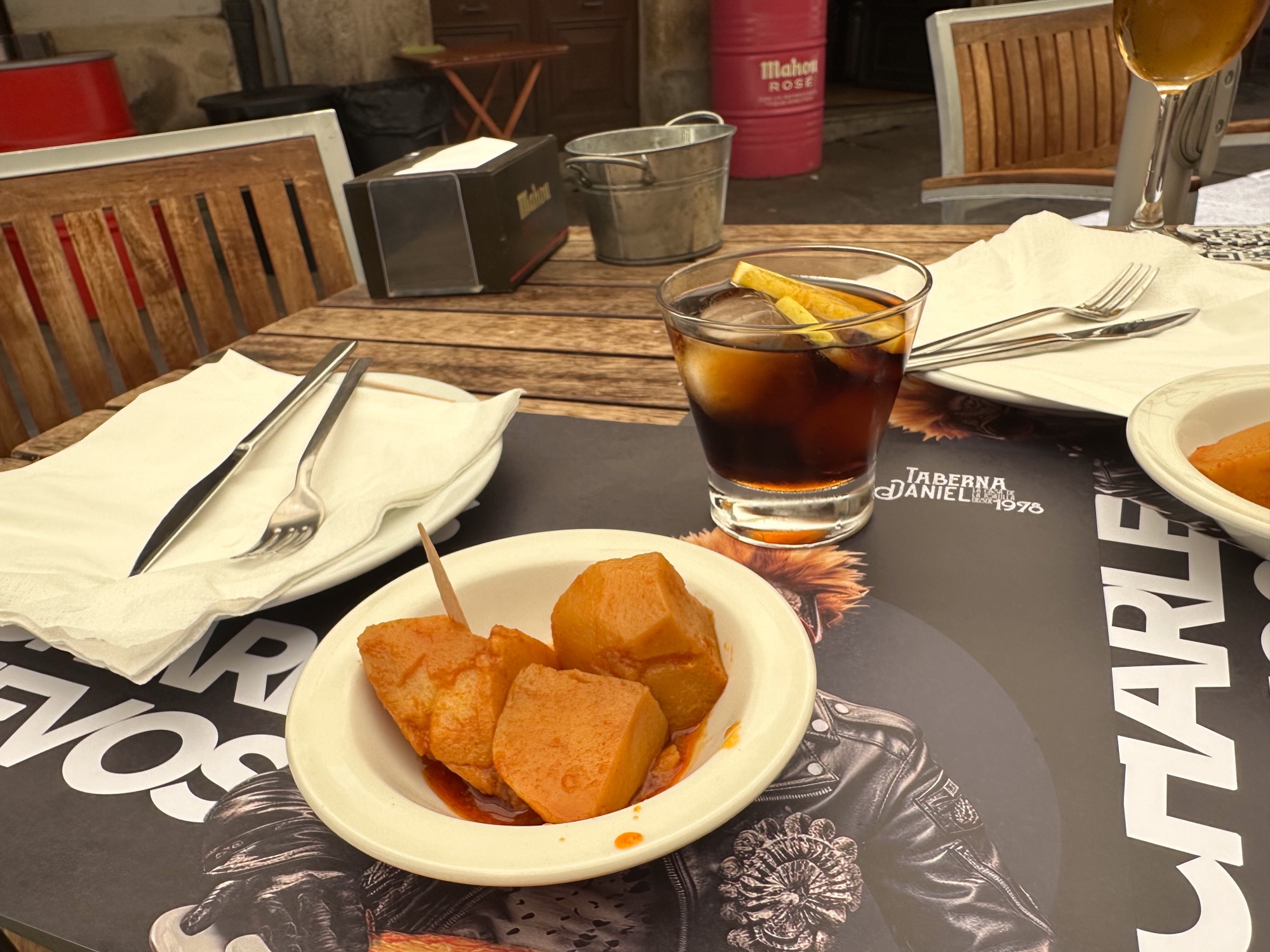
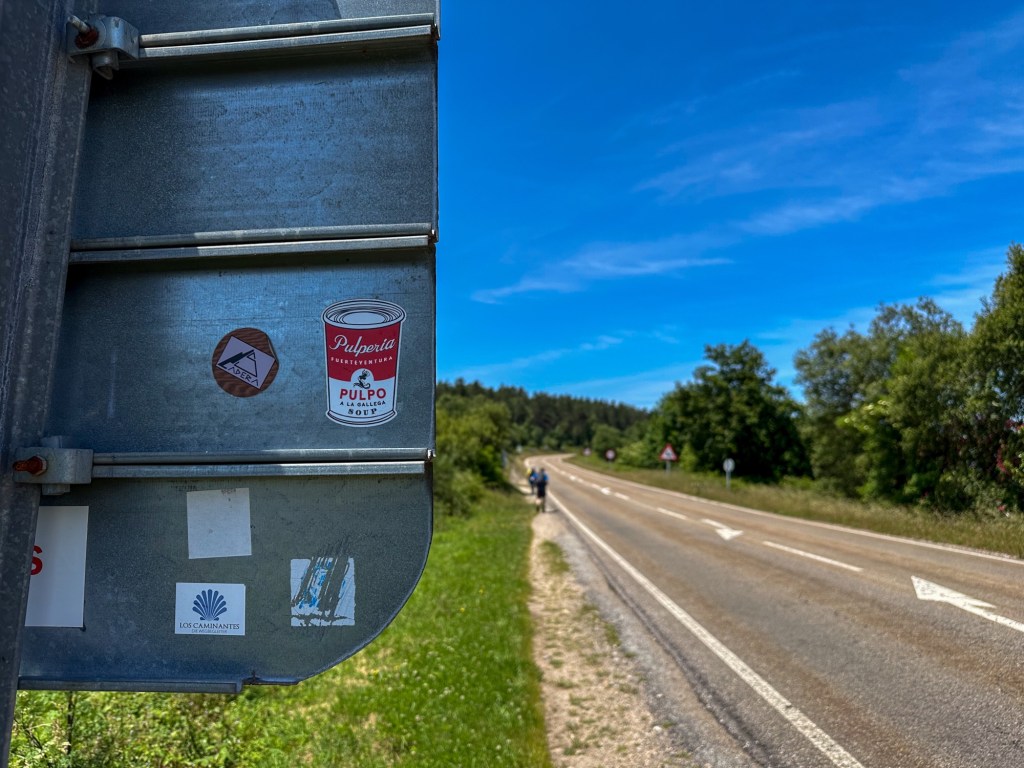
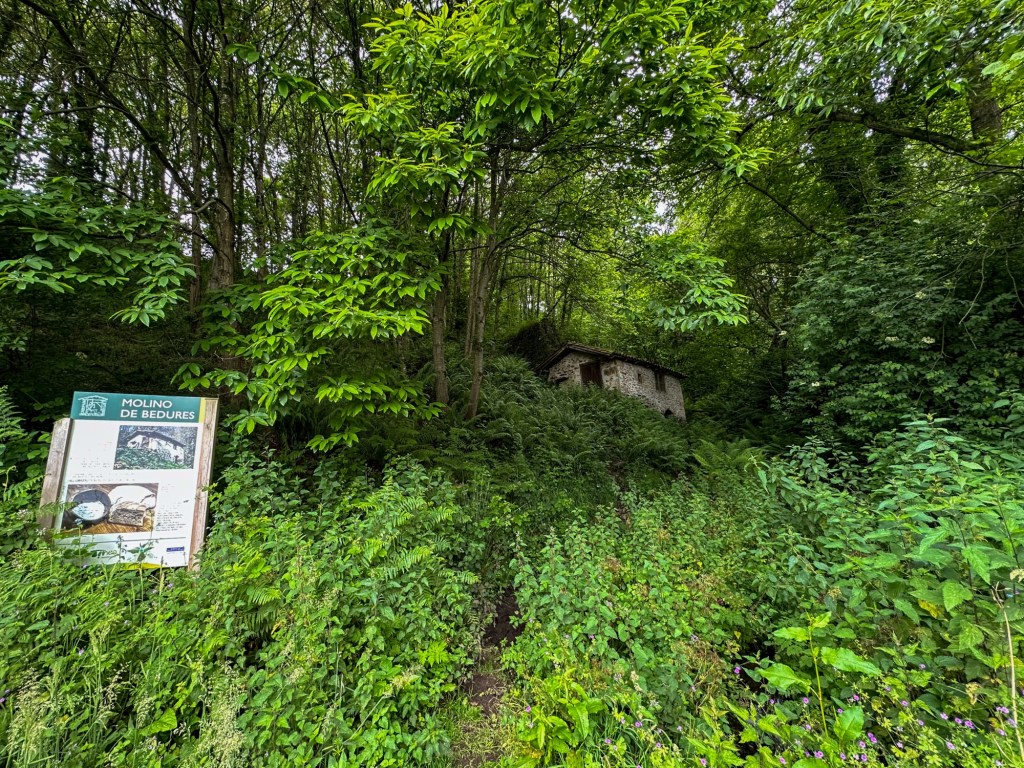
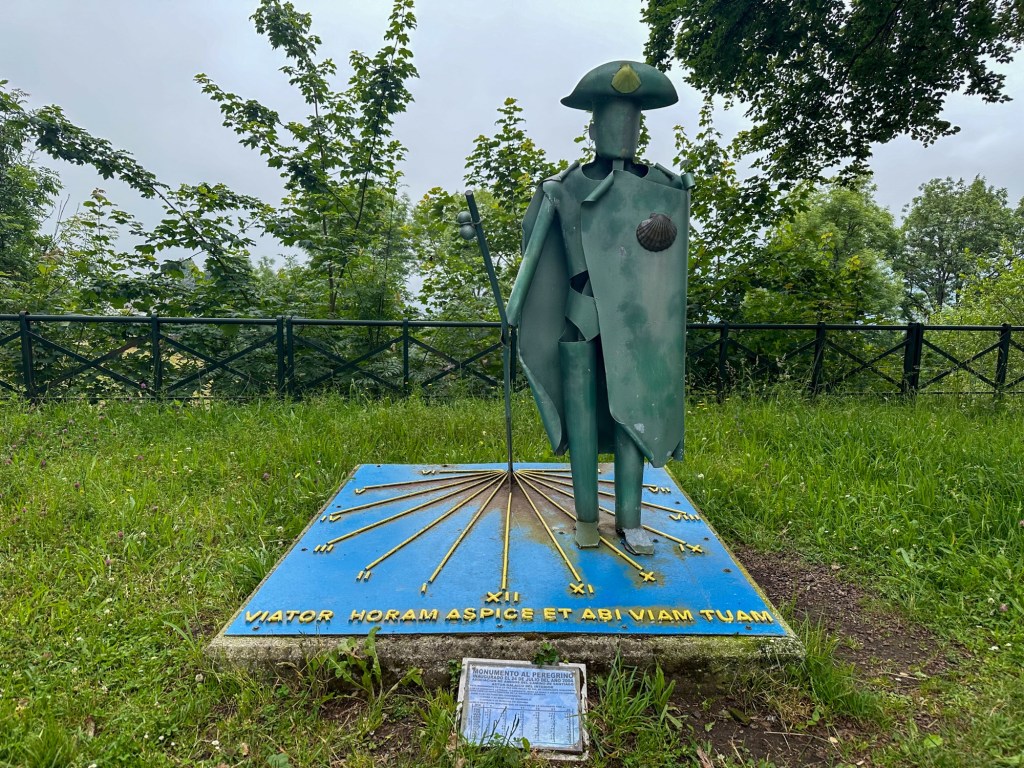
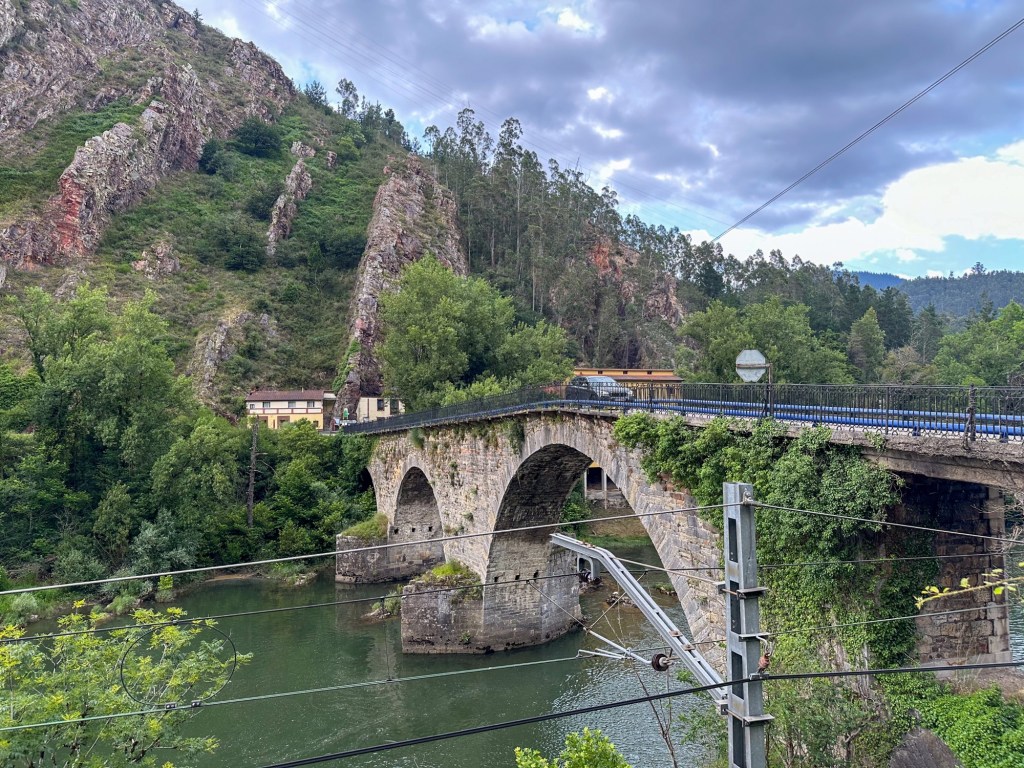
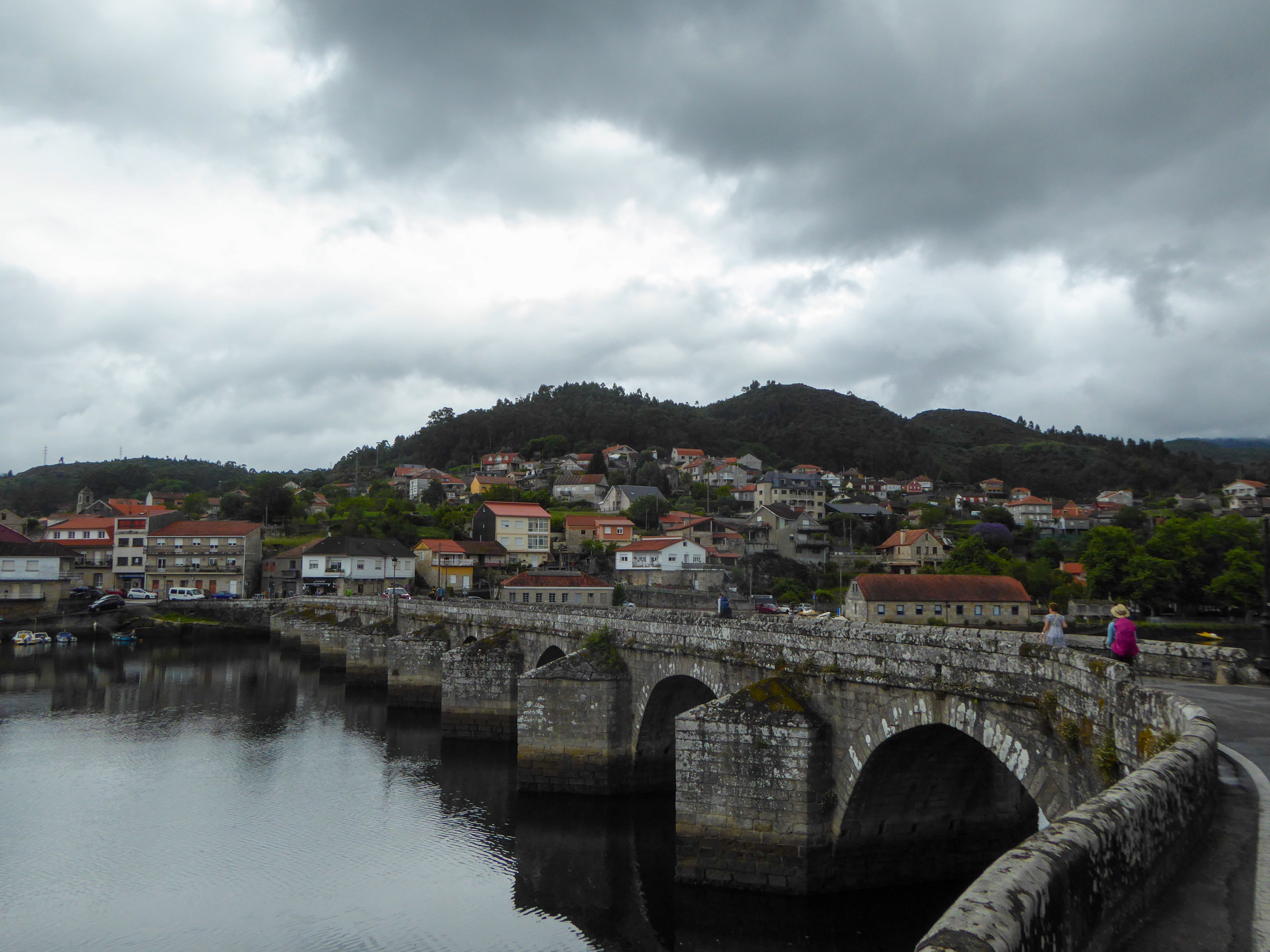
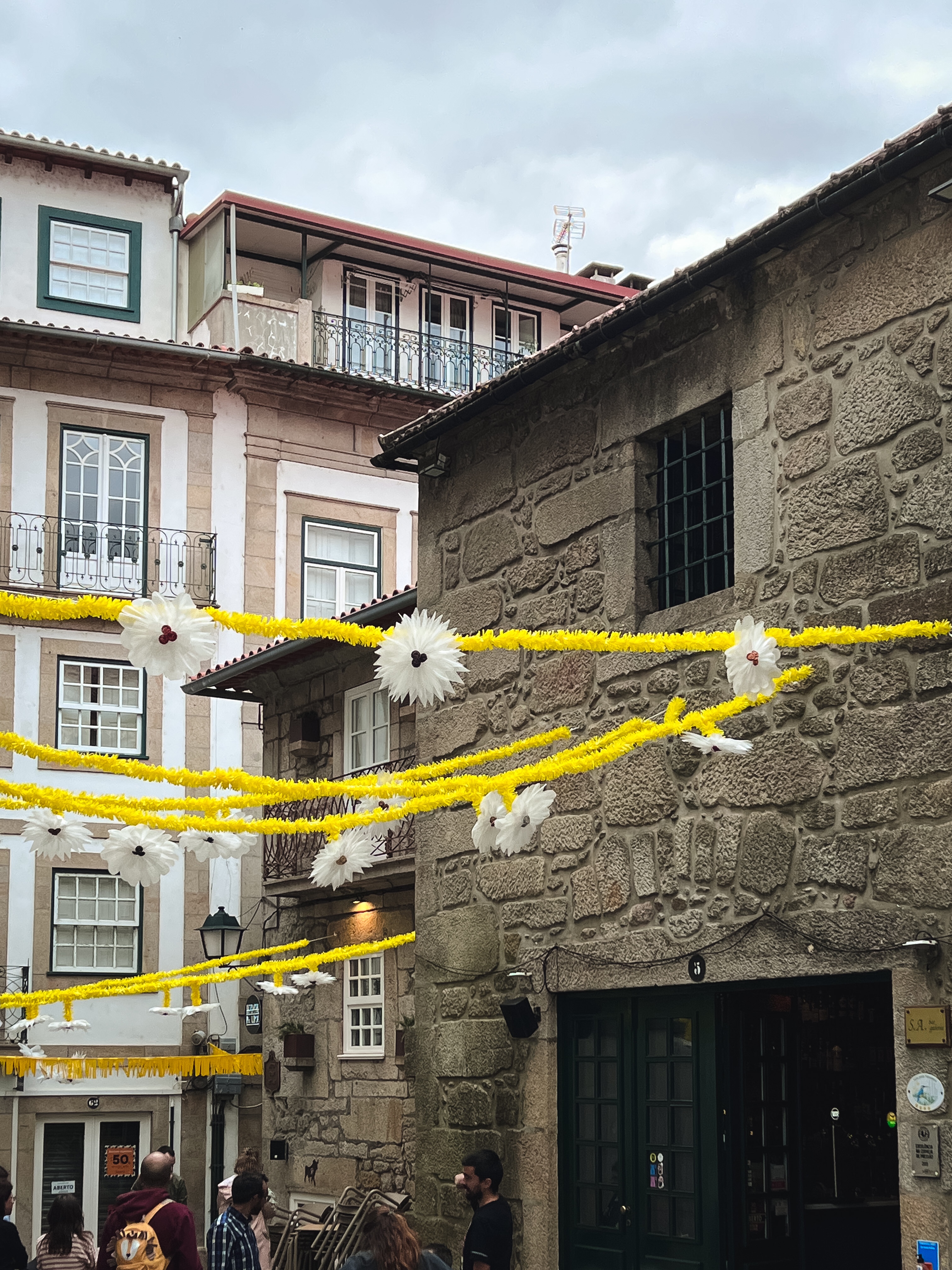
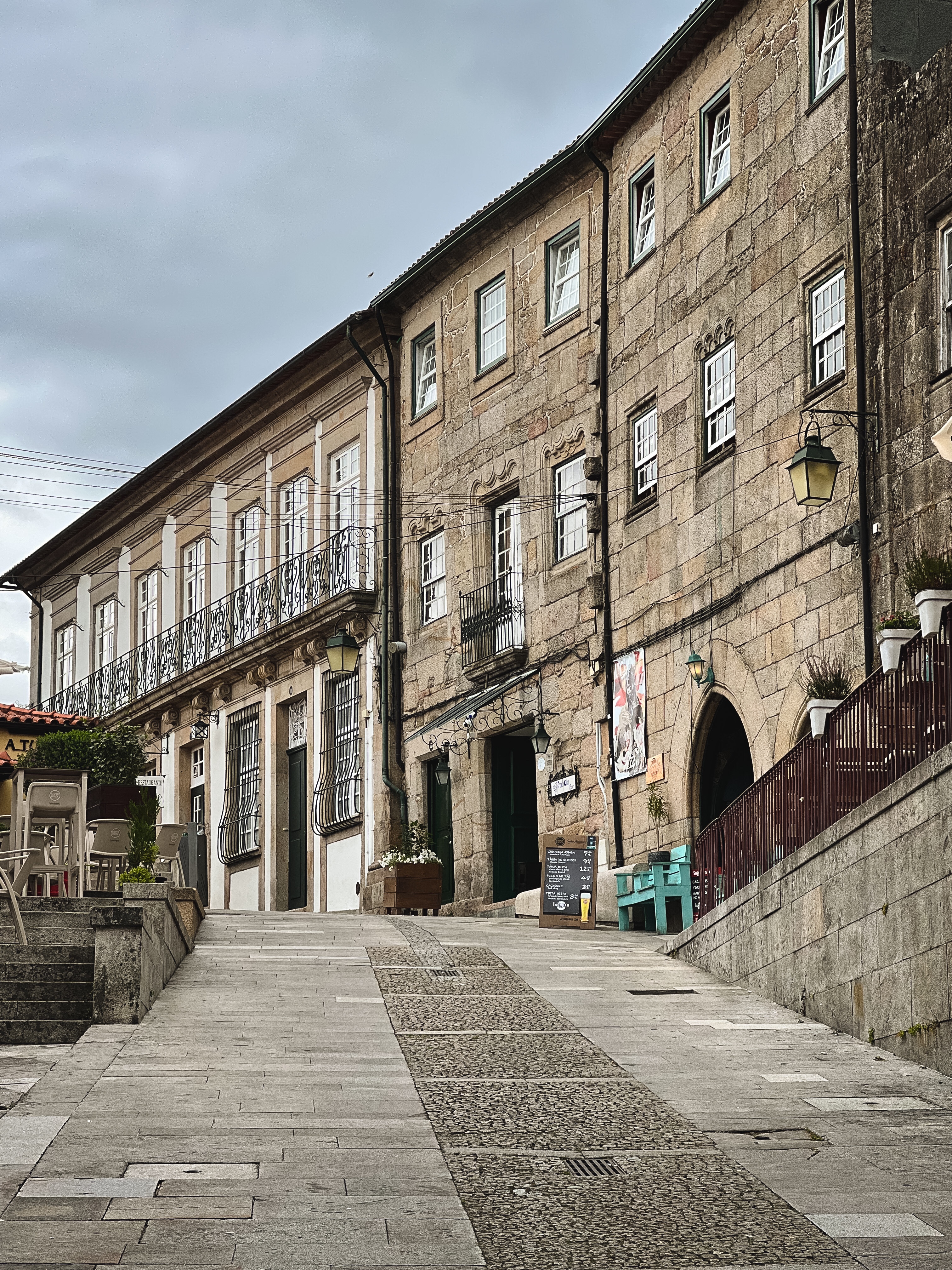
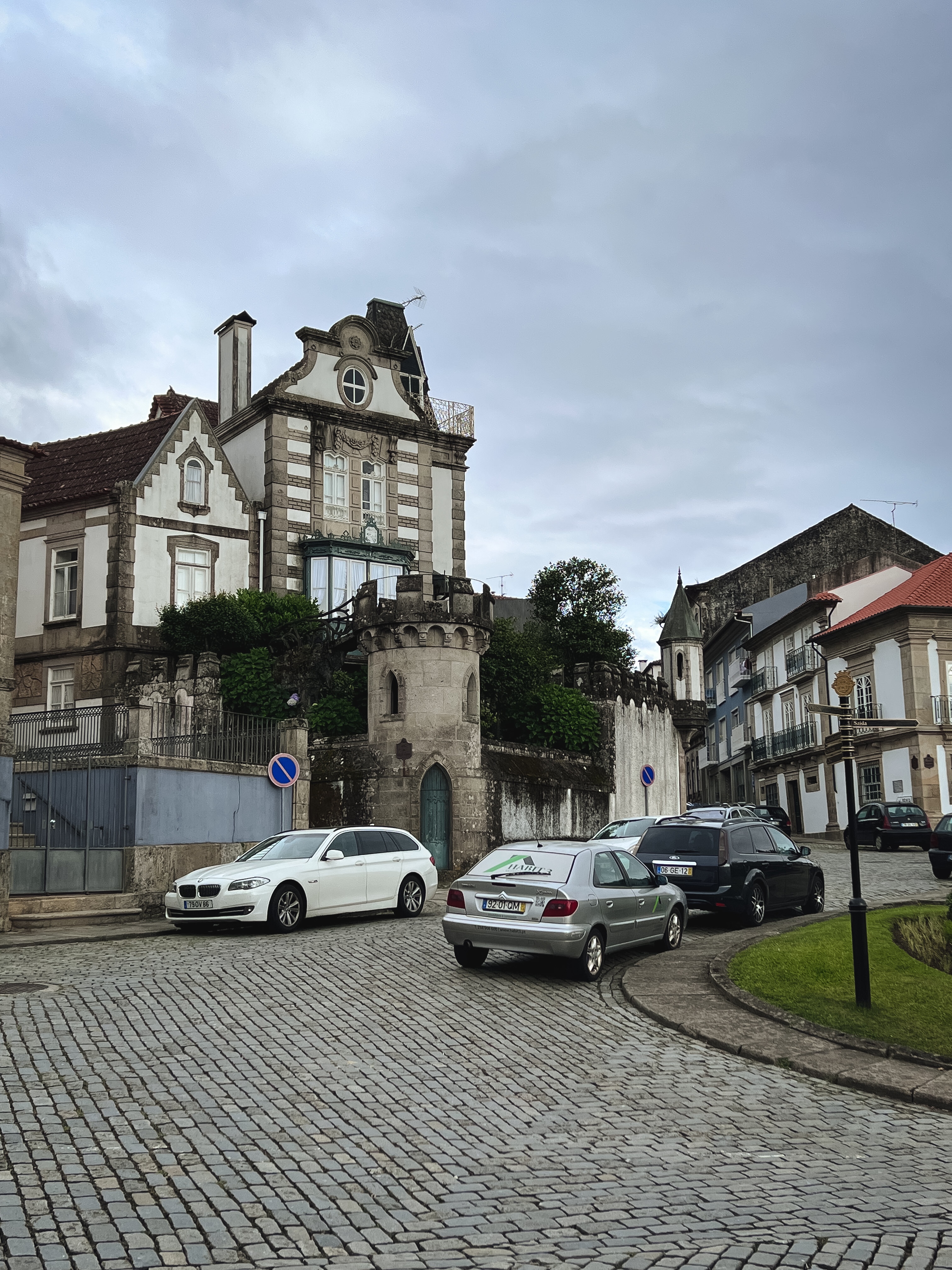
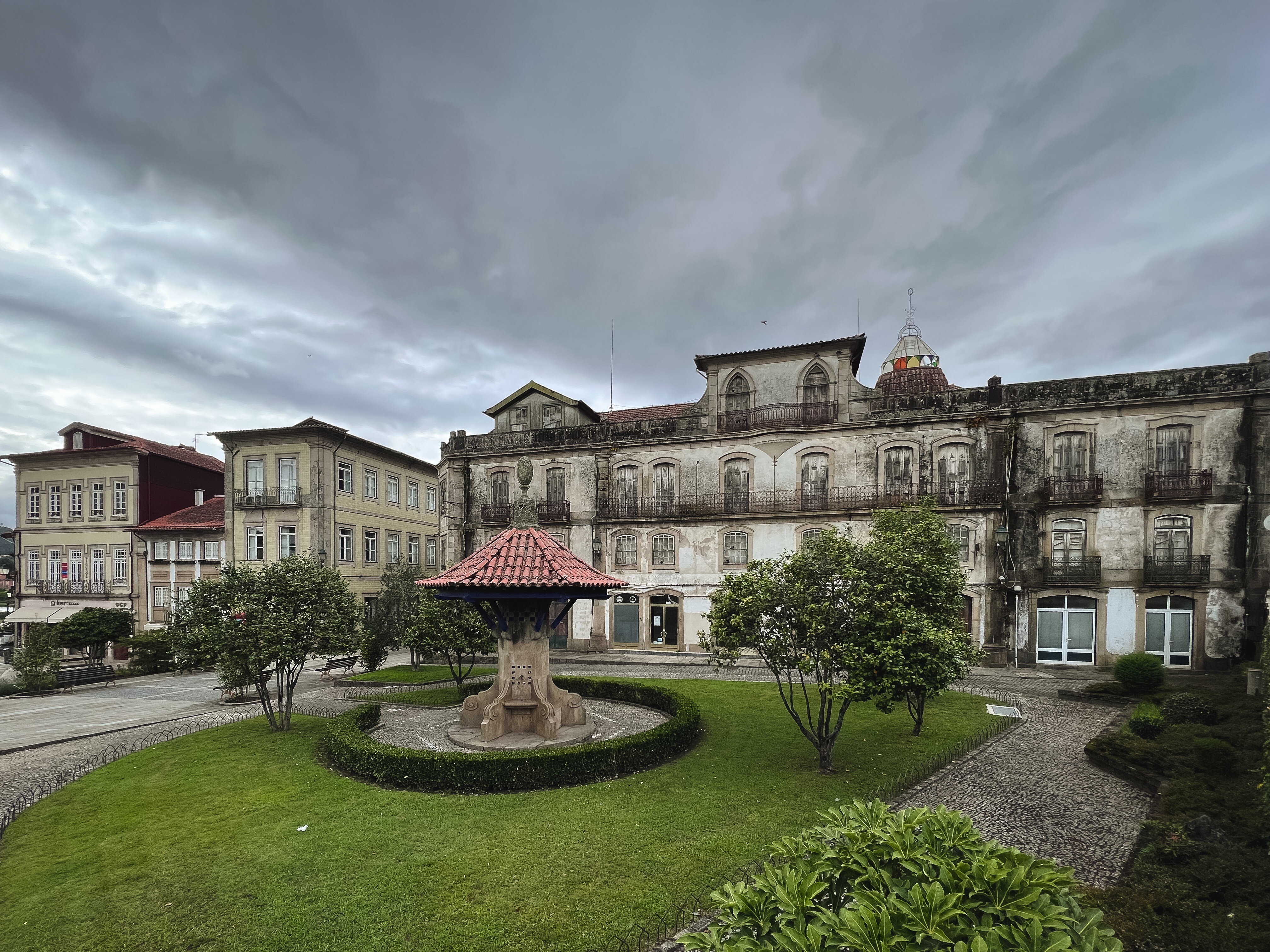
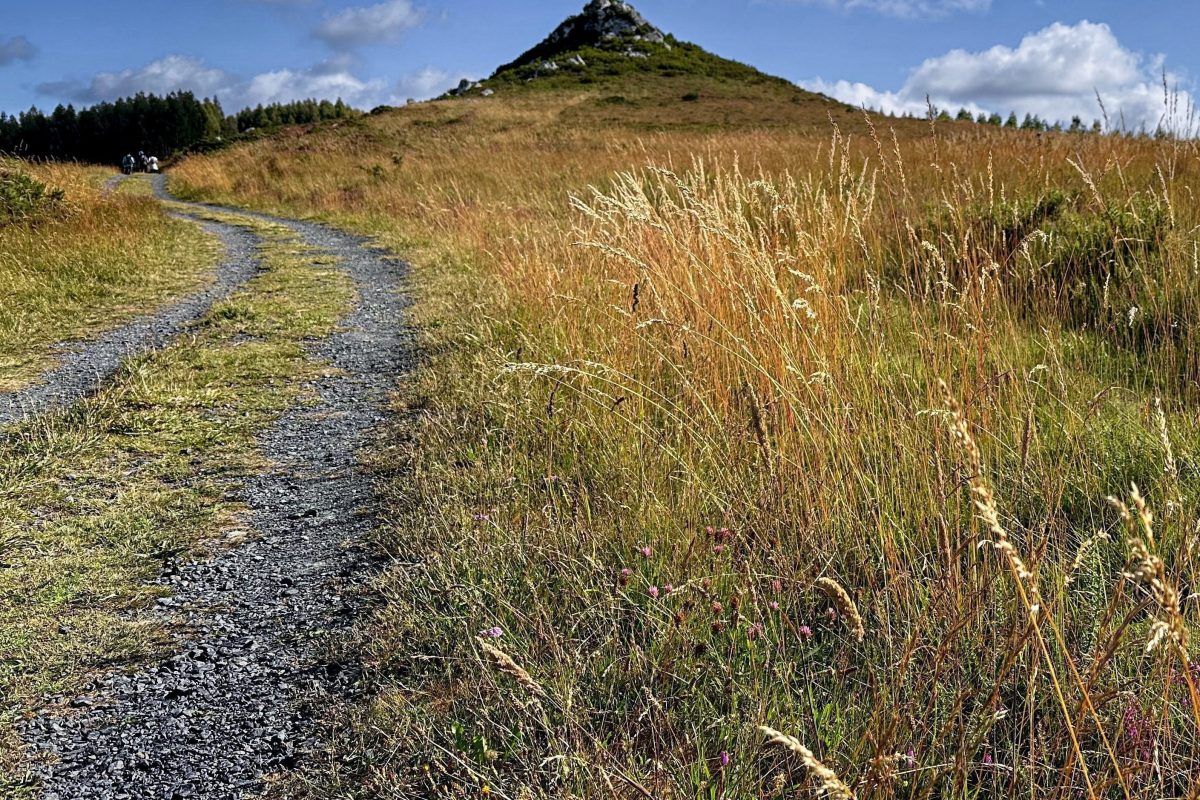
Today, we hiked about 20 km to Melide from Ponte Ferreira. We crossed a historic Roman bridge outside Ponte Ferreira, and at this point, I lost track of how many Roman or archeological zones we passed en route to Santiago.

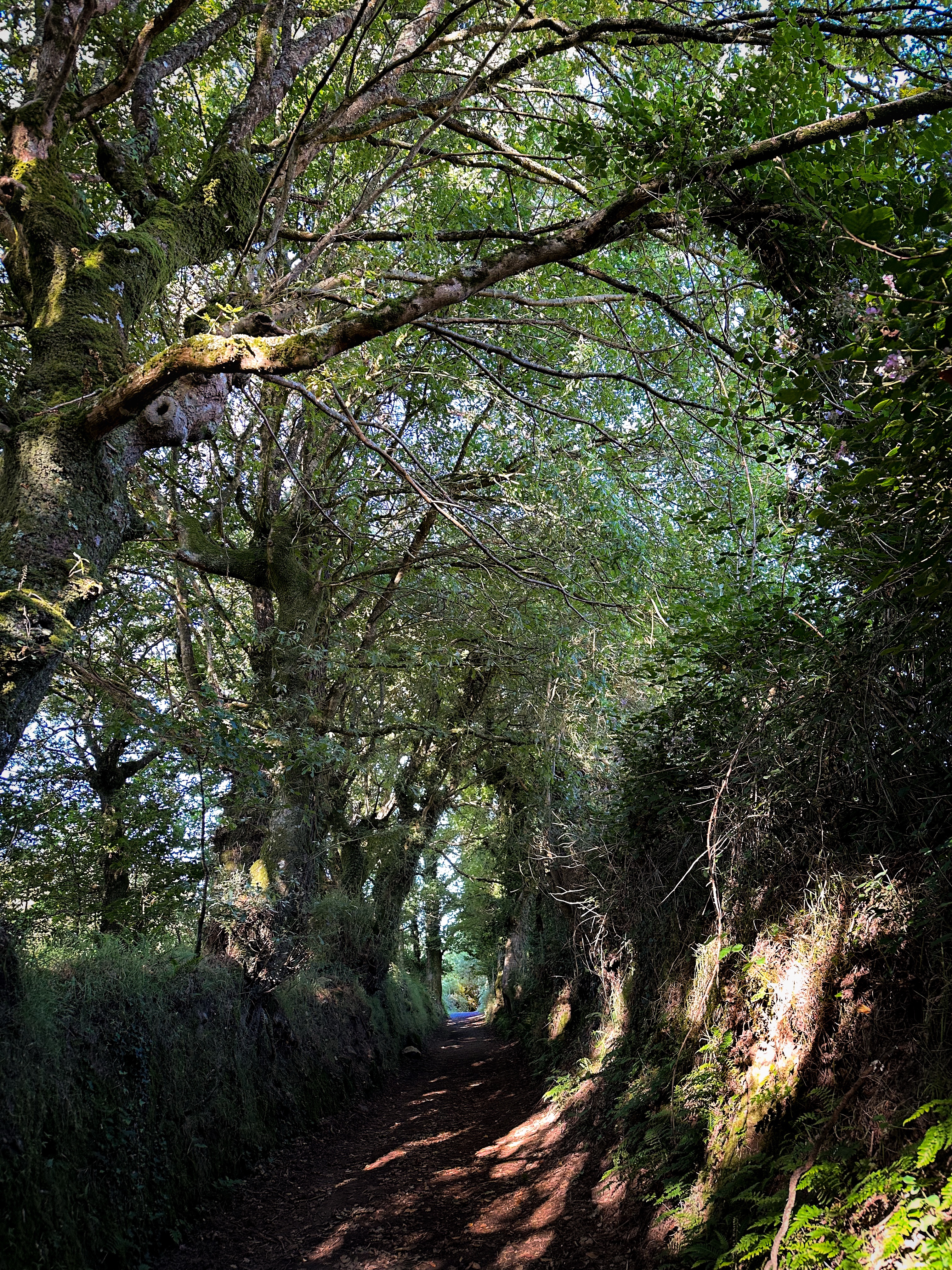
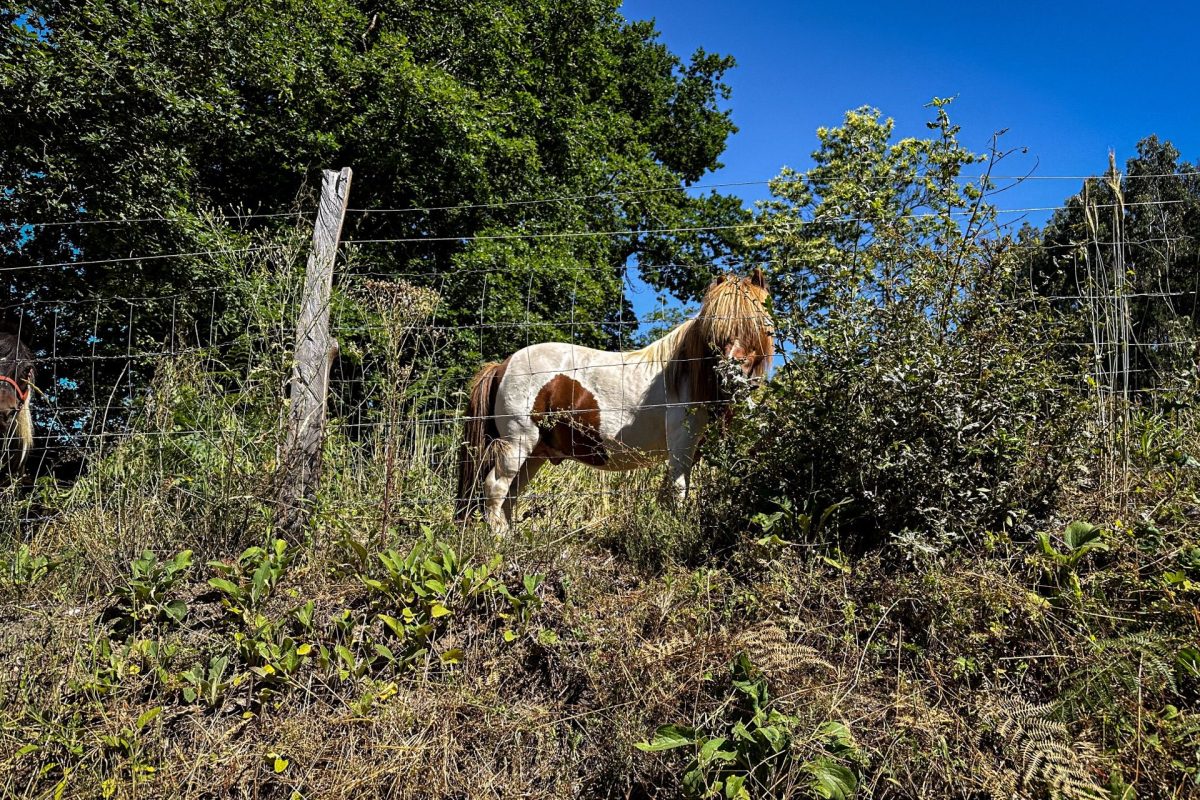
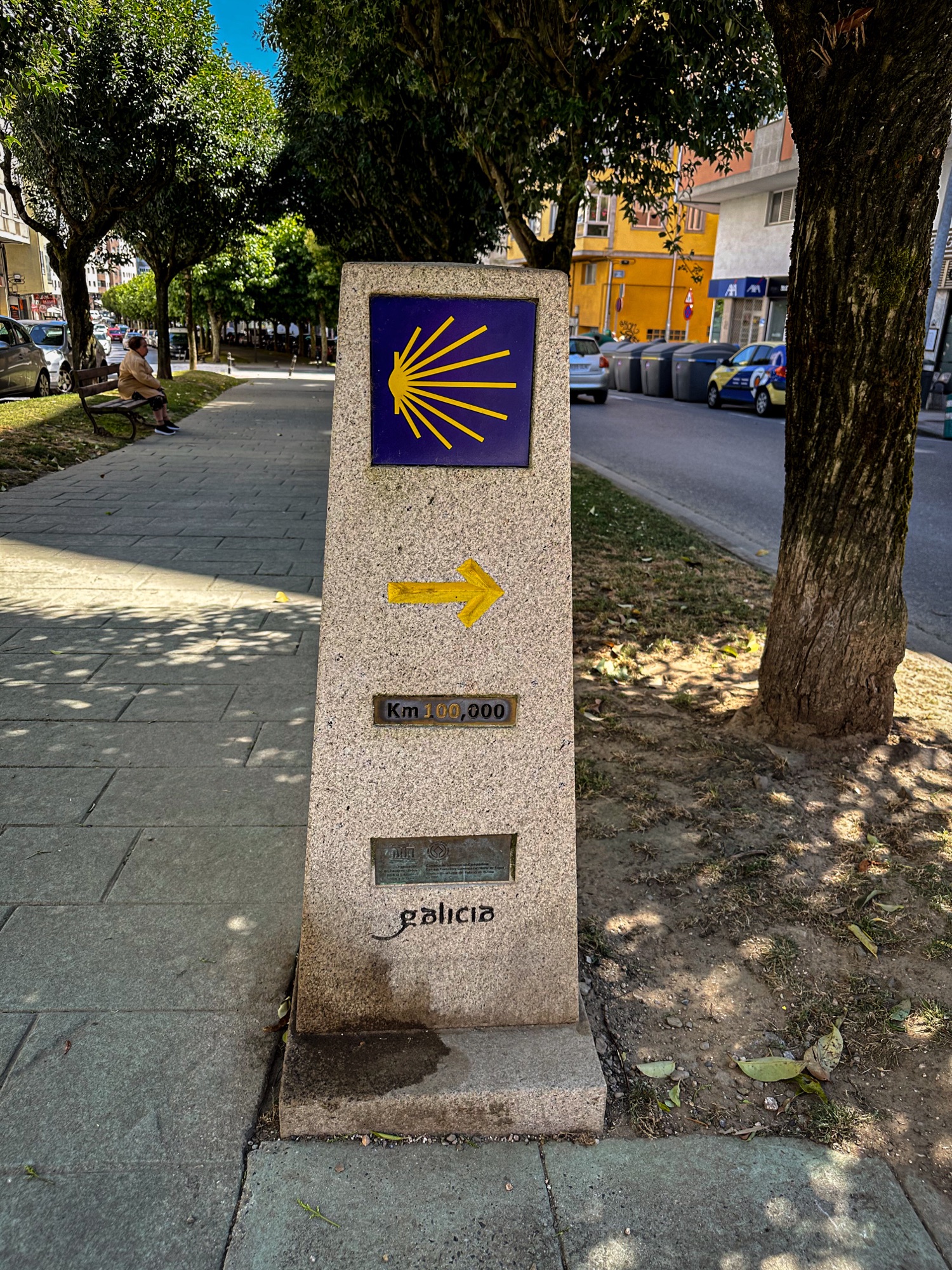
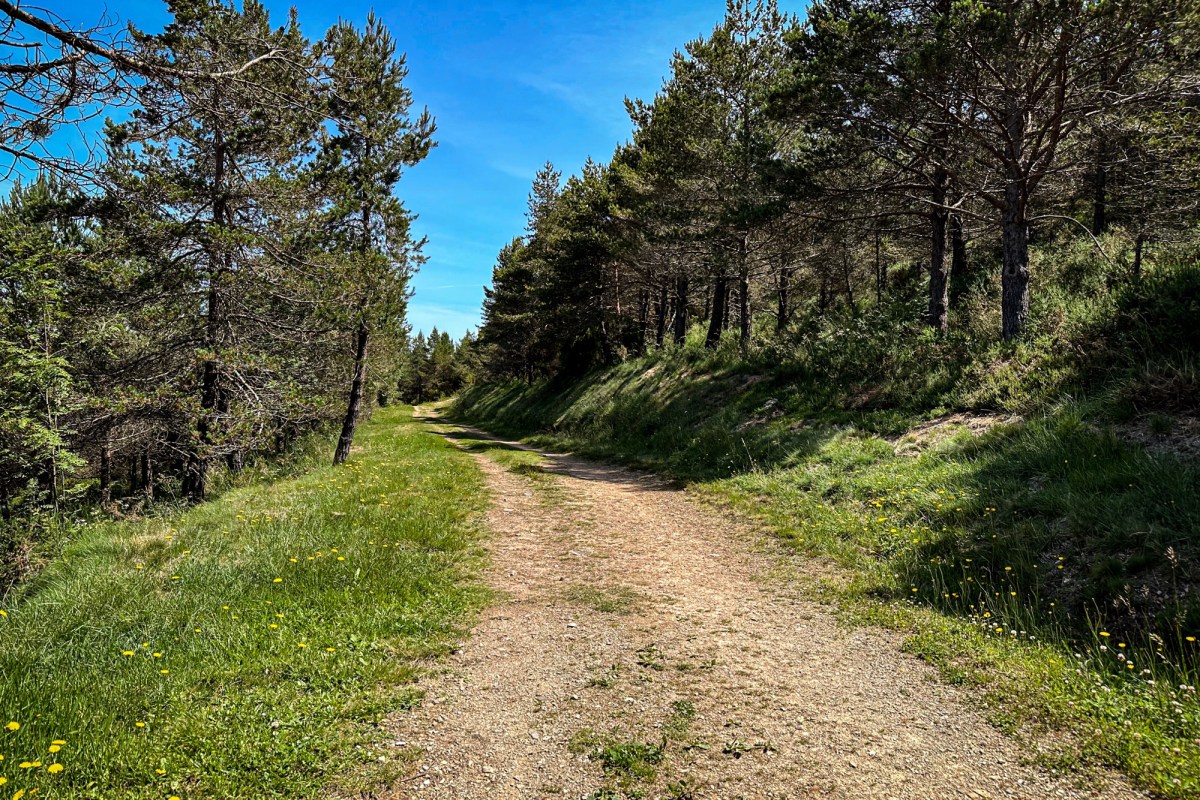
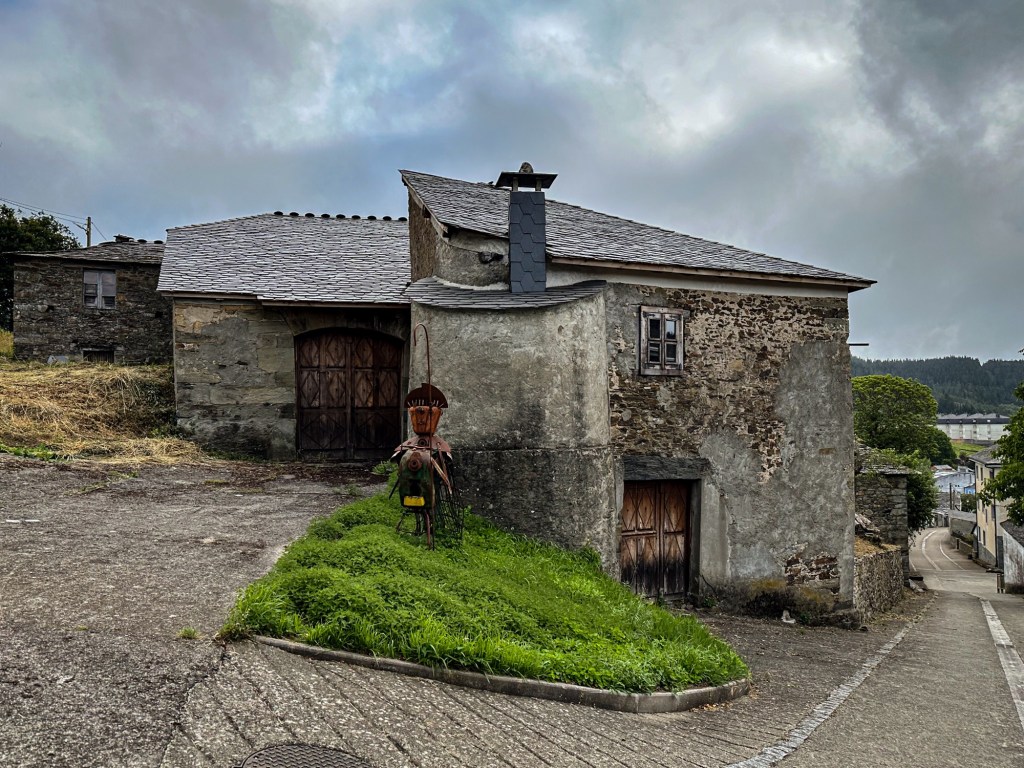
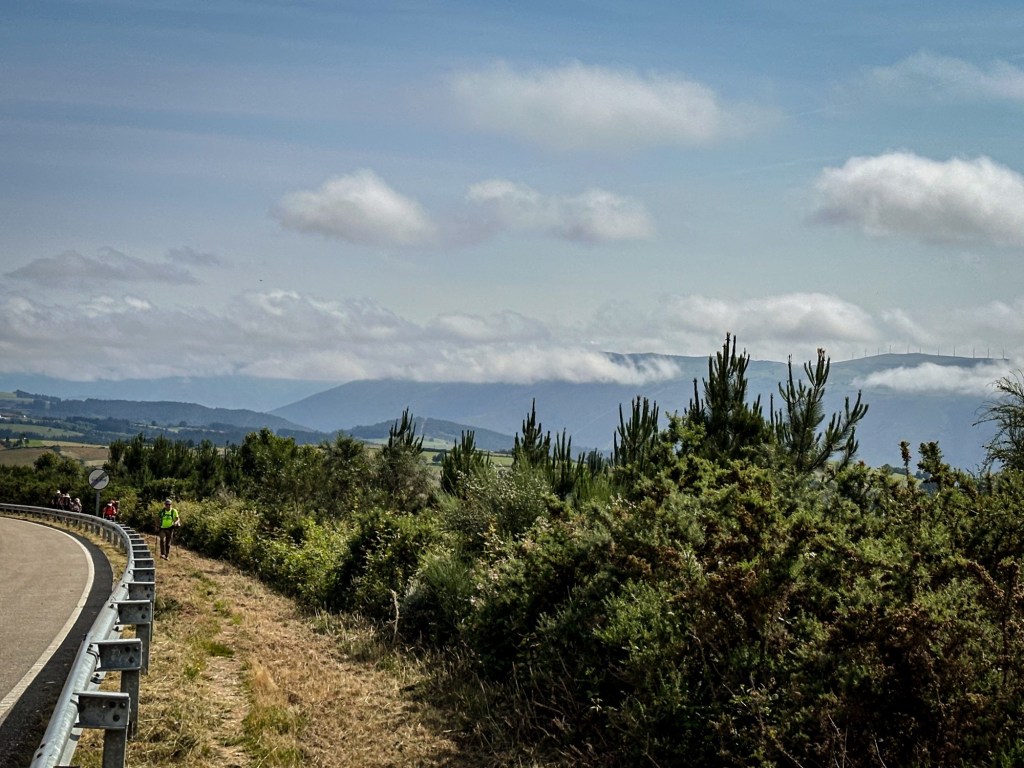
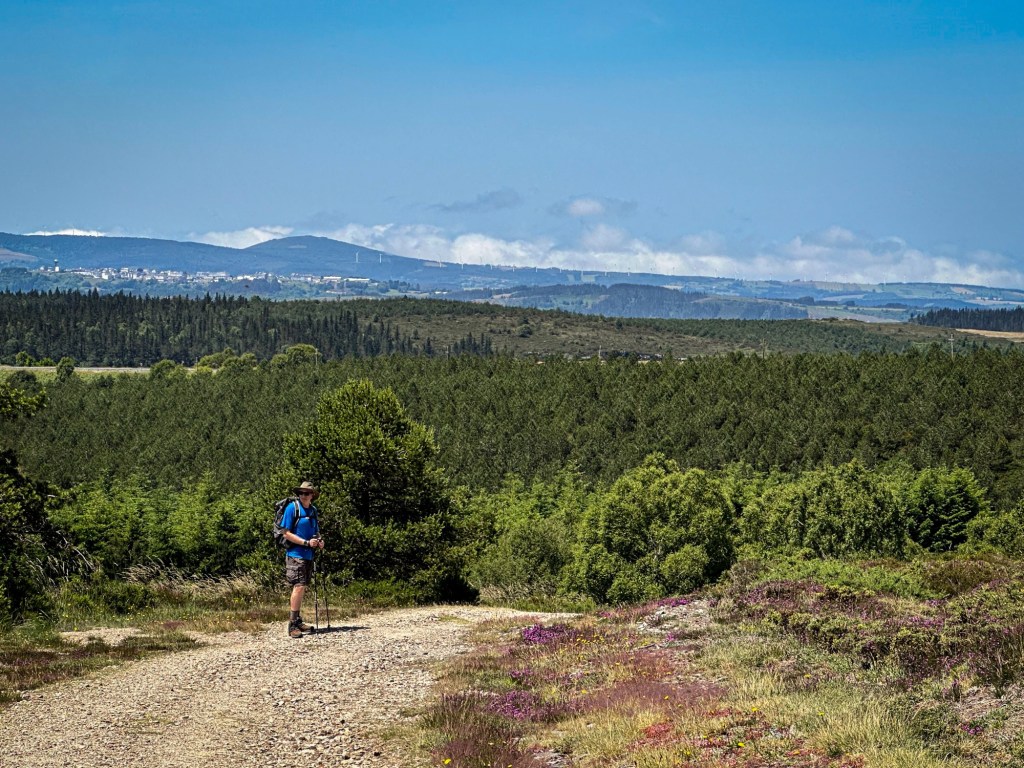
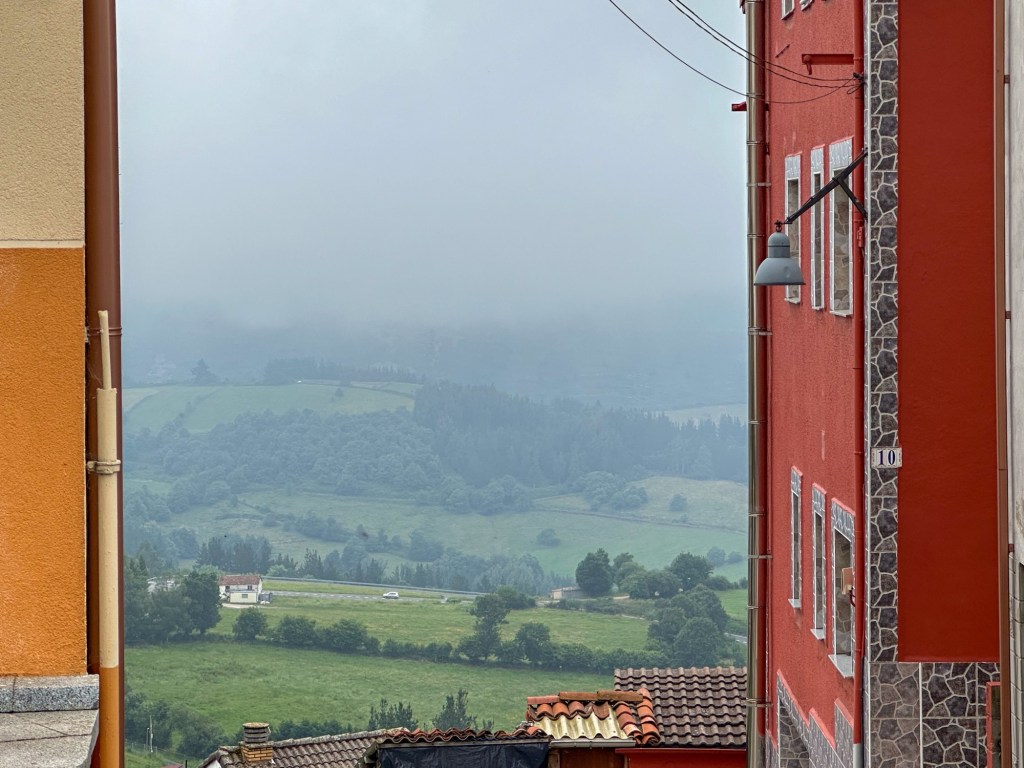
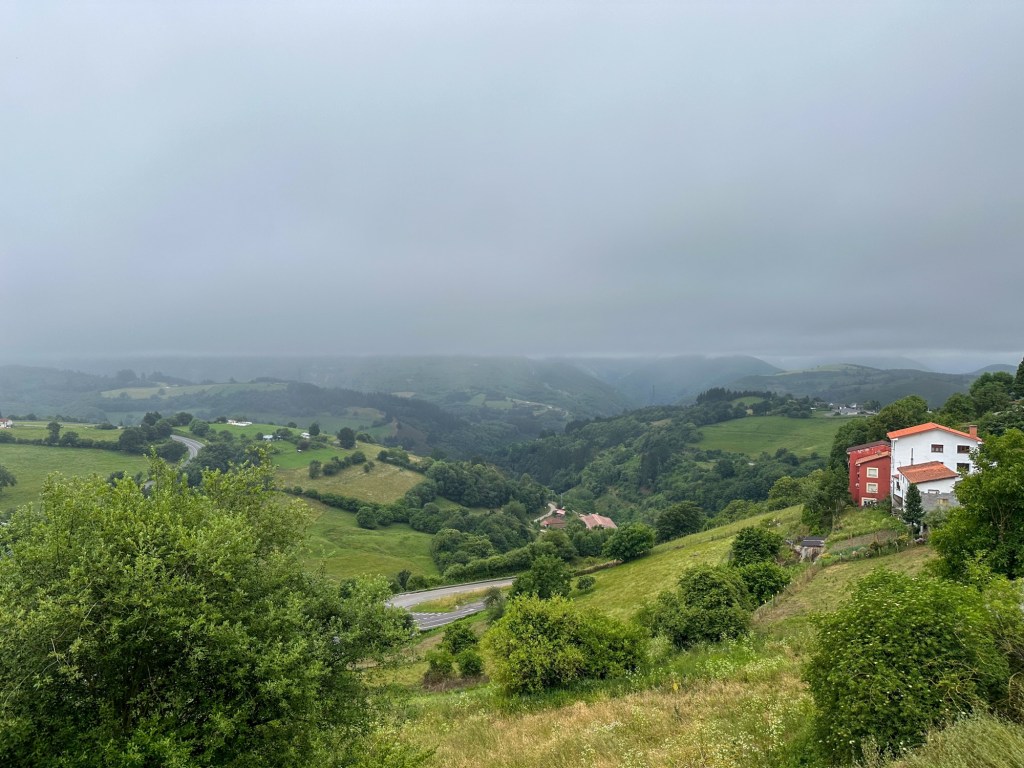
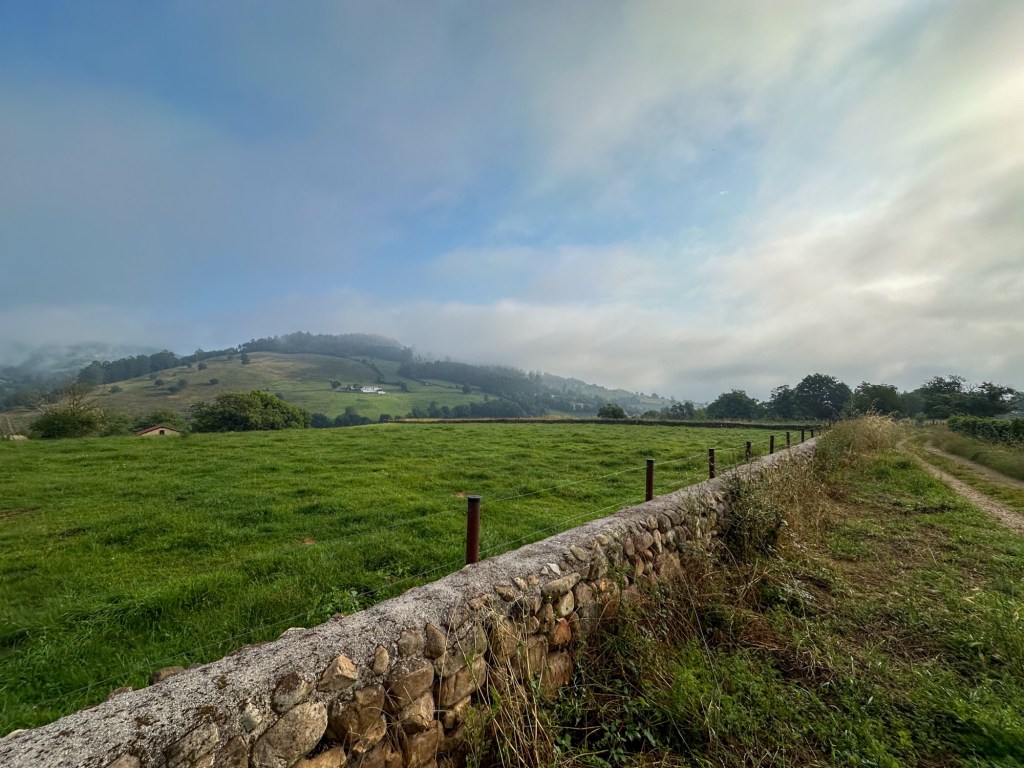
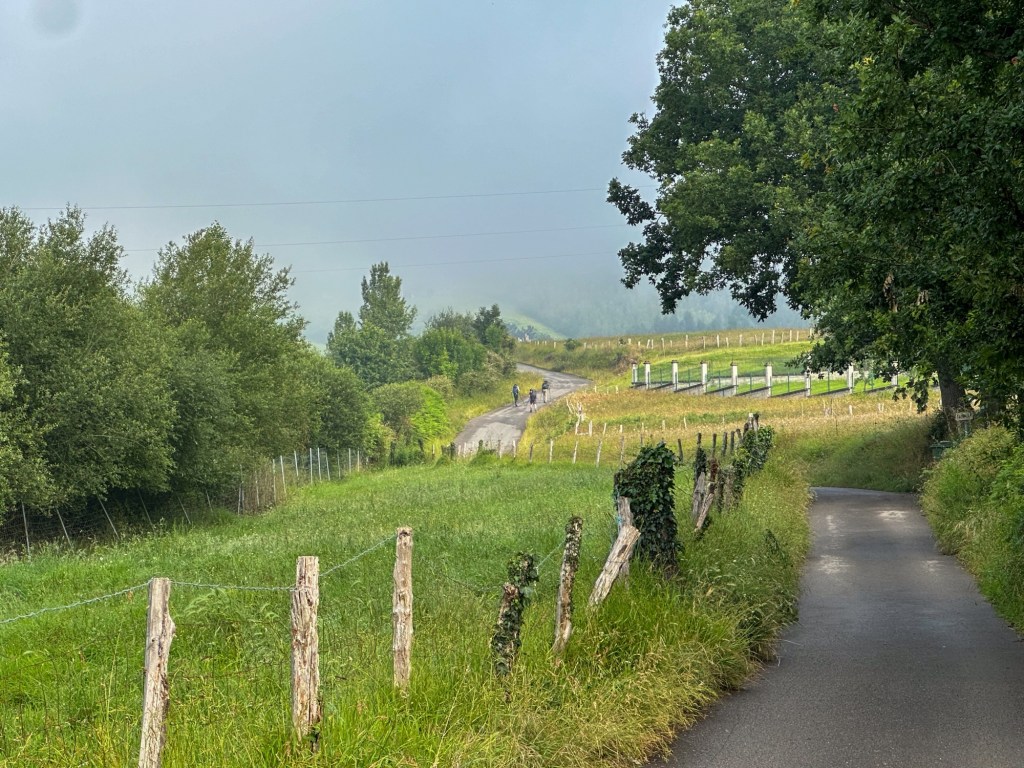
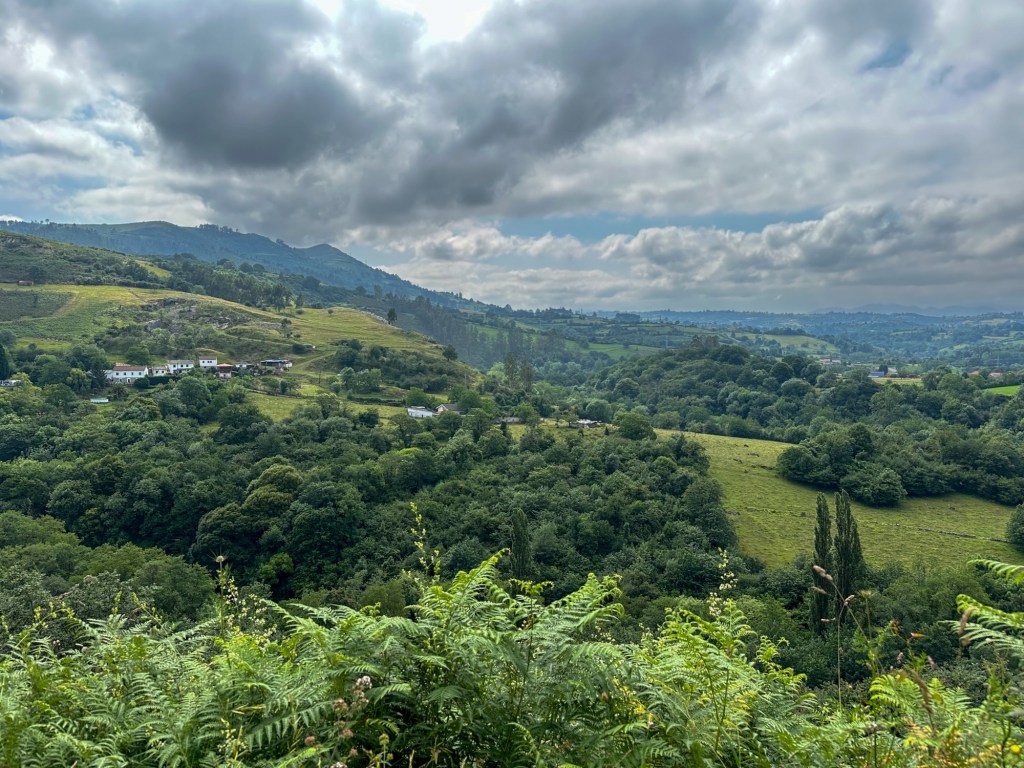
The hike was easy. We walked through rural towns and villages, and a sense of tranquility was around us. We are approaching Melide, where the French Way and El Camino Primitivo cross. The trail will be busy in the coming days with people doing the last 100 km and those doing the French Way. Today is the last day to enjoy a quiet hike.

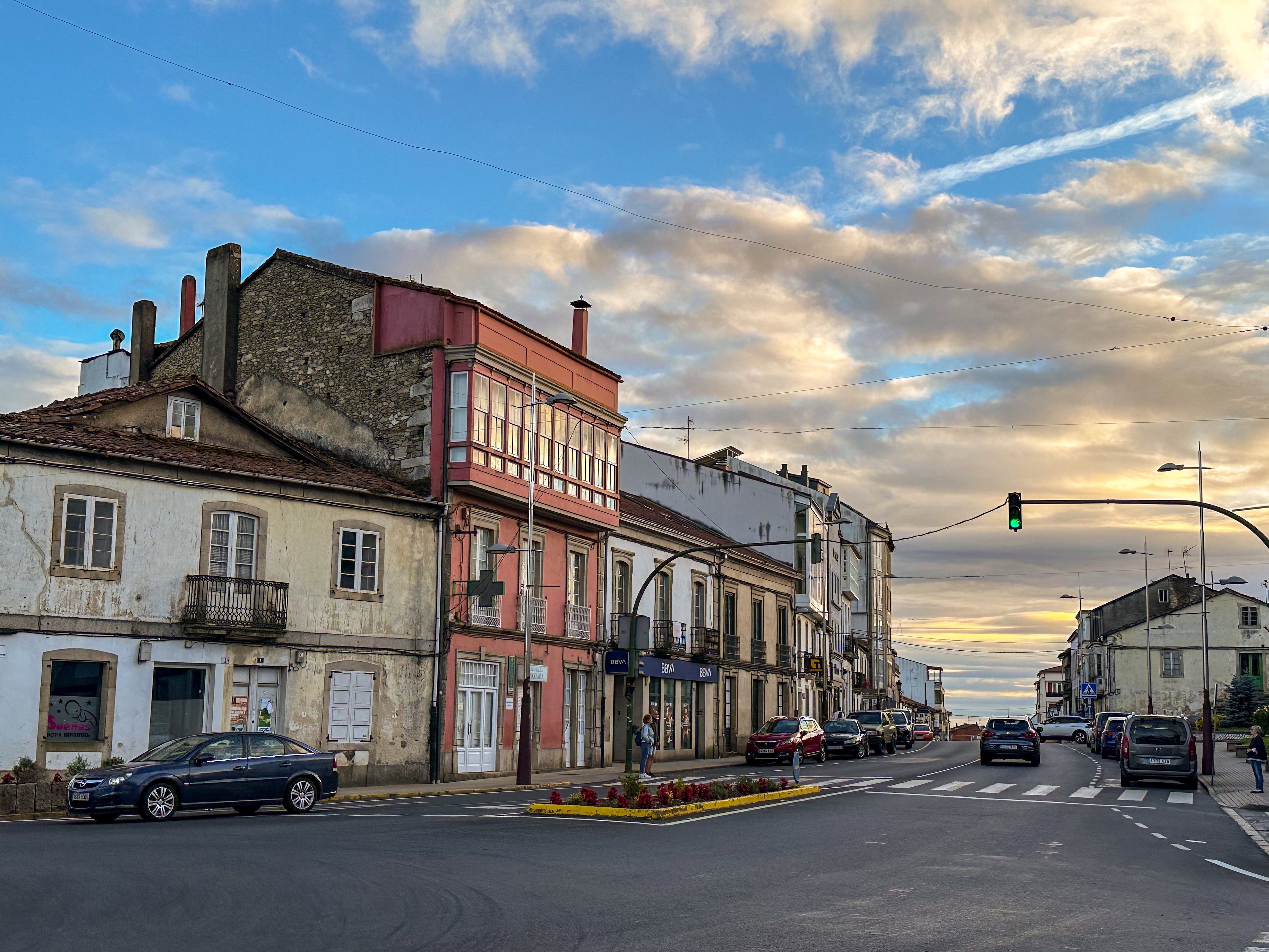
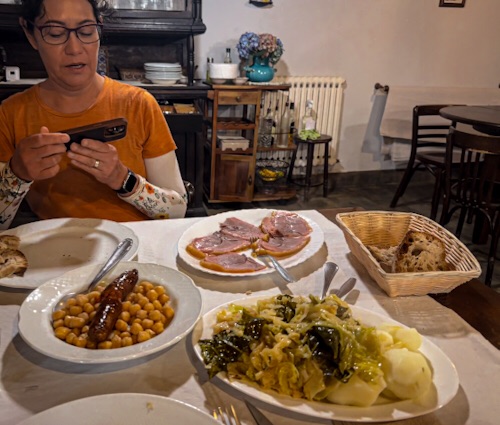
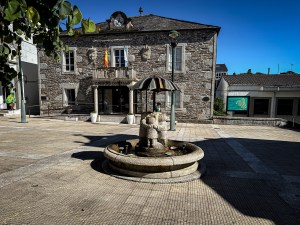
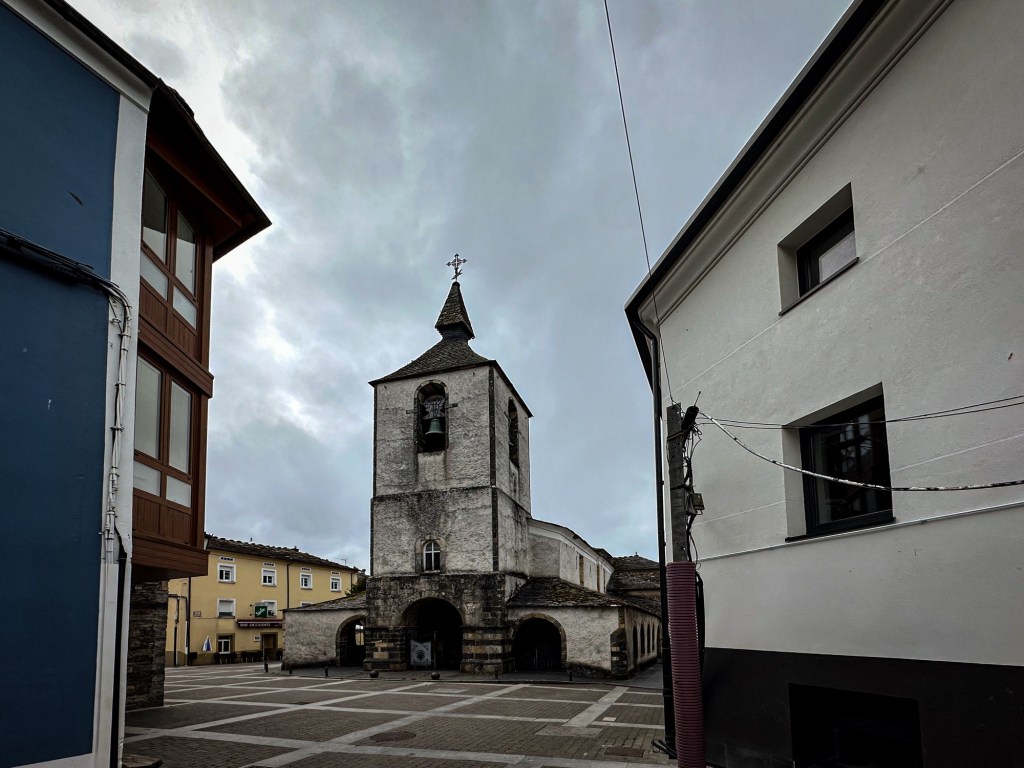
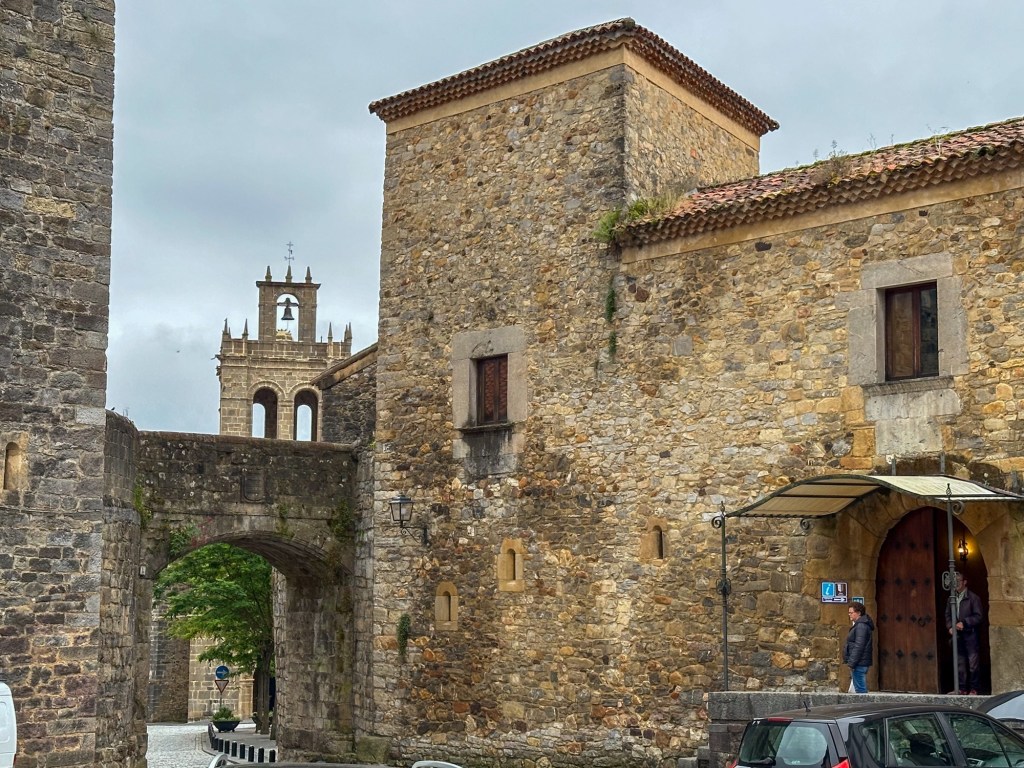
We arrived in Melide around lunchtime. It was busy; it was market day, and hundreds of pilgrims were walking on the streets. Some would spend the night here, and others were walking through. I have a feeling about how our hike will be tomorrow.
Lugo to A Ponte Ferreira

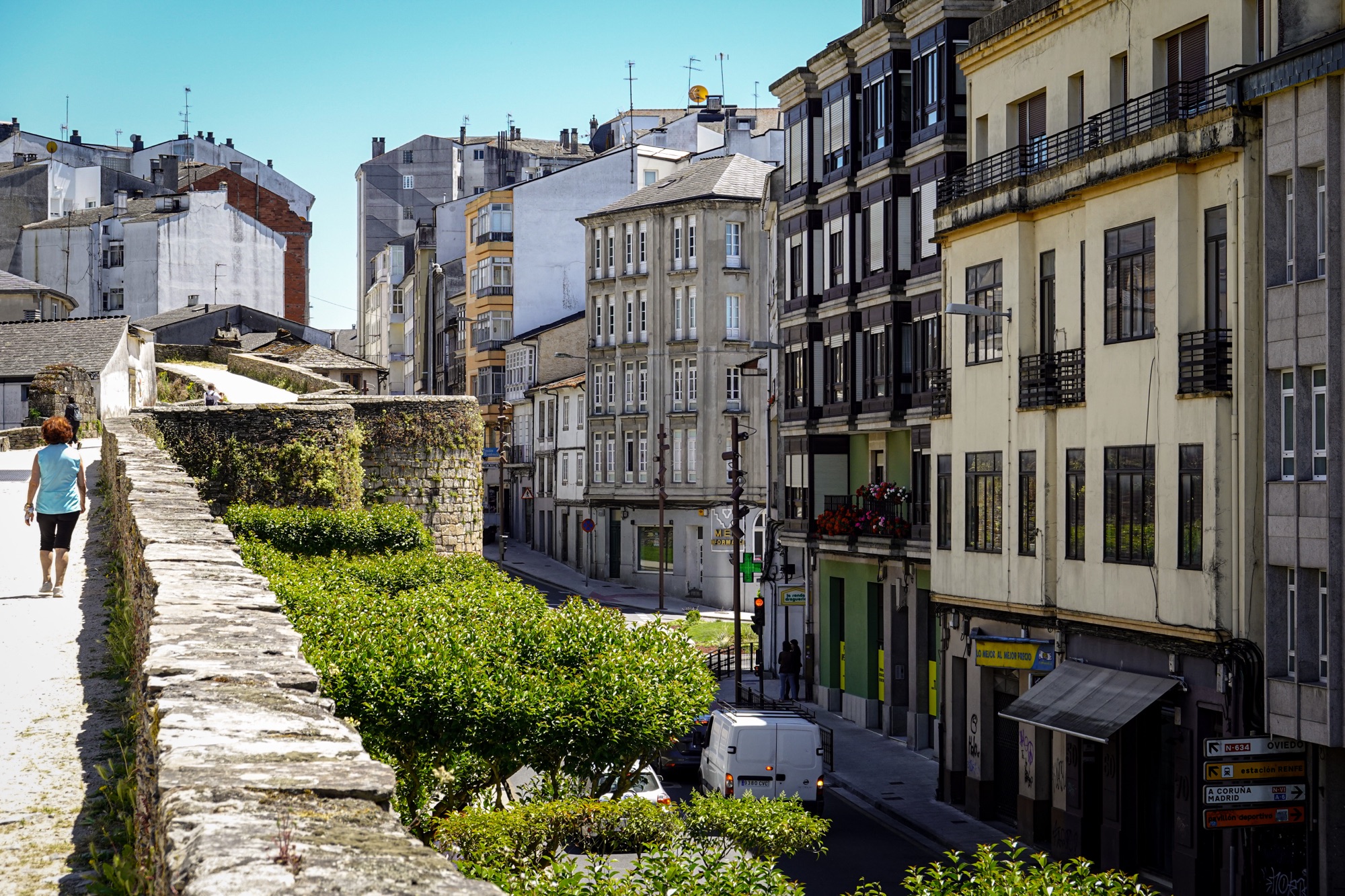
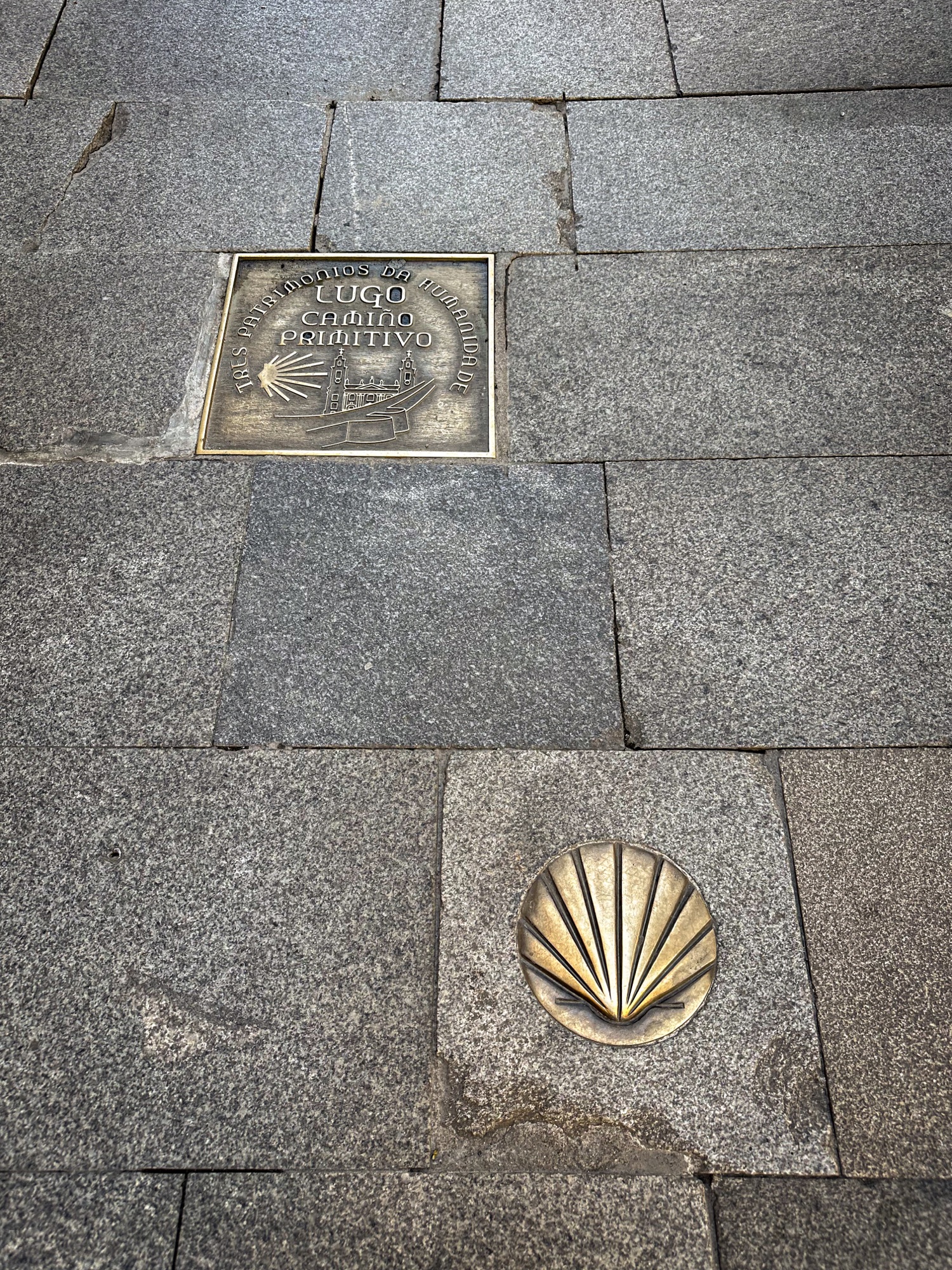
We spent one day in Lugo and had the opportunity to tour this walled city and learn about its importance during the Roman Empire.

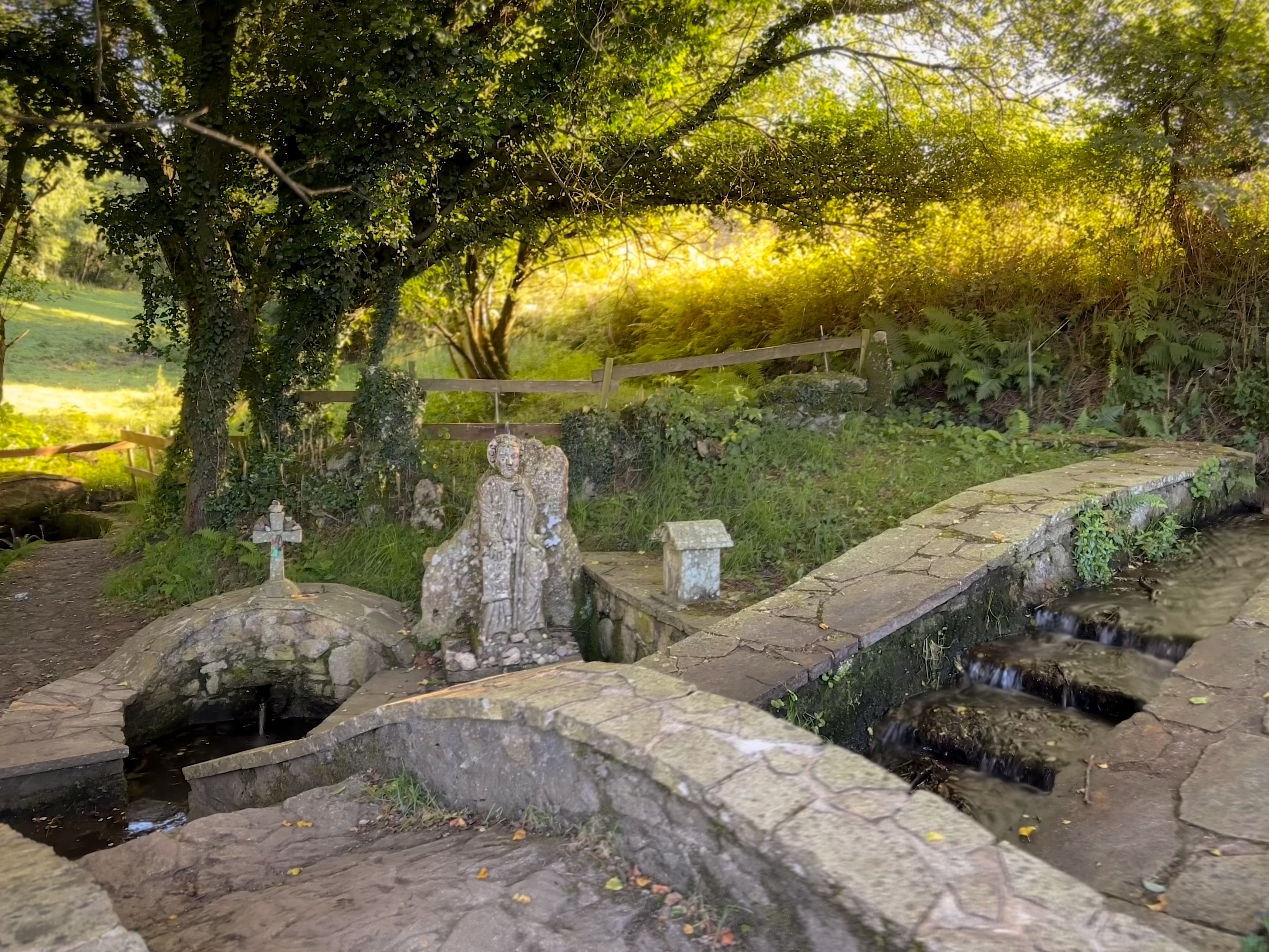
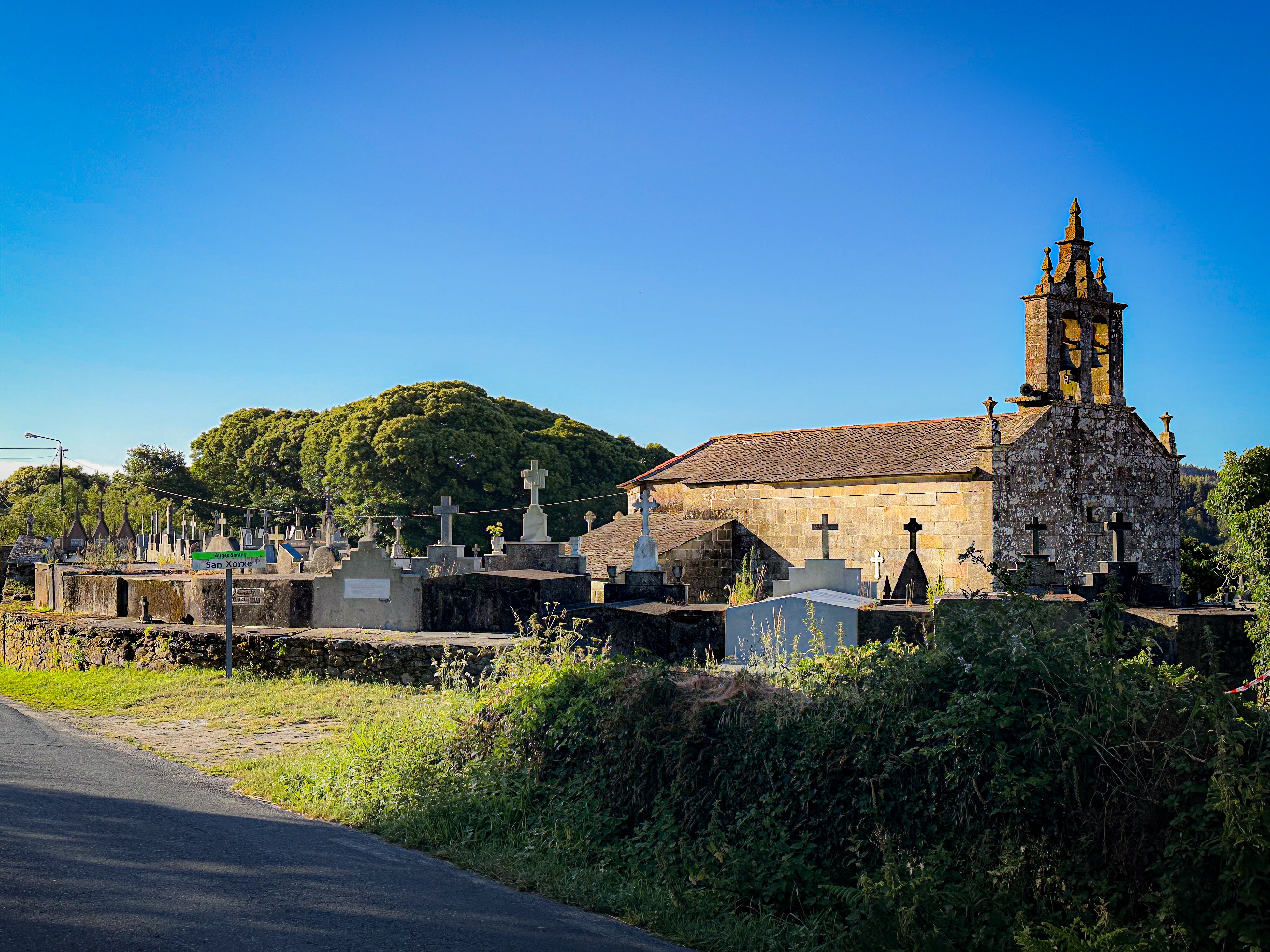
In Lugo, several people have begun their journey to Santiago. We found more people and groups of recent high school graduates on the trail. Unfortunately, this group has been the loudest and listening to music on the trails.

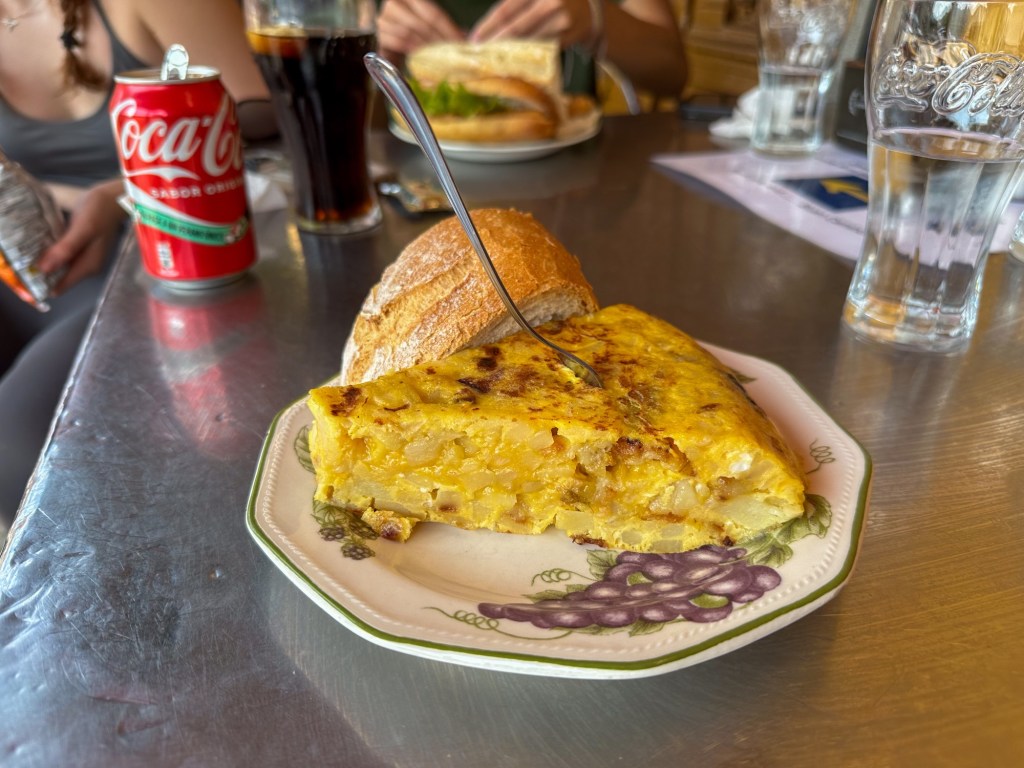
The trails are now flat, with very little change in altitude, as in the Asturias area. Today is Sunday, and several bars and restaurants are closed, making it impossible to find a place to rest and drink coffee. We only found one restaurant, where we had to wait about 45 minutes until they opened the kitchen. While waiting, a group of English hikers told us that two of their friends had been attacked by a loose dog, and they had to call an ambulance to take them to the hospital.

In all the Caminos we have done, this is the first time we have heard of a dog attacking hikers on the trail.

O Cadavo to Lugo

Today, we completed our longest hike, covering 19.2 miles (32 kilometers) from O Cadavo to Lugo on the Camino Primitivo. This section of the Camino de Santiago offers a blend of natural beauty and cultural heritage.

We still have approximately 100 kilometers (about 62 miles) left to reach Santiago. Along our journey, we’ve had the opportunity to meet fellow hikers with diverse motivations for making this pilgrimage. Some seek spiritual enlightenment; the challenge of physical endurance draws others, while many are simply pursuing adventure. It’s been gratifying to share the path with various people. My daughter has kept a list of the people she’s met and their countries of origin. As a fun fact, she was the first to predict who would fall in love on “El Camino.”

We plan to take a break in the historic city of Lugo tomorrow. Lugo, originally a Roman settlement dating back to the year 25, is known for its well-preserved Roman walls and rich history. It is worth a visit.
Grandas de Salime to A Fonsagrada

We had a good evening in Grandas de Salime. We had dinner at Cafe Restrepo. This cafe/bar is a good place to spend the afternoon. It was different from the other cafes we had visited in other towns. It had good music and eclectic decoration, and the owners were very friendly. There were a good number of pilgrims here, and we had the opportunity to chat and meet new people. 

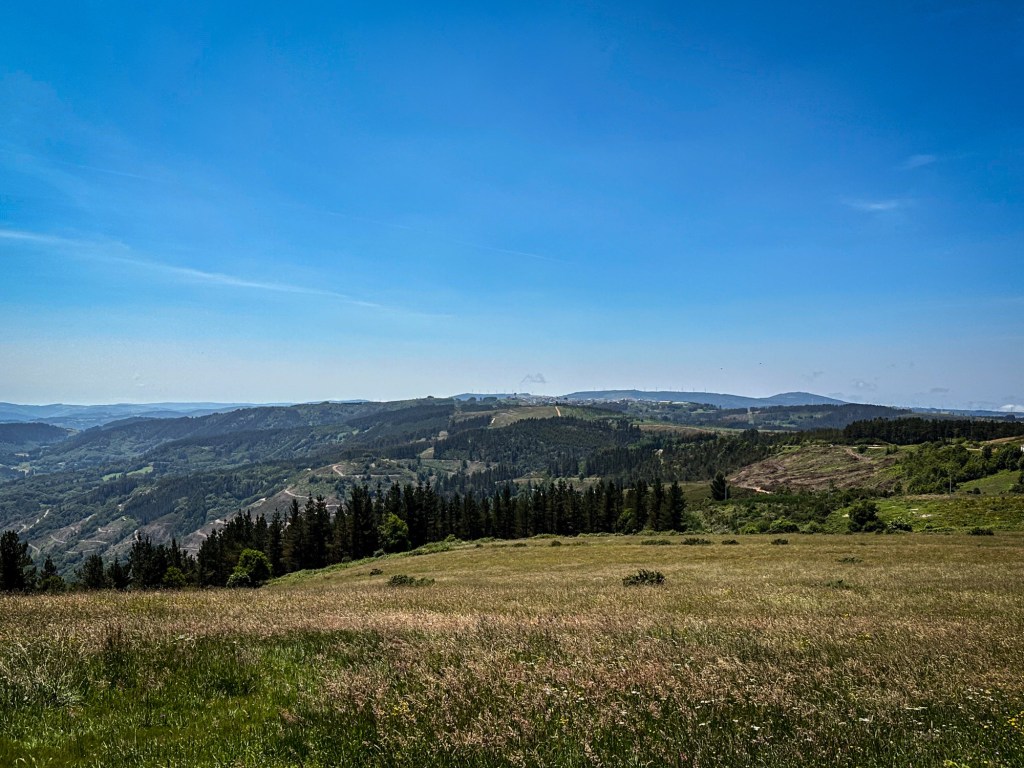
After a good night’s rest, we found that one hiker in our group could not walk today due to severe knee pain and tendonitis. We arranged for her to take a taxi to the next city and rest for the day. We were aware that today’s journey would be another 28 kilometers (17.5 miles)of descending and ascending hills. 

We left Grandas de Salime, which is in the Asturias region and started our journey toward A Fonsagrada, a town in the Galicia region. Most of the hike was good, but the last part leading into A Fonsagrada presented a challenging uphill climb, where we ascended 120 meters (400 feet). After hiking for six hours, it was cruel to finally see the town at the top of a hill.  As we were ascending the last hill, we heard someone shouting behind us. Of course, I wasn’t the only one who used the F word and cursed at the sight of that daunting hill. 

Grado to Salas

The second day of walking was 23 Km/ 14.29 miles.

Today has been the most challenging day because of the weather. The temperature was 75°F and 95% humidity. The weather in Asturias is very humid; it reminds me of the weather from Yucatan, that feeling of heat coming from the ground before rain.

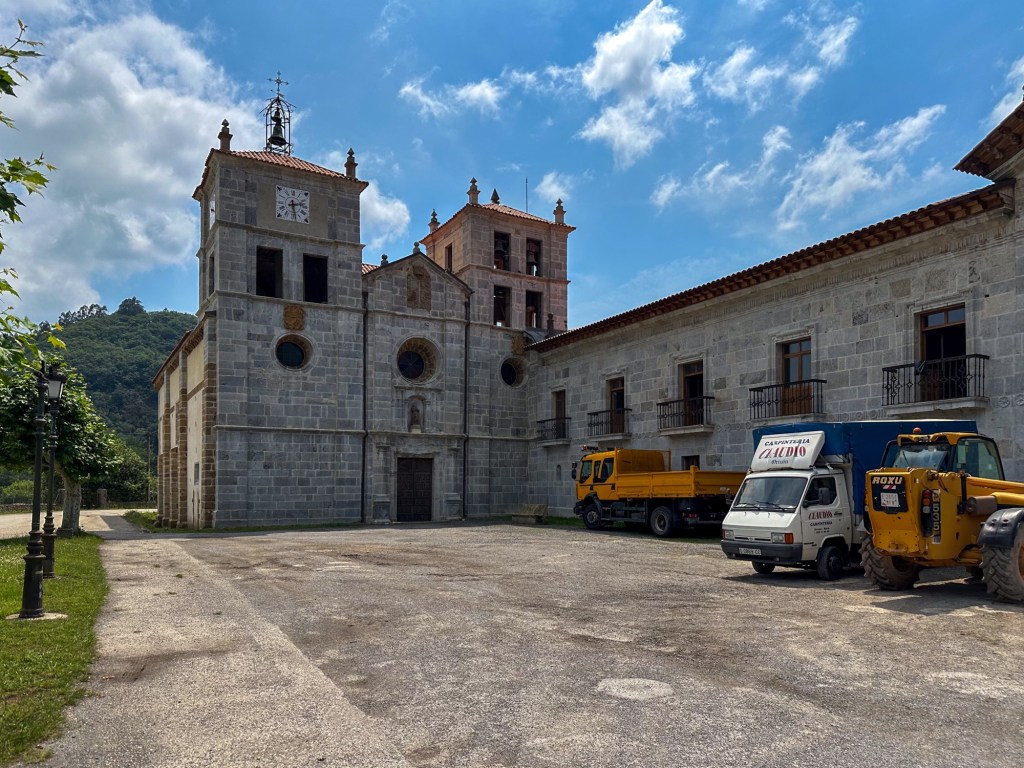
On our hike today, we walked through the forest, but we did a lot of walking on asphalt, so it was challenging to hike with the heat coming from the ground. We also saw the historic San Salvador De Cornellana Monastery, which has a rich history dating back to its foundation in 1024.

According to local legend, a little girl from a prominent family once got lost in the forest, and a female bear took care of her until she was found. In gratitude for this survival miracle, the girl’s family founded a monastery and engraved the image of the female bear nursing the girl on the main door.

Contemplating structures that have stood for over a millennium prompts us to reflect on the brevity of our lives on Earth.


Oviedo to Grado

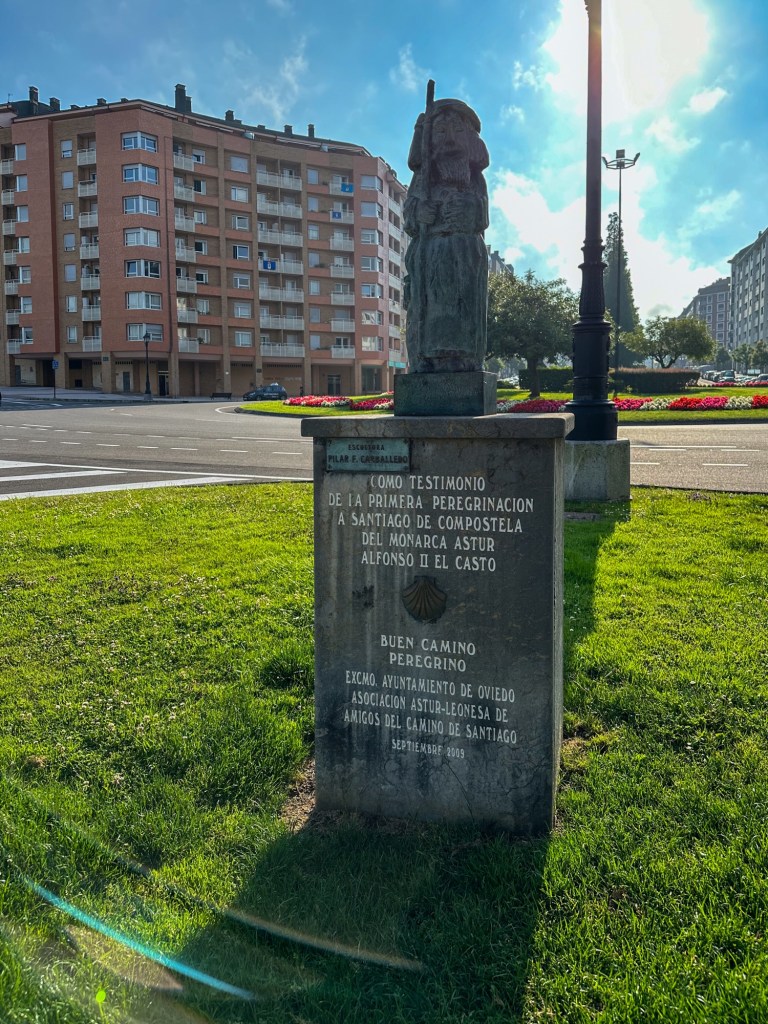
The first stage of El Camino Primitivo is 28 km/17 miles. 

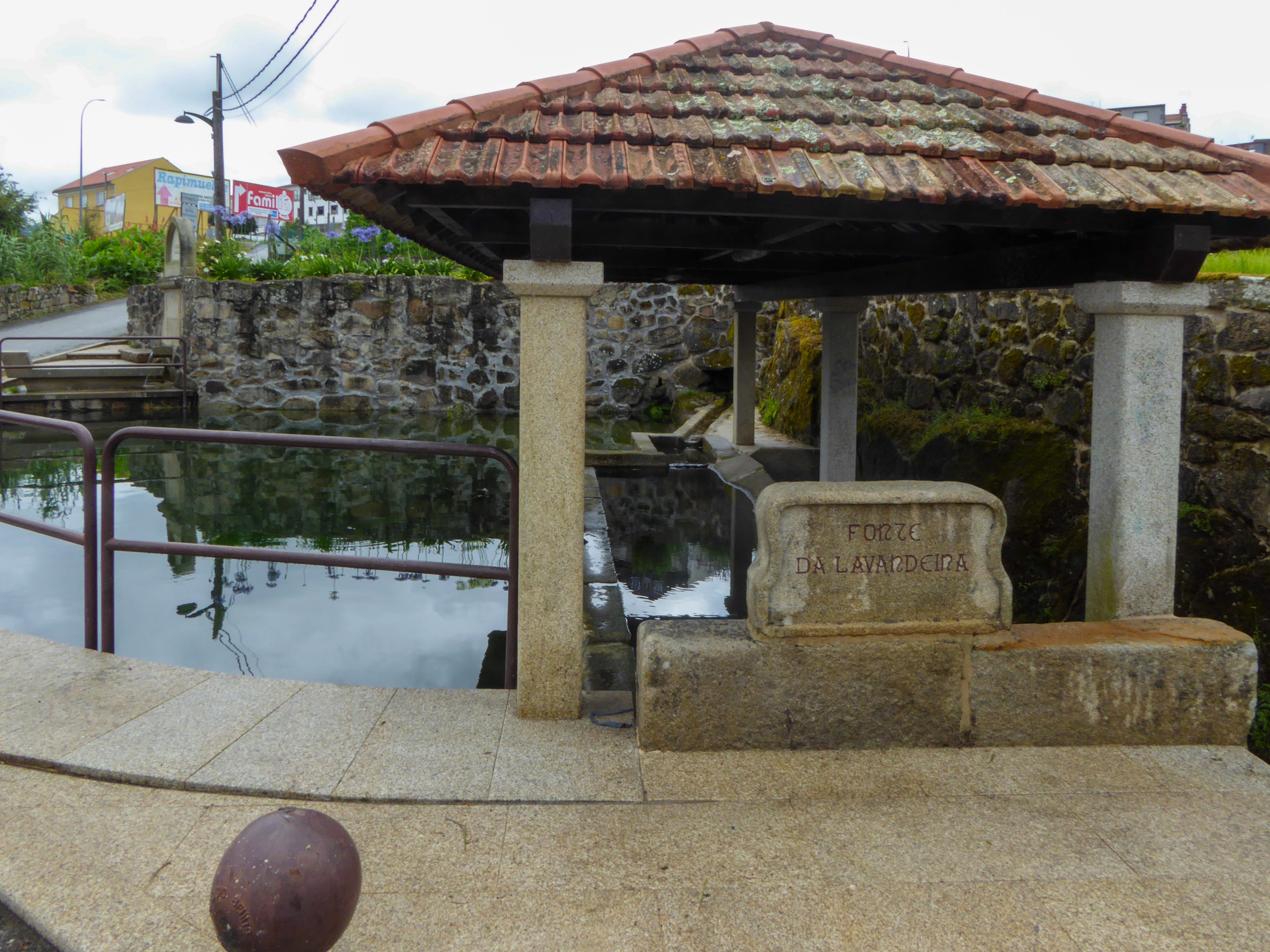
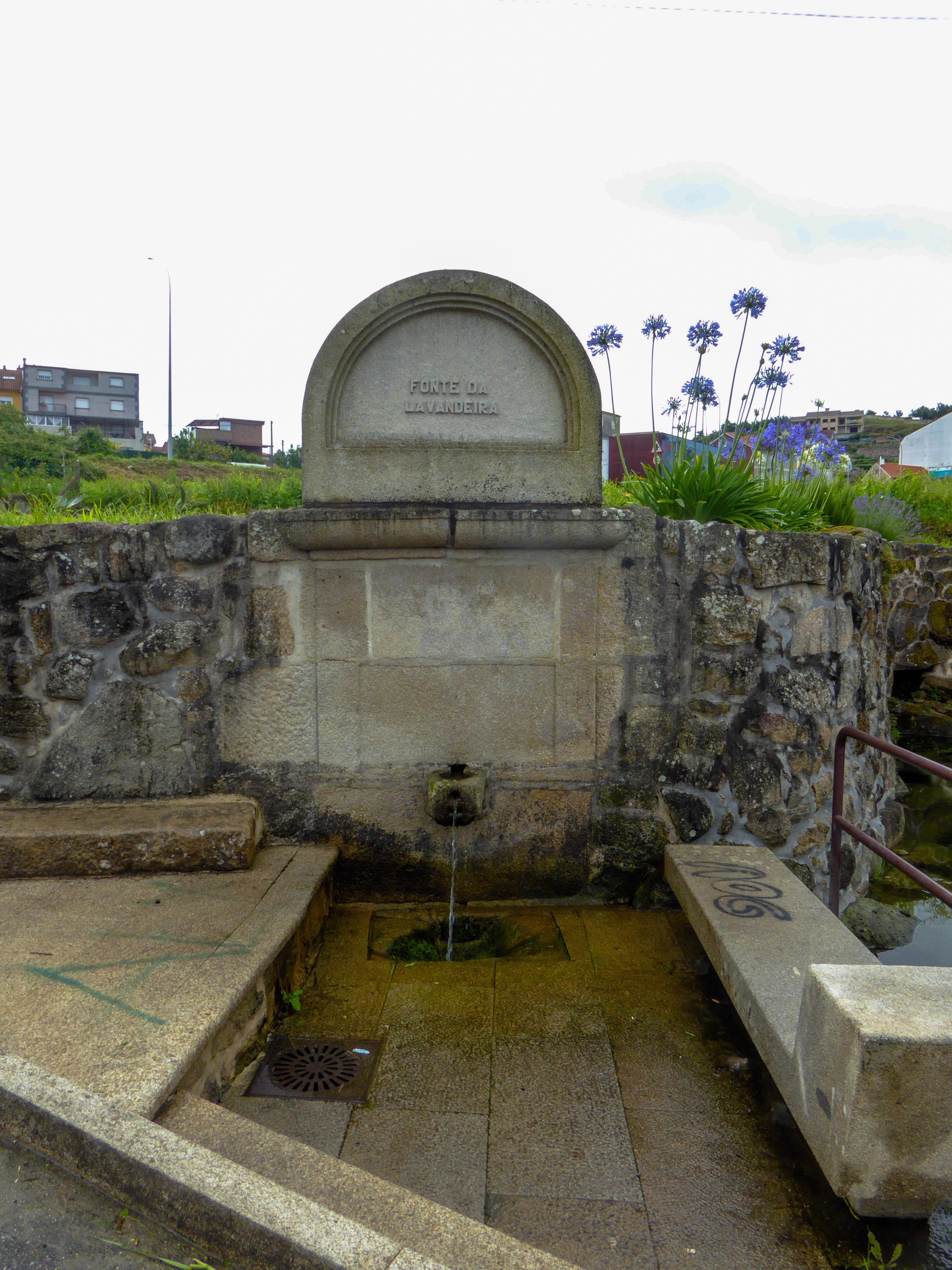
We were very excited to start the journey to Santiago. After we left Oviedo, we entered the forest. Most of the walk was easy. We walked through farms, saw several town washhouses, and crossed ancient bridges, including the bridge Peñaflor over río Nalon, built in the 12th century, where the Spanish and Napoleon’s troops fought during the war. Also, we encountered the remains of a Roman house.

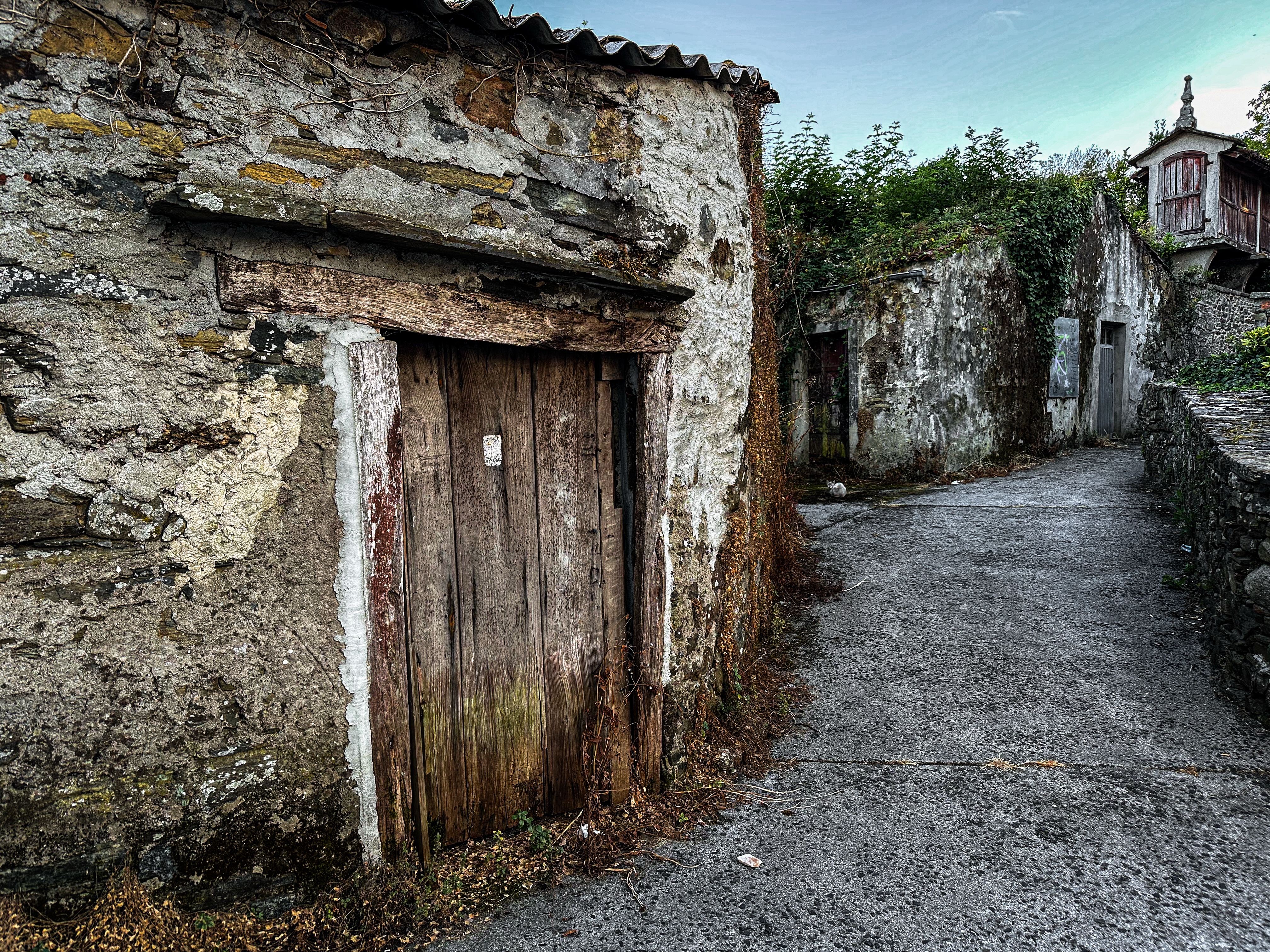
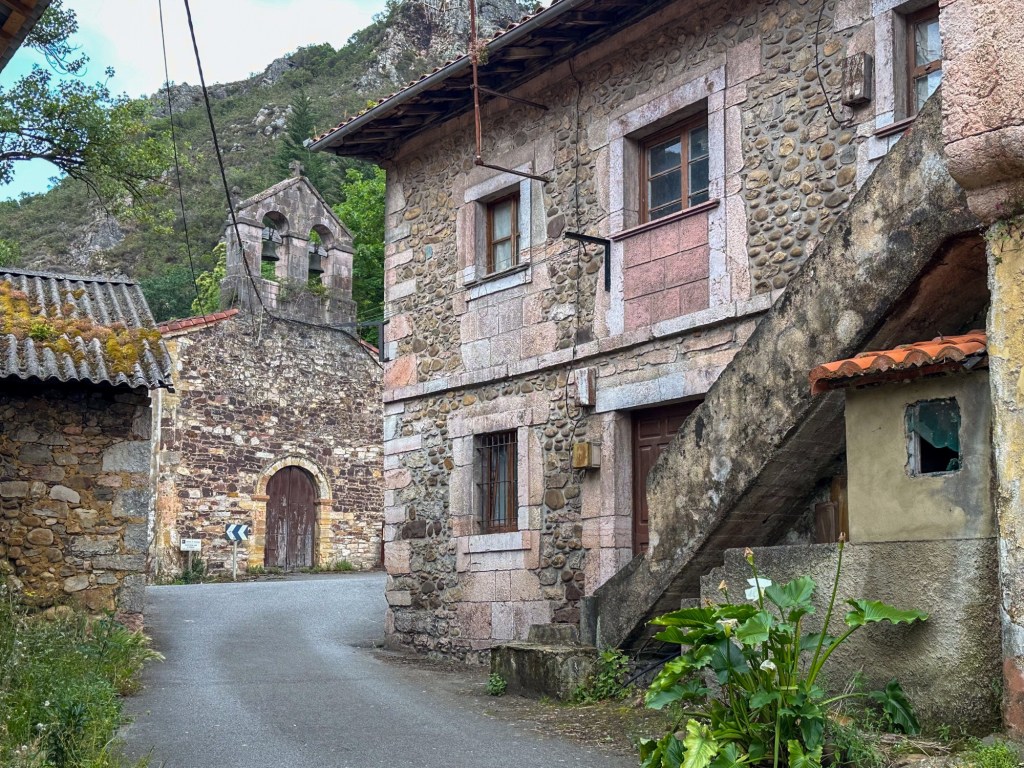
 As we walked through the villages today, the number of abandoned houses struck us, each a silent testament to the passage of time.


Redondela to Pontevedra

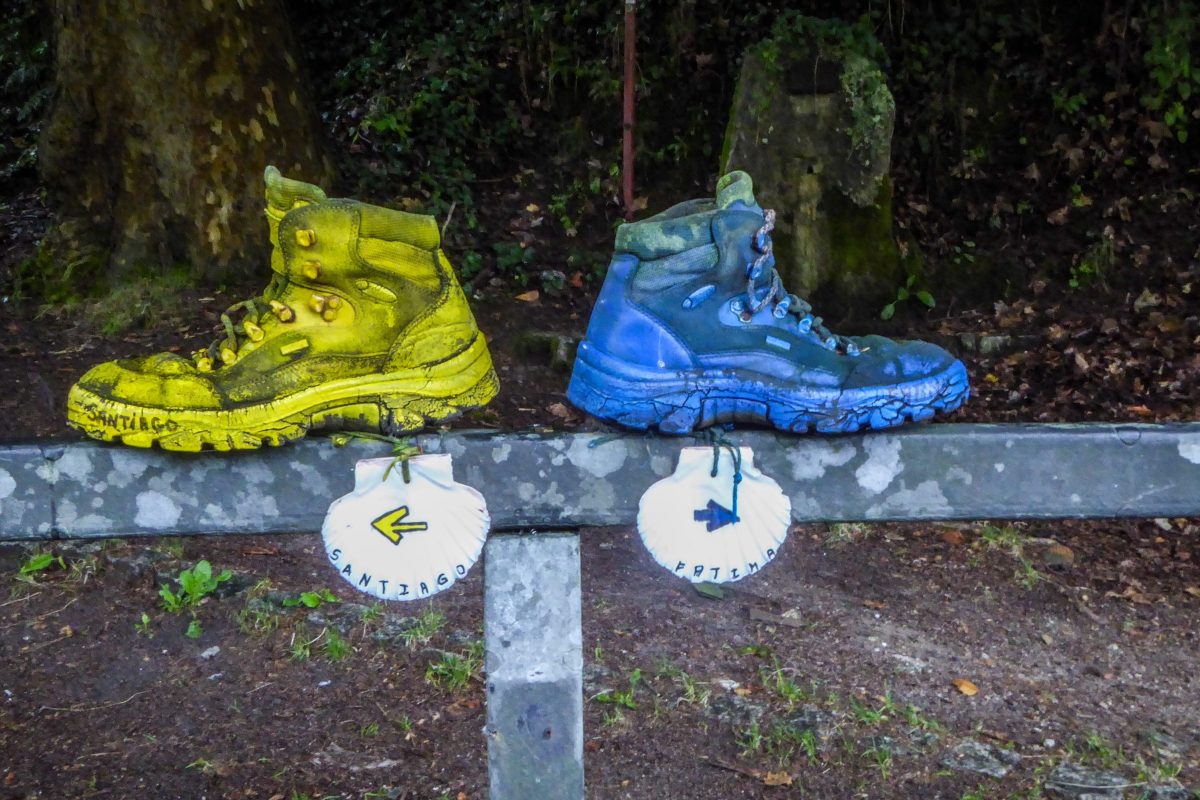
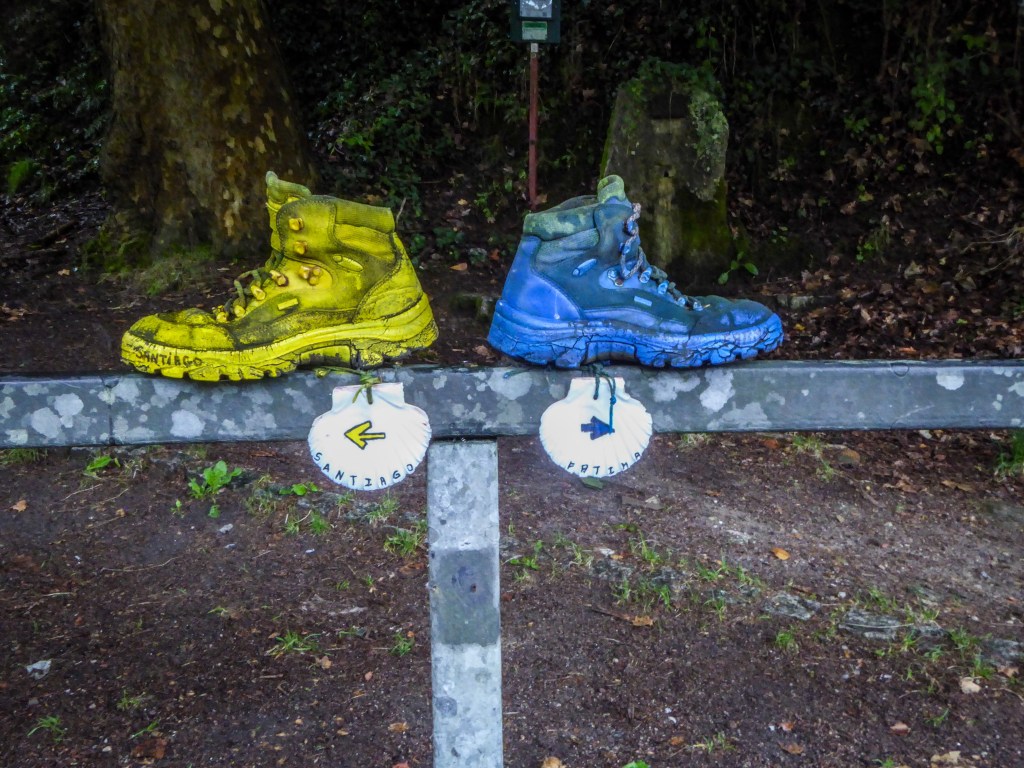
The shoes in Saint James way.

We reached the point that walking 13.5 miles in less than five hours is not bad at all. Don’t take me wrong; After ten days of walking between Portugal and Spain, we have minor injuries in the feet or knees, and the whole body is sore. But we are in the rhythm of walking, eating, and open to discovering whatever it is in the next miles.

Doing El Camino de Santiago is not only developing physical endurance but also mental endurance.